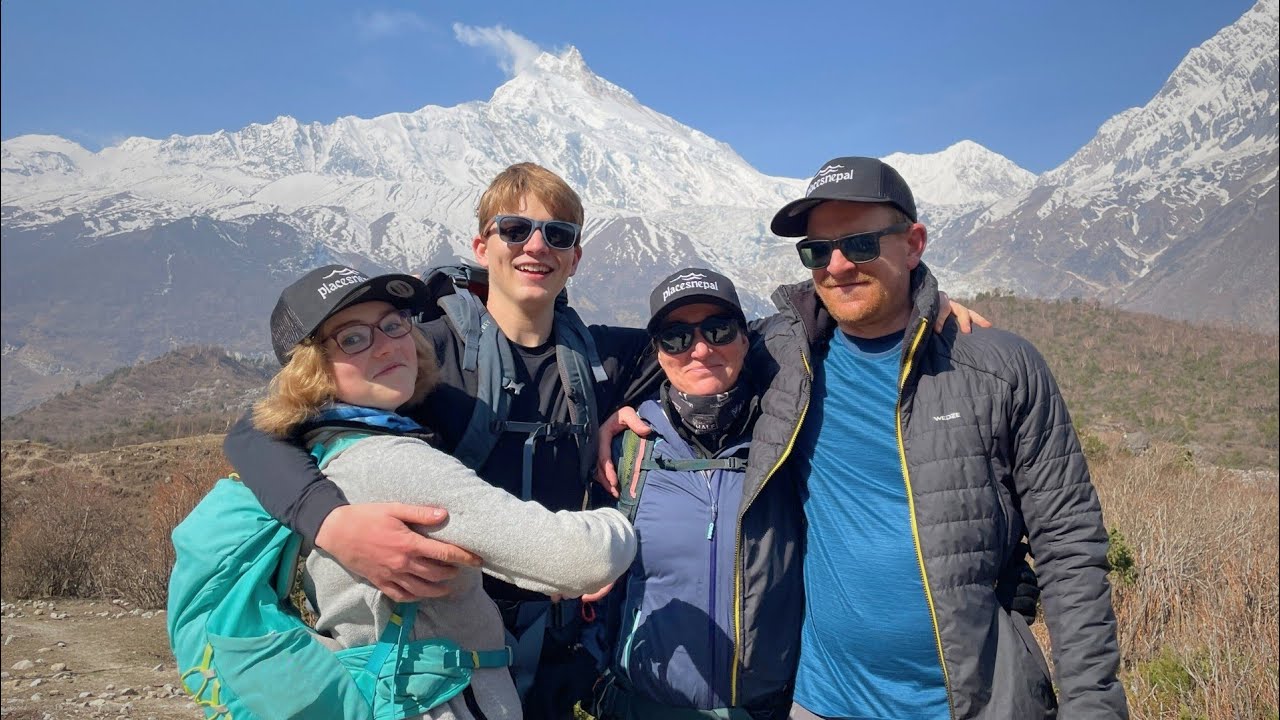
What to Wear When Trekking in Nepal depends on altitude, season and route more than on brand. This guide explains the base, mid and outer layer system, high-altitude clothing above 3,000 m and 4,000 m, seasonal changes, quantities for a 10 to 14 day trek and clothing notes for six popular routes.
What to Wear When Trekking in Nepal: Clothing and Layering Guide
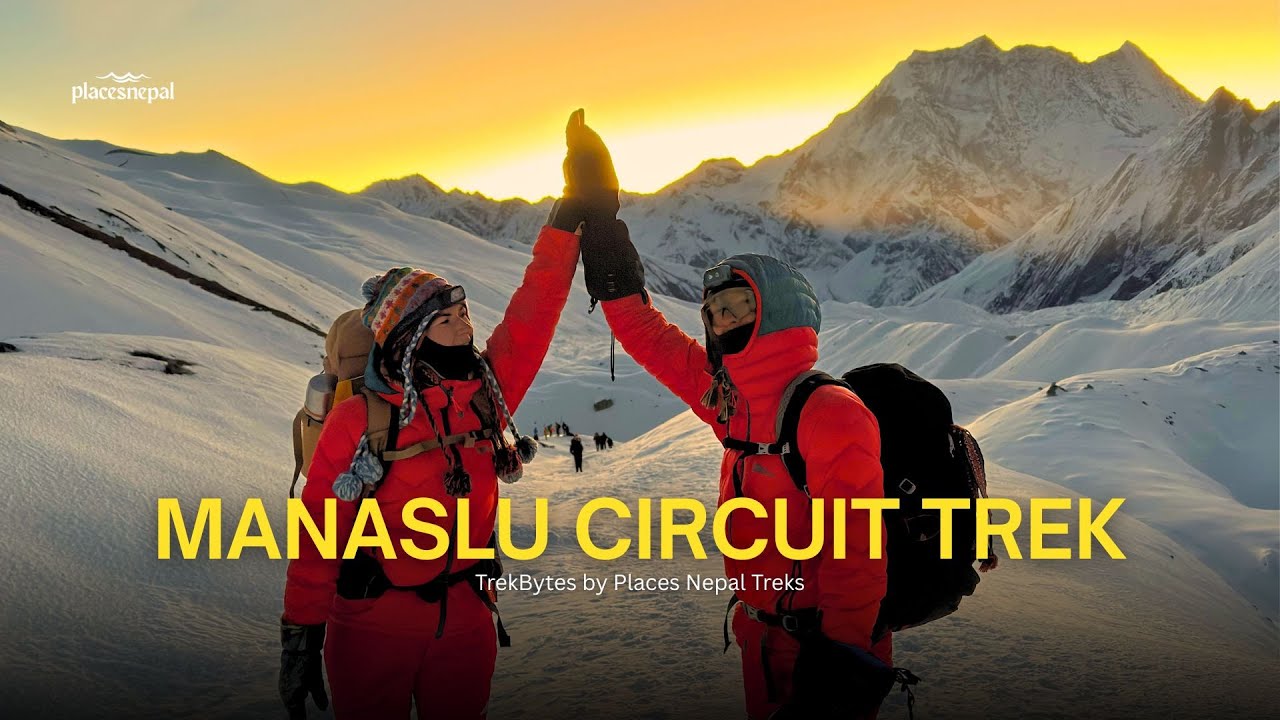
Dress in three layers you can add and remove: a base layer that moves sweat away from your skin, a mid layer that holds heat, and a shell that blocks wind and rain. On any trek that sleeps above about 3,000 m, add a warm insulated jacket for stops, mornings and evenings. Then add broken-in footwear, wool or synthetic socks, a warm hat, gloves and sun protection. What changes from route to route is how much insulation you carry, and that depends on your overnight altitudes, the month and how cold you run.
Nepal's trails climb fast, so one trek can ask for two wardrobes. In our Manaslu Circuit weather guide, October days in the low valley run 16 to 20°C, while nights in the pass zone (4,500 to 5,106 m) run -12 to -8°C. One thick jacket cannot cover that range. Layers can, because you adjust them through the day.
The base, mid and outer layer in short:
- Base layer: thin, snug and quick to dry. Merino wool or synthetic, not cotton.
- Mid layer: a fleece or light insulation that keeps warmth in while you walk and rest.
- Outer layer: a waterproof, breathable shell that blocks wind, rain and snow.
How we put this guide together. Advice on fabrics, layering and footwear is general outdoor guidance, checked against REI Expert Advice and against mountain-safety sources such as the UIAA, the US National Weather Service and the World Health Organization. Altitudes and temperatures for specific treks come from our own trip and weather pages. This guide covers Nepal trekking clothes for walking routes with lodge accommodation, which is what to wear in the Himalayas if you are not climbing a peak. It does not cover the technical equipment used on climbing peaks.
Trek the Everest Base Camp Trek
This classic trek takes you through the heart of the Khumbu region, past vibrant Sherpa villages, ancient monasteries, and towering Himalayan peaks.
Understanding Nepal's Trekking Weather and Temperature Changes
What to wear trekking in Nepal depends first on how cold you will feel, and three things decide that: how high you are, whether you are in sun or shade, and how hard the wind is blowing. The season sets the baseline, but altitude changes it faster than anything else.
Altitude. Air cools as you climb. The UIAA puts the drop at about 6°C for every 1,000 m, and National Weather Service course notes give 6.5°C per kilometre. Sun, cloud, snow cover and valley shape move real temperatures around that figure, so treat it as a rule of thumb. It still explains a lot. Namche Bazaar is at 3,440 m and Gorak Shep at 5,164 m, which makes Gorak Shep 1,724 m higher and roughly 10 to 11°C colder on the same day. Our Everest Base Camp weather guide says Namche is typically 10 to 15°C warmer than Gorak Shep and Base Camp, which fits. From Kathmandu (1,350 m) to Kala Patthar (5,545 m), the same rule gives a gap of about 25 to 27°C.
Day and night. Walking in sunshine at 4,000 m can feel mild. When the sun leaves the valley, the temperature drops quickly. Our Annapurna Base Camp weather guide gives ABC (4,130 m) as roughly 0 to 5°C by day and -8 to -4°C at night in March.
Sun, shade and exposure. A sunny corner of a village, a shaded forest trail and an open ridge can feel very different on the same morning. The National Weather Service notes that bright sunshine can raise the wind chill temperature by 10 to 18°F, which is roughly 6 to 10°C. Stepping from sun into shade, or from shelter into wind, is the moment most people need another layer.
Wind chill. Wind speeds up heat loss from exposed skin. The NWS index is built on a model of a human face, so it describes the risk to your cheeks, nose and hands, not the temperature inside your clothes. As an illustration, we ran the NWS formula for -12°C with a 25 km/h wind. It gives about -21°C on exposed skin. Read it as an example, not a forecast. The practical point is that a windproof shell and covered skin often do more than one more fleece.
Why you feel warm walking and cold at breaks. Walking uphill makes heat. When you stop, that source switches off while the sweat in your base layer starts to cool you. The NWS warns that wet clothing makes heat loss much faster, and notes that hypothermia deaths can occur at air temperatures between 30 and 50°F (about -1 to 10°C), more so when clothes are wet. Cold does not have to be extreme to cause trouble. Putting a layer on at the start of a break, before you feel cold, is the simplest habit to build.
Seasons. Months inside a season differ: November is colder than October, and March is colder than May. The seasons section below gives route examples.
Every temperature in this guide comes from our own route weather guides: Everest Base Camp, Annapurna Base Camp, Annapurna Circuit, Manaslu Circuit, Langtang Valley and Mardi Himal. Treat the figures as typical ranges, not forecasts. Each route has its own weather, so no single range applies to every trek.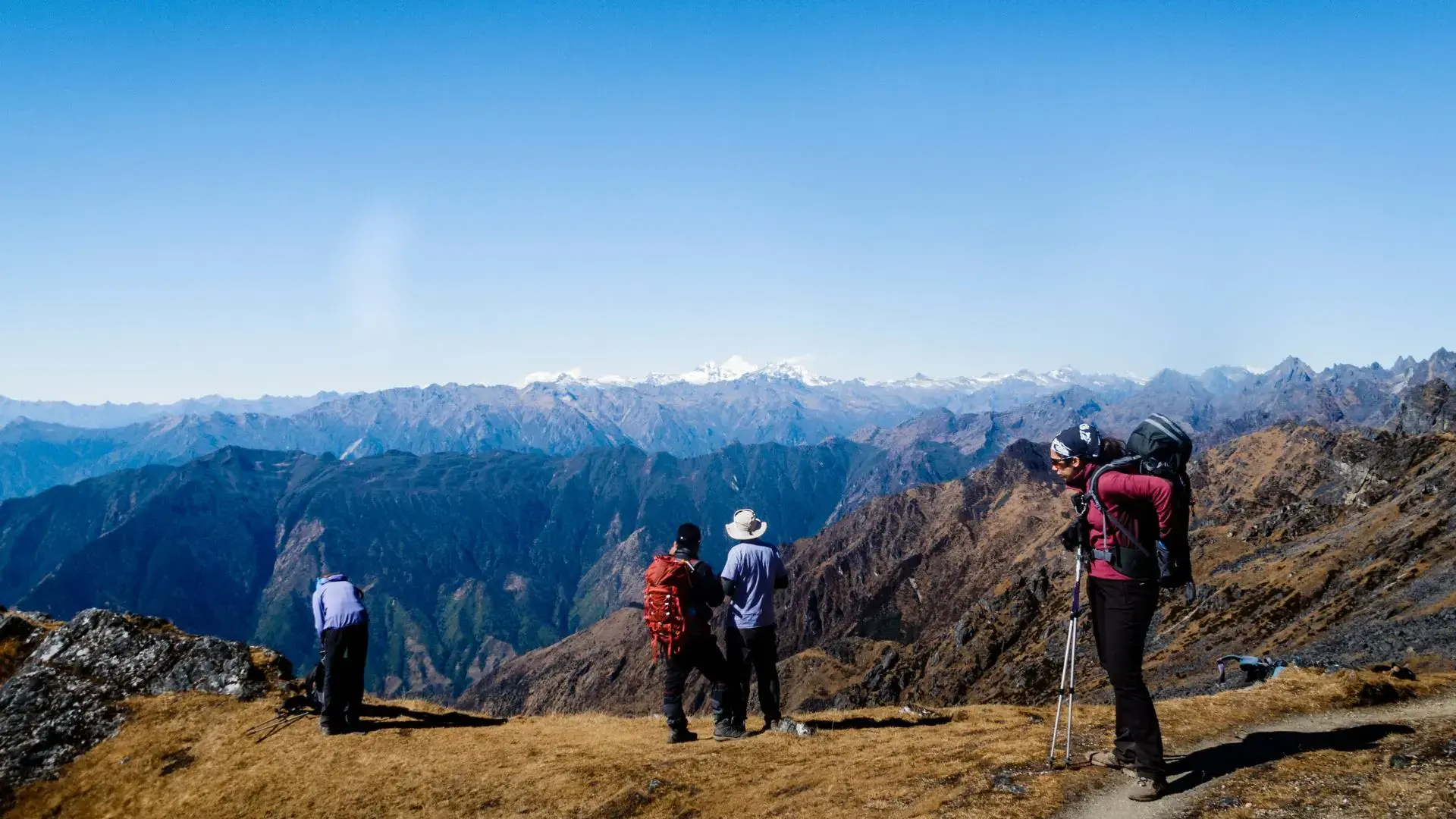
Photo: Trekkers on the way to Kanchenjunga Base Camp
The Layering System for Trekking in Nepal
The idea is simple. Several thin trekking layers that you add or remove as effort and weather change work better than one thick jacket you cannot regulate. REI describes the same three jobs: wick sweat off the skin, retain body heat, and shield you from wind and rain.
| Layer | Job | Common pieces | Fabric options | Common mistake |
|---|
| Base layer | Moves sweat away from skin | Long-sleeve top, thermal leggings | Merino wool, synthetic (polyester) | Wearing cotton, or a layer too loose to wick |
| Mid layer | Holds body heat | Fleece top, light insulated jacket | Fleece, synthetic insulation, wool | Wearing one very thick piece instead of two thin ones |
| Outer layer | Blocks wind, rain and snow | Waterproof breathable shell, rain trousers | Waterproof/breathable membrane or coating | Using a water-resistant windbreaker in real rain |
| Warm layer for stops | Heavy insulation over everything when you are not moving | Down or synthetic insulated jacket with hood | Down, synthetic fill | Packing it in the porter's bag instead of your daypack |
Base Layer: Your First Layer
A base layer sits against your skin and moves sweat outward so it can evaporate. It is not mainly there for warmth. REI notes that its main job is moisture management and that the insulating middle layer is the primary keeper of body heat.
Merino and synthetic each have a case, based on REI's comparison:
- Synthetic (usually polyester) feels the driest, is the most durable, and dries fastest. Odour can build up over several days unless the fabric has an anti-odour finish.
- Merino wool wicks well, but it keeps some moisture in the fibre, so it feels slightly less dry and takes longer to dry. It resists odour very well. It is moderately durable, and blends of wool and synthetic last longer.
On a 10 to 14 day trek where you may wear the same top for several days, merino's odour resistance helps. If you sweat heavily and want fast drying, synthetic wins. Either is far better than cotton.
Lightweight or midweight? A lightweight long-sleeve top covers most walking days in spring and autumn, protects your arms from sun, and works as a sleeping layer. Choose midweight if you feel the cold, if you trek in winter, or if you will sleep above 4,000 m. Thermal leggings under your trekking trousers are optional on warm lower routes. We treat them as standard for winter and for cold stages above about 4,000 m in spring and autumn. That is our recommendation, not a rule.
Why not cotton? REI says cotton is not recommended for active use because it absorbs sweat, saturates quickly and dries slowly. A damp cotton T-shirt under a fleece at 4,500 m stays cold against your skin every time you stop. Cotton is fine for Kathmandu and warm low trails.
Mid Layer: Insulation and Warmth
The mid layer traps the heat your body makes. Common choices:
- Fleece. Breathes well, so you are less likely to overheat while climbing. Wind blows through it, so it needs a shell over it in wind. A lightweight or grid fleece suits walking. A heavier one suits evenings and winter.
- Light insulated jacket. Synthetic or light down, worn on cold mornings and taken off once you warm up. Synthetic insulation keeps most of its warmth when damp, but it is heavier and packs larger than down.
- Two thin pieces instead of one thick one. A thin fleece plus a light insulated layer gives you three combinations. One thick fleece gives you one.
The best mid layer depends on the temperature, your effort and your own preference. Fit matters. REI advises that middle and outer layers should glide on and off, and that layers fitted too tightly over what is underneath make adjusting awkward and can restrict circulation.
For uphill walking, take the mid layer off before the steep section, not after you are soaked. At breaks, put it back on within a minute or two.
Outer Layer: Windproof and Waterproof Protection
The outer layer is a shell, a waterproof trekking jacket that blocks wind, rain and snow and lets sweat vapour escape.
Waterproof or water-resistant? REI uses "waterproof" for gear that keeps out driving rain, and "water-resistant" for gear that handles light rain for a short time, such as a windbreaker. In steady rain, a water-resistant jacket will soak through. REI also separates waterproof/breathable shells, which keep rain out and let sweat vapour escape, from waterproof but non-breathable gear such as ponchos. On an uphill day you can get as wet from sweat as from rain, so breathability matters.
Not every waterproof jacket performs equally. Test standards vary between brands, and two-layer, 2.5-layer and three-layer constructions differ in breathability and durability. A worn durable water repellent (DWR) finish makes the outer fabric soak up water, which feels cold and is often mistaken for a leak. Windproof jackets. A light windproof or soft-shell jacket can be enough on dry, lower sections in spring and autumn. REI notes soft shells are usually not fully waterproof. A waterproof shell also blocks wind, so many trekkers carry only the shell. On exposed passes it is your wind layer.
Rain trousers. These belong to the outer layer and are covered in the trousers section.
Easy on, easy off. You will put the shell on and take it off many times a day, so look for a hood that fits over a hat, a long front zip, cuffs that go over gloves, and underarm vents. Keep it at the top of your daypack.
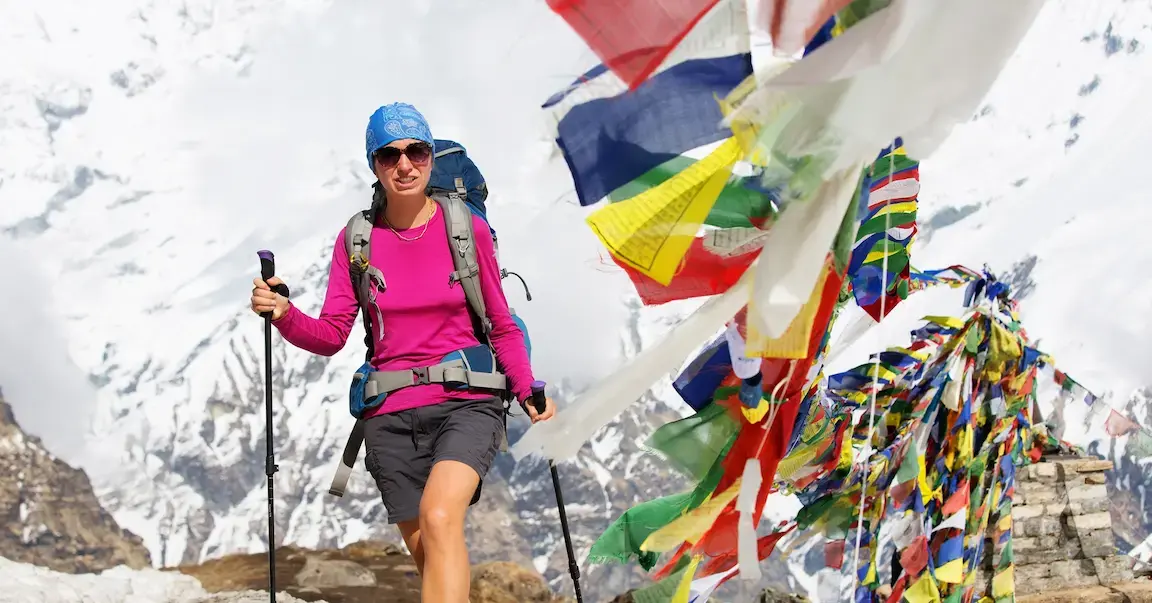
Photo: Trekker at Annapurna Base Camp
What Jackets Do You Need for Trekking in Nepal?
| Jacket | What it does | Best use | Status |
|---|
| Lightweight fleece | Breathable insulation | Walking days and evenings at altitude | Essential on most treks |
| Windproof jacket | Cuts wind, lighter than a full shell | Dry spring and autumn days on lower sections | Optional |
| Waterproof rain jacket (shell) | Blocks rain, snow and wind | Every season, every trek | Essential |
| Down jacket | Warmest for its weight, packs small | Mornings, evenings, stops and teahouse dining rooms above about 3,000 m | Essential above 3,000 m outside warm months; optional on warm, lower routes |
| Synthetic insulated jacket | Keeps warmth when damp, heavier and bulkier | Wet seasons, heavy sweaters, or as a down alternative | Choose down or synthetic, not both |
Which jackets are essential? For treks that sleep above about 3,000 m, we would carry a shell, a fleece and one warm insulated jacket. Our itineraries show where that height starts: Ghorepani at 2,860 m and Annapurna Base Camp at 4,130 m on the Annapurna Base Camp Trek, Namche at 3,440 m on the Everest Base Camp Trek, Samagaun at 3,530 m on the Manaslu Circuit Trek, and Kyanjin Gompa at 3,870 m on the Langtang Valley Trek. At those stops, mornings and evenings in autumn, winter and spring are cold enough that an insulated jacket is the first thing most trekkers reach for. On lower, warmer routes in spring and autumn, a fleece and shell may be enough. Check the overnight altitudes before you decide.
Why an insulated jacket matters most at stops. When you are walking, your body makes heat. When you stop at a viewpoint, a tea break or the dining room, that heat disappears quickly. The insulated jacket goes over everything. Keep it in your daypack, not in the bag a porter carries, because the main bag may be hours away from you during the day.
Down or synthetic? REI's comparison is the clearest summary. Down is extra warm, light and compressible, but it stops insulating well when wet and takes a long time to dry. Synthetic insulation keeps warmth when damp, dries quicker, and is heavier and bulkier. A down jacket for Nepal trekking is a sound choice in the cold, dry conditions of most seasons. If you expect wet weather, or you sweat heavily in your insulated layer, synthetic is safer.
Fill power is not warmth. Down jackets are sold with numbers such as 650 or 800 fill power. REI defines fill power as the volume, in cubic inches, that one ounce of down fills. A higher number means loftier down that compresses smaller. It does not tell you how warm the jacket is. REI gives the example that a 900-fill-power jacket with only 30 g of down will not be warmer than a 450-fill-power jacket with 100 g. Warmth depends on fill weight, how the down is distributed in the baffles, the hood and collar, and fit. Choose a jacket with a hood and enough fill, and one that fits over your fleece without gaps, rather than chasing the highest number.
No expedition down suit. Expedition parkas and down suits are made for the high camps of climbing peaks. Everest Base Camp and Larkya La are trekking routes with lodge stays. A good trekking down jacket is the right tool.
What Trousers Should You Wear for Trekking in Nepal?
- Trekking trousers. Quick-drying nylon or polyester with some stretch, deep zip pockets and room at the knee. Two pairs cover a 10 to 14 day trek. Avoid heavy cotton.
- Convertible trousers. The zip-off legs help on routes that start in warm valleys and climb into cold air. The zips can rub on long days, so try them on a walk before you travel.
- Shorts. Fine on warm, lower sections in spring and autumn. Our Langtang Valley weather guide gives October daytime temperatures of 15 to 20°C at Syabrubesi (1,503 m). Pack them as an optional extra, and read Clothing Off the Trail below for village norms.
- Thermal leggings. Worn under trekking trousers on cold mornings, on stages above about 4,000 m, and in winter. They double as sleepwear if you keep them dry.
- Waterproof overtrousers. Light, packable, with side zips so you can pull them over boots. See the FAQ on whether you need them. They also block wind on passes.
- Insulated trousers. Mostly an expedition item. For EBC or Larkya La, thermal leggings plus trekking trousers, with fleece or sleepwear trousers for the evening, are enough for most people.
Because thermals and overtrousers go on and off, one set of trekking trousers covers a route that starts warm and ends cold.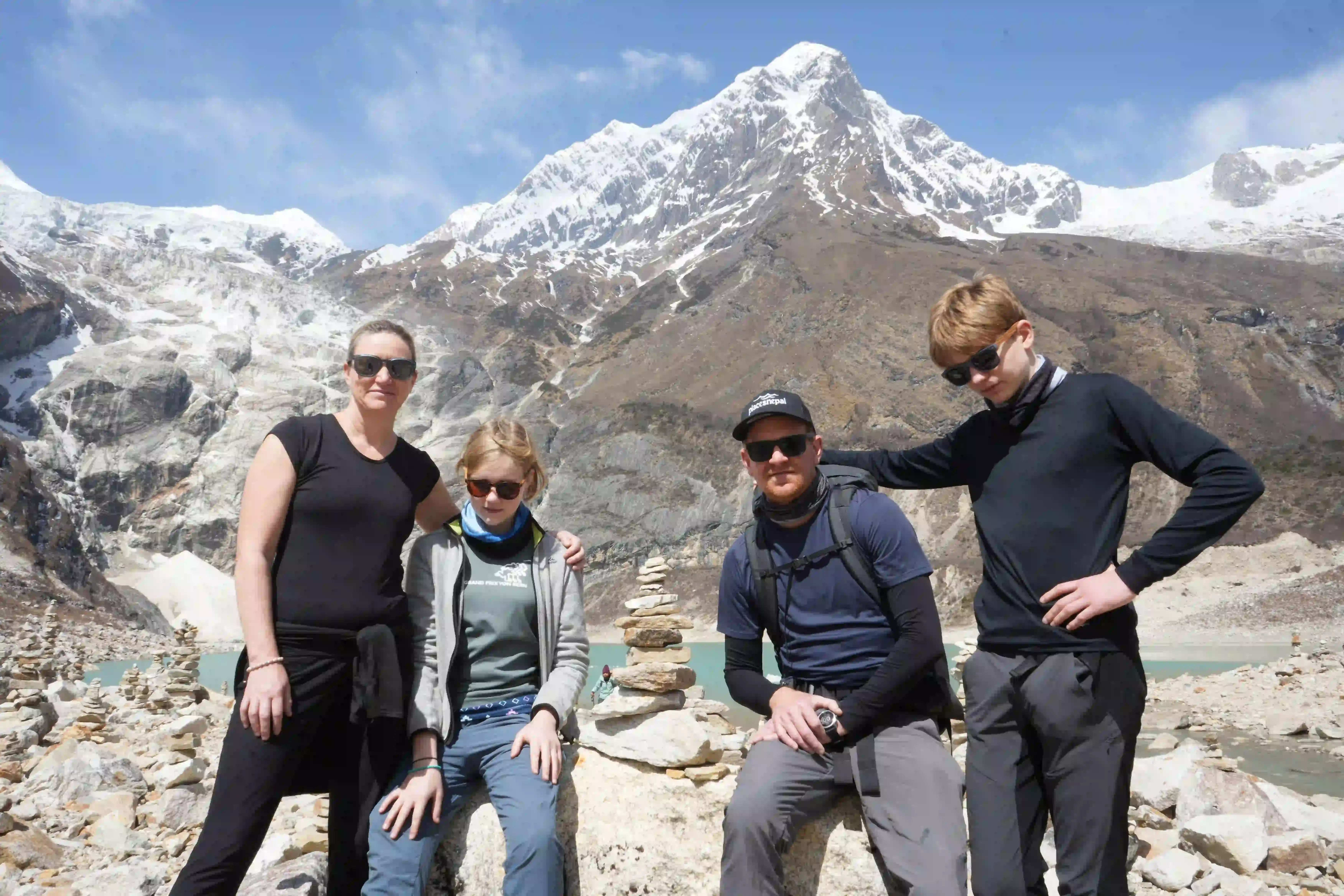
Photo: Hikers at Birendra Lake
What to Wear on Your Feet
Footwear is the one clothing choice you cannot fix quickly in Kathmandu, because fit and break-in take time. The best shoes for trekking in Nepal are the ones that fit your feet and that you have already walked in. The boot-versus-shoe comparison below is general outdoor guidance from REI. The route recommendations are ours.
Trekking Boots or Trail Shoes?
| Option | Strengths | Weaknesses | Suits |
|---|
| Mid-height trekking boots | Ankle support, stable on uneven stone, protective, warmer, usually waterproof | Heavier, less breathable, need a break-in period | Winter, snow, cold or wet trails, high passes, heavier packs, trekkers with weak ankles |
| Low-cut hiking shoes | Lighter and more breathable, little or no break-in, dry faster | Less protection and warmth, less support under load | Warm, dry months on well-built trails with a light daypack |
| Trail-running shoes | Lightest, most breathable, fastest drying, no break-in | Less support, wear out sooner (REI suggests around 500 miles), less suited to cold | Dry spring or autumn trekking with a light pack, for people already used to them |
What we suggest for ordinary Nepal routes. On the standard spring and autumn routes in this guide, a sturdy mid-height boot or a stiff-soled hiking shoe that you have already walked in is the safe choice. Many trekkers are comfortable in good trail shoes when they carry only a daypack on dry, well-made trails. We would not choose trail runners for winter, for snow on a pass, or if you roll your ankle easily. For Larkya La, Thorong La and winter treks, choose boots with a stiff sole and room for warm socks. You do not need mountaineering boots for either pass.
Waterproof or not? A waterproof membrane keeps out slush, snow and rain. REI also points out that it makes a boot less breathable, and that it may be unnecessary in dry climates. In dry spring and autumn weather, a breathable boot with a good sock can be more comfortable than a fully waterproof one. In winter, monsoon or snow, waterproof is worth having.
Fit and break-in. Your boots should be snug everywhere but tight nowhere, with room to wiggle your toes. REI notes that feet swell during the day, so try boots on late in the day with the socks you will wear. UIAA lists tight footwear among the things that restrict blood flow and promote frostbite, so do not overtighten laces on cold days. Break in stiff boots on real walks, including a few long days with a loaded daypack, well before you fly.
Trekking Socks
- Material. REI's footwear specialists recommend wool above all others. It regulates temperature, cushions the foot and resists odour. Most hiking socks are a merino blend with nylon for durability. Polyester and nylon dry faster. Cotton absorbs sweat, saturates quickly and dries slowly, which is a recipe for blisters.
- Cushioning. REI describes light cushioning as the most versatile, medium as a good choice for hiking and backpacking and cooler weather, and heavy as suited to long miles and cold temperatures. For most Nepal days, midweight merino-blend socks are a sensible default. Add one heavier pair for the coldest stages.
- Fit. Socks that are too big wrinkle and rub. Socks that are too small create pressure points. REI suggests sizing down if you are between sizes. Do not wear socks so thick that your boots become tight.
- Spares. Three to four pairs of walking socks, plus one warm pair for sleeping. Rotate them, pin damp pairs to the outside of your daypack in the sun, and keep a dry spare pair in a waterproof bag.
- Liner socks. Optional. REI notes that many hiking socks need no liner, but liners can help when a boot feels slightly big.
- Blister prevention. Fit comes first. Change into dry socks when your feet get wet, and treat hot spots as soon as you feel them.
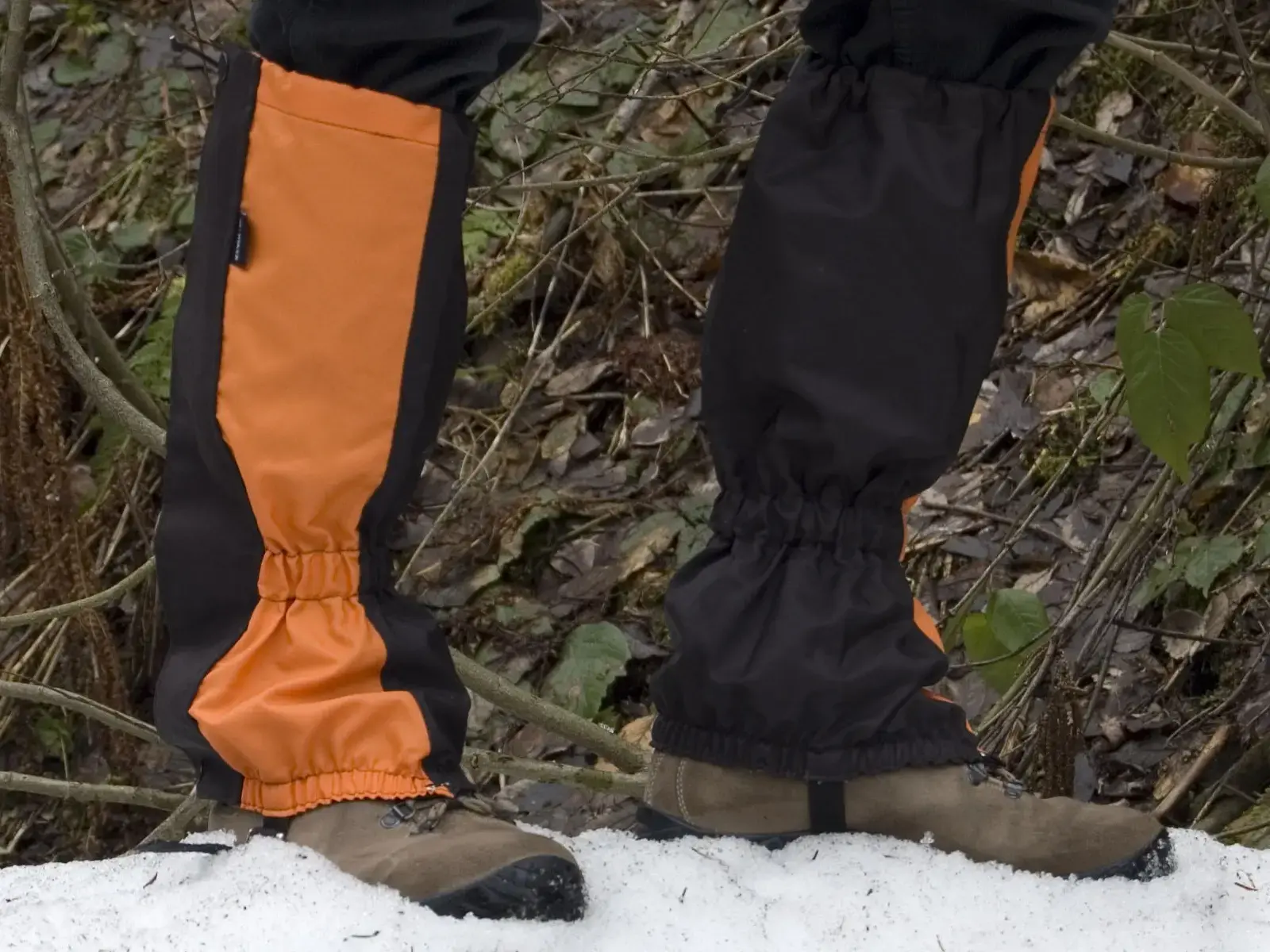
Photo: Hiking shoes and Gaiters
Gaiters and Waterproof Protection
Gaiters cover the gap between your boot and your trousers. REI says they keep snow, mud, grit and rain from dripping into your boots, but only if they seal tightly at the top of the boot. They are not waders. If you step into deep water, it will still get in.
When they are useful. Snow on high passes and in winter. Mud and wet grass in the monsoon. Fine dust and grit on dry trails, for which a low gaiter is enough. On lower forested trails in the monsoon, leeches are common, and gaiters with trousers tucked in help keep them out.
When you can skip them. Gaiters are not compulsory. On dry spring and autumn trails to Everest Base Camp, Annapurna Base Camp or Langtang, many trekkers never put them on. If snow is possible on your route, a lightweight pair weighs little, and you can ask us what conditions to expect for your dates.
Fit. REI says a half-inch of overlap over the boot is generally enough. Taller gaiters protect more but are warmer, so choose the height by conditions. Try them on with your boots.
Accessories and Small Items You Should Wear
| Item | Why you need it | Status |
|---|
| Warm hat or beanie | Cold mornings, evenings and sleeping; it goes on and off in seconds | Essential |
| Sun hat or cap with a brim | Sun on the face and neck at altitude | Essential |
| Buff or neck gaiter | Sun, dust and wind; pulls up over face on cold or windy stages | Essential |
| Sunglasses | UV protection for eyes | Essential |
| Sunscreen and lip balm with SPF | UV rises with altitude | Essential |
| Lightweight liner gloves | Handle poles, cameras and zips with light warmth | Essential |
| Insulated gloves or mittens | Cold mornings, passes and winter | Season-dependent |
| Headlamp with spare batteries | Pre-dawn starts, power cuts, night toilet trips | Essential |
| Balaclava | Winter and very cold, windy mornings | Optional |
Sun protection matters more than it feels like it should. The World Health Organization says UV levels rise by approximately 10 per cent with every 1,000 m of altitude, because the thinner air absorbs less UV. Counted that way, Everest Base Camp gets roughly 40 per cent more UV than Kathmandu, even though the air feels cold. WHO also notes that snow and other reflective surfaces add to your exposure. Cold air hides the heat, so you can burn without noticing. Wear sunglasses that block UV, and put sunscreen on your nose, ears and the underside of your chin.
Two pairs of gloves beat one thick pair. Thin liner gloves let you work a camera or a zip, while a warmer pair goes over them for cold mornings and passes. Bring a spare liner pair, because gloves get wet and lost.
Headlamp. Cold drains batteries faster, so carry spares and keep them in an inside pocket.
Trek the Tsum Valley Trek
Discover the Tsum Valley trek, a remote Himalayan journey through a sacred, restricted valley. Explore the full itinerary, trail map, and package pricing before you book your adventure.
What to Wear When Trekking in Nepal by Season
| Season | Typical conditions | Base layer | Insulation | Outer layer | Feet and hands |
|---|
| Spring (March to May) | Warming through the season, cold nights above about 3,500 m, showers more likely later | Lightweight top, thermal leggings for high nights | Fleece and insulated jacket | Shell every day; rain trousers optional | Boots or sturdy shoes; liner gloves, warm gloves for early March and high stages |
| Summer and monsoon (June to August) | Warm, humid and wet on lower trails; cloud hides views; leeches; drier in rain-shadow areas | Quick-dry synthetic, no cotton | Light fleece; a light insulated layer for high nights | Fully waterproof shell and rain trousers | Quick-drying or waterproof footwear; gaiters; spare dry socks |
| Autumn (September to November) | Clear and stable, warm days, cold nights; November colder than October | Lightweight to midweight | Fleece and insulated jacket | Shell | Boots; warm hat and gloves; thermal leggings above about 4,000 m |
| Winter (December to February) | Cold, short days, snow; high passes may close | Midweight top and bottom | Fleece and warm insulated jacket with hood | Shell, with windproof or waterproof trousers | Boots, gaiters, insulated gloves or mittens, balaclava |
Spring (March to May)
Spring starts cold and ends warm. Our Everest Base Camp weather guide describes Namche daytime temperatures running from around 2°C in early March to 17°C by May, with nights well below freezing above 4,000 m even at the warmest point of the season. Our Annapurna Base Camp guide puts ABC at roughly 0 to 5°C by day and -8 to -4°C at night in March. By May it gives about 14°C on a warm afternoon, along with building humidity. On the Manaslu Circuit, our guide gives March days of 0 to 5°C and nights of -10 to -5°C in the 3,500 to 4,500 m zone.
So you can walk in a T-shirt on the lower sections and need a fleece and an insulated jacket by evening. Carry the shell every day, because showers and wet snow are possible higher up. Pack a midweight base layer and warm gloves if you go in March or early April. Read our month guides for Everest Base Camp in April and Annapurna Base Camp in April for more route detail.
Summer and Monsoon (June to August)
Most of the routes in this guide are walked in spring and autumn, and each trip page lists the seasons we run it. If you trek in the monsoon, or on a rain-shadow route, the clothing priorities change.
- Rain protection. A fully waterproof shell and rain trousers. A pack liner or dry bags keep spare clothing dry.
- Quick-drying, breathable layers. Synthetic tops and trousers. Cotton stays wet.
- Footwear. Waterproof boots keep out puddles but dry slowly if water gets in over the top. Quick-drying shoes with gaiters can suit constant wet. Either way, protect your skin from rubbing in wet socks.
- Humidity and wet trails. Expect leeches on lower forest sections and slick stone steps.
- Spare dry clothing. Keep one dry set of sleep clothes in a sealed bag that you do not wear on the trail. Dry clothes at night are what keep you warm.
Rain-shadow sections are drier. Our Annapurna Circuit weather guide puts June daytime temperatures in the upper rain shadow in the low-to-mid 20s°C. Altitude still cools the nights, so keep a warm layer for high stops.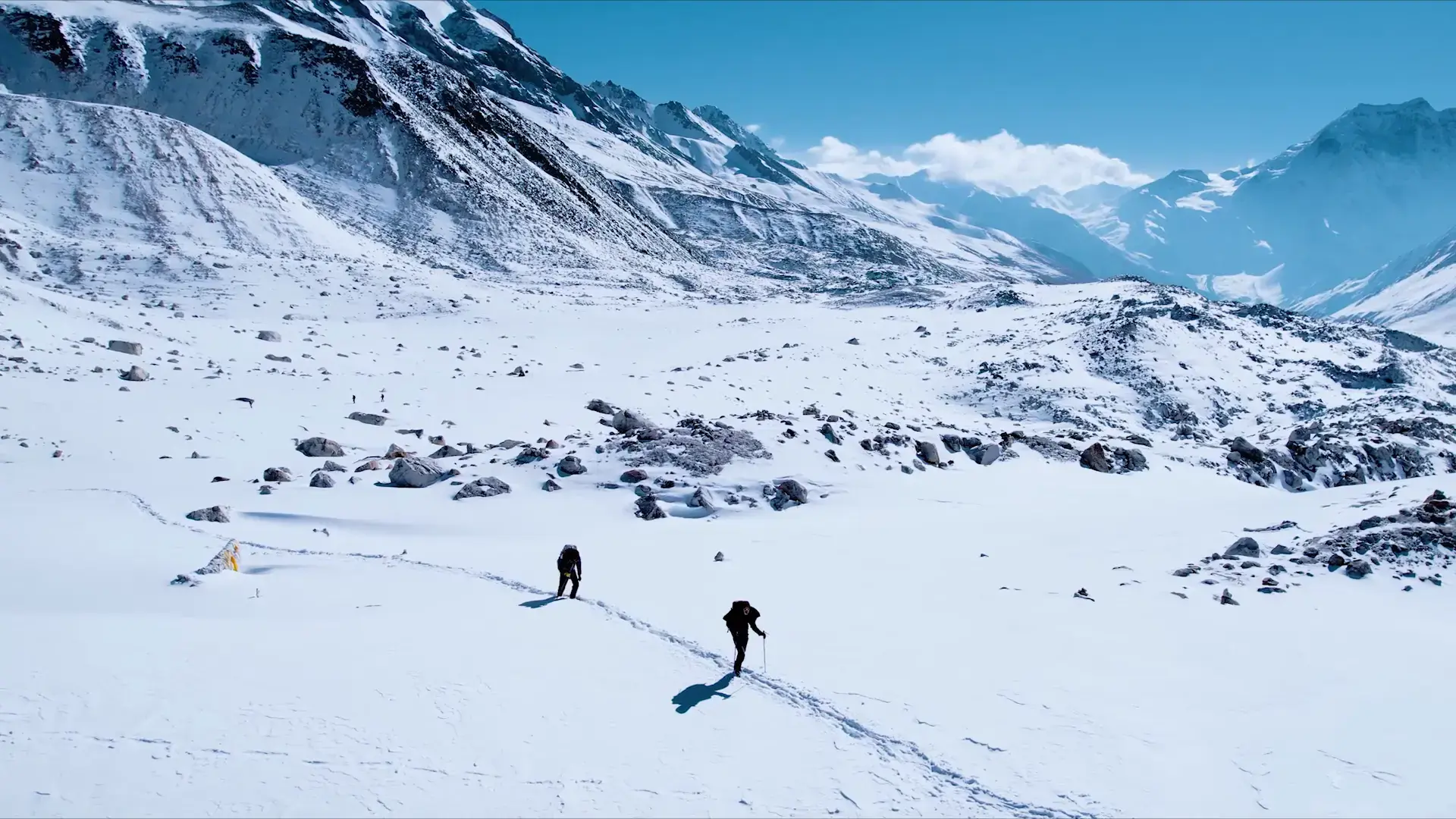
Photo: Trekkers crossing Larke Pass
Autumn (September to November)
Autumn brings the most stable conditions, with warm days and colder nights. The difference between October and November is large. For example:
| Route (our weather guide) | October night | November night |
|---|
| Manaslu pass zone (4,500 to 5,106 m) | -12 to -8°C | -15 to -10°C |
| Annapurna Base Camp area | -5 to -10°C | -7 to -12°C |
| Kyanjin Gompa, Langtang (3,870 m) | -8 to -13°C | -10 to -16°C |
Late November behaves like early winter above 4,000 m. Pack as for winter if your dates fall then. See our guides to Everest Base Camp in October and November, and Annapurna Circuit in November.
Winter (December to February)
Winter means cold mornings and evenings, short days and a real chance of snow. Our guides give a sense of the scale:
- Manaslu Circuit, January: pass zone days of -10 to -5°C and nights of -25 to -15°C. Our guide also notes that closure risk on Larkya La remains real through most of February.
- Langtang, January: Kyanjin Gompa nights of -18 to -22°C.
- Annapurna Base Camp, January: ABC nights commonly drop to around -15°C.
- Everest Base Camp, December to February: Namche nights of -15 to -8°C, and considerably colder near Gorak Shep and Base Camp.
- Annapurna Circuit, January: Thorong La nights below -15 to -20°C.
For winter we would carry the kit in the seasonal table above, plus boots (not trail shoes) and gaiters when snow is likely. Your guide decides whether and when to cross a high pass based on conditions, not on what you are wearing. See Annapurna Circuit in winter, Everest Base Camp in December, and Annapurna Base Camp in winter.
What to Wear at High Altitude in Nepal
What to wear for high altitude trekking in Nepal changes in two steps, around 3,000 m and 4,000 m. We use those as working thresholds because high altitude trekking clothes visibly change there. They are not medical lines, and your body does not switch at a set height.
Low oxygen does not call for a particular garment. Altitude affects what you wear through cold, wind and sun.
Above about 3,000 m. Nights approach or fall below freezing for much of the trekking year. Our Manaslu guide gives October nights of 2 to 6°C in the 2,000 to 3,500 m zone, and our Mardi Himal guide gives High Camp (about 3,550 m) nights of -5 to 0°C in October and -8 to -3°C in November. Carry a base layer, fleece and shell, and put the insulated jacket on for mornings, evenings and every break. Keep a warm hat and liner gloves within reach.
Above about 4,000 m. Our guides show nights well below freezing in the main seasons at the highest stops, such as -8 to -4°C in the 3,500 to 4,500 m zone of the Manaslu Circuit in October. Add thermal leggings, a hooded insulated jacket, insulated gloves or mittens and a warm pair of socks. Rooms are unheated. UV is stronger, and you can burn on a cold day.
What matters at this height:
- Cold and wind. A shell over your insulation cuts wind. Pull a buff over your face on exposed ridges.
- Fast swings between work and rest. Carry the warm layer for stops in your daypack, not in the main bag, which a porter may carry ahead of you.
- Staying dry. Vent before you sweat heavily, and change out of a wet base layer at the next stop.
- Hands, feet, ears and face. These are the first to go cold. Keep them covered and keep gloves and socks dry. The UIAA lists improper equipment, dampness, wind, dehydration, altitude, restricted blood flow (from tight clothing or boots) and tobacco among the factors that promote frostbite. Damp clothing, tight boots and dehydration are within your control.
Trek the Manaslu Circuit Trek
A remote and off-the-beaten-path Himalayan adventure in Nepal. The trek covers roughly 126 km (78.2 miles) and involves 5–7 hours of hiking per day through villages, forests, and the Larkya Pass
Examples from four routes
Everest Base Camp. Our 14-day itinerary sleeps at Dingboche (4,,910 m) and Gorak Shep (5,164 m). Base Camp is 5,364 m and Kala Patthar is 5,545 m. Our accommodation guide says rooms are unheated at every altitude on the route. Our weather guide gives Namche autumn nights of -10 to 6°C. Gorak Shep is about 10 to 11°C colder than that by the rule of thumb above. For a cold Kala Patthar climb, we suggest dressing at the lodge: thermal leggings, insulated jacket, shell if windy, hat, liner and warm gloves, and a buff.
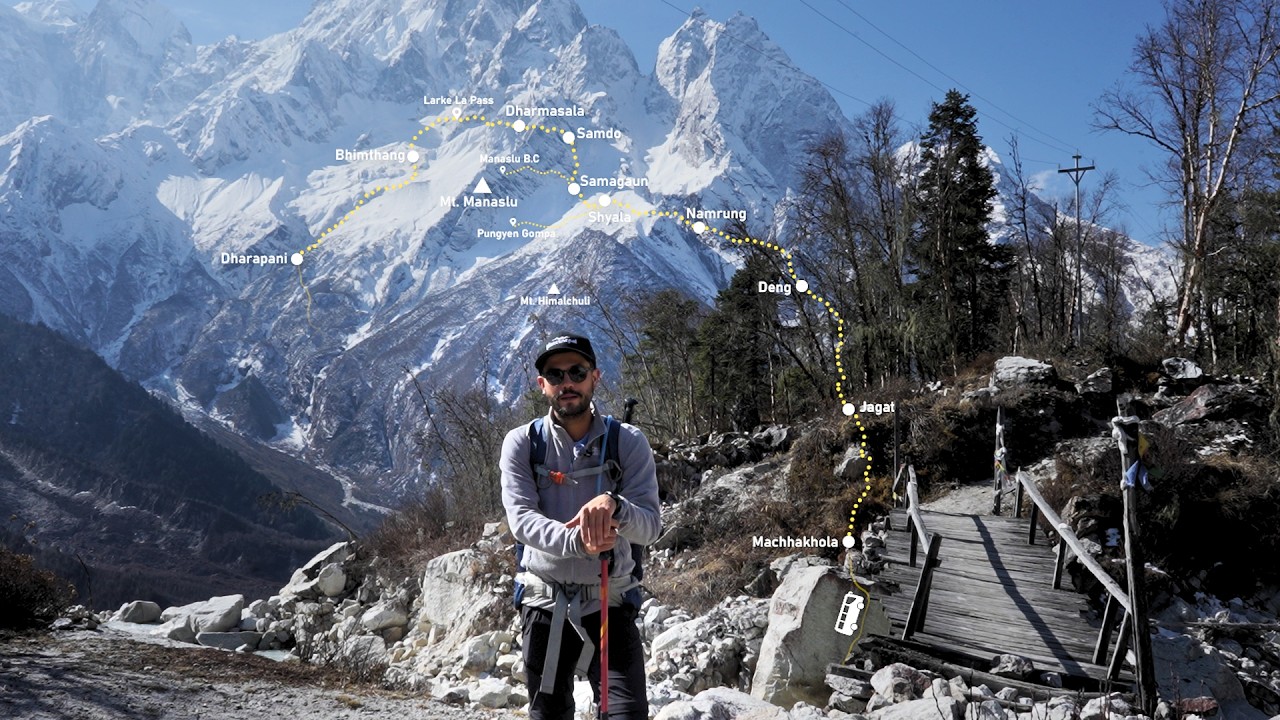
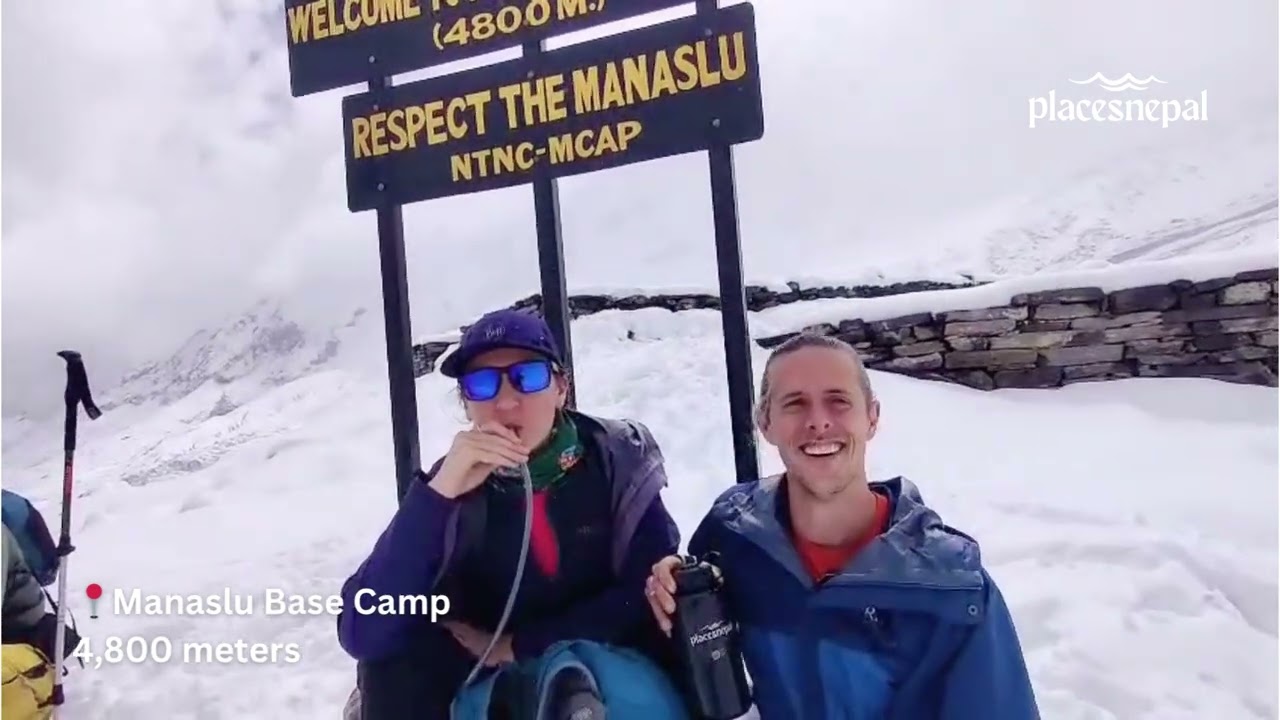
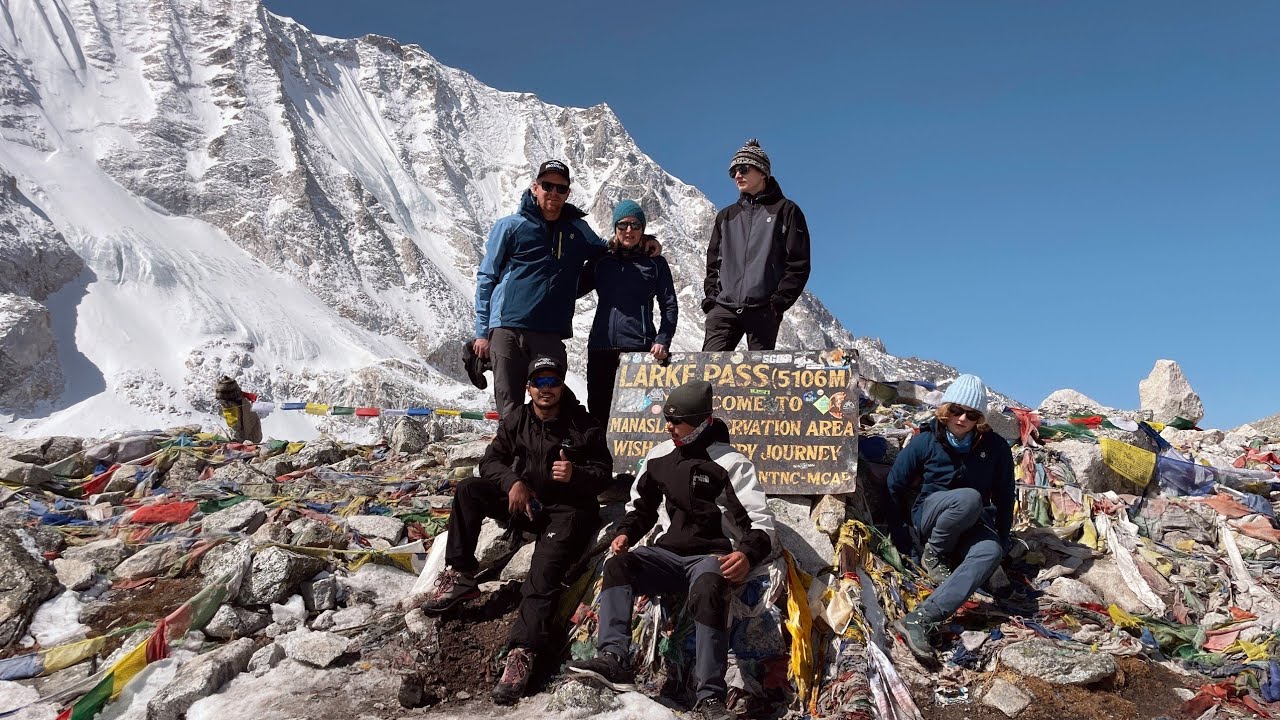
Manaslu Circuit and Larkya La. The 12-day itinerary sleeps at Dharamsala (Larkya Phedi) at 4,460 m before crossing Larkya La at 5,106 m. Expect no in-room heating at Dharamsala. Our weather guide gives pass-zone days of -2 to 3°C and nights of -12 to -8°C in October, and days of -4 to 0°C and nights of -15 to -10°C in November. The route starts at Machha Khola (890 m), so you need both ends of the range. On pass day, we suggest starting in base layer, fleece, insulated jacket and shell, with hat, buff and insulated gloves, and removing layers as the sun reaches the trail. Our Manaslu packing list covers the rest of the route kit.
Annapurna Base Camp. ABC sits at 4,130 m and Machhapuchhre Base Camp at 3,700 m. Most of the route is mild. The cold concentrates in the last stages. Our weather guide gives the ABC area as 5 to 16°C by day and -5 to -10°C at night in October, and nights of around -15°C in January. Pack the full cold kit even though the route is short.
Annapurna Circuit and Thorong La. Thorong La, at 5,416 m, is the highest point of the 10-day itinerary. The stage before it is Thorong Phedi at 4,525 m (High Camp is at 4,880 m). Our weather guide gives Thorong La daytime temperatures of roughly -5 to 5°C in spring and autumn, and January nights below -15 to -20°C. From Manang (3,540 m) to the pass is a 1,876 m climb, so expect about 11 to 12°C colder air at the top by the rule of thumb. The pass is an exposed crossing, so wind protection matters: a shell, a buff, a hat that stays on and gloves with a windproof outer.
Trekking Is Not Technical Mountaineering
Everest Base Camp, Annapurna Base Camp and the Manaslu and Annapurna circuits are walking routes with lodge accommodation. Expedition down suits, double boots, crampons, harnesses and ice axes belong to climbing peaks, and they are not part of standard trekking kit. Himalayan trekking clothes for these routes are ordinary cold-weather hiking clothing scaled to the altitude. Mountain trekking clothing does not mean expedition gear, and peak climbing has its own equipment lists.
Clothing Is One Part of Staying Safe
Clothing holds heat in and keeps wind and water out. It does not prevent altitude illness, frostbite or hypothermia on its own. Those depend on acclimatising slowly, eating and drinking enough, watching the weather, and turning back or waiting when conditions say so. Read our altitude guides for Everest Base Camp and the Manaslu Circuit, and our emergency and rescue guide.
What Should You Wear for Trekking in Nepal at Night?
Bedrooms in mountain teahouses are cold. Our Everest Base Camp accommodation guide says rooms are unheated at every altitude on that route, and the Dharamsala lodge on the Manaslu Circuit has no in-room heating either. Most people spend the evening in the dining room, wearing their daytime insulation.
What to sleep in. A dry thermal top and bottom that you keep only for sleeping, warm socks and a hat. Keep a fleece or your insulated jacket within reach of the bed. We do not suggest sleeping in every layer you own. Too much clothing can make you sweat, and damp clothing chills you later. Dry, comfortable sleepwear plus a bag rated for the coldest night you expect does the job.
The sleeping bag matters more than extra clothing. Compare its rating with the coldest nights in our weather guides for your route and month. Our Nepal trekking packing list covers sleeping bags.
Camp shoes. Lightweight shoes or sandals and warm socks let your feet recover and your boots air out.
Drying. Do not leave wet clothes outside overnight, because they freeze. Hang them in the dining room if the lodge allows it. At higher stops clothes dry slowly in cold air, so plan to rotate and air your items instead of relying on washing.
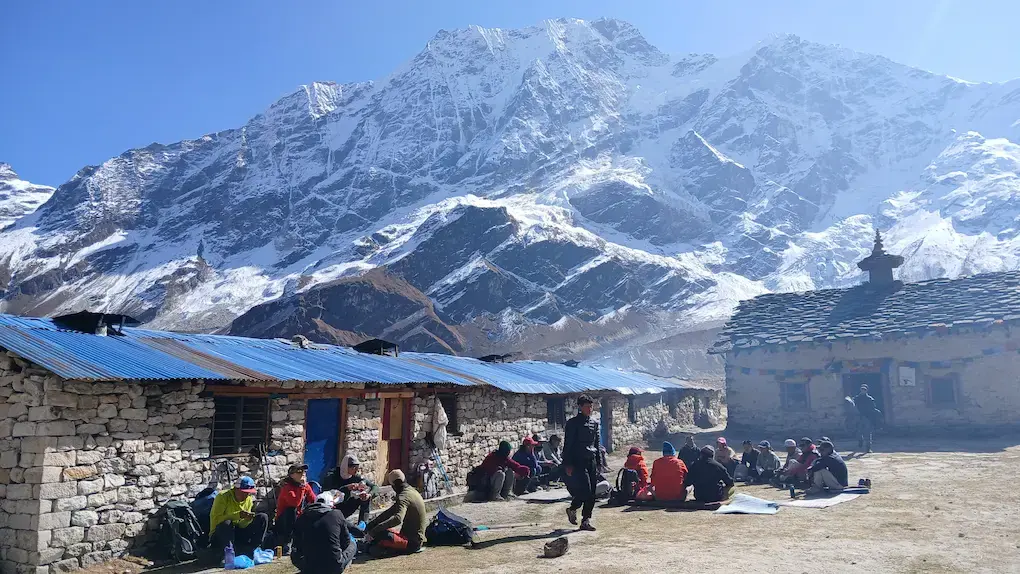
Photo: Trekkers resting at Pungyen Gompa
Clothing Off the Trail: Villages, Monasteries and Kathmandu
Modest dress is the norm in villages and at monasteries. Covered shoulders and knees are a safe default, and very short or sheer clothing draws attention. Trekking trousers, a T-shirt or long-sleeve top, and a light scarf or buff work well. Our cultural etiquette guide covers what is expected in more detail. In Kathmandu, bring one set of ordinary clothes for city days, and ask your hotel about storing bags you will not take on the trek.
What Clothes Should You Avoid Wearing?
| Avoid | Why |
|---|
| Cotton T-shirts and hoodies as a base layer | Cotton absorbs sweat and dries slowly, so it stays cold against your skin every time you stop |
| Jeans | Heavy, restrict your legs on steps, dry slowly and are cold when damp |
| Cotton socks | They absorb sweat and saturate, which leads to blisters |
| Heavy garments that dry slowly | A thick sweatshirt will not dry overnight in a cold lodge room |
| Poorly fitted or brand-new boots | They cause blisters and pressure. REI says stiff boots need a break-in period, and the UIAA lists tight footwear as a frostbite risk factor |
| Non-breathable rain gear, such as a plastic poncho, for uphill walking | Sweat cannot escape, so you end up wet from the inside. REI separates breathable waterproof shells from non-breathable gear |
| Expedition items such as down suits and double boots | Heavy, costly and not needed on trekking routes |
| Too many "just in case" items | Porter and flight baggage limits apply, and you will wear the same few layers every day |
How Many Clothes Should You Pack for a Nepal Trek? The quantities below suit a 10 to 14 day trek. They are a starting point. Adjust them for laundry access, trek length, season, personal preference and your porter or baggage arrangement. Check your trip's baggage limits, and see our guide to hiring a guide and porter. | Clothing item | Suggested quantity | Purpose |
|---|
| Base-layer tops (long sleeve) | 2 (3 in winter) | Wick sweat; one to wear, one to rotate | | Base-layer bottoms (thermal) | 1 pair (2 in winter) | Cold mornings, stages above about 4,000 m | | Trekking shirts (quick-dry) | 2 to 3 | Warm lower sections, sun cover | | Trekking trousers | 2 | One to wear, one to rotate | | Fleece or mid layer | 1 (2 in winter, one light and one heavy) | Insulation while walking and in the evening | | Insulated jacket | 1 | Stops, mornings, evenings | | Waterproof shell | 1 | Wind, rain, snow | | Waterproof trousers | 0 to 1 | Rain, wet snow, wind on passes | | Underwear (quick-dry) | 3 to 4 | Wash and rotate | | Trekking socks | 3 to 4 pairs | Rotate; blister prevention | | Warm socks | 1 pair | Cold stages and sleeping | | Liner gloves | 1 pair (2 if you often lose gloves) | Light warmth; handle poles and cameras | | Insulated gloves or mittens | 1 pair | Cold mornings, passes, winter | | Warm hat | 1 | Cold mornings, evenings, sleeping | | Sun hat or cap | 1 | Sun protection | | Buff | 1 to 2 | Sun, dust, wind, cold | | Sleeping clothes | 1 set (thermal top and bottom) | Dry layer reserved for night | | Camp shoes | 1 pair | Rest your feet in the lodge | | Gaiters | 0 to 1 | Snow, mud or wet conditions |
Clothing Recommendations for Popular Nepal Treks Use the table to compare what to wear on the Everest Base Camp trek, the Manaslu Circuit trek and four other routes. It uses durations and altitudes from our current trip pages. Temperatures come from each route's weather guide, which gives our typical ranges, not forecasts. Every route has different weather. | Trek | Altitude exposure | Cold-weather clothing needs | Insulated jacket | Waterproof protection | Special considerations |
|---|
| Everest Base Camp Trek (14 days) | Sleeps up to Gorak Shep at 5,164 m. Base Camp 5,364 m, Kala Patthar 5,545 m | Nights well below freezing from Dingboche (4,410 m). Namche autumn nights of -10 to 6°C; our guide puts Gorak Shep and Base Camp typically 10 to 15°C colder than Namche | Essential, with hood | Shell essential; rain trousers season-dependent | Unheated rooms; cold early climbs; keep insulation in the daypack | | Manaslu Circuit Trek (12 days) | Sleeps up to Dharamsala at 4,460 m. Larkya La 5,106 m | Pass-zone nights of -12 to -8°C in October and -15 to -10°C in November | Essential | Shell essential; rain trousers season-dependent | Widest temperature range, from 890 m to the pass. No in-room heating at Dharamsala. Pass closure risk in winter | | Annapurna Base Camp Trek (10 days) | Machhapuchhre Base Camp 3,700 m, ABC 4,130 m, Ghorepani 2,860 m | ABC-area nights of -5 to -10°C in October and -7 to -12°C in November | Essential for the highest nights | Shell essential; rain trousers useful in spring | Mild lower route, cold final stages. Pack for both | | Annapurna Circuit Trek (10 days) | Manang 3,540 m, Thorong Phedi 4,525 m. Thorong La 5,416 m | Thorong La days of -5 to 5°C in spring and autumn; January nights below -15 to -20°C | Essential | Shell essential; rain trousers season-dependent | Exposed pass crossing; wind protection and warm hands. Climate changes along the route | | Mardi Himal Trek (5 days from Pokhara) | High Camp about 3,550 m; Base Camp 4,500 m | High Camp nights of -5 to 0°C in October, -8 to -3°C in November, -12 to -6°C in January | Essential for the High Camp night | Shell essential | Short trek, so fewer clothes, but full cold kit for one high night | | Langtang Valley Trek (8 days) | Kyanjin Gompa 3,870 m. Kyanjin Ri 4,773 m; Tserko Ri 4,984 m is optional | Kyanjin nights of -8 to -13°C in October and -10 to -16°C in November | Essential | Shell essential | Warm start at Syabrubesi (1,503 m), then a big contrast higher up |
For route-specific detail, use our packing lists for Everest Base Camp, Manaslu Circuit, Annapurna Base Camp, Annapurna Circuit, Mardi Himal and Langtang Valley. Each trek page lists current fixed departure dates. Group pricing applies to two or more people, and solo travellers can join a fixed departure. If you want a different date, pace or itinerary, we arrange private trips for solo travellers, couples, families and friends. Browse fixed departures or start from Plan My Trip, and check the trip page for the latest dates, pricing and inclusions. Trek the Short Annapurna Base Camp Trek Join the 6-day Short ABC Trek, offering breathtaking views of the Annapurna range, vibrant villages, and rich culture. Should You Buy or Rent Trekking Clothes in Kathmandu?Trekking clothes for Nepal fall into two groups: what you bring from home and what you can sort out in Kathmandu. Bring from home. Boots, socks, base layers, underwear, trekking trousers, gloves, a hat and sunglasses. These touch your skin or need fit and break-in, and you will want to test them before you fly. Commonly rented or bought in Kathmandu. Down jackets, sleeping bags and poles are the usual rental items. We cannot give current prices or stock, so we do not quote any. Our packing lists, including the Nepal trekking packing list, cover what to rent and what to buy. Why rent. It saves money and luggage space for bulky items you will use once, such as a down jacket or sleeping bag. Why not rent everything. Fit and condition vary, and you may not get your size. Judge each item on its condition and fit. What to check. Zips and cuffs work. The insulation is evenly lofted, with no thin patches. It is not damp and has no strong smell. It fits over your fleece, and the hood adjusts. Test before you leave. Wear boots and key layers on long walks at home. For rented items, try them on over all your layers before you set off, and allow time in Kathmandu to swap anything that does not fit. Practical Clothing ChecklistThis Nepal trekking clothing list is not a shopping list. Rent or borrow items you will use once, and skip anything marked optional if you already have a good alternative. Upper body | Item | Status | Note |
|---|
| Base-layer top | Essential | Merino or synthetic | | Trekking shirts | Essential | Quick-dry | | Fleece or mid layer | Essential | | | Insulated jacket (down or synthetic) | Essential for treks above about 3,000 m | Optional on warm, low routes | | Waterproof shell | Essential | | | Dry sleep set (thermal top and bottom) | Essential | Kept for night only |
Lower body | Item | Status | Note |
|---|
| Trekking trousers | Essential | | | Thermal leggings | Season-dependent | Winter; cold stages above about 4,000 m | | Waterproof trousers | Season-dependent | Monsoon, winter, wet spring | | Quick-dry underwear | Essential | 3 to 4 pairs |
Feet | Item | Status | Note |
|---|
| Boots or sturdy shoes | Essential | Broken in before you fly | | Trekking socks | Essential | Wool or synthetic | | Warm socks | Season-dependent | Cold stages and sleeping | | Gaiters | Optional | Useful for snow, mud, wet trails | | Camp shoes | Optional | Useful, light |
Head and hands | Item | Status | Note |
|---|
| Sun hat or cap | Essential | | | Warm beanie | Essential | | | Buff | Essential | | | Sunglasses, sunscreen, lip balm | Essential | UV is stronger at altitude | | Headlamp | Essential | Spare batteries | | Lightweight gloves | Essential | | | Warm insulated gloves or mittens | Season-dependent | Passes, winter |
Optional items | Item | Status | Note |
|---|
| Extra insulation | Optional | Winter or if you feel the cold | | Lightweight shorts | Optional | Warm lower sections | | Additional thermal layers | Optional | Winter | | Liner socks | Optional | If they help fit | | Balaclava | Optional | Winter |
Bags, sleeping bag, poles and documents are covered in our Nepal trekking packing list. Frequently Asked Questions1. What should I wear when trekking in Nepal? Wear a base layer, a fleece or similar mid layer and a waterproof shell, and keep a warm insulated jacket in your daypack for stops, mornings and evenings. Add quick-drying trekking trousers, wool or synthetic socks, broken-in boots or sturdy shoes, a warm hat, a sun hat, gloves and sunglasses. How much insulation you need depends on your overnight altitudes and the month. 2. What clothes are needed for high-altitude trekking? High altitude trekking clothing is cold-weather hiking kit, not technical climbing clothing. Above about 3,000 m, carry a shell, a fleece and an insulated jacket, with a warm hat and gloves. Above about 4,000 m, add thermal leggings, insulated gloves or mittens, warm socks and good sun protection. 3. What is the best layering system for trekking in Nepal? A wicking base layer, an insulating mid layer and a waterproof, breathable shell, with an insulated jacket over everything at stops. Start slightly cool, take a layer off before you sweat heavily, and put one on at the start of every break. 4. Do I need a down jacket for trekking in Nepal? For treks that sleep above about 3,000 m outside the warm months, you need a warm insulated jacket. Down is lighter and packs smaller. Synthetic keeps warmth when damp. Judge it by fill weight, hood and fit, not just fill power. You can often rent one in Kathmandu. 5. What type of trousers should I wear? Quick-drying, stretchy nylon or polyester trekking trousers with room at the knee. Carry two pairs on a 10 to 14 day trek. Add thermal leggings underneath on cold mornings and stages above about 4,000 m, and light waterproof overtrousers if rain, snow or strong wind is likely. Avoid heavy cotton. 6. Are jeans suitable for trekking in Nepal? No. Jeans are heavy, restrict your legs on steps, dry slowly and turn cold when damp, which is a poor mix on a cold, wet or snowy day. Denim is cotton, so it also soaks up sweat. Keep jeans for Kathmandu and wear quick-drying trekking trousers on the trail. 7. Should I wear hiking boots or trail-running shoes? Either can work on dry, well-built trails if you carry a daypack and have already walked in them. Boots give more support, warmth and weather protection, which makes them the better choice for winter, snow, high passes or weak ankles. Whichever you choose, break them in before you travel. 8. How many pairs of socks should I bring? Bring three to four pairs of walking socks and one warm pair for sleeping or the coldest stages. Wool or a wool-synthetic blend is the usual recommendation, and cotton is best avoided. Rotate the pairs, change into dry socks when your feet get wet, and add liner socks only if they help your fit. 9. What should I wear on the Everest Base Camp Trek? Base layers, a fleece, an insulated jacket with a hood, a shell, trekking trousers, thermal leggings for stages above Dingboche, a warm hat, liner and insulated gloves, and sun protection. Rooms are unheated, and our guide says Gorak Shep is typically 10 to 15°C colder than Namche. See our Everest Base Camp packing list. 10. What should I wear for trekking in Nepal in winter? Midweight thermals, a fleece, a warm insulated jacket with a hood, a shell, windproof or waterproof trousers, insulated gloves or mittens, a warm hat or balaclava and boots. Add gaiters if snow is likely. Our guides give January nights of around -15°C at ABC and -18 to -22°C at Kyanjin Gompa in Langtang. 11. Are thermal clothes necessary for Nepal trekking? A thermal or wicking top is needed on almost every trek. Thermal leggings are season-dependent: needed in winter and on cold stages above about 4,000 m in spring and autumn, and optional on warm, lower routes. Base layers double as sleepwear if you keep a dry set for the night. 12. What should I wear at night in mountain teahouses? A dry thermal top and bottom kept for sleeping, warm socks and a hat, with a fleece or insulated jacket nearby. Bedrooms are unheated, so your sleeping bag rating matters as much as your clothes. Change out of anything damp before bed. 13. Can I buy trekking clothes in Kathmandu? Yes, many items can be bought or rented there. We cannot give current prices or stock, and fit and quality vary, so bring boots, socks and base layers from home and check any rented item carefully. Our packing lists say what to rent and what to buy. 14. Do I need waterproof trousers? It depends on the season. They are advisable in the monsoon, in winter or when snow is likely, and in spring if showers are forecast. They are optional in dry autumn weather. They also block wind on passes. Choose a light pair with side zips. 15. What should I wear when trekking above 4,000 metres? A base layer, thermal leggings, a fleece, an insulated jacket with a hood, a shell, a warm hat, insulated gloves or mittens, a buff and sunglasses. Keep your insulation and shell in your daypack. Clothing is one part of staying safe, along with acclimatising slowly, drinking enough and following your guide's weather decisions. If you are unsure about an item for your dates, contact us before you buy. The right answer depends on your route and month. |
|