This guide is informational and reflects standard high-altitude trekking practice. It is not a substitute for professional medical advice. Talk to a doctor before your trek, particularly about any medication, and follow your guide's instructions on the trail — this article can prepare you, but it can't examine you.
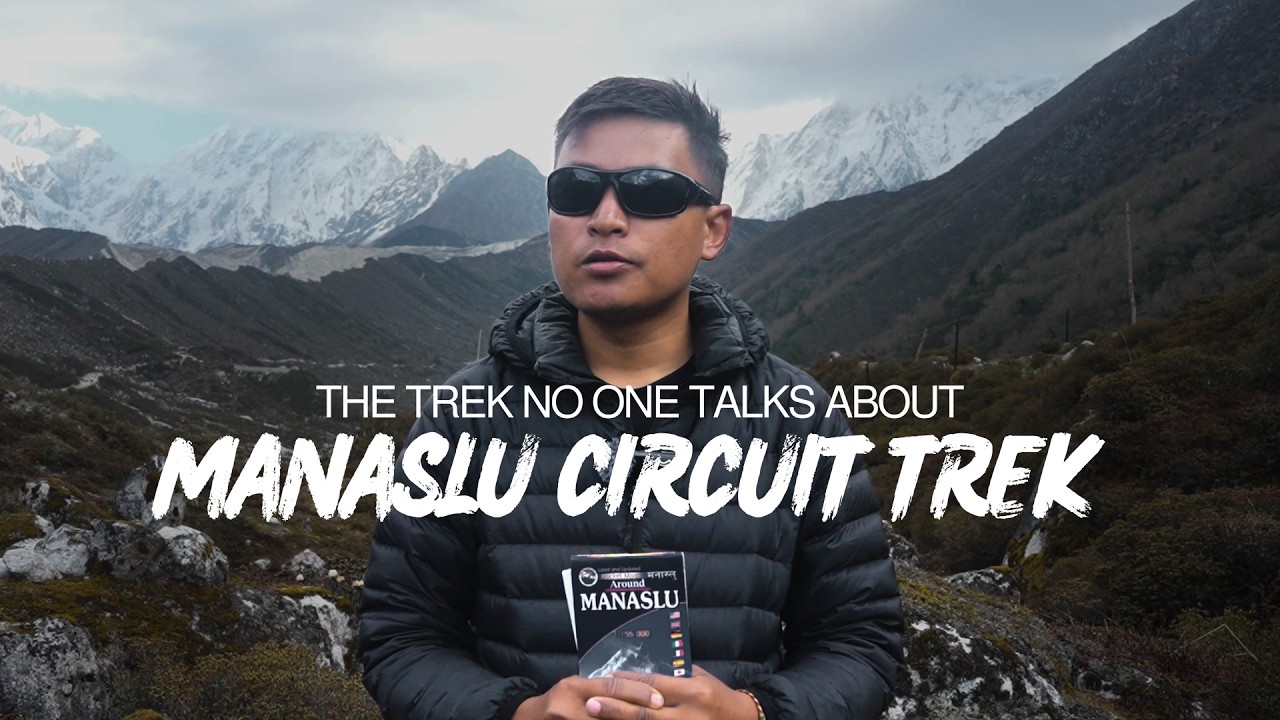
Altitude is the one part of the Manaslu Circuit Trek you can't out-train. You can build your cardio, break in your boots, and pack the perfect kit, and altitude will still ask something different of your body once you're sleeping above 3,500 m for four nights running. The good news, and it's genuinely good news: altitude sickness on this route is well understood, largely predictable in how it behaves, and manageable with a sensible itinerary, honest self-reporting, and a guide who knows when to say "we're not going higher today." This guide covers what actually happens to your body at altitude on Manaslu, how to reduce your risk, what the warning signs look like at each stage, and exactly what to do if things don't go to plan.
Quick Answer: Can You Get Altitude Sickness on the Manaslu Circuit Trek?
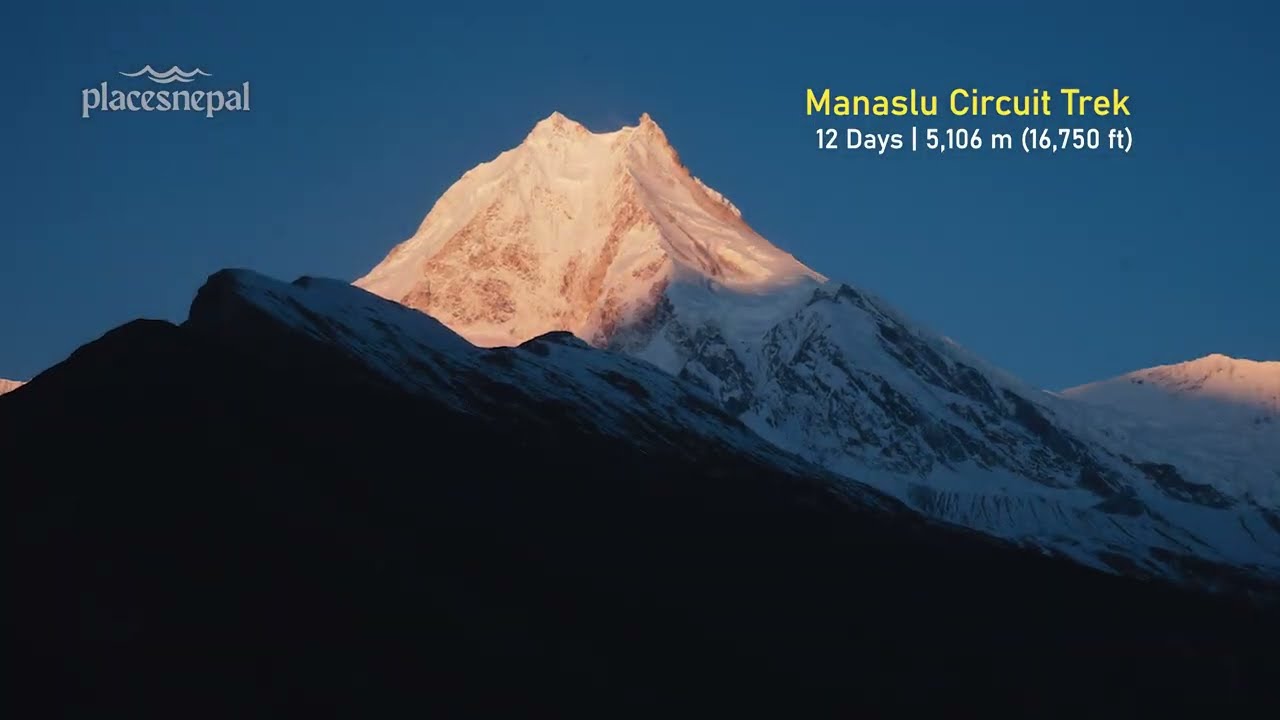
Yes — anyone can develop altitude sickness on this route, regardless of age, fitness level, or trekking experience. The Manaslu Circuit reaches 5,106 m at Larkya La and keeps you sleeping above 3,500 m for several consecutive nights beforehand, which is genuine high-altitude terrain by any medical definition. The risk is real but very manageable: a well-paced itinerary with a built-in acclimatisation day, proper hydration, honest symptom reporting, and a guide willing to slow down or turn back reduces the risk to a level that thousands of trekkers navigate safely every season. Fitness helps with the walking; it does very little for how fast your body adapts to thinner air — that part is closer to a lottery, which is exactly why pacing matters more than speed.
Trek the Manaslu Circuit Trek
A remote and off-the-beaten-path Himalayan adventure in Nepal. The trek covers roughly 126 km (78.2 miles) and involves 5–7 hours of hiking per day through villages, forests, and the Larkya Pass
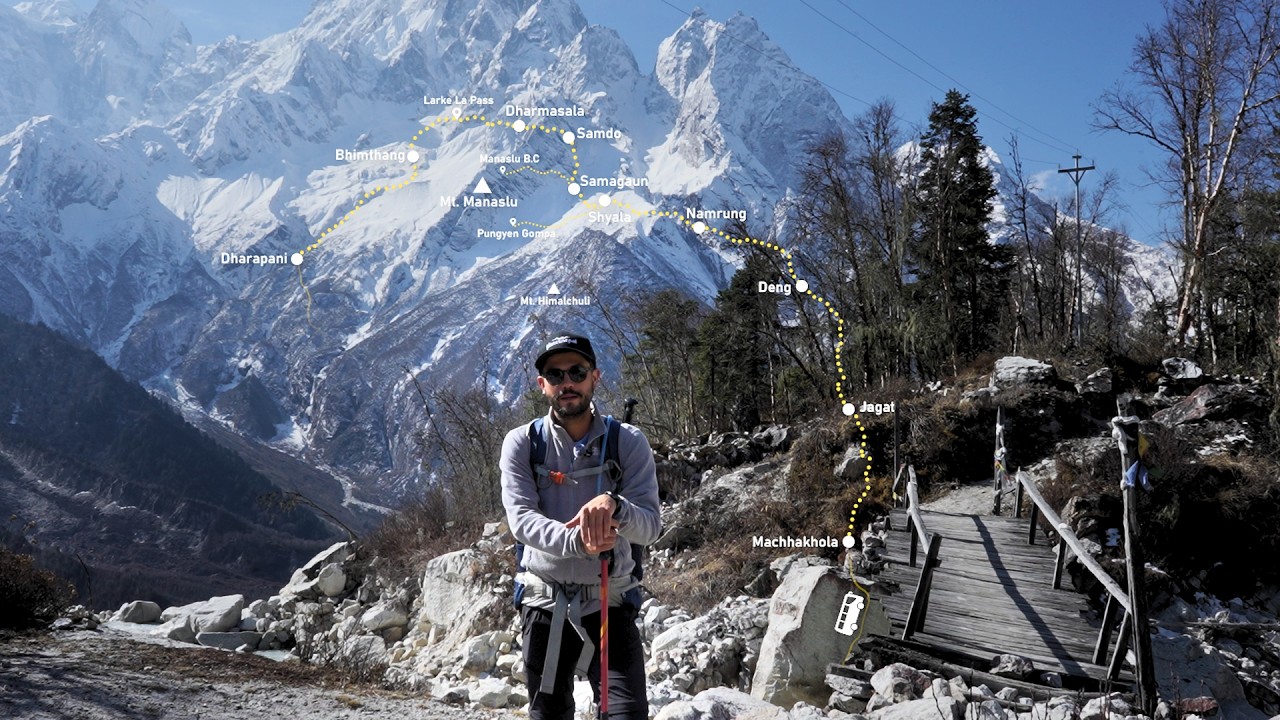
Manaslu Circuit Altitude at a Glance
| Location | Elevation (m) | Elevation (ft) |
|---|
| Kathmandu | 1,350 m | 4,429 ft |
| Machha Khola | 890 m | 2,920 ft |
| Jagat | 1,340 m | 4,396 ft |
| Deng | 1,860 m | 6,102 ft |
| Namrung | 2,630 m | 8,629 ft |
| Lho | 3,180 m | 10,433 ft |
| Shyala | 3,500 m | 11,483 ft |
| Samagaun | 3,530 m | 11,581 ft |
| Birendra Lake (side trip) | 3,450 m | 11,319 ft |
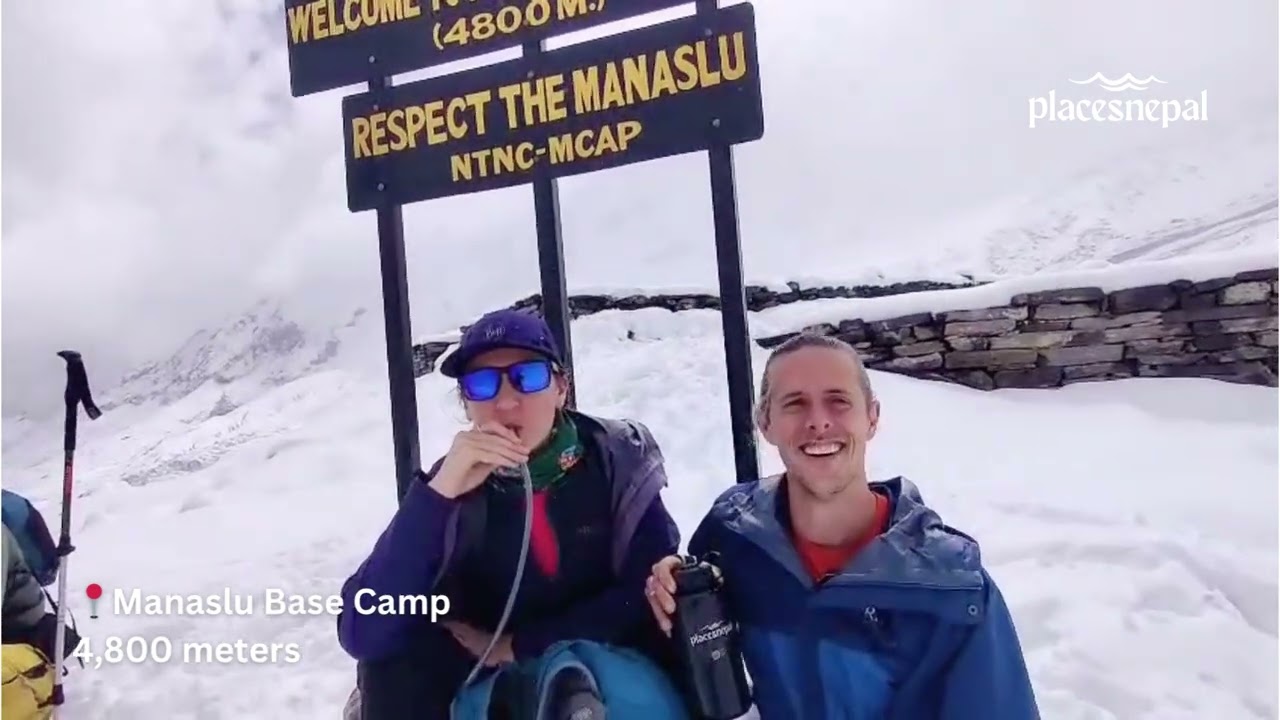
| Manaslu Base Camp (optional side trip) | 4,800 m | 15,748 ft |
| Samdo | 3,875 m | 12,713 ft |
| Dharamsala / Larkya Phedi | 4,460 m | 14,633 ft |
| Larke Pass (Larkya La) | 5,106 m | 16,752 ft |
| Bhimthang | 3,728 m | 12,231 ft |
| Dharapani | 1,910 m | 6,266 ft |
 Highest sleeping altitude: Dharamsala (Larkya Phedi) at 4,460 m — the night before the pass, and the coldest, most exposed stop on the route.
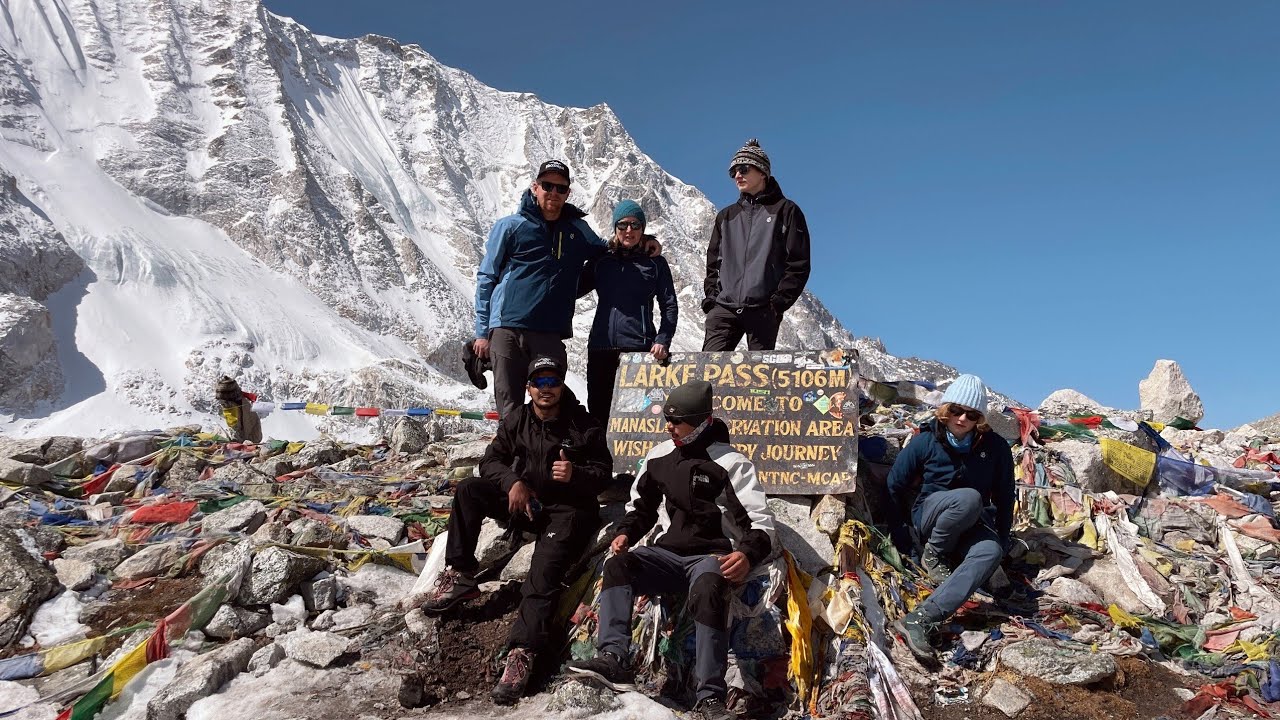
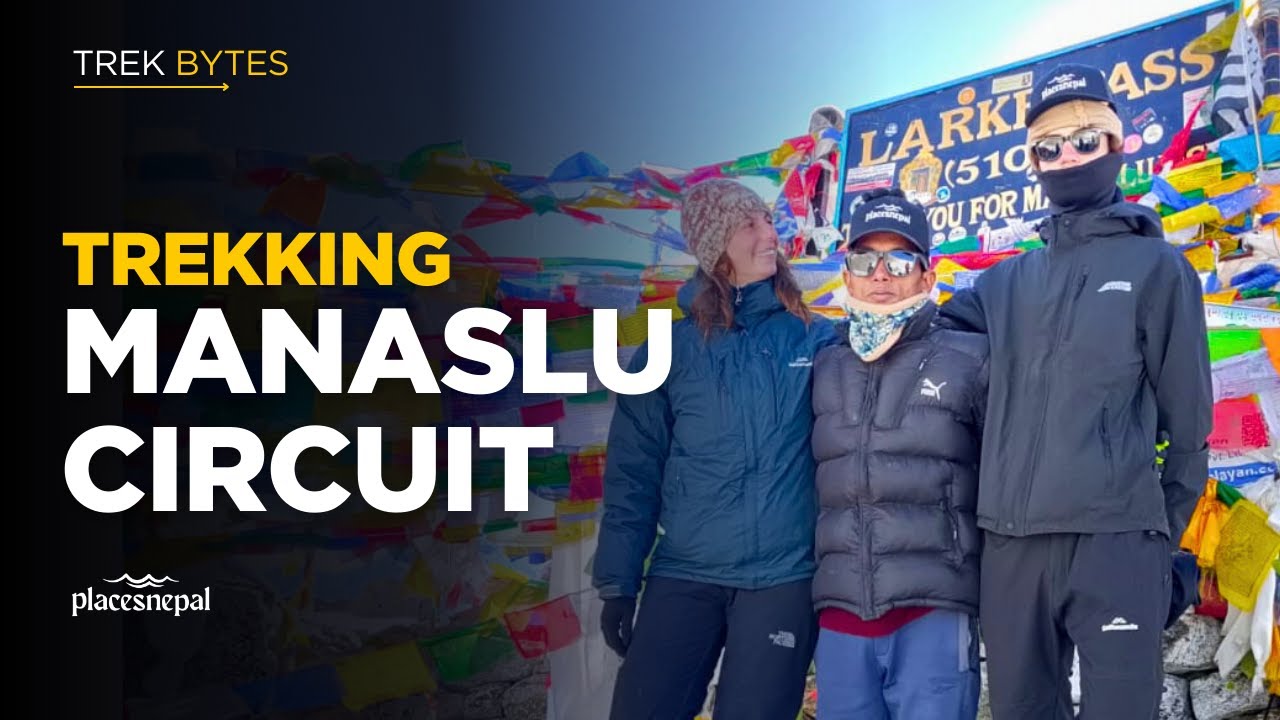
Highest point of the trek: Larke Pass (Larkya La) at 5,106 m — you don't sleep here; you cross it in a single long push and descend the other side the same day.
Recommended acclimatisation locations: Samagaun (3,530 m), with active half-day options to Birendra Lake or Manaslu Base Camp, is the trek's built-in rest day. Some itineraries add a second rest day at Samdo (3,875 m) for trekkers who want extra margin before the pass — worth discussing with your guide if you're not confident on the standard schedule.
What Is Altitude Sickness?
"Altitude sickness" is a catch-all term for three related but distinct conditions, and understanding the difference matters because they call for different responses.
| Condition | What It Is | Severity |
|---|
| Acute Mountain Sickness (AMS) | The body's early, common response to reduced oxygen at altitude | Mild to moderate — the one almost everyone experiences to some degree |
| High Altitude Pulmonary Edema (HAPE) | Fluid accumulation in the lungs at altitude | Severe — life-threatening, requires immediate descent |
| High Altitude Cerebral Edema (HACE) | Swelling of the brain at altitude | Severe — life-threatening, requires immediate descent |
AMS is common, usually manageable, and often resolves with rest, hydration, and a pause in ascent. HAPE and HACE are rare but serious — both can develop from AMS that's ignored and pushed through, and both are medical emergencies where descent is the only reliable treatment. The entire purpose of this guide, and of a well-designed Manaslu itinerary, is to keep you firmly in the "common and manageable" category and recognise the warning signs early enough that HAPE and HACE simply don't get the chance to develop.
Trek the Manaslu Circuit Trek
A remote and off-the-beaten-path Himalayan adventure in Nepal. The trek covers roughly 126 km (78.2 miles) and involves 5–7 hours of hiking per day through villages, forests, and the Larkya Pass
Why Altitude Sickness Happens
Reduced oxygen pressure, not reduced oxygen. The air at 5,106 m still contains roughly 21% oxygen — the same proportion as at sea level. What changes is air pressure: at altitude, each breath delivers fewer oxygen molecules per lungful, because the air itself is less dense. Your body has to work harder for the same result.
The acclimatisation process. Given time, your body adapts: breathing rate increases, the heart pumps faster, and over several days your body starts producing more red blood cells to carry oxygen more efficiently. This process takes days, not hours — which is exactly why the Manaslu itinerary is built around gradual ascent and a dedicated rest day rather than the fastest possible route to the pass.
Individual susceptibility. Some people acclimatise faster than others, and there's no reliable way to predict who — it isn't consistently tied to age, fitness, or previous high-altitude experience. Someone who trekked comfortably to 5,000 m last year isn't guaranteed an easy time this year, and a very fit trekker isn't automatically protected.
Why fitness alone does not prevent AMS. This is the single most misunderstood fact about altitude sickness, and it's worth stating plainly: cardiovascular fitness helps you walk the distances and handle the daily exertion, but it does not determine how quickly your body adapts to reduced oxygen pressure. Strong, experienced athletes get AMS; unfit but well-paced trekkers sometimes don't. Pacing and acclimatisation matter more than gym conditioning for this specific risk.
When Does Altitude Sickness Usually Start?
Most trekkers begin to notice altitude effects somewhere between 2,500 and 3,500 m — on the Manaslu Circuit, that's roughly from Namrung (2,630 m) onward. Mild symptoms at this stage — a dull headache, slightly disturbed sleep, reduced appetite — are common and not automatically a cause for alarm, but they're worth mentioning to your guide as a matter of habit, not just when they feel serious.
Days on the Manaslu Circuit that deserve extra attention:
- Namrung to Shyala (Day 5): the steepest single-day altitude gain of the early trek, arriving above 3,500 m for the first time
- Arrival in Samagaun (Days 6–7): your second consecutive night above 3,500 m — this is when many trekkers feel symptoms most acutely, which is exactly why the rest day sits here
- Samdo to Dharamsala (Day 9): climbing to the highest overnight altitude of the trek, with limited facilities and no easy retreat
- The Larke Pass crossing (Day 10): the trek's single highest-risk day, combining altitude, cold, early starts, and sustained exertion
Symptoms don't always appear on schedule — some trekkers feel fine at 4,000 m and struggle unexpectedly at 3,000 m. Treat every altitude gain above 2,500 m as worth monitoring, not just the days on this list.
Symptoms of Altitude Sickness
| Mild AMS | Moderate AMS | Severe AMS / HAPE / HACE |
|---|
| Mild headache | Worsening headache, not relieved by rest | Severe headache unrelieved by any measure |
| Mild fatigue | Marked fatigue, reduced coordination | Extreme weakness, unable to walk unassisted |
| Reduced appetite | Nausea, occasional vomiting | Persistent vomiting |
| Slightly disturbed sleep | Significant sleep disturbance | Confusion, disorientation, irrational behaviour |
| Mild dizziness | Increased dizziness, unsteady gait | Loss of coordination (ataxia) — a hallmark HACE sign |
| — | Shortness of breath on exertion | Shortness of breath at rest — a hallmark HAPE sign |
| — | — | Persistent cough, sometimes with frothy or blood-tinged sputum |
| Action: Rest at current altitude, hydrate, monitor | Action: Stop ascending, consider descent, inform guide immediately | Action: Descend immediately — this is a medical emergency |
The practical rule that matters most: mild symptoms that stay mild or improve with rest mean you can likely continue cautiously. Mild symptoms that worsen, or any symptom from the severe column, mean descent — not "wait and see," not "push through to the next stop." Loss of coordination and breathlessness at rest are the two signs that should never be second-guessed.
Trek the Manaslu Circuit Trek
A remote and off-the-beaten-path Himalayan adventure in Nepal. The trek covers roughly 126 km (78.2 miles) and involves 5–7 hours of hiking per day through villages, forests, and the Larkya Pass
Is Larke Pass Dangerous?
Larke Pass (Larkya La) sits at 5,106 m, and it's the physical and psychological high point of the entire trek — but "dangerous" needs some honest context rather than a flat yes or no.
The elevation itself. By the time you reach the pass, you've already spent several nights above 3,500 m and, on a well-designed itinerary, had a genuine rest day at Samagaun. You're not arriving at 5,106 m cold — your body has had a real chance to adapt.
The early morning crossing. Departure from Dharamsala is typically around 3 a.m., in full darkness, specifically to cross before afternoon wind and cloud build up. This isn't drama for its own sake — mountain weather at this altitude genuinely does deteriorate through the day, and an early start is a real safety measure, not a tradition.
Weather, snow, and wind. Conditions on the pass vary by season — autumn and spring generally offer the most stable crossings, while winter can bring genuine snow and ice requiring microspikes. Wind chill at the summit is significant even on a clear day, and lingering too long at the top is its own hypothermia risk.
Why good acclimatisation matters more than speed. The pass day is long (8–10 hours) and cold, but it is not technical — there's no climbing involved. The real risk factor isn't fitness or pace; it's whether your body has had adequate time to adjust before you attempt it. A well-acclimatised, moderately fit trekker moving slowly and steadily is in a far better position than a very fit trekker who rushed the days beforehand.
Realistic expectation: most properly prepared, well-guided trekkers cross Larke Pass without serious incident. It's a demanding day, not a reckless one, and your guide's judgment about whether conditions and your condition are right to attempt it is the single biggest safety factor on this day.
How to Prevent Altitude Sickness
Slow ascent. The single most effective prevention strategy. Above 3,000 m, avoid gaining more than roughly 300–500 m of sleeping altitude per day where the itinerary allows — this is exactly the principle the Manaslu Circuit's day-by-day structure is built around.
Acclimatisation days. Use the Sama Gaon rest day actively — a moderate hike to Birendra Lake or Manaslu Base Camp aids adaptation far more than a full day resting in bed. "Climb high, sleep low" is the guiding principle: gain altitude during the day, return to sleep lower.
Hydration. Aim for 3–4 litres of water daily once you're above 2,500 m. Dehydration mimics and worsens AMS symptoms, and it's one of the easiest risk factors to control.
Nutrition. Eat even when your appetite drops — altitude suppresses hunger while your body burns more calories, not fewer. Carbohydrate-heavy meals (dal bhat is the trail's best friend for a reason) support the acclimatisation process.
Sleep. Disrupted sleep at altitude is common and not automatically a red flag, but chronic poor sleep alongside other symptoms is worth mentioning to your guide.
Avoid alcohol. Alcohol accelerates dehydration and can mask early symptoms — skip it entirely above 3,000 m.
Avoid smoking. Smoking further reduces the oxygen-carrying capacity of your blood at exactly the altitude where you need it most.
Listen to your guide. Your guide has crossed this route dozens of times and reads pace, symptoms, and weather in ways a first-time visitor can't. Their call to slow down, rest an extra day, or turn back is based on route-specific experience.
Recognise symptoms early. The gap between "manageable AMS" and "serious problem" is usually measured in how quickly symptoms are reported, not how quickly they develop. Mention a mild headache the evening it starts, not two days later when it hasn't gone away.
Printable Prevention Checklist
Acclimatization Strategy
A well-designed itinerary does most of the acclimatisation work for you — the Manaslu Circuit's day-by-day structure isn't arbitrary, it's built around exactly the altitude profile in the table above.
Samagaun (3,530 m) — the trek's core rest day. You spend two nights here specifically to let your body adjust before the final push toward the pass. Two active options are offered: a gentle walk to Birendra Lake (3,450 m), or the more demanding hike to Manaslu Base Camp (4,800 m) for trekkers feeling strong.
"Climb high, sleep low." This is the guiding principle behind both optional hikes — reaching a higher altitude during the day, then returning to sleep at Samagaun's lower elevation, genuinely accelerates physiological adaptation compared to resting at one altitude all day.
Choosing between Birendra Lake and Manaslu Base Camp: if you woke feeling strong with no symptoms, the Base Camp hike offers more acclimatisation benefit and a genuinely spectacular destination. If you're managing a mild headache, low appetite, or poor sleep, Birendra Lake is the better call — gentle movement at altitude still aids adaptation without adding unnecessary strain.
Full day-by-day detail, including exactly where the itinerary allows flexibility for an extra rest day if needed, is in our Manaslu Circuit Trek Itinerary.
Diamox (Acetazolamide)
Diamox is a medication some trekkers use to help speed acclimatisation, and it's worth understanding in outline — though this section deliberately doesn't give dosage guidance, because that decision belongs to you and your doctor, not a blog post.
What it does. Diamox works by encouraging the kind of respiratory adjustment your body would otherwise take longer to develop naturally, which can reduce the severity of mild AMS symptoms for some trekkers.
When it may be used. Some trekkers take it preventatively starting before reaching altitude; others use it only if mild symptoms appear. Both approaches exist in practice, and the right one depends on your medical history, which is exactly why this is a conversation to have with a doctor before you fly, not a decision to make on the trail.
Common side effects. Tingling in fingers and toes, increased urination, and altered taste (particularly with carbonated drinks) are commonly reported. None of these are dangerous, but they're worth knowing about in advance so they don't cause unnecessary worry on the trail.
Why you should consult a healthcare professional before using it. Diamox is a sulfonamide-derived medication and isn't appropriate for everyone — allergies, kidney conditions, and other medications can all matter. Get a prescription and a real conversation with your doctor weeks before departure, not the night before you fly.
Important: Diamox reduces AMS symptoms in many trekkers, but it does not "guarantee" protection, and it's not a substitute for gradual ascent, hydration, and honest symptom monitoring. Treat it as one part of a prevention strategy, not the whole strategy.
Hydration and Nutrition
Daily water intake. 3–4 litres daily is the standard trekking-guide recommendation once you're above 2,500 m — more than most people drink at home, and worth actively tracking rather than relying on thirst, which is an unreliable signal at altitude.
Electrolytes. Plain water alone across a full trekking day can leave you low on sodium and other electrolytes, particularly if you're sweating during exertion. Electrolyte tablets or powders are a small addition worth carrying.
Carbohydrates. Your body burns more calories at altitude, and carbohydrates are the most efficient fuel for both walking and acclimatisation. Dal bhat's popularity on this route isn't just tradition — rice, lentils, and vegetables genuinely deliver what your body needs at 3,500 m+.
Avoiding dehydration. Beyond drinking enough, avoid the things that accelerate fluid loss unnecessarily — alcohol, excess caffeine, and pushing hard exertion without matching water intake.
Why nutrition supports acclimatisation: producing more red blood cells, maintaining organ function under reduced oxygen, and simply generating the energy to keep walking all require more fuel at altitude than at sea level — appetite loss is common, but it's exactly the wrong time to actually eat less.
Emergency Response
| Step | Action | Why |
|---|
| 1 | Stop ascending immediately | Further altitude gain worsens symptoms at every severity level |
| 2 | Inform your guide right away | Early reporting is the single biggest factor in a good outcome |
| 3 | Rest and monitor at current altitude | Mild symptoms often stabilise or improve without further intervention |
| 4 | Descend if symptoms worsen or don't improve | Descent is the most effective treatment for altitude illness at any stage |
| 5 | Use supplemental oxygen if available and appropriate | Buys time and eases symptoms, particularly during descent or evacuation |
| 6 | Arrange evacuation for severe symptoms | HAPE, HACE, and any rapidly worsening presentation require professional medical care without delay |
| 7 | Continue medical care at lower altitude or in Kathmandu | Full recovery and follow-up care matter even after symptoms ease |
The one point worth repeating on its own: descent is the most effective treatment for worsening altitude illness. Not medication, not oxygen, not rest at the same altitude — descent. Every other measure buys time or eases symptoms; only losing altitude actually reverses the underlying problem. If your guide recommends descending, that recommendation is not a judgment on your fitness or your trek — it's the correct medical response, and it's always the right call to follow it.
Trek the Manaslu Circuit Trek
A remote and off-the-beaten-path Himalayan adventure in Nepal. The trek covers roughly 126 km (78.2 miles) and involves 5–7 hours of hiking per day through villages, forests, and the Larkya Pass
Helicopter Evacuation
When evacuation may be necessary. Severe AMS, suspected HAPE or HACE, serious injury, or any situation where walking descent isn't safe or fast enough are the standard triggers for a helicopter evacuation request.
Weather limitations. This is worth understanding before you're in a situation where it matters: helicopters cannot fly in poor visibility, high winds, or heavy snow, regardless of how urgent the situation is. This is exactly why prevention and early symptom reporting matter so much — waiting until conditions are severe reduces your evacuation options at the same time your need for one increases.
Travel insurance. Comprehensive coverage including high-altitude trekking and helicopter evacuation is not optional for this route — it's a practical necessity given the remoteness of the Manaslu region, and rescue operators in Nepal typically require confirmation of coverage before a flight is dispatched. Confirm your policy explicitly covers evacuation from the altitudes on this route before you book, not after you need it.
Rescue coordination. Your guide carries communication equipment and knows the coordination process — contacting the trekking agency, confirming insurance details, and arranging the nearest viable landing point. This is one of the clearest practical arguments for trekking with a licensed guide on a restricted-area route like Manaslu, where help isn't a short walk away.
Who Is Most at Risk?
The honest, slightly uncomfortable answer is: everyone, to some degree, and not in the ways most people expect.
Beginners aren't inherently more at risk than experienced trekkers — but they're more likely to misread mild symptoms as ordinary tiredness rather than early AMS, simply from unfamiliarity.
Experienced trekkers sometimes carry a false sense of security from past successful trips, which can lead to underreporting symptoms or pushing pace out of overconfidence.
Older adults don't show a clear, consistent increase in AMS risk in the research, though age-related fitness and existing health conditions are worth an honest conversation with a doctor before booking.
Younger adults are not protected by youth — this is one of the most persistent and incorrect assumptions about altitude sickness.
Athletes are not protected by cardiovascular fitness, for the reasons covered above — strong lungs and legs don't determine acclimatisation speed.
Trekkers with a previous AMS history may have a somewhat higher likelihood of experiencing it again, which is useful information to share with your guide at the start of the trek, not a reason to avoid the route.
The single unifying fact: anyone can develop altitude sickness on this trek. That's not meant to alarm you — it's meant to justify why the prevention measures in this guide apply to every trekker equally, regardless of how fit, young, or experienced you are.
Common Myths About Altitude Sickness
"Only unfit people get AMS." False. Fitness affects your walking capacity, not your acclimatisation speed. Elite athletes get AMS; moderately fit, well-paced trekkers often don't.
"Young people are immune." False. Age offers no reliable protection against altitude sickness.
"Diamox guarantees protection." False. Diamox can reduce the severity of mild symptoms for many trekkers, but it doesn't eliminate risk, and it's not a substitute for gradual ascent and hydration.
"Symptoms disappear if ignored." False, and potentially dangerous. Mild symptoms sometimes resolve with rest, but ignoring worsening symptoms is exactly how AMS progresses toward HAPE or HACE.
"If I did fine at this altitude before, I'll be fine again." False. Individual acclimatisation can vary between trips, even for the same person on the same route.
"A headache at altitude is always just a headache." Not always. A headache is the most common AMS symptom precisely because it's the earliest, most reliable warning sign your body gives — treat it as information, not just discomfort to push through.
Trek the Manaslu Circuit Trek
A remote and off-the-beaten-path Himalayan adventure in Nepal. The trek covers roughly 126 km (78.2 miles) and involves 5–7 hours of hiking per day through villages, forests, and the Larkya Pass
Common Altitude Mistakes
- Ascending too quickly. Skipping or rushing the built-in pacing is the single biggest controllable risk factor on this trek.
- Ignoring a headache. The most common early symptom is also the one most often dismissed as ordinary tiredness.
- Skipping the Samagaun acclimatisation hike. Resting all day is less effective than active "climb high, sleep low" movement.
- Drinking alcohol above 3,000 m. It accelerates dehydration and masks early symptoms at exactly the wrong time.
- Poor hydration. Relying on thirst rather than actively tracking water intake.
- Not telling the guide about symptoms. The most consequential mistake on this list — early reporting changes outcomes.
- Trying to "push through." Altitude symptoms that worsen don't resolve by continuing upward.
- Comparing yourself to faster trekkers. Individual acclimatisation varies; pace to your own body, not the group's fastest member.
- Underpacking warm layers. Getting cold compounds fatigue and can mask or worsen how symptoms present.
- Skipping meals due to reduced appetite. Your body needs more fuel at altitude, not less.
- Self-medicating sleep issues without guidance. Some sleep aids suppress breathing, which is the opposite of helpful at altitude.
- Taking Diamox without consulting a doctor first. Wrong for some individuals; get medical advice before your trip, not on the trail.
- Assuming fitness protects you. Covered extensively above — it doesn't, for this specific risk.
- Overexerting on the Larke Pass morning to "get it over with." A rushed pace on pass day increases risk rather than reducing it.
- Not agreeing on a turn-back plan in advance. Decide your personal limits with your guide before you're tired and undecided in the moment.
- Booking too fast an itinerary to save time or money. A compressed schedule removes exactly the acclimatisation buffer that keeps this trek safe.
- Skipping travel insurance verification. Discovering a policy doesn't cover high-altitude evacuation is the worst possible moment to find out.
- Smoking on the trek. Reduces blood oxygen-carrying capacity precisely when you need it most.
- Ignoring your guide's recommendation to rest or descend. Their call is based on route experience, not caution for its own sake.
- Traveling without a pulse oximeter when one's available. A simple, non-invasive way to catch early warning signs objectively.
- Not researching symptoms before the trek. Trekkers who don't know what to watch for are slower to recognise it in themselves.
- Assuming mild symptoms mean the trek is over. Most mild AMS is entirely manageable with rest and pacing adjustments, not a reason to panic.
- Hiding symptoms to avoid "ruining" the trip for others. Your health outcome matters more than group logistics — and guides plan for exactly this situation.
- Continuing to climb after a poor night's sleep with other symptoms. Combined symptoms deserve more caution than any single symptom alone.
- Underestimating how cold and demanding the pass morning is. Physical cold and fatigue can compound and obscure altitude symptoms, making them harder to distinguish and easier to dismiss.
Expert Tips From Experienced Guides
- Walk slowly — a pace where you can hold a conversation without effort is the right pace above 3,000 m.
- Eat even if your appetite decreases; carbohydrate-heavy meals support acclimatisation.
- Monitor how you feel every morning, not just when something feels obviously wrong.
- Dress in layers so you can regulate temperature without overexerting to warm up or cool down.
- Carry personal medication clearly labelled, with a note of dosage and purpose for your guide.
- Never hide symptoms from your guide, even mild ones.
- Drink water steadily through the day rather than large amounts infrequently.
- Use the "climb high, sleep low" principle actively on the Samagaun rest day.
- Avoid alcohol entirely from Namrung onward.
- Pack a headlamp with spare batteries for the pre-dawn pass departure.
- Sleep with your water bottle inside your sleeping bag so it doesn't freeze at Dharamsala.
- Trust a guide's call to slow the pace, even if you feel strong.
- Keep a simple daily symptom log — even a few words each evening helps you and your guide spot patterns.
- Bring a light source and warm gloves you can put on without removing your pack.
- Treat mild symptoms as information, not failure.
- Rehearse consecutive long trekking days in training so pass-day fatigue feels familiar, not alarming.
- Pack electrolyte tablets, not just plain water purification.
- Avoid sleeping pills at altitude unless specifically cleared by a doctor.
- Ask your guide about the day's altitude profile each morning so you know what to expect.
- Keep your pulse oximeter reading in context — a single low reading matters less than a worsening trend alongside symptoms.
- Pack a personal first-aid kit even though your guide carries a group one.
- Discuss your medical history honestly with your guide at the start of the trek, not partway through.
- Don't skip breakfast on the pass-crossing morning, even with low appetite.
- Layer up the moment you stop moving at altitude — you cool faster than expected once you're not generating heat by walking.
- Respect the "no heroics" rule on Larke Pass — turning back is a legitimate, correct outcome, not a failure.
- Keep your daypack accessible with warm layers, snacks, and water — don't bury essentials at the bottom.
- Confirm your travel insurance policy number and 24-hour emergency contact are written down, not just saved on a phone that could lose charge.
- Ask questions at your pre-trek briefing about altitude protocols specifically — this is exactly what that session is for.
- Don't rely solely on how you feel — objective measures like oxygen saturation add useful information your own judgment might miss under fatigue.
- Remember that descending is always available as an option, at any point, for any reason — it is never the wrong call to make.
Comparing Altitude Challenges on Nepal's Most Popular Treks
Altitude risk isn't just about the highest number on the itinerary — how long you spend at altitude, how many acclimatisation days are built in, and how remote the route is all matter just as much.
| Trek | Highest Altitude | Altitude Risk | Best For |
|---|
| Manaslu Circuit Trek | 5,106 m (Larke Pass) | Moderate-high — one demanding pass day, remote support | Trekkers wanting a genuine high-altitude pass with fewer crowds |
| Everest Base Camp Trek | 5,364 m (Base Camp) / 5,545 m (Kala Patthar) | High cumulative exposure — more days above 4,000 m | Trekkers prioritising infrastructure and support over remoteness |
| Annapurna Circuit Trek | 5,416 m (Thorong La) | Moderate-high — comparable pass profile to Manaslu, well-established acclimatisation stops | Trekkers wanting a high pass with more developed trail support |
| Langtang Valley Trek | 4,773 m (Kyanjin Ri) | Lower — shorter itinerary, lower maximum altitude | Trekkers with limited time who still want genuine Himalayan altitude |
| Pikey Peak Trek | 4,065 m | Low — short duration, gradual profile | Trekkers wanting big mountain views with minimal altitude risk |
Manaslu Circuit Trek combines a genuinely remote route with a real high-altitude pass, which is exactly why proper acclimatisation matters more here than on more developed routes — there's less backup infrastructure if something goes wrong.
Everest Base Camp Trek involves more cumulative time above 4,000 m than Manaslu, even though its single highest point (Kala Patthar) is optional rather than a pass you must cross. Two built-in acclimatisation days reflect this longer high-altitude exposure.
Annapurna Circuit Trek shares a similar risk profile to Manaslu — a comparably high pass (Thorong La, 5,416 m) — but benefits from a more established trail and more frequent villages for support.
Langtang Valley Trek tops out meaningfully lower than any of the above, making it a sensible choice for trekkers who want real Himalayan altitude exposure without the same acclimatisation demands.
Pikey Peak Trek carries the lowest altitude risk of this group by a clear margin, delivering sweeping Everest-range panoramas without asking much of your body's acclimatisation at all.
Trek the Manaslu Circuit Trek
A remote and off-the-beaten-path Himalayan adventure in Nepal. The trek covers roughly 126 km (78.2 miles) and involves 5–7 hours of hiking per day through villages, forests, and the Larkya Pass
Frequently Asked Questions
Will I get altitude sickness on the Manaslu Circuit? Not necessarily — mild symptoms are common, but most well-paced, properly acclimatised trekkers manage the trek without serious altitude illness.
How high is the Manaslu Circuit Trek? It reaches 5,106 m at Larke Pass (Larkya La), with the highest overnight stop at Dharamsala, 4,460 m.
What are the symptoms of altitude sickness? Common early symptoms include headache, fatigue, reduced appetite, and disturbed sleep. Severe symptoms include confusion, loss of coordination, and breathlessness at rest — see the symptom table above for the full breakdown.
Is Diamox necessary for Manaslu? Not automatically — it's a personal decision to make with a doctor. Many trekkers complete the route successfully without it, relying on pacing and hydration instead.
When should I descend? Whenever symptoms worsen despite rest, or if any severe symptom (confusion, loss of coordination, breathlessness at rest) appears. Don't wait for symptoms to become unbearable before acting.
Can beginners complete the trek safely? Yes — altitude sickness risk isn't primarily determined by trekking experience. Proper pacing, hydration, and honest symptom reporting matter more than prior trekking background.
What should I do if symptoms worsen? Stop ascending, inform your guide immediately, and follow their guidance — which may include rest at current altitude, descent, or evacuation depending on severity.
How many acclimatization days do I need? The standard itinerary includes one dedicated day at Samagaun. Trekkers wanting extra margin can discuss adding a second rest day, typically at Samdo, with their guide.
How much water should I drink? Around 3–4 litres daily once above 2,500 m.
Is oxygen available on the Manaslu Circuit? Guides typically carry basic emergency supplies and coordinate with medical posts where available, but this is not a route with supplemental oxygen readily available at every teahouse — prevention and early descent are the primary safety tools.
What happens during an evacuation? Your guide coordinates with your trekking agency and insurance provider to arrange a helicopter, weather permitting, to the nearest appropriate medical facility — typically Kathmandu.
How can I reduce my risk? Follow the itinerary's pacing, hydrate consistently, eat enough despite reduced appetite, avoid alcohol, and report symptoms honestly and early.
What's the difference between AMS, HAPE, and HACE? AMS is the common, usually mild early response to altitude. HAPE is fluid in the lungs; HACE is brain swelling — both are rare but severe and require immediate descent.
Is Larke Pass the highest point of the trek? Yes, at 5,106 m — you cross it in a single day rather than sleeping there.
Can altitude sickness happen below 3,000 meters? It's less common but not impossible; most trekkers first notice effects between 2,500–3,500 m.
Do guides carry oxygen? Practices vary by operator; ask your trekking agency directly what emergency equipment is carried on your specific departure.
Is a pulse oximeter useful? Yes — it gives an objective read on blood oxygen saturation, which is a useful complement to (not a replacement for) how you actually feel.
Can I take Diamox preventatively? Some trekkers do, under medical guidance. This is a decision to make with your doctor before departure, not something to start on the trail.
What are the side effects of Diamox? Commonly reported effects include tingling in fingers and toes, increased urination, and altered taste — discuss the full picture with your doctor.
Is altitude sickness more common in winter? Not more common by mechanism, but winter conditions (cold, snow, potential lodge closures) add compounding risk factors that make the whole trek more demanding.
Does age affect altitude sickness risk? No strong, consistent link exists between age and AMS risk specifically — general fitness and health matter more than age alone.
Can children get altitude sickness? Yes — children are not protected from altitude sickness, which is one reason family treks to high altitude need careful, individualised planning.
How long does it take to acclimatize? It varies by individual, but the general principle is roughly one to two days of adjustment for every 500–1,000 m of altitude gained above 2,500–3,000 m.
What happens if I skip the acclimatization day? You significantly increase your risk of AMS on the days that follow — this is exactly why the rest day is built into the standard itinerary rather than offered as optional.
Is the Manaslu Circuit safe for solo trekkers regarding altitude? Yes, provided you're trekking with a licensed guide, which is legally required on this restricted-area route regardless of group size.
Can altitude sickness be fatal? In its severe forms (HAPE and HACE), yes, if ignored or untreated — which is exactly why early recognition and descent are emphasised throughout this guide.
What's the fastest way to descend if needed? Walking descent with your guide is the standard first response; for severe or rapidly worsening symptoms, helicopter evacuation (weather permitting) is arranged.
Do I need a specific insurance policy for altitude? Yes — confirm your policy explicitly covers high-altitude trekking and helicopter evacuation at the altitudes this route reaches, before you book.
How cold does it get on Larke Pass? Pre-dawn temperatures at the pass are significantly below freezing, with wind chill adding further to the effective cold — proper layering is essential.
Can I trek Manaslu if I've had altitude sickness before? Often yes, with extra caution and open communication with your guide — a previous episode is useful information, not an automatic disqualifier.
What's a normal oxygen saturation reading at altitude? Readings naturally drop compared to sea level and vary by individual and altitude; your guide can help interpret a reading in context rather than against a single fixed number.
Should I sleep with supplemental oxygen? Not routinely on a standard teahouse trek like Manaslu — supplemental oxygen is generally reserved for emergency situations on this route, not nightly use.
Is it normal to have trouble sleeping at altitude? Yes, disrupted sleep is common and not automatically concerning on its own, though it's worth mentioning if it's severe or combined with other symptoms.
Can exercise before the trek help prevent AMS? Fitness improves your trekking capacity but has limited effect on acclimatisation speed specifically — train for the walking, and rely on pacing for the altitude.
What foods help with altitude sickness? Carbohydrate-rich, warm meals — dal bhat, soups, and similar staples — support the extra energy demands of acclimatisation.
Is caffeine bad at altitude? Moderate caffeine is generally fine; the bigger concern is dehydration from any diuretic drink, so balance it with extra water.
How do guides monitor trekkers for AMS? Through daily check-ins, pulse oximeter readings where used, and close observation of pace, appetite, and behaviour throughout the day.
What's the earliest sign of altitude sickness? A headache is the most commonly reported first symptom, though fatigue and reduced appetite often appear around the same time.
Can altitude sickness happen on the way down? Symptoms typically ease with descent, but it's still important to monitor yourself until you're clearly recovering, particularly after a severe episode.
Should I carry my own first aid kit for altitude? Yes — alongside your guide's group kit, carry personal items like your own medication, clearly labelled, and share the contents with your guide.
What's the Lake Louise Score? A standard, widely used self-assessment scale for AMS symptoms (headache, gastrointestinal symptoms, fatigue, dizziness, sleep difficulty) that guides and trekkers can use to track severity consistently.
Is Manaslu's altitude sickness risk higher than Everest Base Camp's? Not straightforwardly — Manaslu concentrates its main risk into one demanding pass day, while Everest Base Camp involves more cumulative time above 4,000 m. Neither route's risk is meaningfully "lower"; the risk simply shows up differently.
This guide is intended to help you prepare and recognise warning signs — it is not medical advice and doesn't replace a consultation with a doctor before your trek or professional care on the trail. Altitude sickness is real, but it is also well understood and manageable: train reasonably, follow the itinerary's pacing, hydrate, eat, and tell your guide the truth about how you're feeling. If you have questions about your own health and this specific route, talk to our team — we brief every trekker on altitude protocols before departure, and we'd rather answer your questions now than on the trail.