Ghorepani Poon Hill Trek 6 days

Nepal
6 Days
Easy
Wake Up to the Himalayas – A Ghorepani Poon Hill Trek from Pokhara with Timeless Sunrise Views
From US$ 640
US$ 520
No of people Price per person
1 - 1 $640
2 - 5 $520
6 - 10 $460
11 - 15 $390

What's included?

Accomodations

3N tea house, 2N Pokhara (Majheri or similar) with twin rooms, attached bath, hot shower & WiFi.

Foods

Standard meals during the trek (Breakfast x5, Lunch x3, Dinner x4)

Licensed guide

Experienced English-speaking trek guide throughout the trek

Transportations

All ground transfers as per the Itinerary

All Permits

All necessary trek permits: ACAP, TIMS

What is it really like?

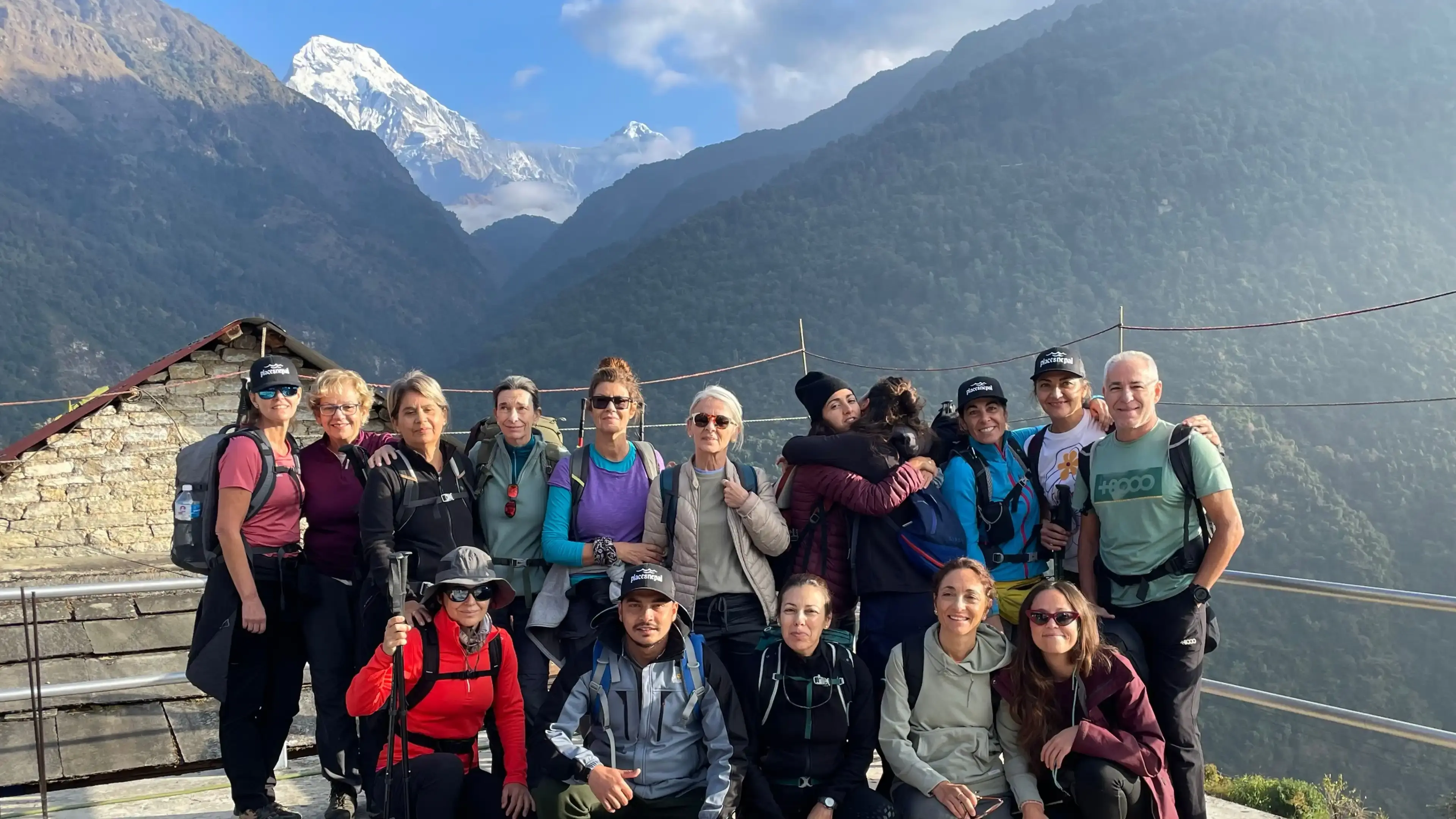
Photos from the Ghorepani Poon Hill Trek 6 days

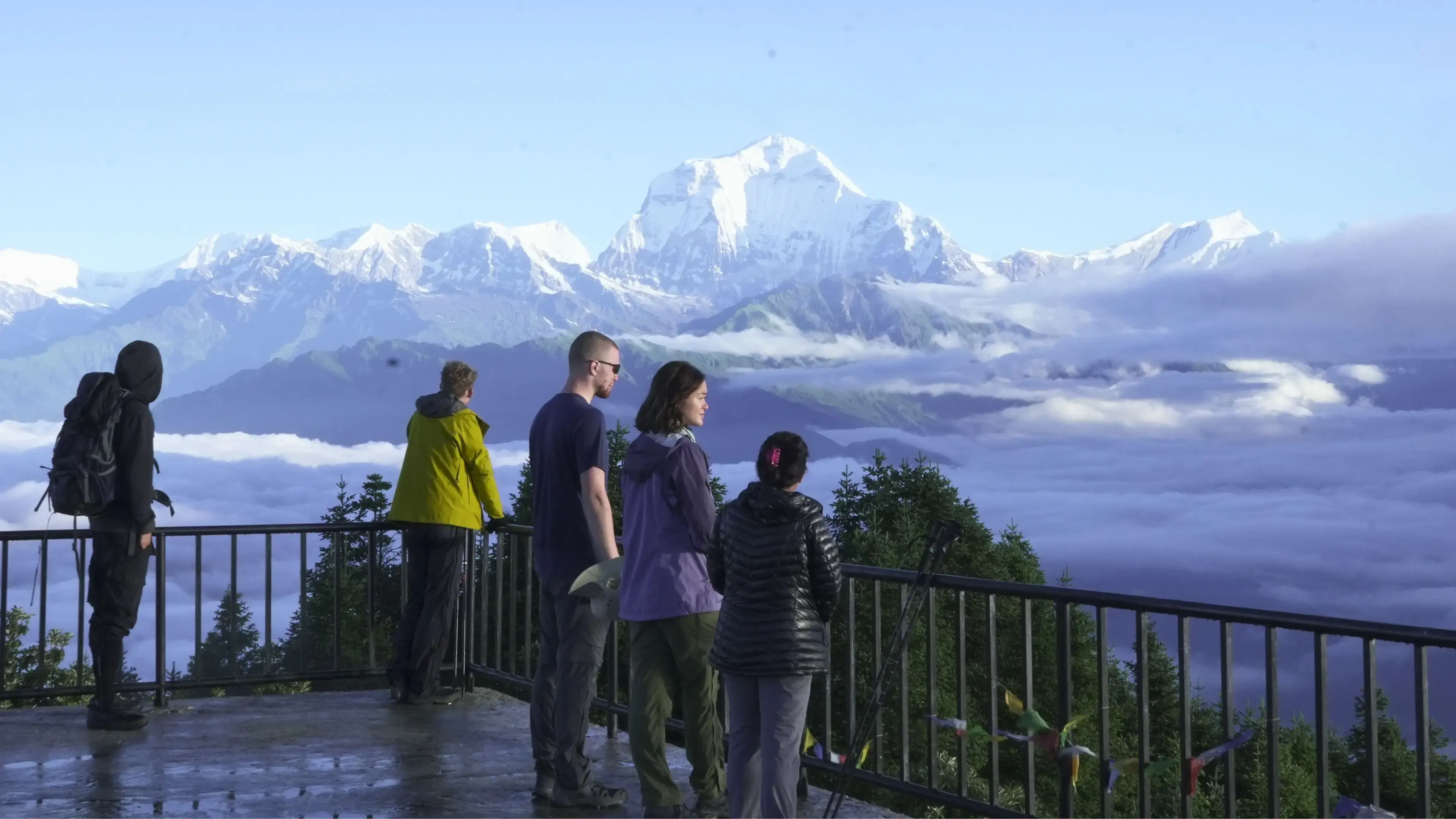
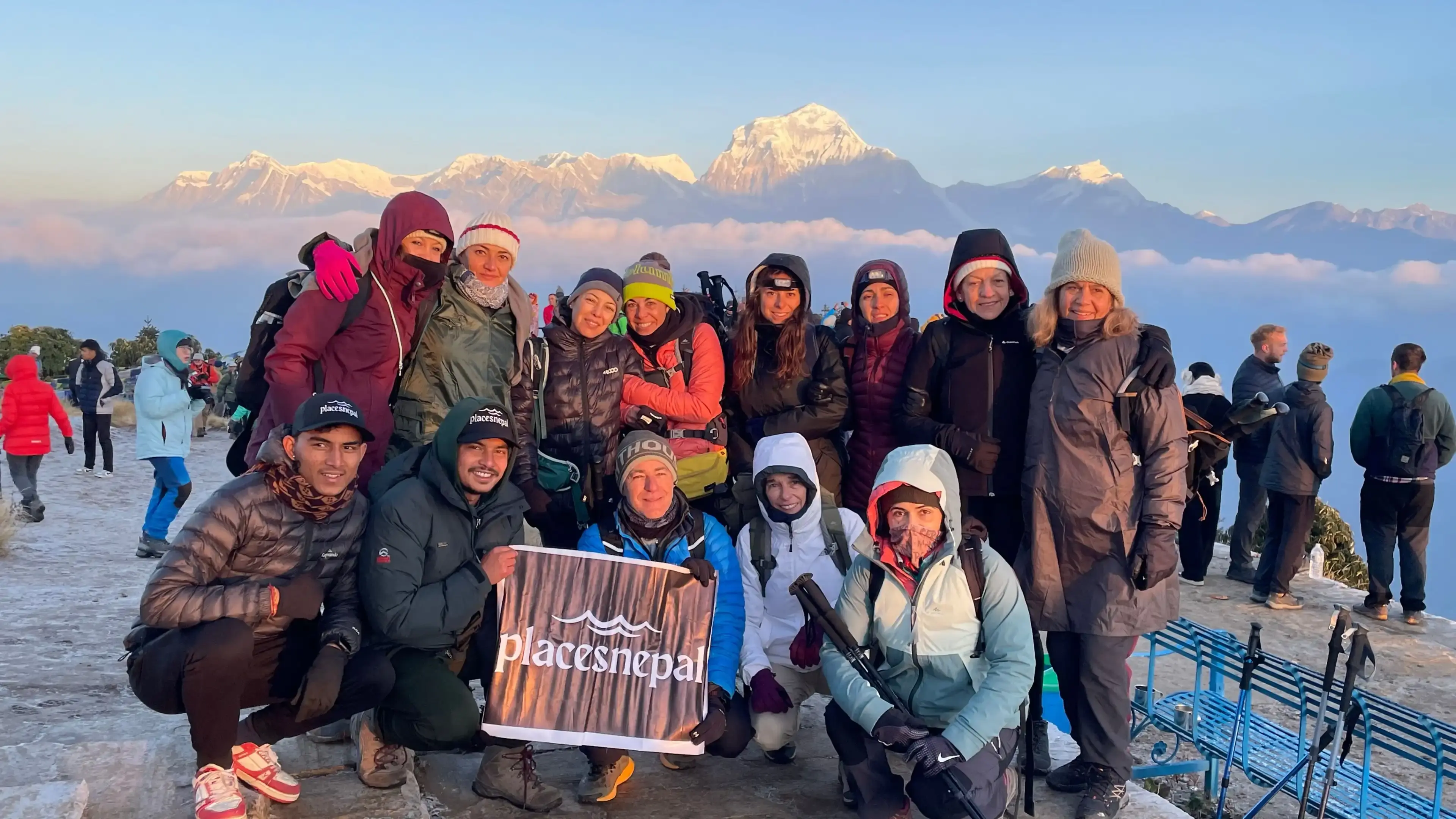
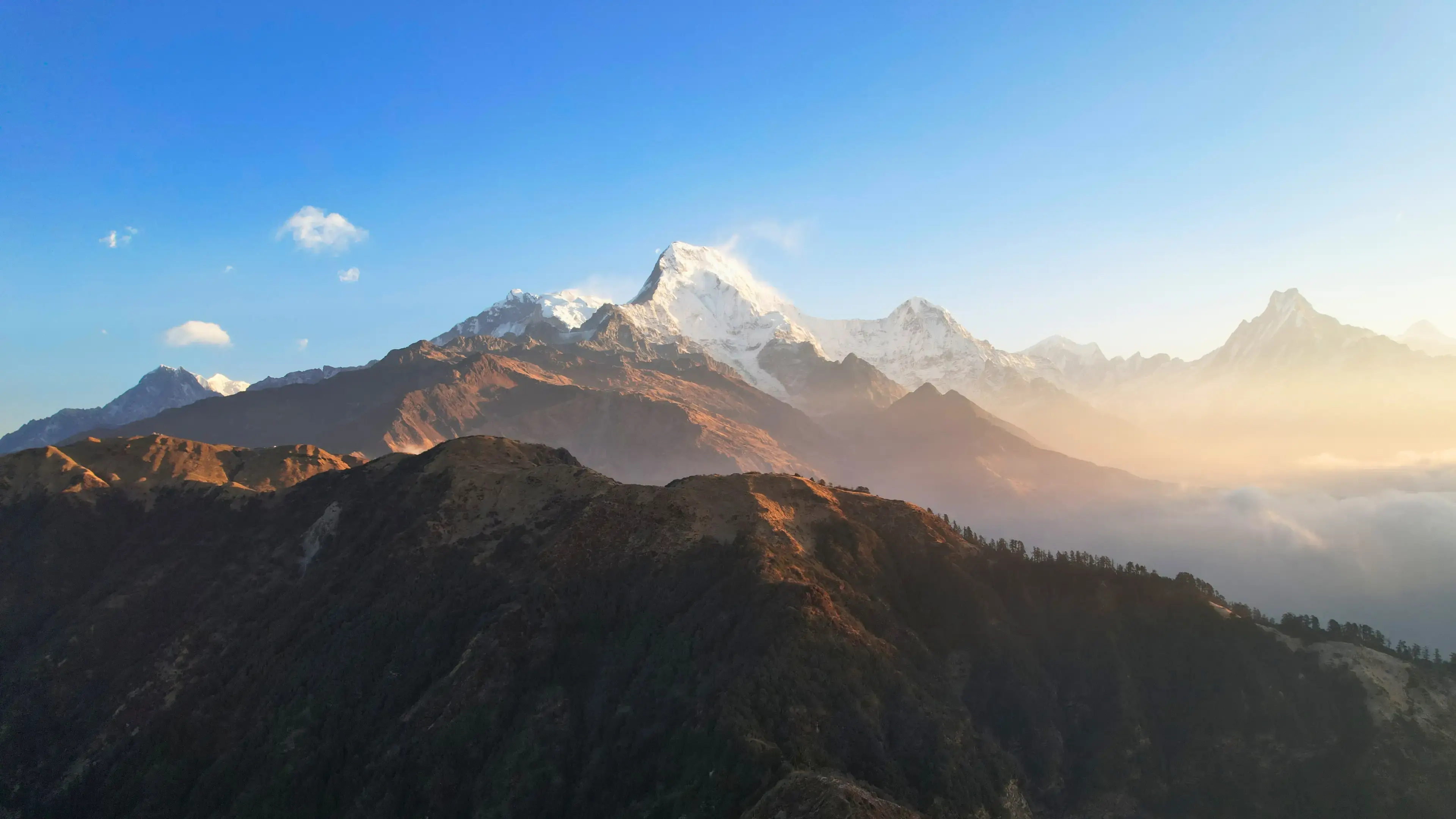
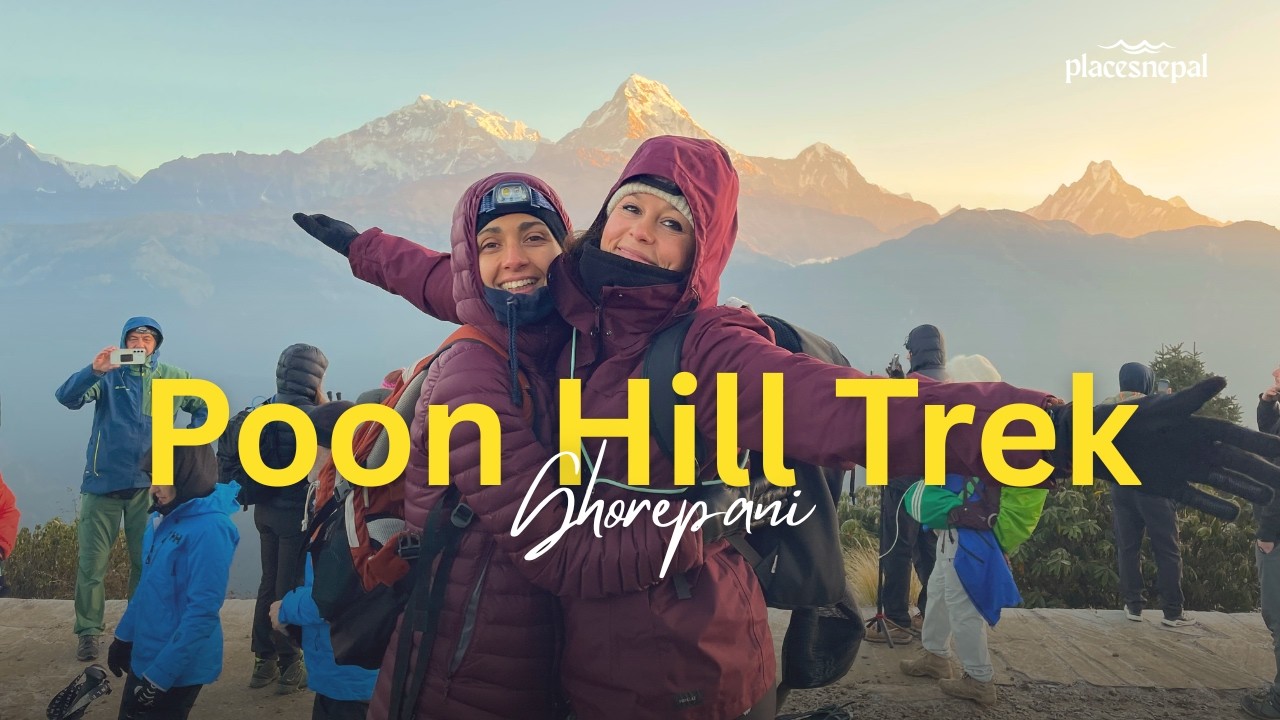
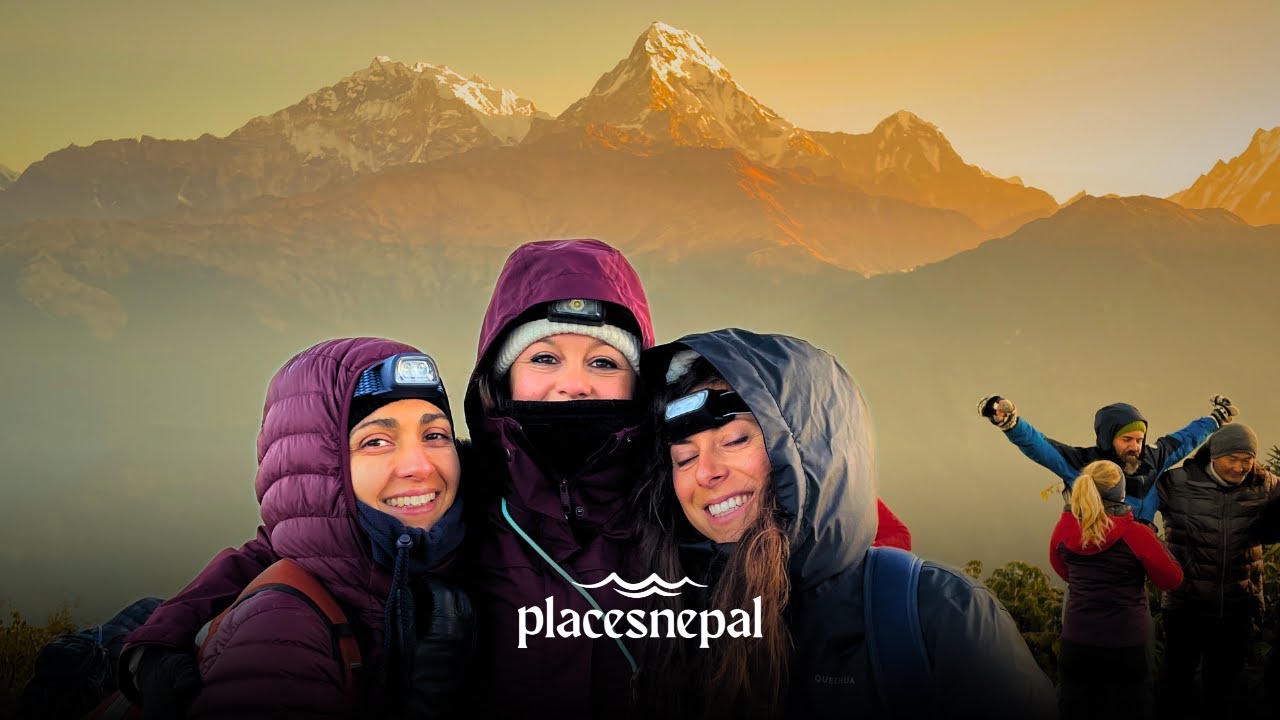
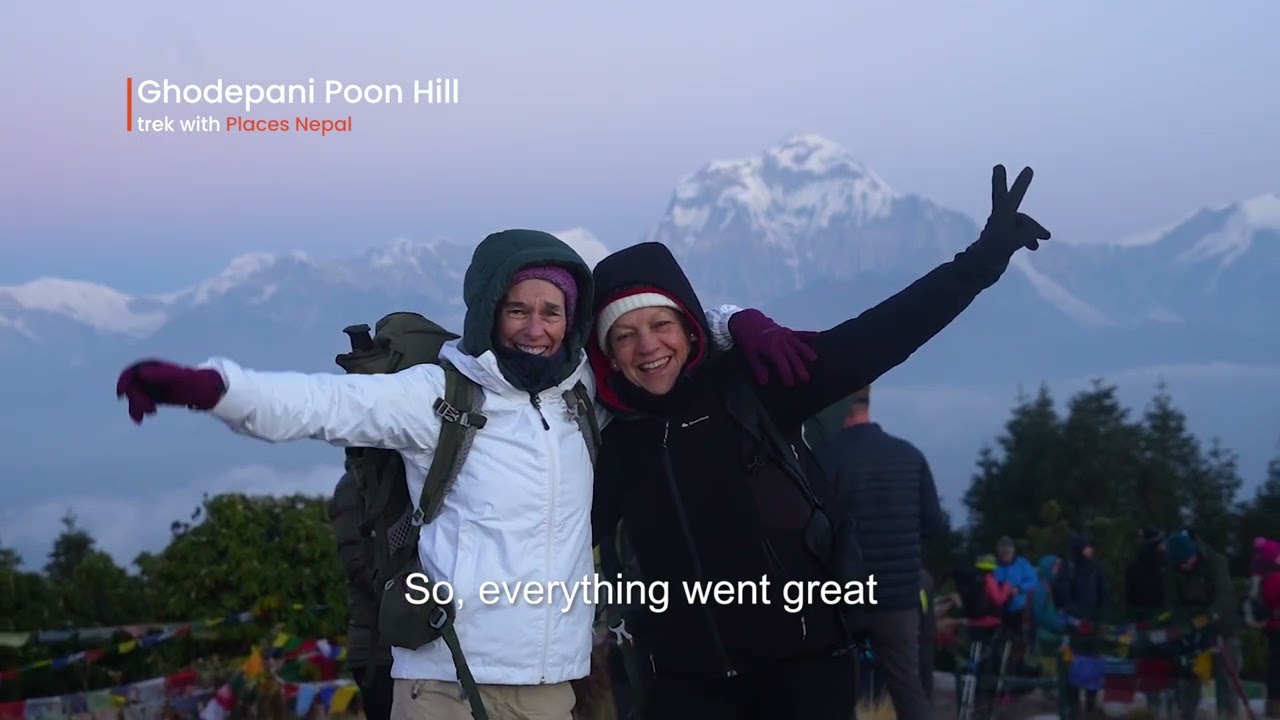
Witness a 360-degree panoramic sunrise over the Annapurna and Dhaulagiri ranges.

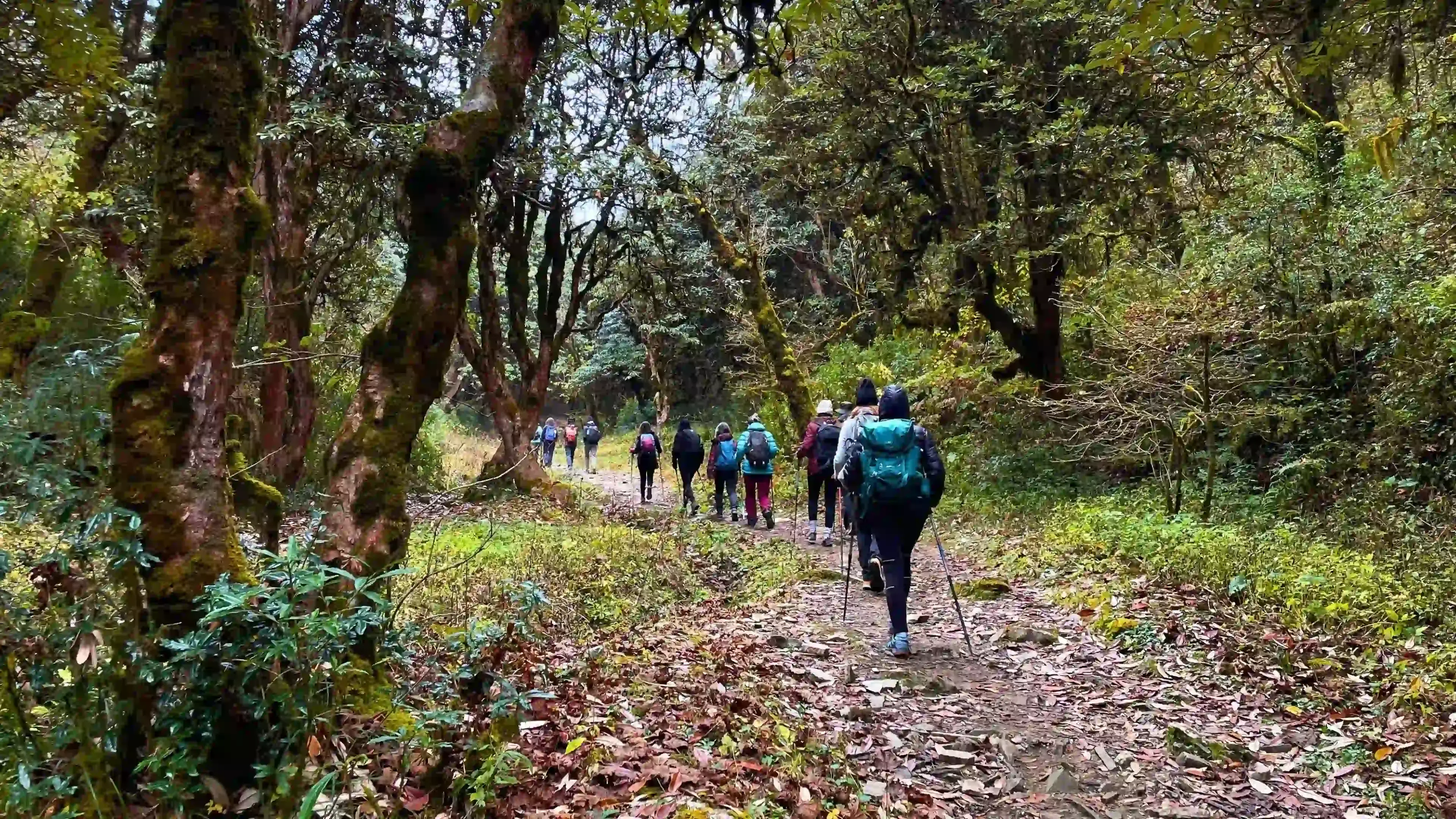
Walk through rhododendron forests, which bloom in vibrant red and pink during spring.

A perfect trek for beginners or those short on time, with a moderate trail and well-established teahouses.

Key Information

Max. altitude

1,350 m / 4,429 ft

Accommodation

Hotel, Pokhara

Meals

Lunch

200 km

Drive distance

7 hrs

Driving time

Route overview

Kathmandu1,350 m · start
Prithvi HighwayTrishuli River valley
Pokhara822 m · overnight

A comfortable tourist bus (or private vehicle, on request) follows the Prithvi Highway west, tracing the Trishuli and then the Marsyangdi River valleys through Nepal's green mid-hills. It's a relaxed introduction to the trip — no trekking today, just watching the country's landscape shift from Kathmandu's crowded valley to the terraced hillsides and river gorges that lead toward the Annapurna foothills. Arrival in lakeside Pokhara by early evening leaves time to settle in before the trek begins.

Tips for Day 1

  • Sit on the right side of the bus for the best views of the Trishuli gorge and, on a clear day, distant Himalayan peaks as you approach Pokhara.
  • Use the Pokhara evening well — a stroll along Phewa Lake's Lakeside strip is the easiest way to shake off a long drive.

Max. altitude

2,700 m / 8,858 ft

Accommodation

Teahouse

Meals

Breakfast, Lunch & Dinner

1.5 hrs drive + 10–11 km trek

Ghandruk to Tadapani

5–6 hrs

Walking time

Route overview

Pokhara822 m · drive
Ghandruk1,940 m · Gurung village
Tadapani2,700 m · overnight

A scenic drive delivers you to Ghandruk, one of the largest and most culturally rich Gurung villages in the Annapurna region, before the trekking itself begins. From Ghandruk's stone-paved lanes, the trail climbs steadily through oak and rhododendron forest toward Tadapani — a ridge-top settlement that lives up to its name ("far water"), with some of the closest views of Annapurna South and Machhapuchhre (Fishtail) on the entire trek.

  • Morning · Ghandruk

    A Gurung heartland village

    Stone streets, a Gurung culture museum, and postcard mountain views

    Ghandruk is one of Nepal's best-preserved Gurung villages, with traditional stone architecture and a small museum documenting Gurkha military heritage and local culture. Even before the trail starts, the view of Annapurna South and Hiunchuli from the village itself is worth the stop.

  • Afternoon · Into the forest

    Climbing to Tadapani 2,700 m

    Dense oak and rhododendron forest, alive with birdsong

    The trail leaves Ghandruk's terraced fields behind and climbs steadily through thick forest — genuinely good birdwatching territory — to Tadapani's ridge-top lodges, where Annapurna South and Machhapuchhre feel close enough to touch on a clear evening.

Tips for Day 2

  • Visit Ghandruk's Gurung Museum if time allows before setting off — a quick, worthwhile stop into local Gurkha and Gurung heritage.

Max. altitude

2,850 m / 9,350 ft

Accommodation

Teahouse

Meals

Breakfast, Lunch & Dinner

12 km / 7.5 miles

Trek distance

6 hrs

Walking time

Route overview

Tadapani2,700 m · start
Banthantirhododendron forest
Deuraliridge crossing
Ghorepani2,850 m · overnight

Today's trail winds through some of the finest rhododendron forest in the Annapurna region — a genuine spectacle if timed for the March–April bloom, when the trees turn the hillside crimson, pink, and white (Nepal's national flower). A moderate up-and-down day over forested ridges brings you to Ghorepani, the trek's key staging village and the gateway to tomorrow's sunrise hike.

  • Morning to midday · The rhododendron forest

    Through Banthanti and Deurali

    Nepal's national flower, at its best in spring

    The trail rolls gently through dense rhododendron and oak forest — quiet, cool, and genuinely beautiful even outside bloom season. Small teahouses at Banthanti offer a natural lunch stop before the final climb.

  • Afternoon · Ghorepani 2,850 m

    The trek's turning point

    An early night — tomorrow starts before dawn

    Ghorepani is a busy, well-equipped trekking village that exists almost entirely because of what's above it — Poon Hill. Get an early dinner and an early night; the sunrise hike leaves in the dark.

Max. altitude

3,210 m / 10,531 ft

Accommodation

Teahouse

Meals

Breakfast, Lunch & Dinner

15 km total / 9.3 miles

Combined distance

6–7 hrs

Total walking time

Route overview

Ghorepani4–5 AM start
Poon Hill3,210 m · sunrise
Ghorepanibreakfast, descent begins
Ulleri1,570 m · overnight

The reason everyone comes. A pre-dawn climb by headlamp — around 45 minutes to an hour — gains Poon Hill's open summit just as the sky begins to lighten, and the reward is one of the most complete Himalayan panoramas reachable without high-altitude trekking: Dhaulagiri, Annapurna I, Annapurna South, Nilgiri, and the unmistakable fishtail spire of Machhapuchhre, all catching first light in sequence. After breakfast back in Ghorepani, the day turns into a long, satisfying descent through forest and terraced farmland to Ulleri.

  • Pre-dawn · The climb to Poon Hill

    3,210 m — Nepal's most accessible great panorama

    A full Annapurna and Dhaulagiri skyline without a single high pass

    The short, steady climb from Ghorepani is busy with headlamps in season — everyone's chasing the same sunrise. The summit platform delivers an uninterrupted 180°+ sweep of some of the world's highest peaks, lit gold as the sun clears the eastern ridgeline.

  • Morning · Back to Ghorepani

    Breakfast and the day's real trekking begins

    A well-earned hot breakfast after the pre-dawn effort

    The descent back to Ghorepani is quick, and a proper breakfast sets up the long trekking day ahead — today covers more distance and elevation loss than any other day on this itinerary.

  • Afternoon · The descent to Ulleri

    Through forest and terraced hillside

    A long, knee-testing drop on stone-paved trail

    The trail drops steadily through forest and increasingly cultivated hillside, following the same stone staircase route that generations of local trekking traffic have used. Trekking poles are genuinely useful on this stretch.

Tips for Day 4

  • Bring a warm layer and a headlamp for the pre-dawn climb — Poon Hill's summit is windy and cold before sunrise, even outside winter.
  • Leave Ghorepani early — the viewpoint gets busy in peak season, and the best photo spots fill up fast.

Max. altitude

1,570 m / 5,151 ft

Accommodation

3-Star Hotel

Meals

Breakfast, Lunch

45 km

Drive distance

3–4 hrs

Driving time

Route overview

Ulleri1,570 m · start
Nayapultrailhead, road access
Pokhara822 m · overnight

A short final stretch on foot to Nayapul, where the trek officially ends and a private vehicle takes over for the drive back to Pokhara. It's a light day by design — a chance to rest, do laundry, and enjoy Pokhara properly after four days on the trail.

Max. altitude

1,350 m / 4,429 ft

Meals

Breakfast, Lunch & Dinner

200 km

Drive distance

8 hrs

Driving time

Route overview

Pokhara822 m · start
Prithvi HighwayTrishuli River valley
Kathmandu1,350 m · arrival

The return leg, retracing the Prithvi Highway back through the Trishuli valley to Kathmandu. Arrival by early evening, with hotel drop-off included, closes out a six-day introduction to Himalayan trekking that delivers one of Nepal's finest sunrise panoramas without any high-altitude risk.

Optional upgrade: a 25-minute flight can replace this final road day for those short on time — let us know at booking.

How to get there?

⇀ Starts

Your Hotel in Kathmandu

Your guide will pick you up at 6:15 am.

↼ Ends

Your hotel in Kathmandu

Your guide will drop you off at your hotel

Pre-Trek Arrival and Briefing

We recommend that all trekkers arrive in Kathmandu at least one day before the trek start date (Day 1). This ensures you have enough time to rest, attend our pre-trek briefing, and meet your trek guide and support team before the adventure begins.

To make your arrival smooth and hassle-free, Places Nepal Treks and Expedition provides complimentary airport pick-up and drop-off services. Our team will be waiting to welcome you at the airport and transfer you to your hotel.

Please remember to share your international flight details with us in advance so we can arrange timely airport transfers.

Transportations During the Trek

We’ve carefully planned your travel to and from the trekking region for comfort and ease:

  • Kathmandu to Pokhara: Sit back and enjoy the scenic drive on a tourist bus with your guide.

  • Pokhara to Ghandruk (Trek Start Point): A private jeep takes you into the hills and directly to the trailhead.

  • Ulleri (Trek End Point) to Pokhara: After your trek, another private jeep brings you back to Pokhara.

  • Pokhara to Kathmandu: Wind down with a relaxing return journey by tourist bus.

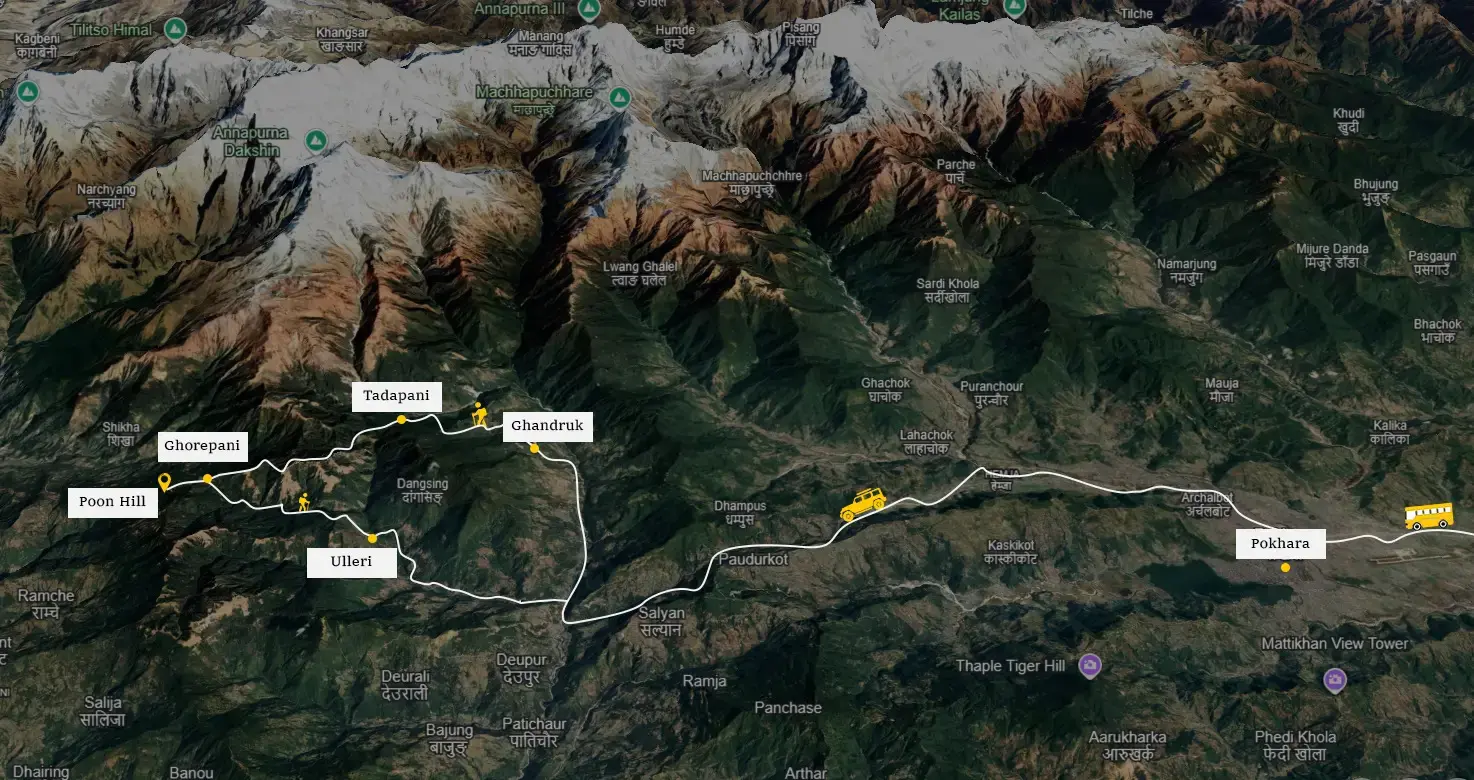
    If you would like a detailed Ghorepani Poon Hill Trek map with marked teahouse stops, permit checkposts, and alternate route options, feel free to contact our team before your departure.

    Want More Comfort or Flexibility?

    If you’d prefer to skip long drives or enjoy more privacy, we offer optional upgrades, including private vehicles or domestic flights between Kathmandu and Pokhara. Check out our “Optional Add-ons” section for more details.

    Ghorepani Poon Hill Trek 6 days
    Elevation Chart
    Day 1
    Hotel, Pokhara
    Breakfast
    Lunch
    Dinner
    Day 2-4
    Teahouses
    Breakfast
    Lunch
    Dinner
    Day 5
    Hotel, Pokhara
    Breakfast
    Lunch
    Dinner
    Day 6
    Transfer to Kathmandu
    Breakfast
    Lunch
    Dinner

    Food & Accommodation

    Accommodation in Pokhara

    In Pokhara, trekkers will stay at Majheri Resort or a similar standard hotel. The rooms are twin-shared, featuring an attached bathroom, hot shower, and free Wi-Fi for a comfortable stay. The hotel provides a relaxing environment, perfect for unwinding before and after the trek.

    Accommodation on the Trek

    Along the trekking route, accommodation will be in traditional teahouses, offering basic yet comfortable lodging.

    • Ghorepani & Ulleri: Twin-sharing rooms with an attached bathroom, providing added comfort in these popular stops.
    • Tadapani: Rooms with a shared bathroom, as facilities are more limited in this remote area.

    Teahouses provide warm blankets, a cozy dining area, and traditional Nepali meals, creating a welcoming mountain experience. Hot showers and Wi-Fi are available at an additional cost.

    Food on the Ghorepani Poon Hill Trek

    During the drive from Kathmandu to Pokhara, meals are not included in the package. However, the trek including scheduled stops at highway restaurants, where trekkers can purchase breakfast, lunch, and snacks.

    Food Options Along the Route

    • Breakfast: Tea/coffee, chapati, omelet, toast, or local snacks
    • Lunch: Dal Bhat (rice, lentil soup, vegetables), fried rice, noodles, or momo (dumplings)
    • Snacks: Biscuits, fruits, dry snacks, and bottled beverages

    The restaurants along the highway offer simple but fresh meals, and travelers can choose based on personal preference. It is recommended to carry light snacks and water for the journey.

    Meals in Pokhara

    In Pokhara, meals are not included in the trek package, allowing trekkers the freedom to explore a variety of restaurants and cafés around Lakeside. Options range from traditional Nepali dal bhat, international cuisines, fresh bakeries, and coffee shops. The hotel provides breakfast, but lunch and dinner can be enjoyed at local or international restaurants based on personal preference.

    Meals on the Trek

    During the trek, teahouses provide freshly prepared home-cooked meals, offering a mix of local and international dishes.

    Breakfast

    • Toast with jam, honey, or butter
    • Tibetan bread or chapati
    • Pancakes or porridge
    • Eggs (boiled, scrambled, or omelet)
    • Tea, coffee, or hot chocolate

    Lunch & Dinner

    • Dal Bhat (Rice, lentil soup, vegetables, and pickles) – A high-energy meal popular among trekkers
    • Noodles, pasta, or spaghetti
    • Momos (Nepali dumplings)
    • Fried rice or chow mein
    • Vegetable soups
    • Pizza (available in some places)

    Snacks & Drinks

    • Seasonal fruits
    • Popcorn or biscuits
    • Energy bars
    • Ginger tea, lemon tea, or black tea

    Food is simple but nutritious, designed to provide the necessary energy for trekking. Vegetarian options are widely available, and trekkers are encouraged to avoid meat at higher altitudes due to storage limitations. Boiled or purified water is available for drinking, and carrying a reusable bottle with water purification tablets is recommended.

    Please inform your guide about any specific requirements or restrictions to ensure your dietary needs are met. While our guides will assist you with ordering meals, we also recommend bringing some extra snacks or supplemental food along, just in case.

    Difficulty rating

    This trek is rated Easy

    The Ghorepani Poon Hill Trek is an easy to moderate trek, ideal for beginners. The trail involves gradual ascents, stone steps, and 4-7 hours of walking per day. With a maximum altitude of 3,210m (10,531 ft), the risk of altitude sickness is low. No prior trekking experience is required.

    Who Can Trek Ghorepani Poon Hill Trek?

    This trek is suitable for:

    • Beginners & First-Time Trekkers
    • Families with Children (8+ years)
    • Elderly Trekkers (Up to 65 years, or older with medical clearance)
    • Solo & Group Trekkers

    Basic fitness is needed, and light training like walking or stair climbing is recommended. Because it stays below altitude-sickness risk, many trekkers use the Ghorepani Poon Hill Trek as a fitness test before they go on to complete the Annapurna Base Camp Trek later in the season."

    Weather

    The Ghorepani Poon Hill Trek experiences four seasons, each offering a different trekking experience. Temperatures vary with altitude, ranging from mild to cold depending on the time of year.

    • Spring (March-May): Pleasant weather with clear skies, blooming rhododendrons, and mild temperatures (10–20°C in the daytime).
    • Summer/Monsoon (June–August): Hot and humid with heavy rainfall, making trails slippery and leech-prone (18–25°C).
    • Autumn (September–November): Best peak season with stable weather, clear mountain view from poon hill, and comfortable temperatures (10–20°C).
    • Winter (December–February): Cold but manageable, with snow at higher altitudes and temperatures dropping to -5°C at night.

    Best Time to Trek Ghorepani Poon Hill Trek

    The best time to trek Ghorepani Poon Hill Trek are March, April, May, September, October, and November due to stable weather, clear views, and comfortable temperatures. Winter trekking is possible but requires extra preparation for cold conditions, while monsoon trekking is not recommended due to heavy rains and poor visibility.

    Since the Ghorepani Poon Hill Trek from Pokhara is easily accessible year-round, the season you choose will largely determine your experience — from rhododendron-lined spring trails to crisp autumn skies with the clearest mountain views.

    • 3 nights in mountain teahouses during the trek
    • 2 nights in Pokhara (Majheri Resort or similar) with twin-sharing rooms, attached bathroom, hot shower, and free WiFi
    • Breakfast, Lunch, & Dinner
    • Experienced trekking guide for 6 days
    • Annapurna Conservation Area Permit (ACAP)
    • Trekkers' Information Management System (TIMS) card
    • Private car from Pokhara to Ghandruk (start of the trek) and Ulleri to Pokhara (end of the trek)
    • Kathmandu–Pokhara–Kathmandu in a deluxe tourist bus
    • Hotels in Kathmandu before or after the trek
    • Foods in Kathmandu
    • Meals in Pokhara (except breakfast)
    • Porter service (Optional extra - 1 porter for every 2 trekkers)
    • International flight tickets to and from Nepal
    • Nepal entry visa fee
    • Personal trekking gear (boots, clothing, poles, etc.)
    • Personal travel insurance (must cover high-altitude trekking)

    How to be prepared for Ghorerepani Poon Hill Trek

    At Places Nepal, we truly believe that to fully experience the magic of trekking in the Himalayas, you need to be physically prepared. Here’s how to get trek-ready:

    • Cardio Training: Build your stamina with regular hiking, running, or cycling.

    • Leg Strength: Strengthen your legs with squats, lunges, and step-ups for those mountain ascents.

    • Backpack Practice: Train with a loaded backpack to mimic real trail conditions.

    • Flexibility & Recovery: Incorporate stretching or yoga to stay limber and injury-free.

    • Stay Consistent: Progress steadily—consistency is key.

    Places Nepal believes fitness is the first step to falling in love with the Himalayas. 🌄

    Packing Tips for Ghorepani Poon Hill Trek

    • Layer Smart: Mornings and evenings can be cold; mid-days are warm. Layering is key.
    • Avoid Cotton: It retains moisture and dries slowly. Choose synthetic or wool materials.
    • Minimize Waste: Bring reusable bottles and biodegradable toiletries.
    • Rental Options:
      • Down jackets, sleeping bags, and trekking poles are rentable in Kathmandu or Pokhara.
    • Shopping in Kathmandu:
      • Thamel has plenty of gear shops with both branded and affordable alternatives. Check for quality.
    • Pack Light: The Poon Hill trek is short; prioritize essentials over bulk.

    General Gear

    • Insulated down jacket (Rent in Kathmandu: USD 30)
    • Sleeping bag rated to -10°C (Rentable if needed)
    • Daypack (35–45L) with a rain cover
    • Duffel bag or backpack (carried by porter, if applicable)
    • Rain poncho or backpack rain cover

    Luggage & Porter Service

    • Main Luggage: Carried by porters (up to 10–12 kg per person). Use a duffel bag for ease.
    • Daypack: Carried by you. Keep essentials like water, camera, snacks, rain gear, and warm layers.
    • Weight Limit Tips:
      • Keep porter bags under 12 kg.
      • Don’t pack unnecessary luxury items.
      • Remove excess packaging before your trek.

    Upper Body

    • 2 moisture-wicking base layers (light or heavy depending on season)
    • 2 short-sleeve shirts (quick-dry)
    • 2 long-sleeve shirts
    • Fleece jacket or mid-layer for warmth
    • Waterproof & windproof shell jacket
    • Lightweight down or synthetic jacket

    Lower Body

    • 2 hiking pants (stretchable or convertible)
    • 1 pair lounge/sleep pants for teahouses
    • 1 thermal base layer (for chilly mornings)
    • Waterproof shell pants (especially Nov–Mar)
    • 1 pair of hiking shorts (for warmer months)

    Feet

    • Hiking boots  (well broken-in, waterproof preferred)
    • 2–3 pairs of wool or synthetic hiking socks
    • 1 pair of liner socks (optional)
    • Lightweight sandals or camp shoes for teahouse wear
    • Microspikes or ice cleats (Nov–Mar only)

    Hands

    • Liner gloves (lightweight wool or synthetic)
    • Insulated gloves (for colder seasons)


    Toiletries & Personal Hygiene

    • Toothbrush & toothpaste
    • Quick-dry travel towel
    • Wet wipes or biodegradable body wipes
    • Toilet paper (2 rolls)
    • Hand sanitizer (alcohol-based)
    • Lip balm with SPF
    • Sunscreen (SPF 30+)
    • Menstrual hygiene products (for women)
    • Razor (optional)
    • Lightweight pillowcase

    Medical Kit

    (Guides carry a basic kit, but bring personal supplies)

    • Personal medications (with prescriptions)
    • Altitude medication (not often needed but optional)
    • Blister plasters (e.g., Compeed)
    • Painkillers (ibuprofen/paracetamol)
    • Antidiarrheal tablets (e.g., Imodium)
    • Rehydration salts/electrolyte tabs
    • Water purification tablets or UV purifier (like SteriPEN)
    • Insect repellent (mosquitoes in lower elevations)

    Miscellaneous Practical Items

    • Reusable water bottle (1L or more)
    • Hydration bladder (optional)
    • Headlamp with extra batteries
    • Sunglasses with UV protection
    • Sun hat/cap and warm beanie
    • Buff, scarf, or neck gaiter
    • Camera or phone with charger
    • Power bank (10,000 mAh+ recommended)
    • Book, playing cards, or journal
    • Trekking poles (collapsible)
    • Thermos or insulated bottle for hot tea
    • Pee bottle/funnel (for nighttime use)
    • Small waterproof bag/dry sack (for documents or electronics)
    • Snacks (nuts, protein bars, dried fruits)

    📌 Need Rentals or Gear Advice?

    Contact us one month before your trip to help with rentals or where to shop in Kathmandu. We’ll ensure you’re fully prepared.

    I joined the Poon Hill trek

    I joined the Poon Hill trek, and it was an amazing experience. First, I want to thank the team Places Nepal Trek and Expedition for their great support. During the trek, I saw beautiful views, especially the sunrise from Poon Hill, which was breathtaking. I also met local villagers and learned about their culture. Overall, this trek was a fun challenge and a wonderful cultural experience. If any of my friends want to go trekking in Nepal or learn about the local culture, I will definitely recommend you! I hope to explore more

    S
    Samantha Ho
    Hong Kong

    Wonderful trek to Nepal

    Sono appena tornata dal mio meraviglioso viaggio in Nepal, terra ricchissima di sorprese. La mia guida Nam è una persona speciale e di gran cuore, preparata, paziente e attenta ad ogni esigenza e ottimo fotografo. Parla perfettamente inglese e spagnolo e non lascia niente al caso. Organizzazione perfetta. Ultra consigliato! Translation: I have just returned from my wonderful trip to Nepal, a land full of surprises. My guide Nam is a special and big-hearted person, prepared, patient and attentive to every need and an excellent photographer. He speaks perfect English and Spanish and leaves nothing to chance. Perfect organization. Ultra recommended!

    G
    Giada Saporiti
    Spain

    An outstanding trek team.

    Ha sido una experiencia maravillosa. Sin PlacesNepal que nos ha enseñado las costumbres locales y cuidado en todo momento y sin Calima Trek, no hubiera sido posible. Un equipo humano de sobresaliente. Translation: It has been a wonderful experience. Without PlacesNepal that has taught us the local customs and taken care of us at all times and without Calima Trek, it would not have been possible. An outstanding team.

    A
    Arantxa Rodríguez Quintana
    Spain

    Places Nepal‘s meticulous trek planning

    Places Nepal‘s meticulous planning made our group vacation stress-free and absolutely delightful. As our trip organizer, our trekking guide’s expertise was evident in every moment, and we're all grateful for your dedication to making it perfect. You provided such a wonderful experience - I was extremely pleased with the time spent with you. I'll be sure to recommend you to anyone looking for a guide. Looking forward to seeing you again :)

    K
    Kat
    Hong Kong

    Nam Raj Professional Trekking Guide

    Si quieres vivir una experiencia única en Nepal, en las mejores manos, con todos los cuidados y la experiencia necesaria, además disfrutar de los mejores paisajes y sitios de ensueño divirtiéndote al máximo, este es tu sitio "PLACES NEPAL TREK AND EXPEDITION" Nam Raj Professional Trekking Guide.💚💚

    C
    Carmen Navarro
    Spain

    que también habla español

    Magnífica experiencia en este viaje diferente en el que disfrutamos de los mejores paisajes, la visión del Anapurna al amanecer es indescriptible, el contacto amable con la comunidad local rural, su ritmo pausado y, sobre todo, la seguridad que en todo momento nos brindó nuestro guía, Nam Raj (que también habla español) y el equipo completo de places nepal.

    I
    Inma Toscano
    Spain

    Gracias, gracias, gracias

    Grandes profesionales del treking y excelente trato humano. Son personas que te cuidan y ofrecen experiencias increíbles, además realizan una excelente labor ayudando a niños/as del país sin recursos. Gracias, gracias, gracias 🙏♥️

    M
    Miranda Verdu
    Spain

    Trip Overview

    The Ghorepani Poon hill Trek is one of Nepal’s most popular short trekking adventures, offering a perfect blend of breathtaking mountain views, rich cultural experiences, and lush Himalayan landscapes—all within just six days. Nestled in the heart of the Annapurna region, this trek is ideal for beginners, families, and trekkers short on time but eager to experience the magic of the Himalayas.


    At the heart of the journey is the legendary Poon Hill viewpoint (3,210 meters), from where you can witness an unforgettable sunrise over the Annapurna and Dhaulagiri ranges. As the early morning light hits the snowcapped peaks, a golden glow spreads across the sky—revealing a panoramic canvas of Machapuchare (Fishtail), Annapurna South, Dhaulagiri, Hiunchuli, and more. It’s a view that stays with you long after the trek is over.


    The Ghorepani Poonhill Trek begins in the charming village of Ghandruk, inhabited by the Gurung people, and meanders through forests of rhododendron and oak, picturesque stone steps, and peaceful mountain settlements like Tadapani, Ghorepani, and Ulleri. This short yet immersive trek offers a close-up look at life in the mid-Himalayan hills and delivers an outstanding variety of scenery—from terraced rice fields to alpine ridges—within a compact itinerary.

    Why Choose the Ghorepani Poonhill Trek?

    • Poon Hill is widely considered one of the best viewpoints in Nepal, with a 360-degree panoramic display of the Annapurna and Dhaulagiri massifs at sunrise.

    • Entire trek fits into a 6-day schedule without compromising on Himalayan beauty or cultural depth.

    • With a maximum elevation of just over 3,200 meters, this trek avoids the risk of high-altitude sickness while still offering high-mountain experiences.

    • During spring (March–April), the trail is ablaze with blooming rhododendron forests, making the journey even more spectacular.

    • Meet and interact with the Gurung and Magar communities, known for their warm hospitality, traditional dress, and deep-rooted mountain culture.

    • Stay in cozy, locally-run lodges offering hot meals, warm beds, and friendly faces at the end of each day’s walk.

    • This trek is a favorite among first-time trekkers, families with kids, and older adventurers looking for an accessible Himalayan experience.

    Permits Required for the Ghorepani Poonhill Trek

    To ensure a safe and regulated trekking experience in the Annapurna region, the following permits are required:

    1. Annapurna Conservation Area Permit (ACAP) – This supports environmental conservation and community development within the Annapurna region.

    2. TIMS Card (Trekkers’ Information Management System) – A mandatory document that ensures your trek is recorded for safety and rescue operations if needed.

    At Places Nepal, we take care of all permit arrangements, so you can focus entirely on enjoying your trek.

    Route Description & Altitude Highlights

    Your journey begins in Kathmandu, followed by a scenic drive to Pokhara, a vibrant lakeside city at 830 meters known for its calm atmosphere and spectacular views of the Annapurna range. After an overnight stay, you'll travel by jeep to Ghandruk (1,940m), a beautiful Gurung village nestled on a hillside with incredible views of Annapurna South and Machapuchare.

    From Ghandruk, the trail gently ascends through rhododendron and oak forests to Tadapani (2,700m), where trekkers enjoy stunning ridge views and peaceful surroundings. As you progress to Ghorepani (2,850m), the trail winds through thick woodlands, with the sounds of birds and distant rivers filling the air. Ghorepani was once a rest stop for ancient mule caravans and is now a favorite resting place for trekkers.


    The highlight of the trek comes early the next morning with a pre-dawn hike to Poon Hill (3,210m). As the sky brightens, you’ll witness one of the most iconic sunrises in the Himalayas—golden rays touching the snowy peaks of Dhaulagiri, Annapurna I, Nilgiri, and Machapuchare. It’s a visual spectacle that feels both spiritual and surreal.

    After soaking in the view, you’ll descend through rhododendron forests and stone steps to Ulleri (1,570m), a picturesque village surrounded by terraced farmland. From here, a comfortable jeep ride returns you to Pokhara, where you can unwind by the lake or explore local markets before driving back to Kathmandu.

    Referring to the Ghorepani Poon Hill Trek map while reviewing the itinerary helps you visualize daily distances, altitude changes, and key villages along the Annapurna Base Camp trail.

    A Perfect Short Trek with Big Rewards

    The Ghorepani Poonhill Trek is proof that you don’t need to venture far or climb high to witness the grandeur of the Himalayas. It’s a compact trek with big payoffs: epic views, cultural richness, and peaceful trails, all within a few days’ reach from Pokhara and Kathmandu.

    Whether you're a solo traveler, a couple, or a family with children, this trek promises a memorable Himalayan experience — guided with care by the experienced team at Places Nepal.

    Monday 7th September 2026
    To Saturday 12th September 2026
    Guaranteed to run
    Monday 14th September 2026
    To Saturday 19th September 2026
    Guaranteed to run
    Monday 21st September 2026
    To Saturday 26th September 2026
    Guaranteed to run
    Monday 28th September 2026
    To Saturday 3rd October 2026
    Guaranteed to run
    Monday 5th October 2026
    To Saturday 10th October 2026
    Guaranteed to run
    Monday 12th October 2026
    To Saturday 17th October 2026
    Guaranteed to run
    Monday 19th October 2026
    To Saturday 24th October 2026
    Guaranteed to run
    Monday 26th October 2026
    To Saturday 31st October 2026
    Guaranteed to run
    Monday 2nd November 2026
    To Saturday 7th November 2026
    Guaranteed to run
    Monday 9th November 2026
    To Saturday 14th November 2026
    Guaranteed to run
    Available - Only 5 spots left
    Monday 16th November 2026
    To Saturday 21st November 2026
    Guaranteed to run
    Available - Only 5 spots left
    Monday 23rd November 2026
    To Saturday 28th November 2026
    Guaranteed to run
    Monday 30th November 2026
    To Saturday 5th December 2026
    Guaranteed to run
    Monday 7th December 2026
    To Saturday 12th December 2026
    Guaranteed to run

    Know Before Booking

    Ghorepani Poon Hill Trek 6 days

    The best time to trek Ghorepani Poon Hill is in spring (March to May) and autumn (September to November). These seasons provide the most reliable weather, clear skies, and comfortable temperatures for trekking and mountain views. 

    In spring, the Ghorepani trail is filled with blooming rhododendrons, and temperatures range between 10°C and 24°C, with little to no rainfall. 

    Autumn comes right after the monsoon, offering fresh greenery, crisp air, and stunning views of the Annapurna and Dhaulagiri ranges. 

    These are the busiest trekking periods, so expect more hikers on the trails and slightly higher prices at teahouses. 

    Monsoon (June to August) brings heavy rain, while winter (December to February) can be very cold, making trekking more difficult. 

    Overall, spring and autumn are the best times for a safe, scenic, and enjoyable Ghorepani Poon Hill trek.

    The Ghorepani Poon Hill trek is described as easy to moderate-level, making it accessible to both beginners and experienced trekkers. This 6-day itinerary combines 4-6 hours of walking, steep ascents, and stone staircases, which require an average level of stamina and determination.

    On Day 2, trekkers face their first real challenge, walking from Ghandruk to Tadapani on forested trails with steady climbs. The following day involves another demanding section, as the trek from Tadapani to Ghorepani includes multiple ascents and descents that can test leg strength.

    The toughest part, however, comes on Day 4. The early morning 2-hour sunrise hike to Poon Hill involves an uphill climb, but the reward is a panoramic sunrise view of the Annapurna and Dhaulagiri ranges. Afterward, the descent to Ulleri includes thousands of stone steps, which can be particularly tough on the knees.

    This Ghorepani Poon Hill trek covers around 50 kilometers in 4 trekking days, with the highest point reaching 3,210 meters (10,531 feet). The altitude is moderate, so while serious acclimatization is not usually necessary, some people may still feel mild effects of the thinner air.

    Fitness Preparation

    • Cardio Fitness: Regular walking, jogging, or cycling before the trek helps prepare for the long hours of daily hiking.
    • Leg Strength: Squats, stair climbing, or hill walking are highly recommended to build endurance for the steep ascents and descents.
    • Stamina & Endurance: The trek requires walking 5–7 hours a day, so consistency in physical activity beforehand is key.
    • Mental Readiness: The stone steps, variable weather, and back-to-back trekking days demand patience and determination.

    Who Can Do It?

    The Ghorepani Poon Hill trek is achievable for anyone with a basic to average fitness level. Prior trekking experience is useful but not mandatory. Families, first-time trekkers, and casual adventurers can comfortably complete it with proper preparation.

    You don’t need to worry about arranging permits yourself — the cost of both permits is already included in your package price, and the Places Nepal team will secure them on your behalf.

    👉 After booking, simply send us a photocopy of your passport along with a copy of your travel insurance, and we’ll handle the rest.

    Required Permits

    1. Annapurna Conservation Area Permit (ACAP):
      • Cost: NPR 3,000 (about USD 25) for foreigners, NPR 100 for SAARC nationals.
      • Purpose: Helps fund conservation and local community projects in the Annapurna region.
    2. Trekkers’ Information Management System (TIMS) Card:
      • Cost: NPR 2,000 (about USD 17) for individual trekkers, NPR 1,000 if trekking with a guide/agency.
      • Purpose: Provides trekker safety and record-keeping for the authorities.

    Where to Get Them

    • Kathmandu: Nepal Tourism Board office (Bhrikutimandap).
    • Pokhara: Nepal Tourism Board office (Damside).

    Both permits are checked along the route, so trekkers must carry them at all times.

    Accommodation and food on Ghorepani Poon Hill trek are basic but reliable, giving trekkers a warm place to rest and plenty of hearty meals to fuel long days of hiking.

    Where You'll Stay on Ghorepani Poon Hill Trek

    Along the Ghorepani Poon Hill trail, trekkers stay in teahouses (locally run guesthouses). These are simple but comfortable, offering twin-sharing rooms with basic beds, blankets, and pillows. Bathrooms are shared, and hot showers are available for a small extra fee. The teahouses also provide cozy dining halls with wood stoves, where trekkers gather in the evenings.

    What You'll Eat on Ghorepani Poon Hill Trek

    Meals are served at the teahouses and follow a standard trekking menu. Expect a mix of Nepali and international dishes, including:

    • Dal Bhat (rice, lentil soup, vegetables) – the staple trekking meal, unlimited refills in most places.
    • Noodles, pasta, fried rice, or potatoes for variety.
    • Eggs, porridge, pancakes, or Tibetan bread for breakfast.
    • Hot drinks like tea, coffee, or ginger lemon honey tea are widely available.

    Important to Know

    • Food and accommodation costs rise slightly with altitude due to transport challenges.
    • Fresh meat is rare on the trail; most trekkers stick to vegetarian meals for safety and freshness.
    • Drinking water can be purchased in bottles, but we suggest that trekkers opt for refill stations or purification tablets to reduce cost and plastic waste.

    A standard 4–6 day Ghorepani Poon Hill trek typically costs USD 420–600 per person, depending on whether you choose a guided package or travel independently, the group size, transport method, and accommodation style.

    Daily On-Trail Expenses

    If trekking independently or without a full-board package, expect USD 20–30 per day for meals and drinks. Local options like dal bhat, noodles, or pancakes are inexpensive at lower elevations but become slightly costlier at higher altitudes. Additional small fees may apply for hot showers, charging devices, or Wi-Fi (USD 2–3 per service).

    Optional Costs

    • Porter hire: USD 20–25 per day
    • Personal expenses: Snacks, souvenirs, or tips
    • Pokhara accommodation: USD 25–50 per night
    • Travel insurance: Required if trekking with a guide

    Transportation Costs

    • Tourist bus (Kathmandu–Pokhara): USD 15–20 one-way
    • Private vehicle: USD 150–180 per group
    • Domestic flight (Kathmandu–Pokhara): USD 100–130 one-way (optional, faster)

    Tipping Guidelines

    Tipping is customary in Nepal and appreciated:

    • Guide: USD 5–10 per day
    • Porter: USD 3–5 per day

    For a clear breakdown of the Ghorepani Poon Hill Trek cost — including what is and is not covered — our team is available to walk you through every detail before you book.. The 6-day guided trek costs USD 420 per person in a group and USD 600 for solo trekkers. This price includes accommodation (3 nights in mountain teahouses and 2 nights in Pokhara), all meals, a licensed trekking guide, permits (ACAP and TIMS), and transportation from Kathmandu to Pokhara and from Pokhara to the trek start and finish.

    For those who prefer to trek independently, expenses are lower but require more planning. Independent trekkers can expect to spend USD 300–400, covering permits, accommodation, meals, and transport. Keep in mind, there’s no guide or porter, so you’ll carry your own gear and handle logistics yourself.

    Trekkers start early, around 6:30 AM, with breakfast at the teahouse — options include pancakes, porridge, Tibetan bread, or eggs. By 7:30–8:00 AM, the trek begins.

    Mornings involve 3–4 hours of walking through rhododendron forests, stone steps, and Gurung and Magar villages, with clear views of Annapurna South, Machapuchare, and Dhaulagiri. Breaks are taken for rest and photos.

    Lunch is at a local teahouse en route, typically Dal Bhat, noodles, or vegetable fried rice. The afternoon trek lasts 2–3 hours, ending at the day’s overnight stop by late afternoon. Evenings are for tea, rest, and dinner around 6:30 PM, usually lentils, rice, chapati, and sometimes dessert.

    On the Poon Hill sunrise day, trekkers wake around 4:30 AM for a short climb to the summit. From the top, the sun rises over the Annapurna and Dhaulagiri ranges, creating panoramic mountain views.

    Trekkers have two main options for carrying gear on the Ghorepani Poon Hill trek: hiring a porter or carrying everything yourself.

    With a Porter:

    • A porter carries your backpack, up to 20–22 kg.
    • Allows you to trek lighter and at a more relaxed pace.
    • Recommended for first-time trekkers, those with less stamina, or anyone carrying heavier loads.
    • Daily cost is USD 25, plus tips.

    Without a Porter:

    • Trekkers carry their own backpack, typically 8–12 kg is manageable.
    • Offers more independence and flexibility but requires good stamina and endurance.
    • Ideal for experienced trekkers or those who prefer self-sufficiency.

    Key Considerations:

    • Hiring a porter reduces physical strain but adds cost.
    • Trekking without a porter is cheaper but more physically demanding.

    The choice depends on fitness level, personal preference, and budget. For moderate trekkers, carrying a light pack without a porter is manageable, while beginners or those seeking a more comfortable pace may benefit from hiring a porter.

    Your Ghorepani Poon Hill trek begins upon arrival at Tribhuvan International Airport (TIA) in Kathmandu, Nepal’s capital and gateway to the Himalayas. After clearing immigration and collecting luggage, you can obtain a Visa on Arrival (most nationalities eligible).

    Visa Fees:

    • 15 days – USD 30
    • 30 days – USD 50
    • 90 days – USD 125

    Bring the printed online form and exact USD cash to expedite the process.

    Airport Transfer: If pre-booked with Places Nepal, a representative will meet you at the terminal. Otherwise, taxis are available.

    Accommodation: Staying in Thamel is recommended for convenience. It offers restaurants, trekking gear shops, and easy access to Places Nepal’s office for your pre-trek briefing and gear check.

    Exploring Kathmandu: If time permits, consider a short tour of key sites such as Swayambhunath (Monkey Temple), Patan Durbar Square, or local markets. Half-day or full-day city tours can be arranged.

    Flight Time:

    • International flights: All long-haul flights arrive in Kathmandu in the morning or evening. Connecting flights from major Asian hubs typically take 3–6 hours.
    • Domestic flights to Pokhara (optional for trek start): About 25–30 minutes, with daily flights.

    Notes:

    • Airport pickup is free.
    • Kathmandu hotel is not included; Thamel has multiple options.
    • Short guided city tours can be arranged before or after the trek.

    FAQs for Ghorepani Poon Hill Trek 6 days

    General FAQs

    The trek starts at Ghandruk (reached by a drive from Pokhara) and ends at Ulleri, from where a private jeep returns trekkers to Pokhara.

    The standard itinerary is 6 days, including the Kathmandu–Pokhara drives. The actual trekking portion takes about 4 days, covering Ghandruk, Tadapani, Ghorepani, Poon Hill, and Ulleri.

    The sunrise from Poon Hill (3,210m), offering a 360-degree panoramic view of the Annapurna and Dhaulagiri ranges, including Machhapuchhre (Fishtail Peak).

    While independent trekking is possible, a licensed guide is recommended for navigation, permit handling, safety, and local insight, and is included in the standard package.

    Trek Cost

    A guided 4–6 day trek typically costs USD 420–600 per person, varying by group size, season, and accommodation. The Places Nepal package starts from USD 520 per person for groups of 2–5.

    Teahouse and Pokhara accommodation, daily meals, a licensed guide, ground transportation, and all required permits (ACAP and TIMS) are included.

    Plan for USD 2–5 each for hot showers, Wi-Fi, and device charging per use, plus a recommended USD 200 emergency cash buffer, since ATMs aren't available on the trail.

    Guides typically receive USD 5–10 per day and porters USD 3–5 per day, given at the end of the trek as a group tip to the lead guide.

    Trek Permit Required

    Two permits: the Annapurna Conservation Area Permit (ACAP) and the Trekkers' Information Management System (TIMS) card.

    ACAP costs around NPR 3,000 (~USD 25) for foreigners; TIMS costs about NPR 2,000 (~USD 17) individually, or NPR 1,000 when trekking with a guide/agency.

    Checkpoints are located along the trail, and trekkers must carry both permits at all times during the trek.

    Transportation

    You travel by tourist bus from Kathmandu to Pokhara (about 7 hours), then by private jeep from Pokhara to Ghandruk, the trailhead.

    Yes, complimentary airport pickup and drop-off in Kathmandu are provided regardless of arrival or departure time, as long as flight details are shared in advance.

    Yes, optional domestic flights (about 25–30 minutes, USD 100–130 one-way) are available as an upgrade for those who prefer to skip the road journey.

    Health and Safety

    The risk is low since the maximum elevation is 3,210m at Poon Hill, well below the altitude where serious acclimatization is typically required, though some trekkers may feel mild effects of thinner air.

    Yes, personal travel insurance covering high-altitude trekking is required and is not included in the package price.

    Stay hydrated, eat well (Dal Bhat is recommended for energy), avoid risky meat dishes at altitude, use purification tablets or refill stations for water, and inform your guide of any medical conditions or medications.

    Packing and Prep

    Essentials include layered clothing, a waterproof jacket, sturdy broken-in hiking boots, a sleeping bag, a daypack, a headlamp, trekking poles, sun protection, and a basic personal medical kit.

    Yes, items like down jackets, sleeping bags, and trekking poles can be rented in Kathmandu or Pokhara, with shops in Thamel offering both branded and affordable options

    Trek Difficulty

    It's rated easy to moderate, involving 4–7 hours of walking daily, gradual ascents, and stone staircases. No technical climbing skills are needed.

    The early morning climb to Poon Hill and the long descent of stone steps from Ghorepani to Ulleri, which can be tough on the knees, are generally considered the most demanding sections.

    A basic to average fitness level is enough. Light pre-trek training like walking, stair climbing, or cardio is recommended, but no prior trekking experience is required.

    Weather & Temperature

    Spring (March–May) and autumn (September–November) offer the most stable weather, clear mountain views, and comfortable temperatures.

    Winter trekking is possible with extra cold-weather gear, though nights can drop to -5°C. Monsoon trekking (June–August) is discouraged due to heavy rain, slippery trails, and poor visibility.

    Ready to make a choice

    Check out these other trips in Nepal.

    Adventure with Experts

    Our trips are led by certified expert guides, granting you access to Nepal’s hidden gems that most travelers miss.

    Small Groups, Big Experiences

    At Places Nepal, trekking is a celebration of nature, a journey that nourishes the body, mind, and soul. Most of our travelers join solo.

    hassle-free Adventure

    All Logistics taken care of. Just show up and have a blast. We handle the details, you enjoy the adventure.

    Our Trek Again philosophy

    Life happens. If you can't finish your trek, or if you simply love it and want to do it again, you're welcome to repeat it with us, free of charge.

    Tried and Trusted

    Hear what our travelers had to say about us.

    Zeno - Germany
    Manaslu Circuit Trek
    Carlos Javier - Spain
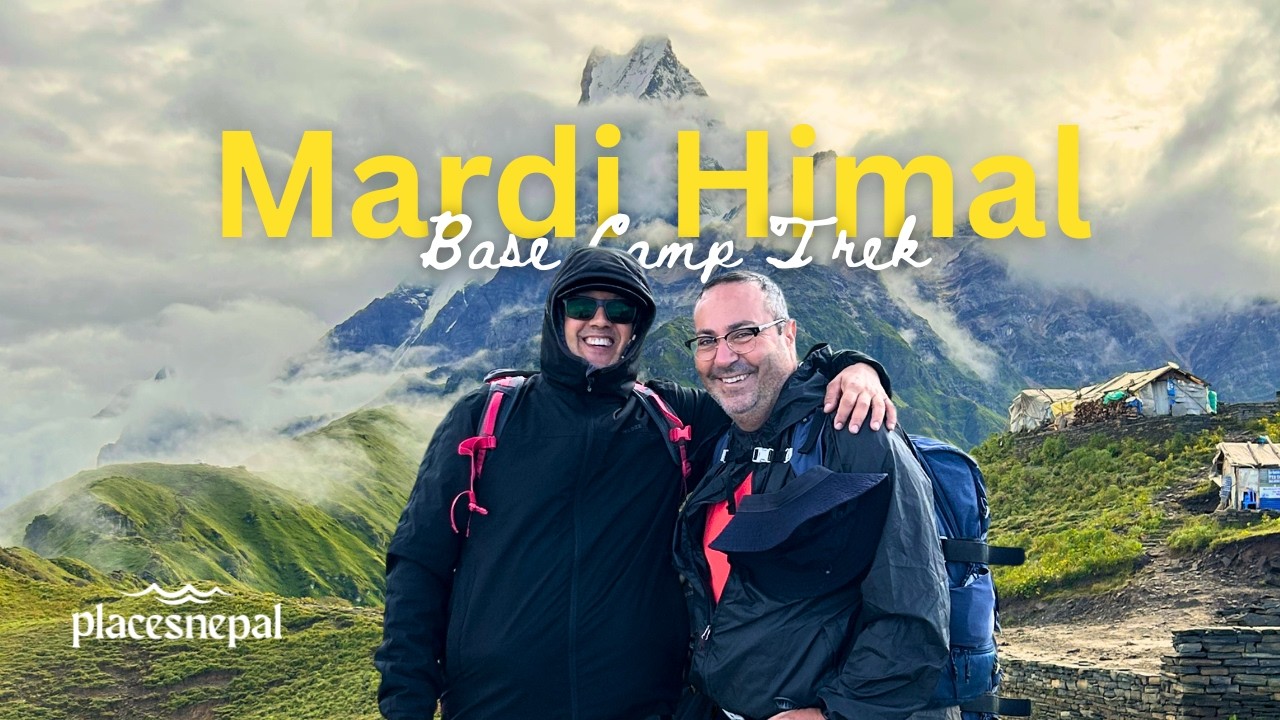
    Mardi Himal Trek
    Manaslu Circuit Trek Explained
    Manaslu Circuit Trek
    Tessa - United States
    Manaslu Circuit Trek
    Dawid (Poland)
    Manaslu Circuit Trek
    Swammy - United States
    Everest Base Camp Trek
    Jeroen & Lina - Belgium
    Manaslu Circuit Trek
    Family Trek: Gillian - London
    Short Manaslu Circuit Trek
    Jaoa - Portugal
    Manaslu Circuit Trek
    Kylan - United Kingdom
    Short Manaslu Circuit Trek
    Monica Troilo - Italy
    Manaslu Circuit Trek
    Pedro - Portugal
    Manaslu Circuit Trek
    A Family Trek
    Manaslu Circuit Trek
    Dave - London
    Manaslu Circuit Trek

    Planning a Trek?

    Talk to our experts first.

    Plan My Trip