Everest Base Camp Trek Helicopter Return

Nepal
9 Days
Moderate
Everest Base Camp, Without the Long Walk Back. Reach 5,364m on Foot. Return by Air.
From US$ 2,200
US$ 1,990
No of people Price per person
1 - 1 $2,200
2 - 5 $1,990
6 - 10+ $1,830

What's included?

All ground transfer

Private airport transfers

Teahouse Accomodations

All accommodations during the trek

Helicopter Return

Helicopter flights from Gorakshep to Lukla

All Meals

All meals (breakfast, lunch, dinner) during the trek

Trek Guide

Licensed English speaking trek guide

Domestic Flight

Round-trip Kathmandu/Manthali ↔ Lukla flight

What is it really like?

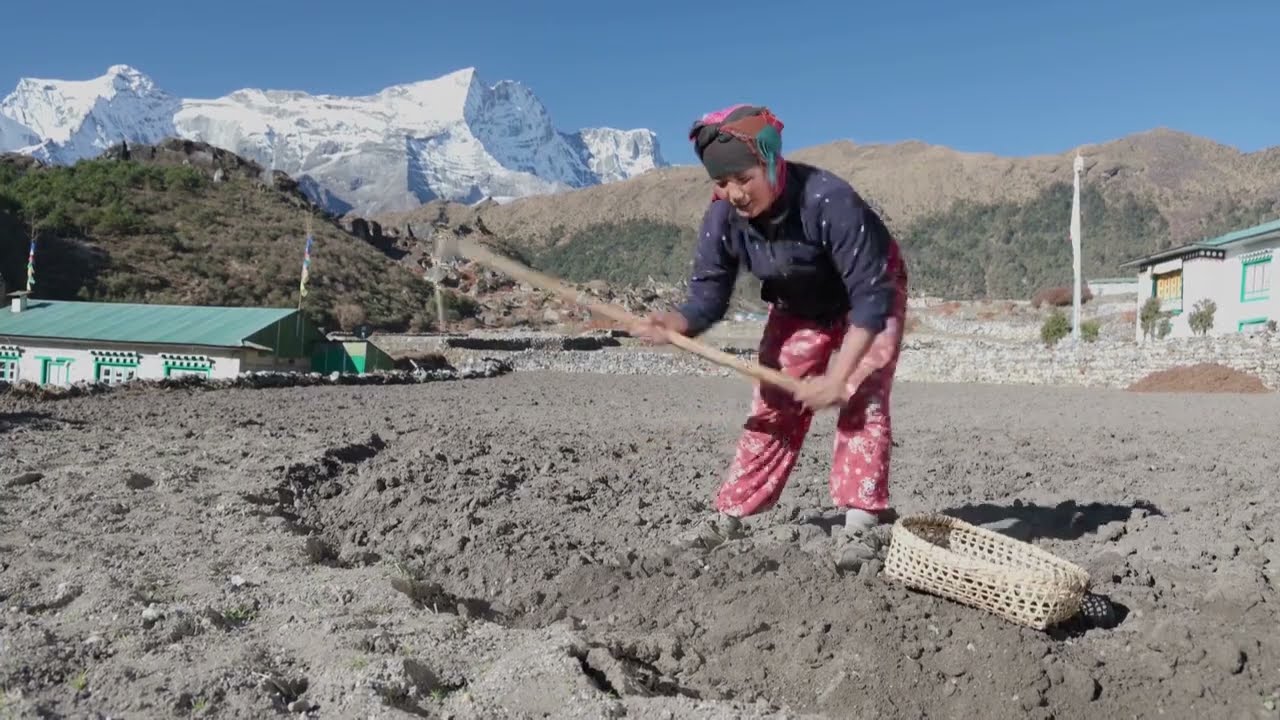
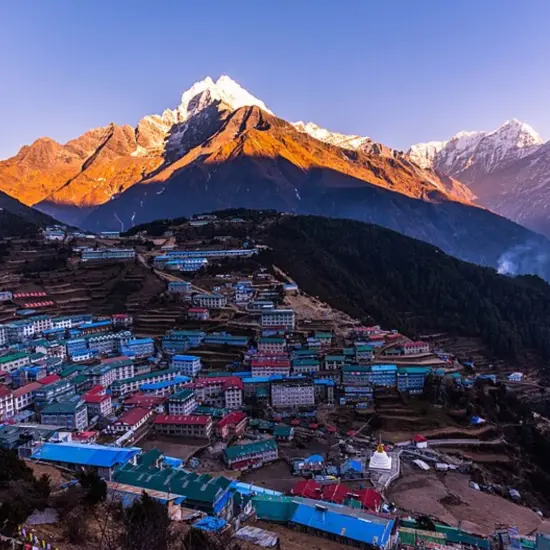
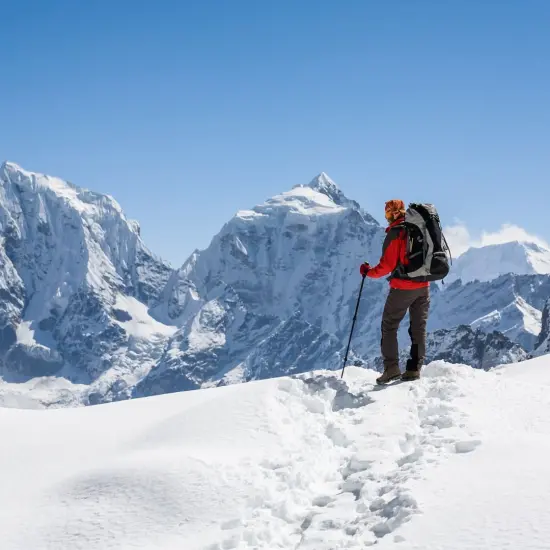
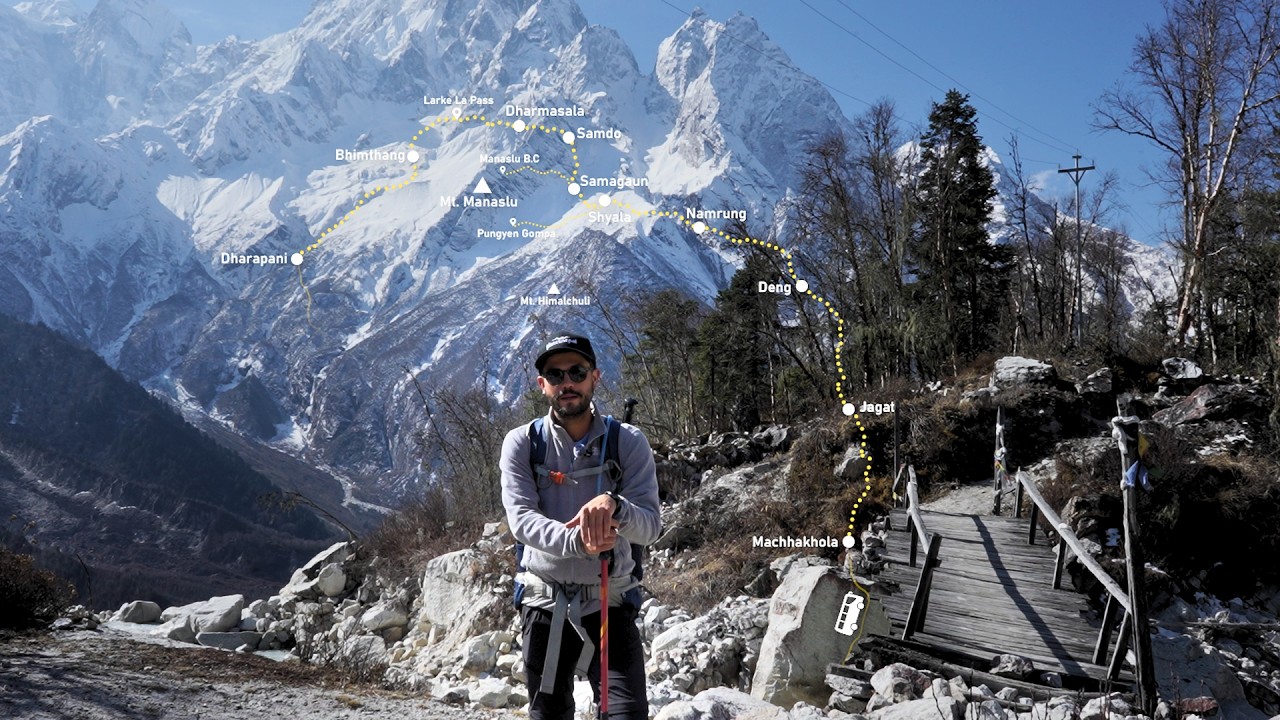
Photos from the Everest Base Camp Trek Helicopter Return

Reach the base of the world’s highest mountain, standing in awe at the foot of Mount Everest (8,848m), a lifelong dream for many trekkers.

Begin your trek with a thrilling scenic helicopter flight into Lukla, one of the world’s most famous mountain airstrips.

Explore traditional Sherpa villages like Namche Bazaar and Tengboche, rich in culture, history, and hospitality.

Enjoy attentive, personalized service with experienced English-speaking guides who prioritize your safety and comfort.

Key Information

Max. altitude

2,860 m / 9,383 ft

Accommodation

Teahouse

Meals

Lunch & Dinner

Before Day 1 — arrive in Kathmandu one full day early

Plan to land in Kathmandu at least one full day before Day 1 and attend the pre-trek briefing on the evening of Day 0 at our Thamel office. The briefing covers your Lukla flight plan, a final gear check, duffel handover, and permits — and it matters more than usual on this itinerary, because Day 1 can start as early as 1:00 AM in peak season. Your free airport pickup applies whenever you land.
Flight altitude
2,860 m / 9383 ft (Lukla)
Night altitude
2,610 m / 8,563 ft (Phakding)

7–8 km / 4.3–5 miles

Trek distance

2–3 hrs

Walking time

Route overview

Kathmandu / Manthaliflight departure
Lukla2,840 m · Tenzing-Hillary Airport
Cheplung / GhatDudh Koshi trail
Phakding2,610 m · overnight

The journey to Everest Base Camp opens with the legendary mountain flight into Lukla — a runway carved into a hillside at 2,840 m, and one of aviation's great arrivals. From there, an easy 2–3 hour walk descends gently along the Dudh Koshi River through pine forest and past the first mani stones and prayer wheels to Phakding, a relaxed riverside first night that lets your body begin adjusting from the very first day.

Flight options — Kathmandu or Manthali?

Manthali Airport (RHP) to LuklaPeak: Mar–May & Sep–Nov

20-minute flight, plus a 5–6 hour shared shuttle from Kathmandu departing 1:00–3:00 AM. The early start is the price of peak-season mountain views — and it's over by breakfast.

Tribhuvan Int'l Airport (KTM) to LuklaOff-peak: Jan–Feb, Jun–Aug, Dec

35-minute flight direct from Kathmandu's domestic terminal, with a civilised 5:00–6:00 AM hotel pickup.

Helicopter upgrade — Kathmandu to LuklaOptional · USD $590/person

Direct from Kathmandu in any season, based on 5 sharing — skip the Manthali drive entirely and start the trek the way you'll finish it: by air.

Trail breakdown

  • Morning · Lukla 2,840 m

    Landing at Tenzing-Hillary Airport

    Permit checks, porter loading, and the trail begins

    After landing, your guide handles the Khumbu Pasang Lhamu permit formalities while porters organise the duffels. The trail leaves Lukla through its archway gate and descends gently — a kind first day by design.

  • Midday · The Dudh Koshi trail

    Riverside walking to Phakding

    Suspension bridges, mani walls, and Kusum Kanguru upvalley

    The trail follows the milky-blue Dudh Koshi through pine forest and small Sherpa settlements, crossing the first of the route's famous suspension bridges. Phakding arrives quickly — an easy afternoon and an early night after the pre-dawn start.

Tips for Day 1

  • Sleep on the Day 0 evening, not the Day 1 flight. With a 1–3 AM peak-season pickup, the briefing-day early night is the most important sleep of the week.
  • Left-side seats on the Lukla flight give the best Himalayan panorama in clear weather.

Max. altitude

3,440 m / 11,286 ft

Altitude Gain

830 m / 2,723 ft

Accommodation

Teahouse

Meals

Breakfast, Lunch & Dinner

12 km / 7.5 miles

Trek distance

5–6 hrs

Walking time

Route overview

Phakding2,610 m · start
MonjoSagarmatha NP gate
Hillary Bridgefirst Everest glimpse
Namche Bazaar3,440 m · overnight

The first real test — and one of the most storied days in world trekking. The trail enters Sagarmatha National Park at Monjo, crosses the soaring Hillary Suspension Bridge, and climbs a sustained 600 m through pine forest to Namche Bazaar, the amphitheatre-shaped Sherpa capital of the Khumbu. Somewhere on that climb, through a gap in the trees, Everest shows itself for the first time.

  • Morning · Monjo & the park gate

    Into Sagarmatha National Park

    UNESCO World Heritage — permits checked at the gate

    Riverside walking leads through Benkar and Monjo to the national park entrance, where your guide handles the permit formalities. The gorge deepens and the crowds of porters, yak trains, and trekkers make the trail feel like the highway to the highest place on earth — because it is.

  • Midday · Hillary Bridge & the big climb

    The climb to Namche — first sight of Everest

    600 m of switchbacks; look for the summit plume near the halfway viewpoint

    The high Hillary Suspension Bridge marks the start of the day's work: two hours of steady switchbacks through fragrant pine. At the halfway viewpoint, on a clear day, Everest's black pyramid and its snow plume appear above the Nuptse ridge — the first hello of the trip.

  • Afternoon · Namche Bazaar 3,440 m

    Arrive in the Sherpa capital

    Bakeries, gear shops, and the last reliable ATMs of the route

    Namche's horseshoe of lodges and shops fills a natural bowl beneath sacred Khumbila. Coffee, bakeries, and hot showers make the climb feel instantly worthwhile — settle in, you're here two nights.

About Namche Bazaar — your base for two nights

Altitude3,440 m / 11,286 ft
FacilitiesATMs, bakeries, gear shops, hot showers, Wi-Fi
MarketSaturday bazaar — the Khumbu's trading heart
First night above 3,400 m: mild headache, reduced appetite, or restless sleep are common and usually settle. Hydrate steadily and tell your guide about anything more than mild — that's what they're here for.

Max. altitude

3,880 m / 12,730 ft

Altitude Gain

440 m / 1,444 ft

Accommodation

Teahouse

Meals

Breakfast, Lunch & Dinner

Up to 3,880 m

Acclimatisation high point

3–4 hrs

Recommended hike

The first of two scheduled acclimatisation days — and the foundation of a safe trip to 5,364 m. The golden rule is active rest: climb a few hundred metres, enjoy the Khumbu's most famous viewpoint panorama, and sleep back down in Namche. On a 9-day itinerary that ends with a helicopter rather than a walk out, these two acclimatisation days carry the entire altitude strategy — treat them as the most important days of the trek.

  • Morning · The classic loop

    Everest View Hotel hike (~3,880 m)

    Everest, Lhotse, and Ama Dablam over morning tea

    The trail climbs the ridge above Namche past the Syangboche airstrip to the Hotel Everest View terrace — Everest, Lhotse, Nuptse, and Ama Dablam arranged across the horizon. Return via the traditional villages of Khumjung and Khunde for the full loop, or directly for a shorter morning.

  • Afternoon · Namche at leisure

    Rest, hydrate, explore

    Sherpa Culture Museum, bakeries, last-minute gear

    The afternoon is deliberately free — the Sherpa Culture Museum above town is excellent, the bakeries are better, and any forgotten gear can still be bought or rented here. Namche is the last full-service stop of the route: use it.

Tips for Day 3

  • Withdraw all remaining cash today — Namche's ATMs are the last reliable machines before Base Camp and back.
  • Hike the viewpoint even if you feel perfect. Acclimatisation is banked in advance — today's climb pays out at Lobuche and Gorakshep.

Max. altitude

3,860 m / 12,664 ft

Altitude Gain

380 m / 1,247 ft

Accommodation

Teahouse

Meals

Breakfast, Lunch & Dinner

11 km / 6.8 miles

Trek distance

5–6 hrs

Walking time

Route overview

Namche3,440 m · start
Phunki Thangariver crossing, lunch
Tengboche3,860 m · monastery visit
Debuche3,820 m · overnight

One of the most beautiful trail days in Nepal. A high balcony path contours out of Namche with Ama Dablam ahead and Everest beyond, drops to the river at Phunki Thanga, then climbs through rhododendron forest to Tengboche — the Khumbu's greatest monastery, set on a ridge with a panorama that has stopped every trekker since the 1950s. After monastery time (and the late-afternoon puja if timing allows), a short forest descent reaches the quiet lodges of Debuche.

  • Morning · The balcony trail

    Namche to Phunki Thanga

    Ama Dablam's spire leads you east

    The contour trail out of Namche is a highlight in itself — wide, gently graded, with the route's most photogenic mountain, Ama Dablam, drawing the eye ahead. A descent to the water-driven prayer wheels at Phunki Thanga sets up the day's climb.

  • Afternoon · Tengboche 3,860 m

    Tengboche Monastery — the spiritual heart of the Khumbu

    Evening puja around 5 PM (schedule permitting) — quietly unmissable

    Two hours of switchbacks through forest arrive at the monastery ridge: Everest, Nuptse, Lhotse, and Ama Dablam in one sweep, with the great gompa in the foreground. Expedition teams have sought blessings here since the first ascents. If the timing works, sitting quietly at the back of the monks' puja is one of the trip's defining half-hours.

  • Late afternoon · Debuche 3,820 m

    Down to the rhododendron lodges

    Quieter and slightly lower than Tengboche — a smarter night's sleep

    Fifteen minutes below the monastery, Debuche's lodges sit in sheltering forest — quieter than Tengboche's busy ridge and 40 m lower, a small but real acclimatisation advantage.

Max. altitude

4,410 m / 14,469 ft

Altitude Gain

590 m / 1,936 ft

Accommodation

Teahouse

Meals

Breakfast, Lunch & Dinner

11 km / 6.8 miles

Trek distance

5–6 hrs

Walking time

Route overview

Debuche3,820 m · start
Pangbocheoldest gompa in the Khumbu
Somarelunch stop
Dingboche4,410 m · overnight

The landscape transforms today. Crossing the Imja Khola, the trail climbs through Pangboche — home to the Khumbu's oldest monastery — and the treeline falls away, opening into the wide alpine valley of the Imja. Ama Dablam looms enormous and close on the right the entire afternoon. Dingboche's stone-walled barley fields at 4,410 m mark your arrival in the high country proper.

  • Morning · Pangboche

    The Khumbu's oldest monastery village

    Ama Dablam's north face directly overhead

    Pangboche's 17th-century gompa is the oldest in the Khumbu, and the village sits directly beneath Ama Dablam — expedition base camp territory. The views back down-valley to Tengboche's ridge are superb.

  • Afternoon · Dingboche 4,410 m

    Into the Imja Valley's high fields

    Above the treeline — the high Himalaya begins

    Beyond Somare the last trees disappear and the valley broadens into classic high-altitude terrain: stone-walled fields, grazing yaks, and thin bright air. Dingboche is your second two-night base — Island Peak and Lhotse's vast south face fill the view up-valley.

About Dingboche — your base for two nights

Altitude4,410 m / 14,469 ft
SettingImja Valley — stone-walled barley fields beneath Ama Dablam
FacilitiesGood lodges, bakeries, charging (paid), patchy Wi-Fi
Sleeping above 4,400 m for the first time: expect lighter sleep and a bigger appetite for water than food — both normal. Anything beyond mild symptoms goes straight to your guide, tonight rather than tomorrow.

Max. altitude

5,083 m / 16,677 ft

Accommodation

Teahouse

Meals

Breakfast, Lunch & Dinner

Up to 5,083 m

Nangkartshang Peak option

3–5 hrs

Recommended hike

The second and final acclimatisation day — and the one that makes Base Camp possible. The classic hike climbs Nangkartshang Peak directly above the village: go as high as feels right, with the full option touching 5,083 m. Climbing to 5,000 m today and sleeping at 4,410 m is precisely the preparation that makes Days 7–9 — Lobuche, Base Camp, and Kala Patthar — feel achievable rather than punishing.

  • Morning · The ridge climb

    Nangkartshang Peak (up to ~5,083 m)

    Makalu, Lhotse, Island Peak, and Ama Dablam from one ridge

    The trail climbs steeply from the village stupa up the ridge — go one hour or three, altitude appetite permitting. The panorama grows with every step: Makalu (the world's fifth-highest) appears east, with Lhotse's wall, Island Peak, and Ama Dablam's back side arranged around the Imja Valley.

  • Afternoon · Rest and prepare

    Down for lunch, easy afternoon

    Hydrate, eat well, early night — the high push starts tomorrow

    Back in the village by lunch, the afternoon is for genuine rest — the bakery, a book, and water bottle discipline. From tomorrow the route commits to the high country: three days above 4,900 m, ending at the helicopter pad.

Max. altitude

4,940 m / 16,207 ft

Altitude Gain

530 m / 1,739 ft

Accommodation

Teahouse

Meals

Breakfast, Lunch & Dinner

9 km / 5.6 miles

Trek distance

5–6 hrs

Walking time

Route overview

Dingboche4,410 m · start
Thuklalunch below the hill
Thukla Pass memorials4,830 m · chörten field
Lobuche4,940 m · overnight

The trail climbs gradually along the valley shelf to Thukla, then tackles the day's crux: the steep hour up Thukla Hill to the memorial field at its crest — stone chörtens honouring climbers lost on Everest, including Scott Fischer and Babu Chiri Sherpa, in one of the most moving places in the Himalaya. Beyond, the trail levels beside the Khumbu Glacier's moraine to the huddle of lodges at Lobuche, your highest teahouse night.

  • Midday · Thukla Pass 4,830 m

    The memorial field

    A hard climb to a place that silences every group

    The switchbacks up Thukla Hill are the day's honest work. At the top, dozens of chörtens draped in prayer flags stand against the peaks — the Khumbu's memorial to those who didn't come home. Groups naturally fall quiet here; give it the time it asks for.

  • Afternoon · Lobuche 4,940 m

    Beside the Khumbu Glacier

    Nuptse's wall glowing at sunset — step outside for it

    The final stretch runs gently beside the glacier moraine with Pumori ahead. Lobuche's lodges are simple and busy; the sunset light on Nuptse's fluted wall, a five-minute walk from any dining room, is among the finest sights of the entire route.

Tips for Day 7

  • Pace the Thukla climb deliberately — it's the steepest sustained work before Base Camp, at an altitude where racing costs double.
  • Order tomorrow's packed lunch tonight if your guide recommends it — Day 8 runs long, and Gorakshep's kitchens queue at midday.

Max. altitude

5,364 m / 17,598 ft

Altitude Gain

424 m / 1,391 ft

Accommodation

Teahouse

Meals

Breakfast, Lunch & Dinner
Base Camp altitude
5,364 m / 17,598 ft
Night altitude
5,164 m / 16,942 ft (Gorakshep)

13 km / 8 miles

Total trek distance

7–8 hrs

Total walking time

Route overview

Lobuche4,940 m · early start
Gorakshep5,164 m · drop bags, lunch
Everest Base Camp5,364 m · the goal
Gorakshepreturn · overnight

The day it's all been for. A morning walk along the Khumbu Glacier's moraine reaches Gorakshep — the last outpost — where bags are dropped and lunch eaten before the afternoon push across rock and glacial debris to Everest Base Camp itself: 5,364 m, the boulder, the prayer flags, and in spring the sprawling city of expedition tents beneath the Khumbu Icefall. Photos, celebration, a long look at the Icefall's frozen chaos — then back to Gorakshep for the highest night of your life.

  • Morning · Lobuche to Gorakshep

    Moraine walking to the last outpost

    Rocky, rolling trail with Pumori and Nuptse crowding the sky

    The trail picks along the glacier's lateral moraine — never steep, never quite flat, all of it above 5,000 m. Gorakshep's sandy basin (once a lake bed) arrives mid-morning: check in, drop the duffels, eat, and head out light.

  • Afternoon · Everest Base Camp 5,364 m

    The goal — prayer flags at the foot of the Icefall

    In spring season, a tent city of climbers from every nation

    Two hours of rocky trail reach the famous boulder and its halo of prayer flags. Above, the Khumbu Icefall tumbles from the Western Cwm in frozen blocks the size of buildings; in April–May the world's expeditions camp where you stand. Everest itself hides behind Nuptse here — tomorrow's dawn hike fixes that.

  • Evening · Gorakshep 5,164 m

    The highest sleep of the journey

    Early dinner, early night — tomorrow starts before dawn

    Back at Gorakshep by late afternoon for an early dinner. Sleep at 5,164 m is thin and broken for almost everyone — one night only, and tomorrow's sunrise summit and helicopter home are the reward for enduring it.

Tips for Day 8

  • Go light to Base Camp — daypack only: water, snacks, down jacket, camera. The duffels stay at Gorakshep.
  • Lay out tomorrow's summit kit tonight: headlamp, full layers, gloves, and packed bags — Kala Patthar starts around 4–5 AM and the helicopter follows soon after.

Max. altitude

5,545 m / 18,192 ft

Meals

Breakfast, Lunch & Dinner
Summit altitude
5,545 m / 18,192 ft — trek's highest point
Tonight
1,400 m — your Kathmandu hotel

3–4 hrs

Kala Patthar round trip

1 hr flying

Gorakshep to Kathmandu

Route overview

Gorakshep4–5 AM start
Kala Patthar5,545 m · Everest sunrise
Gorakshep helipadbreakfast & boarding
Kathmandu1,400 m · by late morning

The greatest single morning in trekking. A pre-dawn climb by headlamp gains Kala Patthar's rocky crown at 5,545 m — the highest point of the trip — just as first light hits Everest's summit pyramid, here seen full-face and unobstructed, with Nuptse, the Khumbu Glacier, and Pumori completing the amphitheatre. Then the itinerary plays its trump card: instead of three days walking back down the valley, a helicopter lifts you off Gorakshep and delivers you — past the whole route you just walked — to your Kathmandu hotel in time for a hot shower and a late lunch.

  • 4–5 AM · The summit climb

    Kala Patthar at sunrise — Everest, face to face

    The classic full view: summit pyramid, South Col, and the plume

    The climb takes 1.5–2 cold, steady hours by headlamp. From the prayer-flagged summit rocks, Everest stands revealed completely — the black pyramid, the South Col, the banner of wind-driven snow off the summit ridge. This, not Base Camp, is the view on every poster; now it's yours at dawn.

  • Morning · The helicopter home

    Gorakshep helipad to Lukla

    Your entire nine-day route replayed below in forty minutes

    After descending for breakfast and boarding at Gorakshep's helipad, the helicopter lifts into the amphitheatre you've just earned the right to see from above — Base Camp, the Icefall, Ama Dablam, Tengboche's ridge, Namche's horseshoe, the Dudh Koshi gorge — the whole journey compressed into one astonishing flight. At high altitude the aircraft may fly in stages (a brief shuttle to a lower pad such as Pheriche to manage weight limits) before continuing to Lukla and board your domestic flight— your guide manages every step.

  • Late morning · Kathmandu 1,400 m

    From Lukla to a hot shower — the same morning

    Airport pickup, hotel transfer, and a farewell dinner to plan

    Landing in Kathmandu before lunch, a Places Nepal vehicle transfers you to your hotel. That evening: celebration dinner, thick air, and the strange pleasure of having watched sunrise on Everest and sunset over Thamel in a single day.

Tips for Day 9

  • Summit with full layers — pre-dawn on Kala Patthar regularly runs −15°C with wind; you'll shed everything by mid-morning in Kathmandu.
  • Helicopters are weather-dependent: morning departures are reliable in season, but keep your international flight on Day 10 evening or later — a weather hold of a few hours is always possible.
  • Sit left if you can on the flight out — Everest, Lhotse, and Ama Dablam line up on that side for most of the descent.

This itinerary has the most elegant transport plan in the Everest region: fly into the mountains at the start, walk to the foot of the world's highest peak, and fly home by helicopter from the very top of the route — no retracing, no descent days, no second Lukla flight to worry about. Here's how every stage works, and how Places Nepal manages all of it.

⇀ Starts

Kathmandu — Day 1 morning flight to Lukla
Arrive one full day before Day 1 · pre-trek briefing on the Day 0 evening is essential

↼ Ends

Kathmandu — Day 9 helicopter from Gorakshep, arriving by late morning
From Kala Patthar sunrise to your hotel shower in a single morning · book international flights for Day 10 evening or later
International entry
Kathmandu (TIA)
Mountain gateway in
Lukla (2,840 m) — flight
The way out
Helicopter — Gorakshep to Kathmandu
Airport transfers
Free — both ways, any time
1
International arrival · Day 0 or earlier

Fly into Kathmandu — one full day before Day 1

All international trekkers arrive at Tribhuvan International Airport (IATA: KTM). For this itinerary, arriving early isn't a suggestion — plan to land at least one full day before Day 1. Day 1 begins with a mountain flight that can involve a 1:00–3:00 AM hotel pickup in peak season, and the Day 0 evening briefing is where your flight plan, gear, and duffels all come together.

Free arrival pickup — TIA to hotel

Complimentary
Any arrival time · Arrivals Hall · Places Nepal signboard

A Places Nepal representative meets you at arrivals holding a Places Nepal signboard and transfers you to your hotel — whatever time you land, even days early. The same free transfer applies on departure.

Nepal Visa on Arrival

Most nationalities receive a Tourist Visa on arrival at TIA: USD $30 (15 days), USD $50 (30 days), or USD $125 (90 days), payable in cash. The 15-day visa covers this itinerary with room to spare. Bring 2 passport photos for the permit paperwork.
2
Day 0 evening · Essential

Pre-Trek Briefing — the evening before departure

The Day 0 briefing at our Thamel office is a required part of this itinerary, not a formality. With a possible pre-dawn Day 1 start and a helicopter extraction to coordinate at the far end, this is the hour where the whole trip clicks into place — and where you hand over your duffel and get your final flight timings.

What the Day 0 briefing covers
Meet your licensed guide and confirm the Day 1 flight plan and pickup time
Gear check for 5,500 m — sleeping bag rating, layers, sun protection
Duffel handover (9–10 kg porter allowance/if porter is hired) and free storage of city luggage
How the Day 9 helicopter works — timings, weight shuttles, weather protocol
Insurance verification and altitude-safety plan for the route
Cash planning — Namche has the last reliable ATMs
Places Nepal Treks — Thamel Office
Thamel, Kathmandu, Bagmati Province, Nepal
Open daily · walk-ins welcome
View on Google Maps
3
Day 1 · The flight in

Fly to Lukla — the departure airport depends on the season

The trek begins with the famous flight to Lukla's Tenzing-Hillary Airport (2,840 m). Which airport you fly from depends on the time of year — Lukla flights are rerouted away from Kathmandu during peak trekking months. Whichever applies to your dates, all tickets and transfers are arranged and included.

Peak season — via Manthali Airport (RHP)
Mar, Apr, May, Sep, Oct, Nov
5–6 hr shared shuttle from Kathmandu + ~20 min flight

During peak months, Lukla flights operate from Manthali, about 130 km east of Kathmandu — expect a 1:00–3:00 AM hotel pickup for the shuttle and a short morning flight. Early, yes; over by breakfast, also yes.

Off-peak season — direct from Kathmandu (KTM)
Jan, Feb, Jun, Jul, Aug, Dec
35 min flight from TIA's domestic terminal

In quieter months, Lukla flights depart directly from Kathmandu — a relaxed 5:00–6:00 AM pickup and one short, spectacular flight.

Helicopter upgrade — Kathmandu to Lukla
Extra: USD $590 / person
Direct in any season · based on 5 people sharing

Prefer to fly both directions by helicopter? The inbound leg can be upgraded too — direct from Kathmandu, skipping the Manthali drive entirely, with better weather tolerance than fixed-wing flights.

4
Required permits

Permits for the Everest region

Two permits are required, both arranged by Places Nepal and included in your package — your guide carries the paperwork through the Lukla and Monjo checkpoints. Note that no TIMS card is needed in the Everest region: it was replaced by the local municipality permit in 2018, a detail many outdated websites still get wrong.

Sagarmatha National Park Entry Permit
NPR 3,000
USD $23 per person · Checked at the Monjo park gate on Day 2. Funds conservation of the UNESCO World Heritage national park.
Khumbu Pasang Lhamu Rural Municipality Permit
NPR 2,000
USD $15 per person · The local permit that replaced TIMS in the Everest region, issued at Lukla. Supports trail maintenance and community projects.

All permits arranged by Places Nepal

Send us a passport copy at booking and — we handle the rest. You'll never queue at a permit counter.
5
Day 9 · The signature exit

The helicopter return — how it actually works

After the sunrise summit of Kala Patthar, your helicopter lifts off from Gorakshep's helipad (5,164 m) and flies the entire route home in reverse — Base Camp, the Icefall, Ama Dablam, Tengboche, Namche, the Dudh Koshi gorge — delivering you to Kathmandu by late morning. It replaces three full days of descent walking and a second Lukla flight.

Gorakshep → Kathmandu by helicopter
Included in this package
1 hr total flying · departs after the Kala Patthar hike · hotel transfer on landing

At 5,164 m, helicopters operate near their performance limits — so the departure often runs as a short weight shuttle: 2–3 passengers per lift down to a lower pad such as Pheriche or Lukla, where the group reboards for the direct flight to Kathmandu. It's standard high-altitude practice, adds only a little time, and your guide coordinates every step. Luggage flies with you.

Morning departures exist for a reason
Mountain weather builds through the day — which is why the itinerary summits Kala Patthar at dawn and flies before midday. In the rare case weather holds the helicopter, the standard fallback is a short wait or an overnight at a lower village with the flight completed next morning — one more reason to keep Day 10 free.
6
Important notes

Before you fly — a few things to confirm

Insurance must cover 6,000 m and helicopter use
This route reaches 5,545 m at Kala Patthar and ends with a helicopter flight from 5,164 m. Your travel insurance must cover trekking up to 6,000 m including helicopter evacuation and repatriation — and it's worth confirming your policy doesn't exclude non-emergency helicopter transport, since your return flight is a scheduled part of the trip. We verify every policy at the Day 0 briefing.
Cash for the trail — Namche is the last ATM
Everything essential — flights, helicopter, permits, all meals, accommodation, guide, and porter — is included. Bring Nepali rupees for personal extras: hot showers, charging, Wi-Fi, bakeries, and drinks, which get pricier with altitude. Budget NPR 1,500–2,000 per day, withdrawn in Kathmandu or Namche at the latest.
Keep Day 10 free — always
Both the Lukla flight in and the helicopter out are weather-dependent. The itinerary's design absorbs small delays, but never book an international departure for Day 9 or the morning of Day 10 — Day 10 evening onward is the safe margin, and a spare night in Kathmandu is a far better outcome than a missed connection.
Elevation Chart
Day 1
Teahouse
Breakfast
Lunch
Dinner
Day 2-8
Teahouse
Breakfast
Lunch
Dinner
Day 9
Breakfast
Lunch
Dinner

The Everest Base Camp trail has the best-developed teahouse infrastructure in Nepal — comfortable lodges and remarkably varied menus for the first week, thinning to simple high-altitude shelters for the final push. On this 9-day helicopter itinerary you skip the descent nights entirely, which means the comfort curve only runs one way: from bakeries and hot showers to the two starkest, most memorable nights of the trip — and then straight to a Kathmandu hotel.

Everything essential is included

All teahouse accommodation on the trail, plus every meal on trekking days — breakfast, lunch, and dinner — is included in your package, chosen freely from each lodge's menu. The only food costs you carry are personal extras: bakery stops, hot drinks beyond meals, snacks, and your celebration dinner back in Kathmandu.

Meals — what's covered

DaysCoverage
Day 1LunchDinner — from Lukla onward
Days 2–8BreakfastLunchDinner — every trekking day
Day 9BreakfastKathmandu celebration dinner 

Accommodation — how it changes up the valley

Phakding & Namche Bazaar (Days 1–3)

Most comfortable

The trail's best lodges: proper twin rooms, gas-heated showers, bakeries downstairs, Wi-Fi, and in Namche even espresso machines. Three nights of genuine comfort while your body banks its first acclimatisation.

Debuche & Dingboche (Days 4–6)

Good mountain lodges

Solid, welcoming teahouses with warm dining rooms and decent menus — Dingboche even keeps a bakery at 4,410 m. Rooms are unheated and nights turn properly cold; the yak-dung stove in the dining room becomes the evening's gathering point. Hot showers still available (paid, gas-heated buckets).

Lobuche & Gorakshep (Days 7–8)

Basic high shelters

The final two nights are honest high-altitude lodging: simple rooms, shared toilets, no showers worth attempting, and dining rooms crowded with every Base Camp trekker on the mountain. Gorakshep at 5,164 m is the highest teahouse night in Nepal — thin sleep is universal, and it's one night only. By the next lunchtime you're in a Kathmandu hotel room.

The food — what's on the menu

Dal bhat — the trek's reliable engine

Rice, lentil soup, seasonal vegetables, and pickles, with free refills always. Fresh, hot, and endlessly refilled — there's a reason every guide and porter on the mountain runs on it. "Dal bhat power, 24 hour" is Khumbu physics.

The Khumbu's famous variety — lower down

Through Namche and Dingboche the menus are the widest in trekking Nepal: pizza, pasta, momos, sizzlers, yak steaks, Sherpa stew, and a celebrated bakery culture — fresh apple pie and real coffee at 3,440 m. Enjoy it while it lasts; above Lobuche menus simplify and prices climb with every metre of porter-carried altitude.

Breakfast & drinks

Porridge, muesli, eggs, Tibetan bread, chapati, and pancakes power the mornings; milk tea, masala tea, and hot chocolate run all day. Ginger-lemon-honey is the guides' altitude favourite — warming, hydrating, and kind to a 5,000 m appetite.

Good to know

Eat vegetarian above Namche

There's no refrigeration above Namche Bazaar — meat higher up has travelled for days on porter-back, unchilled. Our guides' firm advice: go vegetarian from Namche onward. A stomach upset at 5,000 m doesn't just ruin a day — on a 9-day itinerary with no spare days, it can cost you Base Camp itself.

Bring a −15°C sleeping bag

Lodges provide blankets, but the nights at Lobuche (4,940 m) and Gorakshep (5,164 m) demand a proper four-season bag rated to around −15°C comfort in any season. Don't own one? Quality bags rent cheaply in Kathmandu — we'll point you to trusted shops at the Day 0 briefing.

Water — refill, treat, repeat

Skip single-use plastic (bottled water hits NPR 400+ near Gorakshep anyway): carry two 1-litre bottles, refill with boiled water at lodges, or treat with tablets or a filter. Aim for 3–4 litres a day — hydration is the cheapest and most effective altitude medicine on this route.

Dietary requirements — tell us once, eat well everywhere

Vegetarian and vegan trekkers eat exceptionally well here — much of the menu already is. Gluten-free and allergy needs are manageable with notice: tell us at booking and your guide briefs every kitchen ahead of every meal.

The Everest Base Camp Trek with Helicopter Return is a moderate-to-hard trek. The trail itself is well-made and non-technical — the challenge is altitude, plain and simple: seven of nine days are spent above 3,400 m, and the final three push through 4,900 m to a high point of 5,545 m. The helicopter removes the descent, not the climb — you earn Base Camp exactly the way every trekker does.

Overall difficulty

Moderate – Hard
3.5 out of 5 on the standard Nepal trekking scale. Achievable as a first Himalayan trek for genuinely fit, well-prepared trekkers — the route's two built-in acclimatisation days and gradual profile are a proven formula that thousands complete every season. Respect the altitude and the altitude will let you through.
Highest point
Kala Patthar — 5,545 m (Day 9)
Highest sleep
Gorakshep — 5,164 m (Day 8)
Trekking days
8 walking days + heli return
Typical day
5–7 hrs · longest 7–8 hrs (Day 8)

Altitude — the whole challenge

Main factor

Everything above 4,000 m is earned by physiology, not fitness. The itinerary's answer is textbook: two dedicated acclimatisation days (Namche and Dingboche), gradual daily gains, and climb-high-sleep-low hikes — the same proven profile as the classic 14-day route, just without the descent days the helicopter makes unnecessary.

The final push — Days 7–9

Hardest stretch

Three consecutive days above 4,900 m: the Thukla Hill climb to Lobuche, the long Base Camp day to 5,364 m, and the pre-dawn Kala Patthar summit at 5,545 m. None of it is technical — all of it is slow, cold, thin-air work where pacing and hydration decide how it feels.

Trail & terrain

Non-technical

The best-maintained trail in high-altitude Nepal: no climbing, no glacier travel, no exposure demanding a head for heights. Rocky moraine underfoot from Lobuche onward asks for sure feet and poles, nothing more.

What the helicopter changes

Honest answer: the descent only

The flight home removes three days of knee-pounding descent and a second Lukla flight — roughly 40% of the classic route's total walking. It does not make the ascent easier: every metre to Base Camp and Kala Patthar is walked. What it does buy is freshness — you finish at your peak moment instead of three tired days later.

The one non-negotiable: don't hide symptoms

On a 9-day itinerary the schedule has no slack for pushing through worsening AMS. Mild symptoms are normal and manageable; concealing more than mild symptoms is how emergencies happen. Tell your guide everything — their judgement, and the route's two rest days, are what get you to Base Camp safely.

The honest summary

If you can comfortably walk 5–7 hours a day on hilly terrain and commit to 10–12 weeks of preparation, this trek is demanding but absolutely achievable — including as a first Himalayan trek. The trail is straightforward, the acclimatisation plan is proven, and the helicopter means you spend your fittest, proudest morning on Kala Patthar — not three days walking back the way you came.

Weather decides more on this trek than almost any other factor: what you pack, how clear your summit photos come out, and — because this itinerary runs on two flights instead of one — whether your schedule stays on time. Here's what to expect.

Temperature on this route is driven far more by altitude than by season. Every 1,000 m of ascent costs roughly 6°C, so the gap between a warm afternoon in Phakding and a pre-dawn start on Kala Patthar is enormous no matter the month. Expect a swing of 20°C or more within a single day once you're above Dingboche.

Everest Base Camp Weather by Season

SeasonLower Khumbu, 2,600–3,440 m (Lukla–Namche)High Khumbu, 4,400–5,200 m (Dingboche–Gorakshep)Kala Patthar at dawnConditions
Spring (Mar–May)10 to 18°C day / 0 to -5°C night0 to 10°C day / -10 to -15°C nightAround -15°C with windStable and clear, rhododendrons blooming, Base Camp busy with Everest expeditions in April–May
Autumn (Sep–Nov)10 to 15°C day / -2 to 5°C night, cooling through November-5 to 8°C day / -10 to -18°C nightAround -15 to -20°C with windNepal's clearest, most reliable skies — widely considered the best trekking window
Winter (Dec–Feb)0 to 8°C day / -10 to -15°C night-5 to 0°C day / -15 to -20°C night-20°C or colderCrisp and dry with the quietest trails of the year; some high lodges reduce services
Monsoon (Jun–Aug)15 to 20°C day / 8 to 12°C night8 to 14°C day / 0 to 5°C nightRarely clear enough to see muchHeavy afternoon rain, cloud, and the year's highest flight-delay risk — not recommended for this itinerary

Figures are typical ranges, not guarantees. Khumbu weather can shift within hours at any time of year, which is exactly why your guide checks conditions daily.

How Weather Shapes This Itinerary

Spring (March–May) and autumn (September–November) are, for good reason, when most trekkers come. Skies are at their most stable, both the Lukla flight and the Gorakshep–Kathmandu helicopter run close to schedule, and daytime temperatures on the lower trail stay genuinely comfortable. Autumn typically edges out spring for visibility; spring adds rhododendron blooms and the buzz of expedition teams heading for Base Camp in April and May.

Winter (December–February) is trekkable and often strikingly clear, but overnight temperatures at Lobuche and Gorakshep regularly drop below -15°C, some teahouses above Dingboche close or reduce services, and short daylight hours compress your walking window. It suits experienced, well-equipped trekkers more than first-timers.

We don't recommend the monsoon months (June–August) for this particular itinerary. The classic walk-out version only has to get one flight right, on the way in; this one depends on the helicopter flying too, on the way out, and monsoon cloud cover is exactly what grounds both. Because a weather hold is always possible, we build a buffer into Day 10 and ask trekkers to book their international flight home for Day 10 evening or later — never the same afternoon you're due back in Kathmandu.

Frequently Asked Questions

What's the coldest it gets on the Everest Base Camp trek? Pre-dawn at Kala Patthar, our highest point at 5,545 m, regularly sits around -15°C even in peak season, colder still with wind chill. In winter, nights at Lobuche and Gorakshep can drop past -20°C.

Can you trek to Everest Base Camp in winter? Yes — the trail stays open year-round, and clear winter skies can be spectacular. Expect much colder nights, fewer trekkers, and check with us in advance which teahouses above Dingboche are operating that season.

What happens if the helicopter can't fly on Day 9? Your guide monitors the forecast throughout the trek and rebooks the earliest available weather window, which is why Day 10 is left as a buffer rather than your international departure day. Morning flights are the most reliable, which is when we schedule yours.

  • Round-trip Kathmandu/Manthali ↔ Lukla flight
  • Shared helicopter flight from Gorakshep to Lukla
  • Private airport transfers
  • Twin-sharing teahouse accommodation during the trek
  • Full-board meals during the trek (Breakfast, Lunch & Dinner)
  • Government-licensed English-speaking trekking guide
  • Staff wages, meals, accommodation, insurance & equipment
  • Sagarmatha National Park Permit & Pasang Lhamu Rural Municipality Permit
  • Comprehensive first aid kit with daily oxygen (Oximeter) checks
  • Trip completion certificate
  • All government taxes and administrative fees
  • Shared tourist vehicle between Kathmandu and Manthali (round trip: in case of flight diversion)
  • Hotel accommodation and meals in Kathmandu
  • Porter service (optional: US$200 for the entire trek)
  • International flights and airport departure taxes
  • Nepal entry visa fees
  • Travel insurance (including high-altitude emergency evacuation)
  • Drinks, including bottled and boiled water
  • Tips for guides, porters, and drivers
  • Personal trekking gear and equipment
  • Any expenses not listed under Price Includes

You don't need to be an athlete to reach Everest Base Camp, but you do need to train for it — especially on this itinerary. Compressing the classic route into nine days means less slack in the schedule than the 12–14 day walk-out version, so your fitness has a more direct effect on how much you enjoy the trip.

Why Fitness Matters on This Itinerary

Every one of the nine days includes a walk or hike, even the two "rest" days at Namche and Dingboche, which build in a recommended climb-high, sleep-low hike of several hundred metres rather than true idle time. Four of the nine days run 5 to 6 hours of walking, and Day 8 — the push to Base Camp and back to Gorakshep — is the longest, at 7 to 8 hours. All of that happens at altitude, where the same effort simply costs more oxygen. There's no technical climbing here — no ropes, no crampons — so what you're training is cardiovascular endurance, leg strength, and the ability to string several demanding days together without a rest day to recover on.

Building Your Training Plan

Start eight to twelve weeks out if you can; give yourself longer if you're coming from a mostly sedentary routine, or less if you already hike or run regularly. Three things matter more than any single workout:

  • Cardiovascular base — three to four sessions a week of running, cycling, swimming, or incline walking, building toward 60–90 minutes of continuous effort.
  • Leg and core strength — two to three sessions a week of squats, lunges, step-ups, and planks. Stone steps, suspension bridges, and glacial moraine reward strong legs and good balance more than raw speed.
  • Load-bearing, back-to-back hiking — the single best preparation. You'll only carry a light daypack on trek (water, snacks, a down layer, your camera; porters carry the duffels), so train with roughly 5–8 kg on hilly terrain, and try to hike two consecutive days on at least one weekend to simulate the trek's rhythm.

A practical benchmark: if you can comfortably hike 5 to 6 hours on hilly terrain with a light pack on back-to-back days, you're in good shape for this itinerary.

Weekly Training Structure

DayFocus
MondayRest or gentle mobility
TuesdayCardio — 45–60 min run, cycle, or swim
WednesdayStrength — legs and core
ThursdayCardio — incline walking or stair training
FridayRest or an easy walk
SaturdayLong hike with a light pack, building toward 5–6 hours
SundaySecond hike, or an easy recovery walk

Increase duration before you increase pace, and add pack weight gradually — the goal is time on your feet, not speed.

What Fitness Can and Can't Do

Being fit will not prevent altitude sickness; that comes down to acclimatization, hydration, and how your individual body responds to elevation, which is precisely why this itinerary keeps its two rest days at Namche and Dingboche rather than cutting them to save time. What fitness does give you is a stronger margin: faster recovery overnight, more comfort on the long days, and more energy in reserve if the schedule needs to flex.

If you have a heart, lung, or blood pressure condition, or any concern about high-altitude travel, see your doctor before booking and mention the maximum altitude, 5,545 m. We'd also recommend travel insurance that explicitly covers high-altitude trekking and helicopter evacuation.

Frequently Asked Questions

Do I need to be a serious athlete to trek to Everest Base Camp? No, but you do need consistent training. Regular hikers, runners, and gym-goers typically manage this itinerary comfortably; complete beginners can too, with a longer and more disciplined lead-in.

How many weeks should I train before the trek? Eight to twelve weeks is the usual guidance, focused on cardio, leg strength, and hiking with a light pack on consecutive days.

Is this itinerary suitable for first-time trekkers? It can be, if you train seriously beforehand, but its compressed schedule leaves little room to slow down. First-timers who'd prefer a gentler pace often do better on our classic Everest Base Camp itinerary, which covers the same route with a few extra days built in.

Bag Setup: Backpack, Duffel, and the Lukla Weight Limit

  1. Lukla flight weight limit: Domestic flights to and from Lukla enforce a strict baggage allowance, 15 kg checked plus 5 kg hand luggage per person. Overweight bags are charged extra at the airport counter, so weigh your bag before you leave Kathmandu.
  2. If you're carrying your own bag: A porter is not included by default on this trip. If you plan to carry your own gear for all nine days, bring a 50–60+ litre backpack with a supportive frame and hip belt — you'll need to fit your sleeping bag, down jacket, and everything else in one bag you carry yourself, every day, at altitude.
  3. If you hire a porter: Places Nepal provides a duffel bag for the porter to carry your main gear. In this case, bring a smaller 20–30 litre daypack for yourself — just enough for water, a camera, extra layers, snacks, and anything you want during the day. Everything else goes in the provided duffel.

Note: Porters are not included in the standard trip cost. If you'd like to hire one (extra $200), let our team know in advance so it can be arranged before you fly to Lukla.

General Gear

  1. Backpack (50–60+L if self-carrying) or daypack (20–30L if using a porter and duffel)
  2. Duffel bag — provided by Places Nepal only when a porter is hired
  3. Sleeping bag rated to -15°C or colder (teahouse blankets are thin above Dingboche)
  4. Trekking poles, adjustable
  5. Headlamp with spare batteries (essential for the Kala Patthar sunrise hike)
  6. Power bank (charging costs $3–5 above Namche, and outlets are unreliable at higher altitude)
  7. Reusable water bottle or hydration bladder, 2–3 litre capacity
  8. Water purification tablets or a filter (boiled water is sold at teahouses but costs more each day higher up)
  9. Dry bags or packing cubes to keep gear organized and dry
  • Moisture-wicking base layers (top and bottom), 2–3 sets
  • Insulated down jacket, rated for temperatures below -10°C (non-negotiable for Gorakshep and Kala Patthar)
  • Fleece or softshell mid-layer
  • Waterproof, windproof outer shell jacket
  • Trekking trousers, quick-dry, 2 pairs
  • Waterproof trekking pants or shell for wind and precipitation
  • Thermal underwear for sleeping and summit morning
  • Fleece or wool hat
  • Sun hat or cap for lower, warmer days near Phakding and Namche
  • Buff or neck gaiter
  • Underwear, 7–8 pairs
  • Broken-in waterproof trekking boots with ankle support
  • Lightweight camp shoes or sandals for evenings at teahouses
  • Hiking socks, wool or synthetic, 5–6 pairs
  • Liner socks to reduce blisters
  • Gaiters (useful if there's fresh snow on the Lobuche–Gorakshep stretch)
  • Insulated, waterproof gloves or mittens for summit morning
  • Lightweight gloves for lower-altitude days
  • Biodegradable soap and shampoo
  • Quick-dry travel towel
  • Toothbrush and toothpaste
  • Wet wipes (showers become expensive and often cold above Dingboche)
  • Hand sanitizer
  • Sunscreen, SPF 50+, reapplied often at altitude
  • Lip balm with SPF
  • Toilet paper (not always supplied at teahouses)
  • Menstrual supplies, if needed — availability is limited past Namche
  • Nail clippers, small mirror, other personal items as needed
  • Personal prescription medications, in original packaging
  • Diamox (acetazolamide) for altitude acclimatization — consult a doctor before the trek
  • Basic pain relief and anti-inflammatory tablets
  • Oral rehydration salts
  • Diarrhoea and upset-stomach medication
  • Blister plasters and moleskin
  • Antiseptic cream and adhesive bandages
  • Cough drops and throat lozenges (the dry air above Namche affects most trekkers)
  • Personal first-aid basics: tweezers, small scissors, tape
  • Cash in Nepali rupees — no ATMs beyond Namche Bazaar, and card payment is not available at teahouses
  • Passport and physical copies of permits (our team handles the permit paperwork itself)
  • Passport-sized photos, 2–4 copies, for permit processing
  • Travel insurance documents, including helicopter evacuation coverage
  • Ziplock bags for keeping documents and electronics dry
  • Earplugs (teahouse walls are thin)
  • Small padlock for duffel or backpack security
  • Snacks: energy bars, nuts, or chocolate for the Kala Patthar hike before breakfast
  • Basic Nepali phrasebook or translation app
  • Camera or phone with extra memory/storage for photos at Everest Base Camp

I’m too old for teahouse dorms

I’m too old for teahouse dorms and bucket showers, so the luxury version was worth every penny. Stayed at places like Hotel Everest View, Rivendell in Namche, and the Yeti Mountain Home in Monjo – real beds, heating, and (miracle!) reliable Wi-Fi most nights. Helicopter out from Gorakshep saved my knees on the way down. Only complaint: “luxury” at 5,000 m+ still means basic compared to a city hotel, and some people in the group complained nonstop about small things. The rest of us had the time of our lives. Yes, it’s expensive, but you only turn 58 once, right?

M
Michael
United States

Worth every dollar

Worth every dollar. Stayed in the best rooms available, had hot showers almost every night, and helicopter back from Base Camp. The staff carried champagne to celebrate at Kala Patthar. Bucket-list ticked in comfort.

O
Olivia
United States

Very comfortable

Very comfortable compared to the standard trek, but above Lobuche even the “luxury” lodges are basic. Still cold, still shared bathrooms sometimes. Manage expectations at 5,000 m+

H
Hans
Switzerland

The Everest Base Camp Trek with Helicopter Return follows the same trail used by Everest expeditions since the 1950s, then removes the three-day walk back down. Over nine days you fly into Lukla, cross Sagarmatha National Park to the Sherpa capital of Namche Bazaar, reach Everest Base Camp itself at 5,364 m, climb to Kala Patthar at dawn for the clearest view of Everest's summit on the whole route, then fly directly from Gorakshep to Kathmandu by helicopter. You watch sunrise from 5,545 m and shower at your hotel the same morning.

This itinerary covers the same ground as our classic Everest Base Camp trek — the same trail, the same two acclimatization days at Namche and Dingboche, the same night at Gorakshep. The only thing that changes is the way you get home.

Quick Facts

Duration9 days, Lukla to Kathmandu (plan 10–11 days total in Nepal, including your Kathmandu arrival day and a buffer before flying home)
Trip gradeStrenuous — no technical climbing, but sustained walking at altitude, including one 7–8 hour day above 4,900 m
Max altitude5,545 m / 18,192 ft (Kala Patthar)
Everest Base Camp altitude5,364 m / 17,598 ft
Total ascentAround 2,685 m net gain from Lukla to Kala Patthar
Trekking distanceApproximately 65 km / 40 miles one-way
Nights above 4,000 m4 (Dingboche ×2, Lobuche, Gorakshep)
AccommodationTeahouse throughout the trek; hotel in Kathmandu
MealsLunch and dinner on Day 1; full board (breakfast, lunch, dinner) from Day 2 onward
Group sizePrivate treks and small group departures
Getting inFly Kathmandu–Lukla, or via Manthali in peak season; helicopter upgrade available
Getting outHelicopter, Gorakshep to Kathmandu (weather permitting)
Permits requiredSagarmatha National Park entry permit; Khumbu Pasang Lhamu Rural Municipality entry permit
Best seasonsMarch–May and September–November

Route at a Glance

Kathmandu / Manthali → Lukla → Phakding → Namche Bazaar (2 nights) → Tengboche → Debuche → Dingboche (2 nights) → Lobuche → Gorakshep / Everest Base Camp → Kala Patthar → Lukla (by helicopter) →  Kathmandu (by domestic flight)

Why Choose the Helicopter Return

Most Everest Base Camp itineraries spend three extra days retracing the same trail back to Lukla. This one doesn't. Once you've stood at Kala Patthar, a helicopter lifts you off Gorakshep and flies you back over the Base Camp amphitheatre, Ama Dablam, Tengboche, and Namche in about an hour — the same route you spent a week walking, seen from above.

That trade-off is worth being upfront about. A three-day walk-out gives you built-in flexibility: if a storm grounds flights, you simply keep walking. This itinerary depends on two weather-sensitive flights instead of one — the Lukla flight in, and the helicopter out — so we build a buffer day into Day 10 and schedule departures for the mornings, when Khumbu weather is at its most stable. Full details are in the Weather & Temperature section below.

Helicopter return vs. classic walk-out

Helicopter return (this trip)Classic walk-out
Duration9 days14 days
Route to Base Camp & Kala PattharIdenticalIdentical
Acclimatization stopsNamche, DingbocheNamche, Dingboche
Return journeyAround 1 hour by helicopter from Gorakshep3 days walking back to Lukla
Flights you depend on2 (Lukla in, helicopter to Lukla and fly out)1 (Lukla only)
Best forTrekkers with 10–11 days available who want the full route without repeating the sceneryTrekkers who want maximum schedule flexibility or extra acclimatization buffer

Who This Trek Is For

This trip suits trekkers with genuine hiking fitness — regular hikers, runners, or gym-goers comfortable on their feet for 5 to 6 hours at a stretch — who have around ten days to give it and want the complete Everest Base Camp and Kala Patthar experience without three more days of downhill walking afterward. No technical climbing skill is required; this is a teahouse trek on maintained trail, not a mountaineering expedition.

If you're new to multi-day trekking or would rather have extra acclimatization buffer built in, ask us about our classic Everest Base Camp itinerary — same destination, same guides, a slightly gentler pace.

Highlights

  • The round-trip mountain flight into Lukla's Tenzing–Hillary Airport
  • Sagarmatha National Park and the Sherpa capital, Namche Bazaar
  • The Everest View Hotel viewpoint and the villages of Khumjung and Khunde
  • Tengboche Monastery and, timing permitting, the monks' evening puja
  • Ama Dablam filling the skyline for two full days of walking
  • The high alpine country above Dingboche, with Island Peak and Lhotse's south face in view
  • The memorial chörtens at Thukla Pass
  • Everest Base Camp itself, beneath the Khumbu Icefall
  • Sunrise over Everest's summit pyramid from Kala Patthar, 5,545 m
  • A helicopter flight back to Lukla that replays the entire trek in about an hour

Monday 28th September 2026
To Tuesday 6th October 2026
Guaranteed to run
Sunday 4th October 2026
To Monday 12th October 2026
Guaranteed to run
Available - Only 5 spots left
Tuesday 3rd November 2026
To Wednesday 11th November 2026
Guaranteed to run
Available - Only 4 spots left
Monday 8th March 2027
To Tuesday 16th March 2027
Guaranteed to run
Available - Only 4 spots left
Monday 12th April 2027
To Tuesday 20th April 2027
Guaranteed to run
Available - Only 4 spots left
Tuesday 4th May 2027
To Wednesday 12th May 2027
Guaranteed to run

Know Before Booking

Everest Base Camp Trek Helicopter Return

The Everest Base Camp Trek Helicopter Return costs US$1,830 to US$2,200 per person with Places Nepal, priced by group size, or US$1,990 per person if you join one of our guaranteed fixed departures instead of booking privately. That figure is genuinely all-in: both flights, the shared Gorakshep-to-Lukla helicopter, your permits, your guide, and every night's teahouse and meal on the trail. Below is exactly where that money goes, what typically adds to it, and — because this itinerary runs on two weather-dependent flights instead of one — what actually happens to your wallet if the sky doesn't cooperate on Day 9.

Price by group size

$2,200

Traveling solo (1 person)

$1,990 

 Small private group (2–5 people)

$1,830 

Larger private group (6–10+ people)

$1,990 

Fixed group departure, any size (Best Option)

These are two different ways to book, not two different products. A private trip gets cheaper per person as your own group grows, from $2,200 traveling alone down to $1,830 once you're six or more. Prefer not to organize a group yourself? Our fixed departures run at a flat $1,990 per person on an already-guaranteed date, alongside trekkers from around the world — see the current dates further down this page.

What's actually included in that price

Getting there and back

Your round-trip Kathmandu/Manthali–Lukla flight, the shared Gorakshep–Lukla helicopter that replaces three days of walking, and every airport transfer.

On the mountain

8 nights of teahouse accommodation, full board from Day 1 lunch through Day 9 breakfast, and a government-licensed English-speaking guide — plus wages, insurance, and accommodation for your support crew, costs you'd otherwise carry yourself on an independent trek.

Safety and admin

Your Sagarmatha National Park permit ($23) and Khumbu Pasang Lhamu Rural Municipality permit ($15), daily oximeter checks, a full first aid kit, your trip completion certificate, and all government taxes.

Two different "helicopter costs" — don't confuse them

Searching for the Everest Base Camp helicopter cost turns up wildly different numbers, because it usually means one of three different things:

  1. Your scheduled Day 9 return (included in this price). A shared helicopter lifts you from Gorakshep to Lukla — the segment that replaces three days of descent. Because aircraft carry less at 5,164 m, this sometimes runs as a short weight shuttle (2–3 passengers per lift, via a lower pad like Pheriche) before the group reboards the return leg of the same Kathmandu/Manthali–Lukla ticket used on Day 1. It's already paid for, inside your $1,830–$2,200.
  2. A private helicopter all the way to Kathmandu. This is a genuinely different, far pricier service that skips Lukla entirely — our own fully private version starts near $8,500 — and it's the main reason "helicopter return" quotes elsewhere in the market range from roughly $2,500 past $3,200 for what looks like the same trip.
  3. Emergency evacuation. Never included, and not the same service. A rescue flight for altitude sickness or injury is unscheduled and separately billed — commonly $3,000 to $10,000+ if you're not insured. It's exactly why comprehensive travel insurance covering helicopter evacuation to at least 6,000 m is mandatory for this trek, not optional.

What this price doesn't cover

Not includedTypical cost
Hotel and meals in KathmanduVaries by hotel standard
Porter for the trek$200, optional
International flights and departure taxesVaries by origin
Nepal entry visa$30–$125, cash on arrival
Travel insurance with helicopter evacuationRoughly $80–$200
Drinks, tips, and personal gearSee daily budget below

Budget NPR 1,500–2,000 (roughly $11–$15) a day for trail extras — hot showers, device charging, Wi-Fi, bakery stops, and bottled or boiled water — withdrawn as cash in Kathmandu or Namche Bazaar, the last reliable ATMs on the route. Card payment isn't available at any teahouse.

What can add to your total

Add-onCost
Porter for the entire trek+$200
Helicopter upgrade, Kathmandu to Lukla (Day 1, inbound)+$590 pp, based on 5 sharing
Trekking solo rather than in a group of 2 or more+$210–$370 pp
Extra nights in Kathmandu before or afterNot included — budget for at least one anyway (see below)

Deposit, payment, and what a weather delay actually costs

A 10% deposit, confirms your booking. The remaining balance isn't due until you arrive in Kathmandu, so there's no large sum to send in advance beyond the deposit. Card payments (Visa, Mastercard, Amex) carry a 4% processing fee, which is why many trekkers settle up in cash on arrival instead.

  • Cancel 31+ days before departure: 80% refund
  • Cancel 15–30 days before departure: 50% refund
  • Cancel inside 15 days: no refund
  • Change your dates instead (15+ days out): $200 per person change fee
  • If we cancel your departure (low numbers or force majeure): reschedule within 3 years, or transfer your booking to someone else — no cash refund

Why this matters more on this itinerary

This trek depends on two weather-sensitive flights instead of one — the Lukla flight in, and the helicopter out — so a multi-hour hold in either direction is a real possibility in any season. Under our unforeseen-circumstances policy, that's treated like any other weather event: your guide gets you on the next available window, prioritizing morning departures, but an extra hotel night or a missed onward connection is your cost to cover, not a refundable one.

It's exactly why we ask you to keep Day 10 free (see How to Get There, above) and why helicopter-inclusive travel insurance is mandatory rather than optional — budget both as part of the real cost of this trip, not an afterthought.

Full booking, payment, and cancellation terms: Terms and Conditions.

Frequently Asked Questions

How much does the Everest Base Camp Trek Helicopter Return cost? With Places Nepal, US$1,830 to US$2,200 per person depending on group size, or $2,090 on a fixed group departure — covering both flights, the Gorakshep–Lukla helicopter, permits, your guide, teahouse accommodation, and full board.

Is the helicopter really included, or is it an add-on? It's included. The Day 9 shared helicopter from Gorakshep to Lukla, plus the return leg of your Kathmandu/Manthali–Lukla ticket, are both built into the quoted price — there's no separate helicopter fee to pay on the mountain.

What if the Day 9 helicopter can't fly because of weather? Your guide monitors conditions and rebooks the next available window, prioritizing morning departures. It's why the itinerary keeps Day 10 free rather than booking it as a flight day, and why travel insurance covering flight delays and high-altitude evacuation is required — any extra night this causes is a personal cost.

Does the price include emergency helicopter evacuation if I get altitude sickness? No. That's a separate, unscheduled rescue flight, typically $3,000–$10,000+ without insurance — a different service from the scheduled Day 9 return, and the reason comprehensive high-altitude travel insurance is mandatory for this trek.

Why do some other operators quote $2,500 or more for what looks like the same trip? Mainly two things: whether their helicopter flies all the way to Kathmandu or only as far as Lukla with a connecting flight, as this package does, and whether you're booking through a Nepal-based operator or an international one reselling the same ground service at a markup.

Ready to make a choice

Check out these other trips in Nepal.

Adventure with Experts

Our trips are led by certified expert guides, granting you access to Nepal’s hidden gems that most travelers miss.

Small Groups, Big Experiences

At Places Nepal, trekking is a celebration of nature, a journey that nourishes the body, mind, and soul. Most of our travelers join solo.

hassle-free Adventure

All Logistics taken care of. Just show up and have a blast. We handle the details, you enjoy the adventure.

Our Trek Again philosophy

Life happens. If you can't finish your trek, or if you simply love it and want to do it again, you're welcome to repeat it with us, free of charge.

Tried and Trusted

Hear what our travelers had to say about us.

Zeno - Germany
Manaslu Circuit Trek
Carlos Javier - Spain
Mardi Himal Trek
Manaslu Circuit Trek Explained
Manaslu Circuit Trek
Tessa - United States
Manaslu Circuit Trek
Dawid (Poland)
Manaslu Circuit Trek
Swammy - United States
Everest Base Camp Trek
Jeroen & Lina - Belgium
Manaslu Circuit Trek
Family Trek: Gillian - London
Short Manaslu Circuit Trek
Senior Trek - Spain
Ghorepani Poon Hill Trek
Jaoa - Portugal
Manaslu Circuit Trek
Kylan - United Kingdom
Short Manaslu Circuit Trek
Monica Troilo - Italy
Manaslu Circuit Trek
Pedro - Portugal
Manaslu Circuit Trek
A Family Trek
Manaslu Circuit Trek
Dave - London
Manaslu Circuit Trek

Planning a Trek?

Talk to our experts first.

Plan My Trip