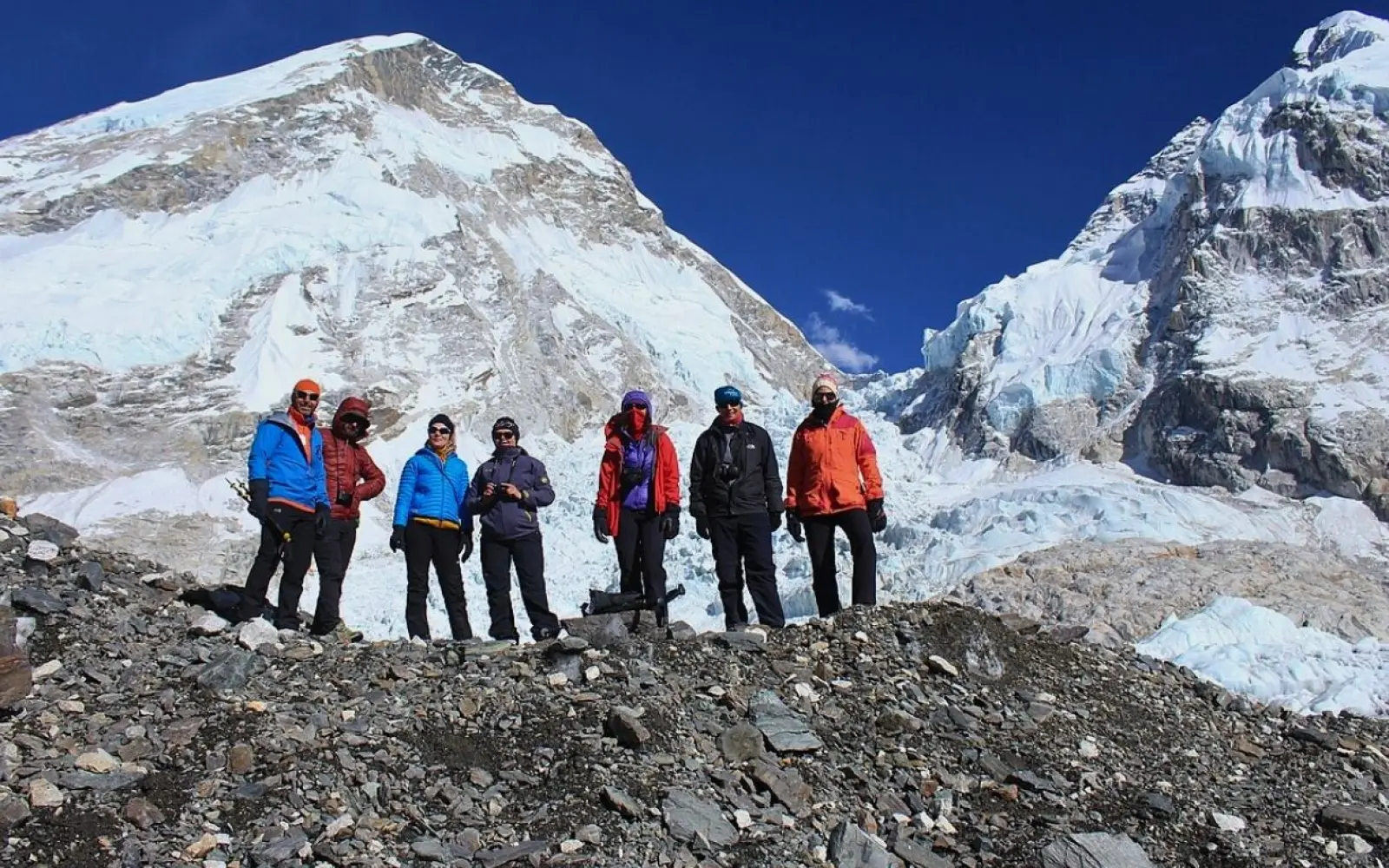
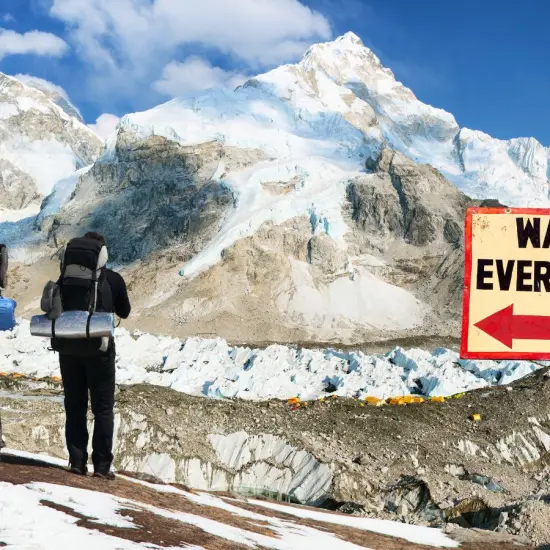
Planning an Everest Base Camp trek but unsure which itinerary to choose? This guide compares the 12-day, 14-day, and 16-day Everest Base Camp trek itineraries, covering acclimatization, trekking pace, highlights, fitness requirements, and who each option is best suited for. Find the itinerary that matches your schedule, experience, and adventure goals.
Quick answer: The 12-day Everest Base Camp itinerary is the fastest and cheapest option but carries the highest altitude-sickness risk because it compresses acclimatization. The 14-day itinerary is the industry standard, built around the recommended "climb high, sleep low" rest days at Namche Bazaar and Dingboche, and is the right choice for most trekkers. The 16-day itinerary adds extra buffer days, a slower pace, and sometimes a side trip (such as Gokyo Ri or Chukhung Ri), making it the safest and most comfortable option for first-time high-altitude trekkers, older trekkers, or anyone who wants breathing room in case of bad weather or minor illness.
If you've spent any time comparing Everest Base Camp (EBC) trek packages, you've probably noticed the same three numbers popping up everywhere: 12 days, 14 days, and 16 days. On paper, the differences look small — a couple of extra nights in the mountains. In practice, those extra days change almost everything: how your body copes with altitude, how much the trek costs, how much flexibility you have if a flight gets cancelled in Lukla, and even how much you actually get to enjoy the trek instead of just surviving it.
This guide breaks down exactly what changes between a 12-day, 14-day, and 16-day EBC itinerary, why those changes matter physiologically and logistically, and how to decide which length fits your fitness level, schedule, and risk tolerance. We'll also cover how these standard itineraries relate to popular variations — Gokyo Lakes, the Three Passes, and helicopter return trips — since most trekking companies, including ours, offer several versions built on the same core route.
Why the Number of Days Matters More Than You Think
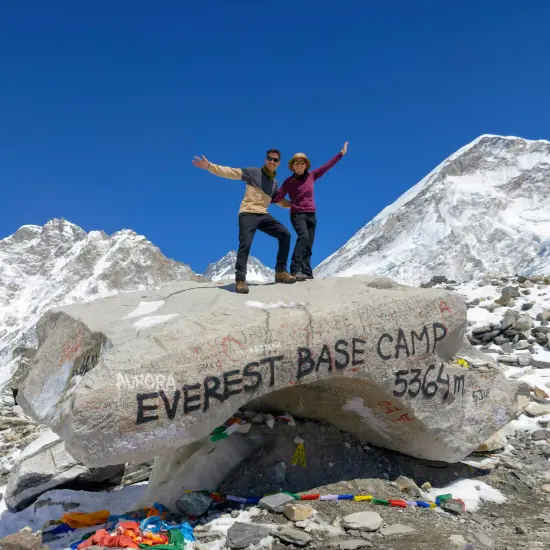
Everest Base Camp sits at roughly 5,364 m (17,598 ft), and the highest point most trekkers reach — Kala Patthar — tops out around 5,644 m (18,519 ft). At that altitude, the air holds roughly half the oxygen available at sea level. Your body needs time to adapt to that thinning air by producing more red blood cells and adjusting breathing and heart rate. This process is called acclimatization, and it cannot be rushed with fitness or willpower alone. It is a biological process that runs on its own clock.
The Himalayan medical consensus — echoed by organizations like the Himalayan Rescue Association and most high-altitude physiology researchers — is that above 3,000 m, you should not increase your sleeping altitude by more than about 300–500 m per day, and you should schedule a rest day for approximately every 1,000 m of elevation gained. This is the single biggest factor separating a 12-day itinerary from a 16-day one: it's not that the 16-day trek visits different places, it's that it gives your body more time to catch up to the altitude before pushing higher.
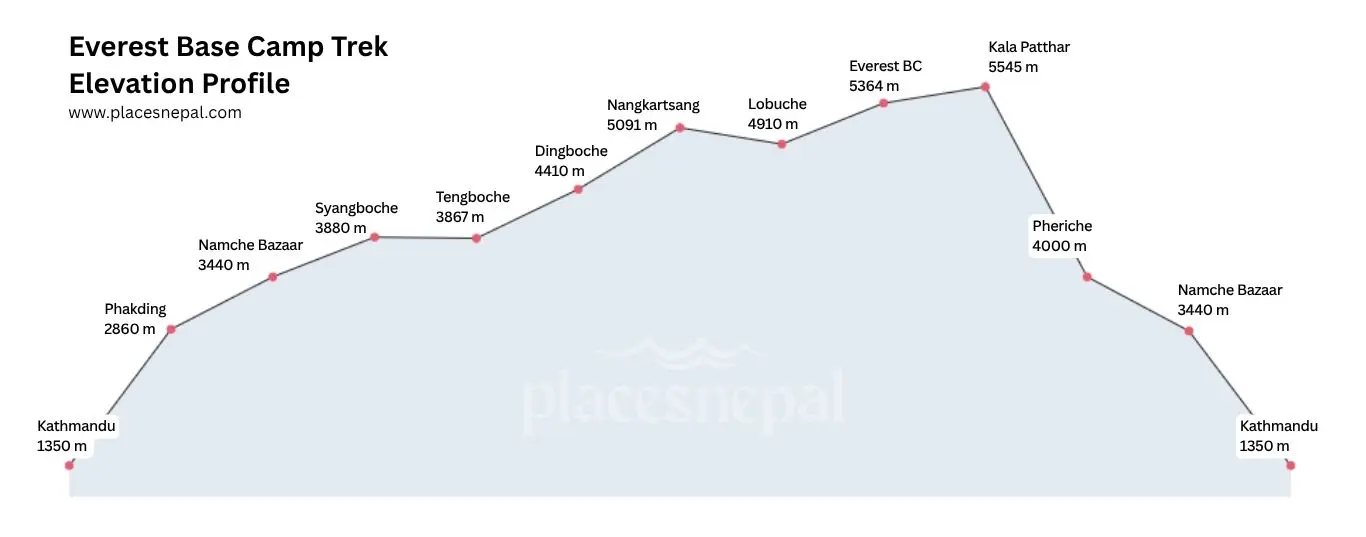 This is also why itinerary length is one of the most important — and most misunderstood — variables when comparing trekking packages. A cheaper 12-day trip is not automatically a worse trek, and an expensive 16-day trip is not automatically the safest. It depends on your acclimatization schedule specifically, not just the total number of days.
At a Glance: 12 vs 14 vs 16 Day EBC Itineraries
| Feature | 12-Day EBC | 14-Day EBC | 16-Day EBC |
| Total trekking days | 10–11 | 12–13 | 14–15 |
| Built-in acclimatization days | 1 (Namche only) | 2 (Namche + Dingboche) | 3+ (Namche, Dingboche, plus buffer/side-trip day) |
| Average daily elevation gain | Higher, more aggressive | Moderate, WHO/HRA-aligned | Gentle, conservative |
| Altitude sickness risk | Higher | Moderate (standard, well-tested) | Lowest |
| Buffer for weather/flight delays | None or minimal | 1 day usually built in | 2+ days built in |
| Typical cost (excluding international flights) | Lowest | Mid-range | Highest |
| Best suited for | Very fit, high-altitude-experienced trekkers on a tight schedule | Most trekkers — good balance of safety, cost, and time | First-timers, older trekkers, anyone prioritizing safety and comfort |
| Side trips possible | Rarely | Sometimes (Syangboche, Nangkartshang Peak) | Often (Nangkartshang Peak, Chukhung, or partial Gokyo add-on) |
Note: exact day counts vary between agencies depending on whether the Kathmandu arrival day, Lukla flight day, and final Kathmandu departure day are counted as part of the "trek," so always compare the actual number of walking/acclimatization days rather than the headline number alone.
12-Day Everest Base Camp Itinerary
Who It's For
The 12-day itinerary is built for trekkers who are already comfortable at altitude, have a strong cardiovascular base, and have limited vacation time. It typically suits repeat Himalayan trekkers, trail runners, mountaineers with prior high-altitude experience, or younger trekkers in excellent physical condition who understand the trade-offs they're making.
Typical Structure
A 12-day itinerary usually looks something like this: fly into Lukla and trek to Phakding on day one, then Namche Bazaar on day two. Day three is a single acclimatization day in Namche. From there the itinerary moves relatively quickly through Tengboche, Dingboche, Lobuche, and Gorak Shep, reaching Everest Base Camp and climbing Kala Patthar for sunrise, before descending faster than the ascent — often combining two days of descent into one on the way down.
The Trade-Off
The compressed schedule means only one full acclimatization day instead of two, and elevation gains between some overnight stops exceed the commonly recommended 300–500 m per day guideline. This doesn't mean everyone on a 12-day trek gets altitude sickness — many people complete it without issue — but the margin for error is much smaller. If you develop even mild symptoms of acute mountain sickness (AMS), there is little slack in the schedule to rest an extra day without cutting something else out or paying for itinerary changes.
The 12-day option is also the most vulnerable to disruption. Lukla flights are notoriously weather-dependent, and delays of one or two days are common, especially in shoulder seasons. On a 12-day trip, a single flight delay can force trekkers to either skip a rest day to stay on schedule, or miss Everest Base Camp entirely to make an international flight home.
Trek the Short Everest Base Camp Trek
Trek the Everest Base Camp in 12 days: your fast-track Himalayan trekking.
Pros and Cons
- Pros: Lowest cost, shortest time away from work/family, ideal for very fit and altitude-experienced trekkers.
- Cons: Higher AMS risk, minimal buffer for weather or flight delays, more physically demanding day-to-day, little room for side trips or rest if you feel unwell.
14-Day Everest Base Camp Itinerary
Who It's For
The 14-day itinerary is the most widely recommended and most commonly booked EBC package, and for good reason — it's the version most closely aligned with the acclimatization guidelines used by high-altitude medical organizations. It works for the vast majority of reasonably fit trekkers, including those with no previous high-altitude experience, as long as they arrive with a baseline level of cardiovascular fitness.
Typical Structure
The 14-day version follows the same route as the 12-day trek but adds a second acclimatization day, almost always at Dingboche (roughly 4,410 m), in addition to the one at Namche Bazaar (3,440 m). This gives trekkers two structured rest days at the two points where the "climb high, sleep low" principle matters most — right as the trail leaves the forested Khumbu valley and enters the more exposed alpine zone above 4,000 m.
The descent is also usually paced a little more sensibly, often taking two days to descend from Gorak Shep back to Namche or Lukla instead of forcing it into one long day.
Why This Is the Industry Standard
Most reputable trekking agencies default to a 14-day core itinerary because it strikes the best balance between safety and practicality. It follows a near-textbook acclimatization curve, includes a small weather buffer, and still fits within a two-week vacation window for most international trekkers once you add a day on either end for international flights.
Trek the Everest Base Camp Trek
This classic trek takes you through the heart of the Khumbu region, past vibrant Sherpa villages, ancient monasteries, and towering Himalayan peaks.
Pros and Cons
- Pros: Well-tested acclimatization schedule, moderate cost, small built-in buffer for delays, suitable for most fitness levels, widely available across nearly all agencies so it's easy to compare pricing.
- Cons: Still relatively tight if a Lukla flight delay happens on both the outbound and return legs, limited room for side trips beyond the standard route.
16-Day Everest Base Camp Itinerary
Who It's For
The 16-day itinerary is built for trekkers who want the largest possible safety margin: first-time high-altitude trekkers, older trekkers, people trekking with a pre-existing health condition they're managing carefully, families, or anyone who has heard how disruptive Lukla flight delays can be and wants insurance against them. It's also a strong choice for trekkers who want to add meaningful side trips rather than just reach EBC and turn around.
Typical Structure
A 16-day itinerary includes everything in the 14-day version, plus one or more of the following: an extra acclimatization/buffer day, a slower ascent with shorter daily walking distances, or a side excursion such as a hike to Chukhung and Chukhung Ri, or a partial extension toward the Gokyo valley. Some 16-day itineraries also build in a dedicated contingency day near Lukla at the start or end of the trip specifically to absorb flight delays without affecting the trekking schedule.
The value of the 16-day itinerary isn't really about seeing more scenery, although that's often a nice bonus — it's about margin. Two extra days spread across the itinerary means that if you're feeling a mild headache or fatigue at Dingboche, you can simply rest an extra day without derailing the whole trip. If your Lukla flight is delayed by a day on either end (which happens more often than trekkers expect, particularly in April, May, and post-monsoon October), a 16-day itinerary can usually absorb it without forcing you to abandon the trek or fly out (at cost) by helicopter to make a flight.
Pros and Cons
- Pros: Lowest altitude-sickness risk, most resilient to weather and flight disruptions, most comfortable daily pace, room for meaningful side trips, best option for less-experienced or older trekkers.
- Cons: Highest cost due to extra guide/porter days, permits, and accommodation, requires more vacation time, may feel slow for very fit or experienced trekkers.
Side-by-Side: How Acclimatization Actually Differs
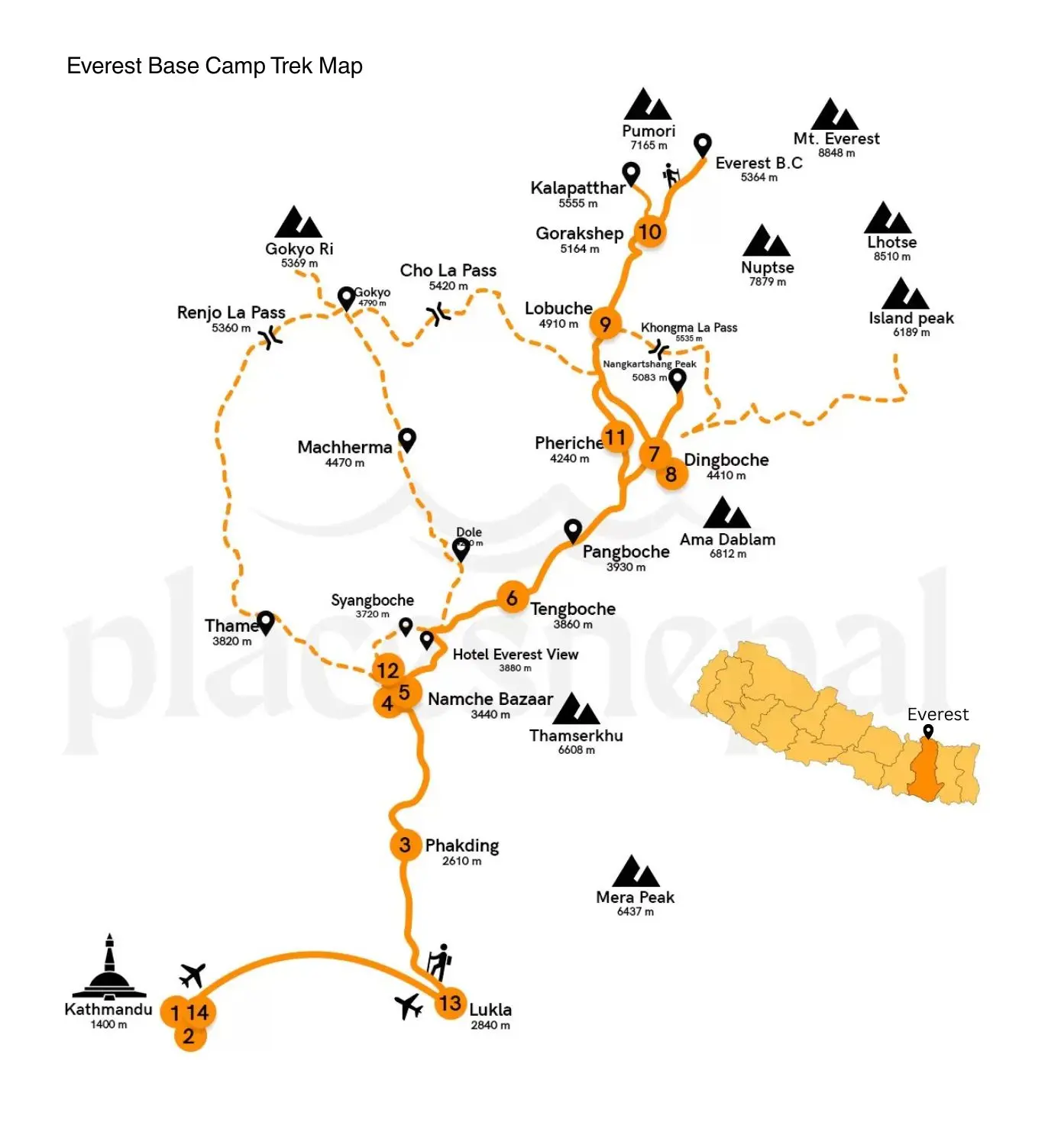
To understand why these itineraries aren't just "the same trek with extra days tacked on," it helps to look at where the rest days actually sit in relation to elevation gain.
- 12-day itinerary: One rest day at Namche Bazaar (3,440 m). After that, the trail gains altitude on nearly every remaining day until Everest Base Camp, with limited opportunity to acclimatize before pushing past 4,000 m and then 5,000 m.
- 14-day itinerary: Rest days at Namche Bazaar (3,440 m) and Dingboche (4,410 m). This second rest day falls right at the point where the terrain becomes alpine and oxygen levels drop more sharply, which is exactly where the extra adaptation time matters most.
- 16-day itinerary: Rest/acclimatization opportunities at Namche Bazaar and Dingboche, plus either an additional buffer day, a slower ascent profile with smaller daily elevation gains, or a side hike (such as Chukhung Ri at approximately 5,546 m) that provides another "climb high, sleep low" acclimatization cycle before the push to Kala Patthar and Everest Base Camp.
This is the real difference between the three itineraries. It isn't about "12 days feels rushed" as a vague impression — it's a measurable difference in how gradually your body is exposed to decreasing oxygen levels, and it directly affects your probability of developing acute mountain sickness.
Cost Comparison: What You're Actually Paying For
Trekkers often assume the price difference between a 12-day and 16-day package is just "four extra days of guide fees," but the real cost structure is a bit more layered. Here's what typically changes:
- Guide and porter daily wages: Charged per day, so a 16-day trip naturally costs more in this category than a 12-day trip.
- Teahouse accommodation and meals: More nights on the trail means more lodging and food costs, which scale directly with itinerary length.
- Permits: The Sagarmatha National Park entry permit and the local Khumbu Pasang Lhamu Rural Municipality entry fee are fixed one-time costs and do not change based on itinerary length — but always confirm current permit prices directly on the specific trip page you're booking, since permit fees are periodically revised by the local authorities.
- Domestic flights: Lukla flight costs are generally the same regardless of itinerary length, unless a delay forces a costlier alternative such as a helicopter transfer.
- Risk buffer built into pricing: Some agencies price in a contingency day on longer itineraries, which is reflected in the total cost even if that day isn't used.
As a rule of thumb, expect the 14-day itinerary to cost noticeably more than the 12-day version (roughly two extra days of guide, porter, and teahouse costs), and the 16-day itinerary to cost more again on top of that. The percentage difference is usually smaller than trekkers expect, because permits, domestic flights, and pre-trek logistics stay fixed — it's a good idea to always check the current cost breakdown on the specific trip page rather than relying on rough percentages, since prices are updated periodically.
Trek the Gokyo Lakes with Everest Base Camp Trek
The Gokyo Lakes with EBC Trek is a stunning adventure through one of the most iconic landscapes of Nepal.
Fitness and Experience: Which Itinerary Matches You?
Trekking companies can offer general guidance, but only you can honestly assess your own fitness and prior experience. Use the following as a starting point, not a hard rule.
Choose the 12-Day Itinerary If:
- You have already trekked above 4,000–5,000 m at least once without significant altitude issues.
- You train regularly at a level equivalent to running 10 km comfortably or hiking with a loaded pack multiple times a month.
- You have very limited vacation time and understand the added acclimatization risk you're accepting.
- You are comfortable adjusting your international flight if a Lukla delay occurs, since there's little buffer built in.
Choose the 14-Day Itinerary If:
- You're reasonably fit but have little or no high-altitude trekking experience.
- You want a schedule that follows well-established acclimatization guidelines without paying for extra days you may not need.
- You can build in one or two spare days on either end of your trip as a personal buffer against Lukla flight delays.
Choose the 16-Day Itinerary If:
- This is your first high-altitude trek, or you have a health condition you and your doctor are managing carefully at altitude.
- You're trekking with older family members, children, or a mixed-fitness group.
- You want the trip to include a side excursion beyond the standard base camp route.
- You would rather pay more upfront than risk missing Everest Base Camp due to a preventable flight delay or altitude setback.
Guide's note: After years of leading trekkers on the Khumbu route, the itinerary length matters less than how honestly a trekker assesses their own fitness and altitude history before choosing. Fit, altitude-experienced trekkers do genuinely well on the 12-day version. But the single most common reason trekkers turn back before Everest Base Camp isn't lack of fitness — it's altitude sickness brought on by ascending too fast, which is precisely what the extra days in the 14- and 16-day itineraries are designed to prevent.
Trek the Gokyo Lake Trek
This trek features stunning turquoise glacial lakes and panoramic views of the world’s tallest peaks, including Mount Everest, Lhotse, Makalu, and Cho Oyu.
How These Itineraries Relate to EBC Trek Variations
The 12/14/16-day comparison above covers the "classic" out-and-back Everest Base Camp trek via Namche Bazaar, Tengboche, and Dingboche. If you're also considering one of the other popular variations of this route, here's how they compare in terms of length and effort:
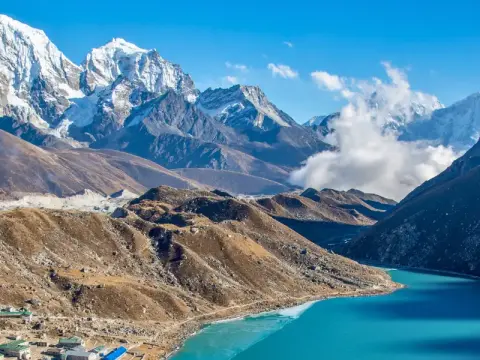
- EBC via Gokyo Lakes: Adds a crossing of the Cho La pass (5,420 m) and a visit to the turquoise Gokyo Lakes and Gokyo Ri viewpoint. Typically runs longer than even the 16-day classic itinerary and requires more technical comfort with high-altitude pass crossings.
- Everest Three Passes Trek: The most demanding variation, crossing Kongma La, Cho La, and Renjo La passes in addition to reaching Everest Base Camp and Kala Patthar. This is a significantly longer and more strenuous trek best suited to experienced high-altitude trekkers, not a first EBC attempt.
- EBC with Helicopter Return: Follows the same trekking itinerary up to Everest Base Camp and Kala Patthar, then returns to Kathmandu by helicopter instead of trekking back down and flying from Lukla. This shortens the total trip length considerably and removes the return-leg Lukla flight risk, at a higher cost.
- Short EBC Trek (with early flight in/out of a different strip or jeep support): Some agencies offer shortened variations using jeep transport to Phaplu or a similar road-head to skip part of the lower trail, which changes the acclimatization profile — check carefully how this affects the ascent rate before booking.
If you're deciding between the classic route and one of these variations, the acclimatization logic explained above still applies: more distance and more high passes both require more time, not less, to be done safely.
What a Typical Week Feels Like on Each Itinerary
Numbers on a comparison table only tell part of the story. Here's a more grounded sense of the day-to-day experience on each version of the trek.
12-Day Pace
Mornings start early and days are longer, with less time to linger in villages like Namche Bazaar or Tengboche. Evenings are often spent recovering rather than exploring, since the next day's ascent starts again quickly. Trekkers on this schedule need to be disciplined about hydration, pacing ("pole pole" — slowly, slowly), and recognizing early AMS symptoms, because there's less slack to absorb a bad day.
14-Day Pace
The two structured rest days give the trek a natural rhythm: push, rest, push, rest. Trekkers typically arrive at teahouses with enough daylight left to explore the village, chat with other trekkers, or simply rest properly before dinner. It's a pace that most people describe as "challenging but enjoyable" rather than "a grind."
16-Day Pace
With extra buffer built in, trekkers on this schedule often have time for short optional side hikes, longer photography stops, and more relaxed mornings. It's the version most likely to leave trekkers saying they'd happily do it again, since fatigue and altitude symptoms are less likely to dominate the experience.
Common Mistakes When Choosing an EBC Itinerary Length
- Choosing based on price alone. The cheapest itinerary is only a good deal if you're genuinely prepared for its faster acclimatization schedule.
- Not accounting for Lukla flight delays. Weather-related delays of one to three days are common, especially in shoulder seasons. A tight itinerary with no buffer can turn a delay into a missed trek.
- Ignoring personal altitude history. Previous altitude sickness, even mild, is one of the strongest predictors of future susceptibility. If you've had AMS symptoms before, a longer itinerary is the safer choice regardless of your general fitness level.
- Assuming "fit" is the same as "acclimatized." Marathon runners and gym-strong trekkers get altitude sickness just as often as less fit trekkers, because AMS is driven by ascent rate and individual physiology, not cardiovascular fitness.
- Overlooking travel insurance requirements. Make sure your insurance covers high-altitude trekking and helicopter evacuation regardless of which itinerary you choose.
Trek the Renjo La Pass Trek with Gokyo Lake
Challenge the heights, conquer the Renjo La—where Gokyo’s turquoise lakes meet Everest’s mighty skyline.
Day-by-Day Breakdown: 12-Day Itinerary
Every agency's exact routing varies slightly, but a representative 12-day EBC itinerary looks roughly like this once you're on the trail (excluding the Kathmandu arrival/departure days):
- Day 1: Fly Kathmandu to Lukla (2,860 m), trek to Phakding (2,610 m).
- Day 2: Trek Phakding to Namche Bazaar (3,440 m), entering Sagarmatha National Park.
- Day 3: Acclimatization day in Namche Bazaar, with an optional hike to the Everest View Hotel or Khumjung village.
- Day 4: Trek Namche to Tengboche (3,860 m), home to the region's most famous monastery.
- Day 5: Trek Tengboche to Dingboche (4,410 m).
- Day 6: Trek Dingboche to Lobuche (4,940 m) — a longer, more exposed day with a single acclimatization stop rather than a full rest day.
- Day 7: Trek Lobuche to Gorak Shep (5,164 m), then on to Everest Base Camp (5,364 m) and back to Gorak Shep.
- Day 8: Early hike to Kala Patthar (5,644 m) for sunrise views of Everest, then descend to Pheriche or Pangboche.
- Day 9–10: Descend to Namche Bazaar, then to Lukla.
- Day 11: Fly Lukla to Kathmandu.
Notice how days 5 through 8 stack elevation gain with minimal rest — this compressed middle section is where the 12-day itinerary's added risk concentrates.
Day-by-Day Breakdown: 14-Day Itinerary
- Day 1: Fly Kathmandu to Lukla, trek to Phakding.
- Day 2: Trek Phakding to Namche Bazaar.
- Day 3: Acclimatization day in Namche Bazaar.
- Day 4: Trek Namche to Tengboche.
- Day 5: Trek Tengboche to Dingboche.
- Day 6: Second acclimatization day in Dingboche, with an optional acclimatization hike up Nangkartshang Peak (around 5,083 m).
- Day 7: Trek Dingboche to Lobuche.
- Day 8: Trek Lobuche to Gorak Shep, continue to Everest Base Camp, return to Gorak Shep.
- Day 9: Sunrise hike to Kala Patthar, descend to Pheriche.
- Day 10: Descend to Namche Bazaar.
- Day 11: Descend to Lukla.
- Day 12: Fly Lukla to Kathmandu, with a buffer day sometimes built in around this point for flight delays.
The key structural difference from the 12-day version is the extra rest day at Dingboche (Day 6), positioned exactly where the trail crosses into higher, more oxygen-scarce terrain.
Day-by-Day Breakdown: 16-Day Itinerary
- Day 1: Fly Kathmandu to Lukla, trek to Phakding.
- Day 2: Trek Phakding to Namche Bazaar.
- Day 3: Acclimatization day in Namche Bazaar (optional extended hike to Khumjung or the Everest View Hotel).
- Day 4: Trek Namche to Tengboche.
- Day 5: Trek Tengboche to Dingboche.
- Day 6: Acclimatization day in Dingboche, with an optional Nangkartshang Peak hike.
- Day 7: Trek Dingboche to Chukhung (4,730 m) instead of heading straight to Lobuche — a gentler alternative route.
- Day 8: Acclimatization day and optional hike toward Chukhung Ri (up to around 5,546 m) before returning to sleep at Chukhung, then rejoin the main trail toward Lobuche.
- Day 9: Trek to Lobuche.
- Day 10: Trek to Gorak Shep, continue to Everest Base Camp, return to Gorak Shep.
- Day 11: Sunrise hike to Kala Patthar, descend to Pheriche.
- Day 12–13: Descend to Namche Bazaar, with a more relaxed two-day pace.
- Day 14: Descend to Lukla.
- Day 15–16: Fly Lukla to Kathmandu, with one contingency day built in for flight delays.
Exact routing for the 16-day version varies more between agencies than the 12- or 14-day versions, since the extra days can be allocated to a side trip, a slower pace, or a dedicated weather buffer — always check precisely how a specific 16-day package uses its additional days before booking.
Recognizing Altitude Sickness on the Trail
Regardless of which itinerary you choose, knowing the early signs of acute mountain sickness (AMS) is essential. Mild symptoms are common above 3,000 m and include headache, mild nausea, fatigue, and difficulty sleeping. These are not necessarily a reason to turn back, but they are a signal to stop ascending, hydrate, and rest until they resolve.
More serious warning signs require immediate descent and should never be ignored: a headache that doesn't improve with rest and basic pain relief, vomiting, loss of coordination or difficulty walking in a straight line (ataxia), confusion, or shortness of breath at rest. These can indicate High Altitude Cerebral Edema (HACE) or High Altitude Pulmonary Edema (HAPE), both of which are medical emergencies at altitude.
A longer itinerary reduces the likelihood of these symptoms appearing in the first place, but it doesn't eliminate the need for trekkers and guides to monitor symptoms closely every single day, regardless of how many rest days are built in.
Trek the Everest Three Passes Trek
Conquer the Three Passes, Experience Everest’s Ultimate Trekking Adventure.
Training and Preparation by Itinerary Length
Your pre-trek preparation should roughly match the itinerary you choose:
- For a 12-day trek: Aim for at least 2–3 months of consistent cardiovascular training, including hiking with a loaded daypack, stair climbing, and back-to-back long walking days on weekends to simulate consecutive trekking days without full recovery.
- For a 14-day trek: Six to eight weeks of regular cardio (hiking, running, cycling, or stair climbing) combined with some leg-strengthening work is generally sufficient for trekkers with reasonable baseline fitness.
- For a 16-day trek: Basic to moderate fitness is usually enough given the gentler pace, though building general walking endurance in the month or two beforehand will still make the trek noticeably more enjoyable.
No amount of training accelerates acclimatization itself — fitness affects how comfortable you are carrying yourself over the terrain, while acclimatization is a separate, purely physiological process that depends on time and ascent rate.
Accommodation, Food, and Trail Comfort Across Itineraries
All three itineraries typically use the same network of teahouses along the Khumbu trail, so the physical comfort level — twin rooms, shared bathrooms lower down and often squat or basic Western toilets higher up, dal bhat and basic Western-style meals — doesn't change dramatically based on trip length. What does change is how rushed each stop feels. On a 12-day itinerary, trekkers often arrive at a teahouse tired and eat dinner soon after settling in. On a 16-day itinerary, there's more time to dry out gear by the yak-dung stove, socialize with other trekkers, and simply recover before the next day's walk.
Higher-altitude teahouses (Dingboche, Lobuche, Gorak Shep) have more limited menus, colder rooms, and higher prices for basics like a hot shower, Wi-Fi, or battery charging — this is consistent across all itinerary lengths and worth budgeting for regardless of which trip you choose.
Seasonal Considerations That Interact With Itinerary Length
The two main trekking seasons for EBC are pre-monsoon (March–May) and post-monsoon (late September–November). Itinerary length interacts with season in a few practical ways:
- Peak season (April, May, October, November): Lukla flight traffic is heaviest and morning weather windows are more competitive, so delays are more common. A 16-day itinerary's built-in buffer is especially valuable during these months.
- Shoulder season (early March, late November, early December): Weather can be less predictable day-to-day, making buffer days similarly useful, though trails are quieter and teahouses less crowded.
- Winter (December–February): Colder temperatures and occasional snow can slow trekking pace on any itinerary; a longer schedule provides more flexibility to wait out a storm day if needed.
Regardless of season, booking the first available Lukla flight of the morning and avoiding the absolute last days of your itinerary as your only buffer against delay are both wise practices.
Travel Insurance and Emergency Evacuation
Every itinerary length requires travel insurance that explicitly covers trekking up to at least 6,000 m and includes helicopter evacuation. This is non-negotiable regardless of how many acclimatization days your itinerary includes, since altitude sickness can occasionally affect even well-acclimatized trekkers. Confirm your policy covers the specific maximum altitude of your planned route (5,644 m for Kala Patthar, or higher if you're adding a pass crossing), and carry proof of coverage with you on the trek, since some evacuation providers require it before dispatching a helicopter.
A Simple Decision Checklist
If you're still unsure which itinerary fits you, work through these questions in order:
- Have I trekked above 4,000 m before without significant symptoms? If no, lean toward the 14- or 16-day itinerary.
- How much total vacation time do I realistically have, including travel days? If your window is tight, be honest about whether a 12-day itinerary leaves any room for a Lukla delay.
- Am I trekking with anyone older, younger, or less experienced than me? Plan around the least experienced or least fit member of your group, not the strongest.
- Do I want to add a side trip (Chukhung Ri, a partial Gokyo detour) or keep it a straightforward out-and-back? Side trips generally require the extra days a 16-day itinerary provides.
- How would I feel if I had to turn back before Everest Base Camp? If reaching EBC matters enormously to you, the extra safety margin of a longer itinerary is usually worth the added cost.
Permits and Paperwork: The Same Across All Three Itineraries
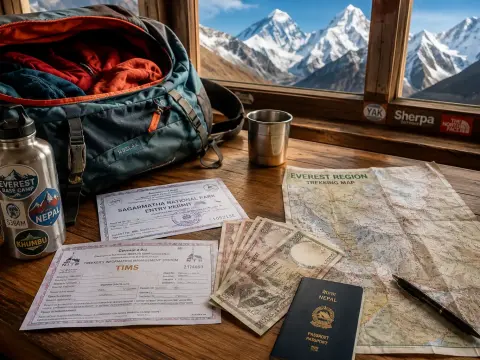
Regardless of whether you book the 12-day, 14-day, or 16-day version of the trek, the permit requirements for the Everest Base Camp route are the same. Two permits are currently required for all foreign trekkers entering the Khumbu region:
- Sagarmatha National Park Entry Permit: Required to enter the national park that contains the entire upper Khumbu trail, including Everest Base Camp itself. This can typically be arranged in Kathmandu before departure or at the park entry checkpoint in Monjo.
- Khumbu Pasang Lhamu Rural Municipality Entry Permit: A local area permit issued by the municipality covering the Khumbu region, checked at Lukla or Monjo depending on your route.
Because these permits are tied to entering the region rather than to how many days you spend there, the paperwork process, checkpoints, and required documents (passport copies and passport-sized photos) are identical whether you're on a 12-day sprint or a leisurely 16-day trek. As with any pricing or fee information, always confirm current permit costs on the specific trip page rather than relying on previously published figures, since park and municipality fees are reviewed periodically by the relevant authorities.
One area where itinerary length can matter slightly is TIMS-style trekker registration and guide documentation — your agency handles this regardless of trip length, but it's worth confirming that whichever itinerary you book clearly states which permits are included in the price versus paid locally, since this varies between agencies and is a common source of confusion when comparing quotes.
Packing Considerations That Shift With Itinerary Length
Your core packing list — moisture-wicking layers, a good sleeping bag rated to at least -15°C for higher camps, sturdy broken-in trekking boots, a headlamp, water purification, and basic altitude medication such as acetazolamide (discussed with your doctor beforehand) — stays essentially the same regardless of which itinerary you choose. A few things do shift with trip length, though:
- Battery and power bank capacity: More days on the trail means more charging cycles for phones, cameras, and headlamps, and charging costs at teahouses increase with altitude. A 16-day trip warrants a larger power bank or a small solar charger.
- Snacks and personal food supplies: Longer itineraries mean more days relying on teahouse menus, which can feel repetitive. Trekkers on 14- and 16-day itineraries often pack a few more energy bars, electrolyte tablets, or familiar snacks from home than those on a fast 12-day push.
- Laundry and clothing quantity: On a 16-day trek, some trekkers plan for one opportunity to hand-wash a base layer in Namche Bazaar (on the way up or down), whereas a 12-day trek is often short enough to pack enough layers to avoid washing altogether.
- Reading material or downtime entertainment: With more rest days and slower afternoons, 16-day trekkers often appreciate an offline book, journal, or downloaded podcasts more than those on a tightly packed 12-day schedule with little idle time.
Communication and Connectivity on the Trail
Most teahouses along the EBC route offer paid Wi-Fi (often through the Everest Link service) or SIM-card-based data through Nepali telecom providers, with coverage and speed decreasing as you climb higher and prices increasing accordingly. This is consistent regardless of itinerary length, but trekkers on longer itineraries naturally spend more total days needing connectivity, so it's worth budgeting a bit more for data or Wi-Fi cards on a 16-day trip than on a quick 12-day one. If staying in touch with family or work is a priority, mention this to your guide, since they can advise on the most reliable options at each stop along whichever itinerary you choose.
Frequently Asked Questions
Is the 12-day EBC trek too fast to be safe?
The 12-day itinerary is not inherently unsafe, but it does carry a higher risk of altitude sickness than the 14- or 16-day versions because it includes only one full acclimatization day instead of two or more. It's best suited to trekkers who are already comfortable at high altitude and understand they're accepting a narrower safety margin in exchange for a shorter trip.
What is the most popular EBC itinerary length?
The 14-day itinerary is the most commonly booked version of the Everest Base Camp trek because it follows widely recommended acclimatization guidelines (rest days roughly every 1,000 m of elevation gain) while still fitting into a typical two-week vacation window.
How many acclimatization days do I need for Everest Base Camp?
Most itineraries include at least two dedicated acclimatization days: one at Namche Bazaar (3,440 m) and one at Dingboche (4,410 m). Longer 16-day itineraries often add a third rest or buffer day, or replace it with an acclimatization side hike such as Chukhung Ri.
Does a longer EBC itinerary cost significantly more?
A longer itinerary costs more due to additional guide, porter, and teahouse expenses for each extra day, but fixed costs such as permits and domestic flights generally stay the same regardless of trip length, so the overall percentage increase is usually smaller than the day-count difference suggests. Check the specific trip page for current pricing.
What happens if my Lukla flight is delayed?
Lukla flights are frequently delayed by poor weather, sometimes for one to three days. Itineraries with built-in buffer days, typically the 16-day version, can absorb these delays without affecting the rest of the trip. Shorter itineraries with no buffer may require skipping a planned rest day or, in some cases, booking a costlier helicopter transfer to stay on schedule.
Can beginners do the 12-day Everest Base Camp trek?
Beginners can attempt the 12-day itinerary, but it is generally not recommended as a first high-altitude trek because of the reduced acclimatization time. First-time high-altitude trekkers are usually better served by the 14-day or 16-day itinerary, which allow the body more time to adjust to decreasing oxygen levels.
Which EBC itinerary is best for older trekkers or families?
The 16-day itinerary is typically the best fit for older trekkers, families, or mixed-fitness groups, since its slower daily pace and extra acclimatization time reduce both altitude-related risk and daily physical strain.
Group Joining vs. Private Itinerary: Does It Change the Day Count?
Another variable worth understanding is whether you're booking a fixed-departure group trek or a private, customizable itinerary. This is a separate decision from the 12/14/16-day question, but the two interact in a few important ways.
On a fixed-departure group trek, the itinerary length is set in advance and shared by everyone in the group, which means the pace is fixed too — you can't unilaterally add a rest day if you're feeling the altitude more than the rest of the group, though a competent guide will always slow the group down or arrange a rest if someone is showing genuine symptoms. Group treks are usually priced around the 12-day or 14-day structure because it keeps costs predictable and appeals to the widest range of trekkers.
On a private itinerary, you can request any of the three lengths discussed here, or a fully customized version — for example, a 14-day base itinerary with one additional rest day added specifically for you, or a 16-day itinerary with the Chukhung side trip swapped out for extra time in Namche Bazaar instead. Private trekkers also have the flexibility to extend on the trail in real time if the weather or their acclimatization calls for it, something a fixed group departure generally cannot accommodate.
If you're trekking solo and want the camaraderie and lower cost of a group, the 14-day itinerary is usually the easiest to find across multiple departure dates. If you want full control over pacing — particularly relevant for older trekkers, families, or anyone managing a health condition — a private 16-day itinerary offers the most flexibility.
What Changes if You're Trekking Independently vs. With an Agency
Everything discussed in this guide assumes a guided trek, which is now effectively required in the Khumbu region under current park and municipality entry regulations, and which every reputable itinerary is built around regardless of length. A licensed guide does more than lead the way — they monitor symptoms of altitude sickness daily, communicate with teahouse owners and rescue coordinators in Nepali, and make the judgment call to slow down, rest, or descend when a trekker's itinerary preference and their actual physical condition are in conflict. This guide-level judgment matters just as much on a 16-day itinerary as it does on a 12-day one; a longer schedule reduces risk on average, but it doesn't replace the need for someone experienced to be watching for symptoms every single day.
Since Everest Base Camp is only one of several ways to experience the Khumbu region, it's worth briefly comparing it to related trips before finalizing your itinerary length:
- Everest Base Camp Trek (classic route): The itinerary discussed throughout this guide — out and back via Namche Bazaar, Tengboche, and Dingboche to Everest Base Camp and Kala Patthar.
- Gokyo Lakes Trek: An alternative route up the Dudh Kosi valley's western side, focused on the glacial Gokyo Lakes and the summit of Gokyo Ri (5,357 m), often combined with EBC via the Cho La pass for trekkers wanting both.
- Everest Three Passes Trek: The most complete and demanding way to see the region, linking Everest Base Camp, Gokyo, and all three of the region's major high passes in one continuous loop.
- Everest View Trek: A shorter, lower-altitude alternative for travelers who want Everest views and Sherpa culture without pushing to base camp itself — a good option if none of the 12/14/16-day EBC itineraries fit your available time or fitness level.
- EBC Luxury Trek: The same core route with upgraded lodges in the lower Khumbu, aimed at trekkers who want the achievement of reaching base camp with a more comfortable overnight experience where available.
If none of the standard 12/14/16-day classic itineraries feel like the right fit — whether because you want more scenery, more challenge, or a gentler introduction to the region — one of these variations may suit you better than adjusting the day count alone.
The Guide's Perspective: What We've Learned Leading This Route
Having spent years walking this exact trail with trekkers of every fitness level, a few patterns show up again and again. Trekkers who choose the 12-day itinerary and succeed almost always share two traits: they've been at altitude before, and they take the "climb high, sleep low" advice seriously even within a compressed schedule, resisting the urge to push ahead of the group just because they feel strong on a given day. Trekkers who choose the 14-day itinerary tend to have the most balanced overall experience — enough time to enjoy the villages and monasteries along the way, without an excessively long trip. Trekkers who choose the 16-day itinerary consistently report the least physical stress and the most positive memories of the trek itself, not just the summit moment at Kala Patthar.
The honest advice we give every trekker who asks "which one should I pick?" is this: choose the itinerary that matches how your body has behaved at altitude in the past, not how fit you feel at sea level today. Altitude doesn't care about your marathon time — it cares about how many days you've given your body to adjust.
Final Recommendation
There's no universally "best" EBC itinerary length — only the one that matches your fitness, experience, schedule, and appetite for risk. If you're an experienced high-altitude trekker with limited time, the 12-day itinerary can get you to Everest Base Camp efficiently. If you want the itinerary most trekking professionals actually recommend as a sensible default, the 14-day version offers the best balance of safety, cost, and time. And if this is your first time above 4,000 m, if you're trekking with family, or if you simply want the largest possible safety margin against altitude sickness and Lukla flight delays, the 16-day itinerary is worth the extra cost.
Whichever length you choose, the underlying rule doesn't change: your body needs time to adapt to altitude, and no itinerary can substitute willpower for physiology. Choose the version that gives you an honest, realistic chance of standing at Everest Base Camp feeling strong rather than simply surviving the walk there.
Still Not Sure Which Itinerary to Book?
Every trekker's ideal itinerary depends on details a comparison article can't fully account for — your specific medical history, your group's fitness spread, the exact month you're travelling, and how much flexibility your work or family schedule allows. Our guides, many of whom have walked this trail more times than they can count, are happy to talk through your specific situation and recommend the 12-day, 14-day, or 16-day itinerary — or a customized variation — that genuinely fits you, rather than the one that's easiest to sell. Reach out before you book, and we'll build the schedule around your trek, not the other way around.
Trek the Everest Base Camp Trek
This classic trek takes you through the heart of the Khumbu region, past vibrant Sherpa villages, ancient monasteries, and towering Himalayan peaks.
Related reading: for a full understanding of route options in this region, see our detailed guides to the Everest Base Camp Trek cost breakdown, the Gokyo Lakes Trek, the Everest Three Passes Trek, and our Manaslu Circuit Trek for those considering an alternative Himalayan route with a similarly rigorous acclimatization schedule.