Nar Phu Valley Trek difficulty comes from sustained altitude, remote logistics and one long pass day, not technical climbing. This guide weighs sleeping altitudes, Kang La Pass and the facilities to expect, then compares spring, autumn, monsoon and winter month by month so you can judge your readiness and timing
Nar Phu Valley Trek Difficulty & Best Time: Altitude, Remoteness and Seasonal Windows
The Nar Phu Valley Trek is more demanding than a typical lower-altitude teahouse trek, and the reason is not technical climbing. It combines four nights at or above 4,000 m, a restricted valley with simple lodges and no road above Koto, and a long Kang La Pass day. This guide explains Nar Phu Valley Trek difficulty in practical terms: altitude, fitness, remoteness and whether it suits beginners. It also answers the best time for the Nar Phu Valley Trek. Spring and autumn are the main windows, but the right departure depends on snow at the pass and on the approach road and gorge trail, not just general weather.
How Difficult Is the Nar Phu Valley Trek?
The Nar Phu Valley Trek is challenging. A fit, well-prepared trekker can complete it, but it asks for more than a typical teahouse trek, and the difficulty comes from several things working together rather than from one hard day.
- Altitude. Six of the ten nights are at or above 3,500 m, and four are at or above 4,000 m: two in Phu and two in Nar Village.
- The Kang La Pass. Day 9 climbs about 1,130 m to 5,240 m, then descends about 1,580 m to Ngawal.
- Long walking days. On the walking days, our estimates are 5–7 hours, with Day 7 shorter at 3–4 hours.
- Remote terrain and simple facilities. There is no road above Koto, no ATMs and no hospital in the valley.
- Weather uncertainty. Fresh snow on the pass or a blocked Marsyangdi road can shift the schedule by a day.
It helps to separate three kinds of difficulty, because they respond to different preparation.
Physical difficulty is the effort of walking. It includes the 950 m gain to Meta on Day 3, three long walking days in a row on Days 2 to 4, and two descents that punish the knees: about 590 m on Day 6 and about 1,580 m on Day 9. Training changes this part.
Altitude difficulty is how your body responds to sleeping and walking high. Training does not change it. The US Centers for Disease Control and Prevention (CDC) Yellow Book states plainly that training and physical fitness do not affect the risk of altitude illness. Two equally fit people can respond very differently.
Logistical difficulty is how hard it is to change the plan once you are in the valley. Nar Phu is a restricted area, so a permit and a licensed guide are required. There is no road above Koto, so a helicopter is the realistic evacuation route. The itinerary also depends on conditions at the pass, which nobody can fix in advance.
None of this requires mountaineering skills under normal trekking conditions. There are no ropes and no glacier travel. But "not technical" does not mean easy, and it does not make the trek suitable for everyone. Our 11-day trip page puts the trek at 4 out of 5 on our own scale. That scale compares our treks with each other and is not a measurement, so in this guide we describe difficulty in words and figures instead.
Trek the Nar Phu Valley Trek
The Nar Phu Valley Trek explores remote Himalayan landscapes, ancient Tibetan villages, and untouched valleys—perfect for experienced trekkers seeking adventure and culture.
Nar Phu Valley Trek Difficulty at a Glance
| Difficulty factor | What trekkers should expect |
|---|
| Overall physical demand | Challenging. Walking days of about 5–7 hours on most days (our estimates), with Day 7 at 3–4 hours. Day 9 over Kang La is the longest day of the trek. Strong legs matter on both the climbs and the long descents. |
| Maximum altitude | Kang La Pass, 5,240 m (17,192 ft) on Day 9. Published sources vary slightly; see the elevation note below. |
| High-altitude villages | Phu Village, 4,080 m (13,386 ft), two nights. Nar Village, 4,110 m (13,484 ft), two nights and the highest sleep of the trek. |
| Acclimatisation | Two built-in rest days: Day 5 in Phu and Day 8 in Nar Village. Day 6 sleeps lower, at Nar Phedi (3,490 m). These reduce risk; they do not remove it. |
| Terrain | Non-technical but rough. A narrow cliffside gorge trail between Koto and Meta, high pasture above it, and a steep, loose descent from Kang La to Ngawal. No ropes or glacier travel. |
| Remoteness | No road above Koto, no ATMs, no hospital in the valley. Basic health posts exist in a few villages. A helicopter is the realistic evacuation route. |
| Accommodation | Simple family-run guest houses above Koto. Shared bathrooms, blankets provided, limited power. Nar Phedi is among the most basic nights. |
| Communication | Limited electricity and Wi-Fi in Phu and Nar. Mobile coverage varies by village, provider and weather. Plan without relying on either. |
| Best seasons | Late September to November, with October the strongest, and April to May. March and December to February need local assessment. June to August is not recommended. |
Altitudes, rest-day positions and walking-time estimates are taken from our 11-day trip page. They are estimates for planning, not guarantees.
How Altitude Affects the Nar Phu Valley Trek
Altitude is the main physical challenge on this route. Here is the sleeping-altitude profile from the standalone itinerary.
| Stop | Day | Overnight altitude | Change from the previous night | What it means |
|---|
| Koto | 2 | 2,610 m (8,563 ft) | +650 m | Last village before the valley. The restricted-area permit is checked here on Day 3. |
| Meta | 3 | 3,560 m (11,680 ft) | +950 m | First night above 3,500 m and the largest single sleeping gain on the way in. |
| Phu Village | 4 and 5 | 4,080 m (13,386 ft) | +520 m | First night above 4,000 m. A rest day follows. |
| Nar Phedi | 6 | 3,490 m (11,450 ft) | −590 m | A deliberately lower night between two high ones. |
| Nar Village | 7 and 8 | 4,110 m (13,484 ft) | +620 m | Highest sleep. Two nights, with a rest day before the pass. |
| Kang La Pass | 9 | 5,240 m (17,192 ft), not slept at | +1,130 m from Nar on the day | Highest point of the trek. |
| Ngawal | 9 | 3,660 m (12,008 ft) | −450 m | The night after the pass is spent lower than the two before it. |
Whyaltitude gets harder beyond Meta. From Meta onward there is no night below 3,490 m until Besisahar on Day 10. Every night from Day 3 to Day 9 is spent in thin air, and there is no road to drop quickly if you feel unwell. The CDC notes that any unacclimatised traveller sleeping at or above about 2,450 m is at risk of altitude illness, and that travellers who have already adjusted are at risk when they move to a higher sleeping altitude, especially if the gain is 600–900 m. Day 3's 950 m gain is above that range, which is why it is the day we watch most closely.
Why sleeping above 4,000 m is demanding. There is less oxygen in each breath, so breathing and heart rate stay raised even at rest, and many people sleep lighter and more broken at height. Four nights at or above 4,000 m means four nights of that, not one.
Why a fit trekker can still feel poor. People differ in how they respond to altitude, and fitness does not predict it. Two trekkers on the same schedule can have very different experiences. How you did on an earlier high-altitude trek is a clue, not a guarantee.
Why the ascent profile matters. The CDC's guidance is framed around sleeping altitude and the size of each night's gain. That is why this guide counts the changes night by night rather than the height reached on any one day.
Why the Phu and Nar days matter. Day 5 gives a second night at 4,080 m and a "climb high, sleep low" walk toward Himlung Himal Base Camp, and the guide decides how far to go. Day 6 sleeps lower. Day 8 gives a second night at 4,110 m before the pass. Together they spread the exposure out. They improve your odds; they do not guarantee that you will adapt.
Why the descent from Kang La is part of altitude management. The day ends at Ngawal, 1,580 m below the pass and 450 m below Nar Village, so you sleep lower than you did the two previous nights. Descent is also the standard response when symptoms worsen, which is why a long, steep drop is built into the end of the highest day.
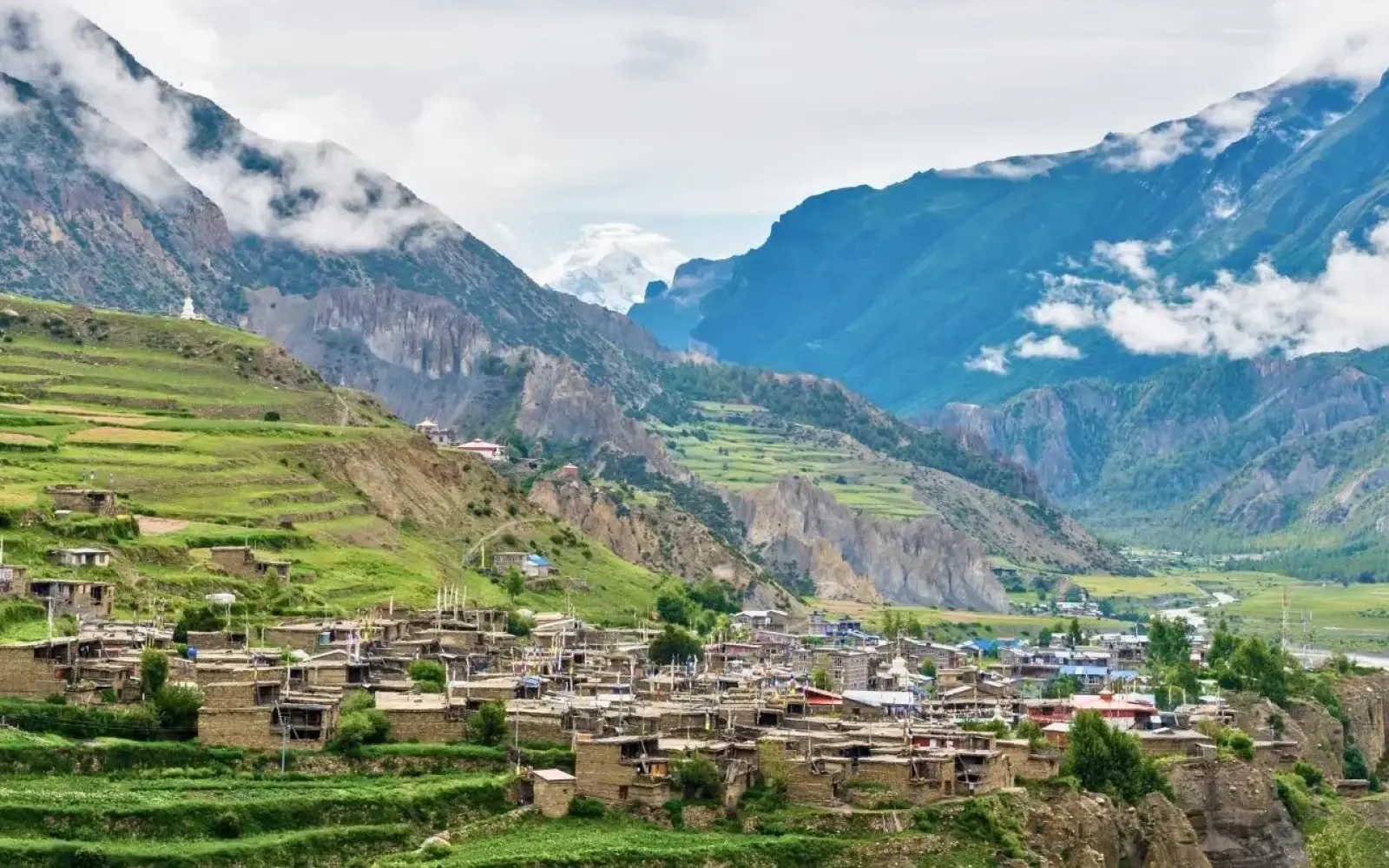
The day-by-day plan, including where each rest day sits, is on our 11-day Nar Phu Valley Trek page.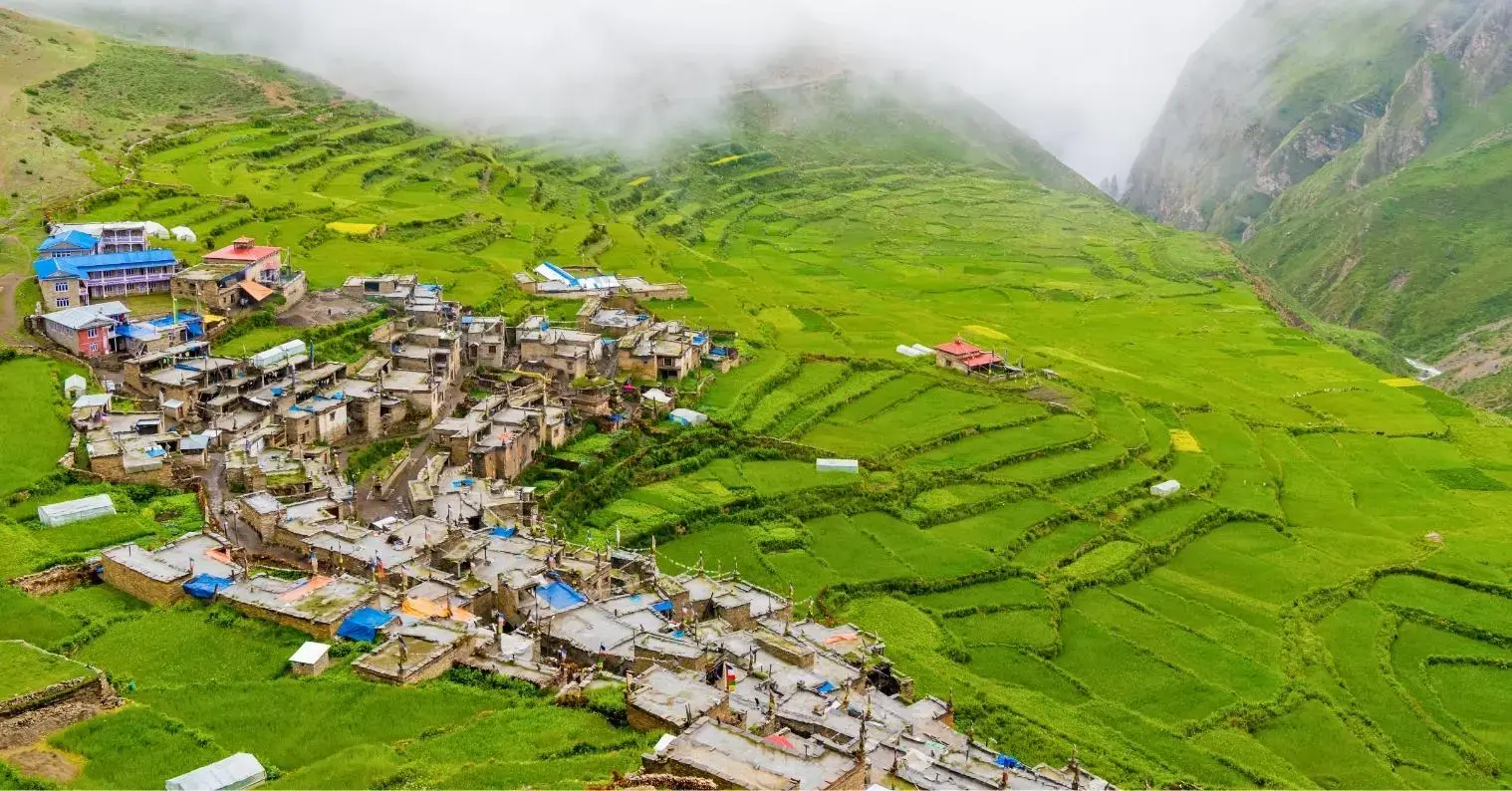 Photo: Nar Phu Valley During Late Monsoon
Altitude Sickness on the Nar Phu Valley Trek
Altitude sickness is a serious consideration for everyone on this route. In plain terms, acute mountain sickness (AMS) feels like a bad hangover. The CDC defines it as a headache plus at least one of loss of appetite, dizziness, fatigue, nausea or, occasionally, vomiting. Symptoms commonly appear after a night at a new, higher sleeping altitude, which is why the morning check with your guide matters.
Report symptoms the same day. Mild AMS is manageable if it is caught early, and the decisions that follow are simple: rest, stay at the same altitude and let your guide reassess. The guidance is clear that you should never go higher to sleep while you have symptoms of altitude illness, however minor they seem, and that you should descend if symptoms get worse despite rest. Walking higher on Day 4 or Day 7 while hiding a headache is the common mistake.
The serious forms. Two rarer forms need urgent action. High-altitude cerebral oedema (HACE) shows up as confusion, drowsiness and loss of balance or coordination, similar to being drunk. High-altitude pulmonary oedema (HAPE) starts with chest congestion, a cough and breathlessness that is out of proportion to the effort, and can progress to breathlessness at rest. The CDC says anyone suspected of having HACE should start descending, and that for HAPE descent is, in most circumstances, urgent and mandatory. On this route, with no road above Koto, that is exactly why early reporting matters.
Fitness does not prevent it. A strong training block helps you walk, not adapt. The people most at risk are often those who feel strong and push on.
The guide's role. Your guide monitors the group, carries a first-aid kit and a pulse oximeter, and can slow, hold or reverse the plan. Their decision is final. A cancelled day is an inconvenience; a missed warning sign is not.
Important: This article is not a medical assessment. Trekkers should consult a qualified healthcare professional before undertaking a high-altitude trek, particularly if they have relevant medical concerns. Follow current high-altitude safety guidance and the trekking guide's assessment. We do not advise on medication, so ask your doctor, ideally one familiar with altitude medicine, whether anything is appropriate for you. Our altitude sickness guide covers prevention and symptoms in more detail.
Trek the Nar Phu Valley Trek with Annapurna Circuit
Two Trails, One Epic Adventure – Venture Into the Hidden Nar Phu Valley and Conquer the Annapurna Circuit
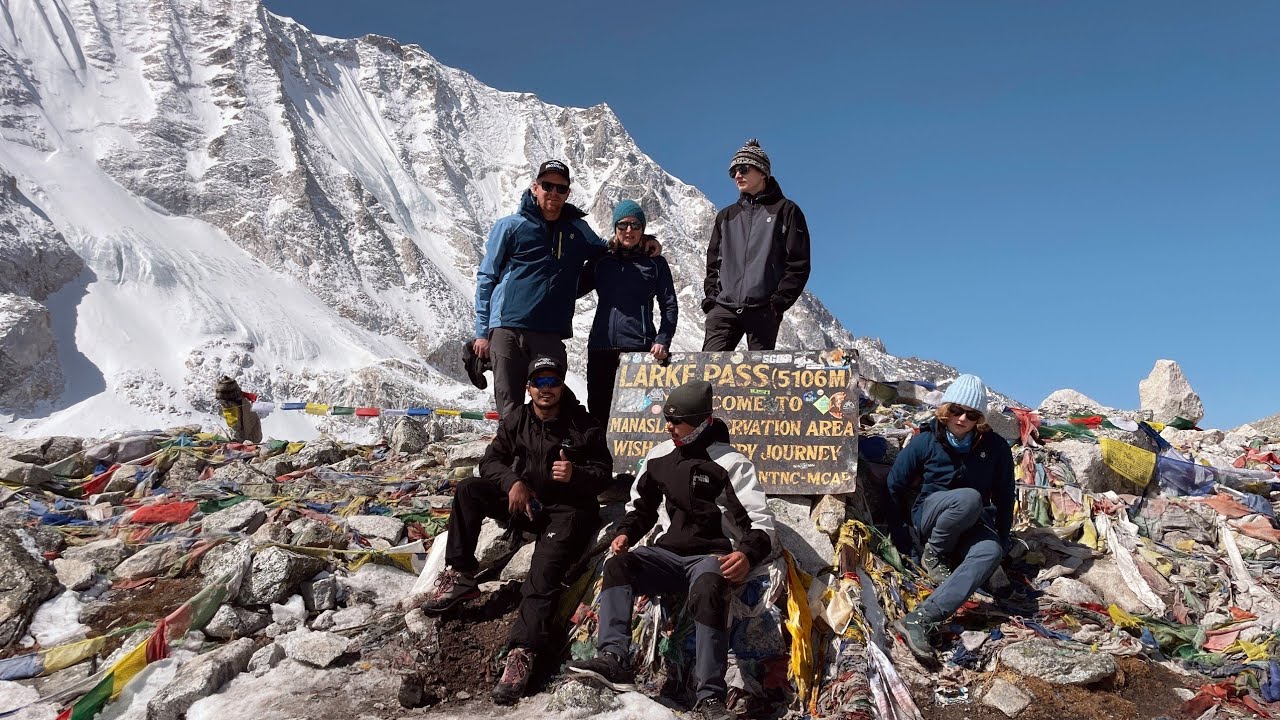
How Difficult Is the Kang La Pass Crossing?
Kang La is the hardest day of the trek and the main reason Nar Phu Valley Trek difficulty sits where it does. It is not technical. There are no ropes and no glacier travel, and under normal conditions nothing on the route needs a climber's skills. It is hard because of what comes before it, how high it is, how cold it starts and how long it lasts.
Day 9 in outline
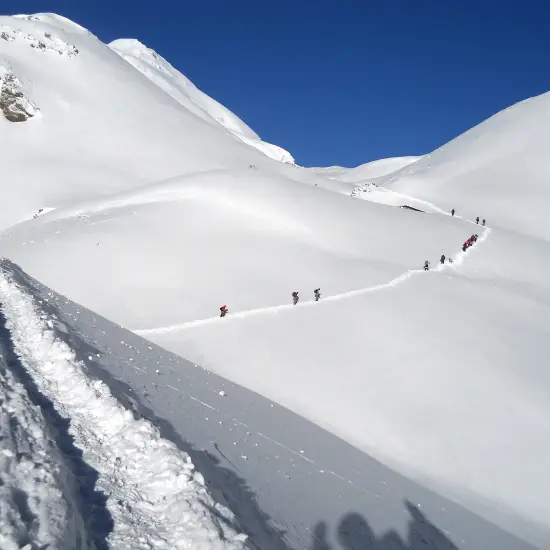
- Pre-dawn, Nar Village (4,110 m). You leave by headlamp and climb about 1,130 m to the pass at a slow, even pace. Your guide sets the speed and checks the group.
- Mid-morning, Kang La Pass (5,240 m / 17,192 ft). A short pause for photographs. The pass is exposed, so nobody lingers, and the day is far from over.
- Afternoon, descent to Ngawal (3,660 m). You drop about 1,580 m on loose ground and stone steps. Ngawal sits on the Annapurna Circuit's upper Marsyangdi side and is 450 m below Nar, so you sleep lower than you did the two nights before.
Allow a full day. As a planning figure, think 8–10 hours from the pre-dawn start to arrival in Ngawal. Treat that as a range rather than a promise, because pace, snow, wind and how the group feels all move it, and your guide confirms the timing on the evening before.
The climb is not where people get hurt. Our trip guidance notes that most pass injuries happen on the way down, when legs are tired and the ground is loose. That is why the training advice later in this guide puts so much weight on steep descents and trekking poles.
What Makes Kang La More Challenging Than an Ordinary Trekking Day?
An ordinary hard trekking day asks for effort. The pass day asks for effort in the worst conditions of the trek, and several things stack up at once.
- It follows nine days of accumulated fatigue. You arrive at the base of the climb after Days 2 to 4 back to back, a knee-testing descent on Day 6 and nights in simple lodges above 4,000 m.
- It starts in the dark and the cold. Our guidance is to dress for −10°C or colder before sunrise and to keep a down jacket in your daypack for the summit. The pass morning is colder than any village night.
- It reaches the highest point of the trek. Breathing is harder at 5,240 m than anywhere else on the route, and you arrive there having already climbed 1,130 m.
- It is exposed. Plan as if there is no shelter on the climb, at the top or on the descent. If tea is available on the day, treat it as a bonus and carry your own water and snacks.
- It ends with a long, steep descent. About 1,580 m on scree and stone steps punishes knees and ankles, particularly late in the day.
- It depends on conditions you cannot control. Fresh snow, wind or poor visibility can delay the crossing by a day, and your guide's decision on the day is final.
- Help is slow if something goes wrong. There is no road above Koto. A helicopter is the realistic evacuation route, but flights depend on weather and daylight, and nobody can honestly promise a response time.
If the pass cannot be crossed. The only other way out of the valley is back down the gorge to Koto, which adds days. Extra nights caused by weather are not included in the package, so we ask trekkers to book their international flight for Day 12 or later and to keep their schedule flexible.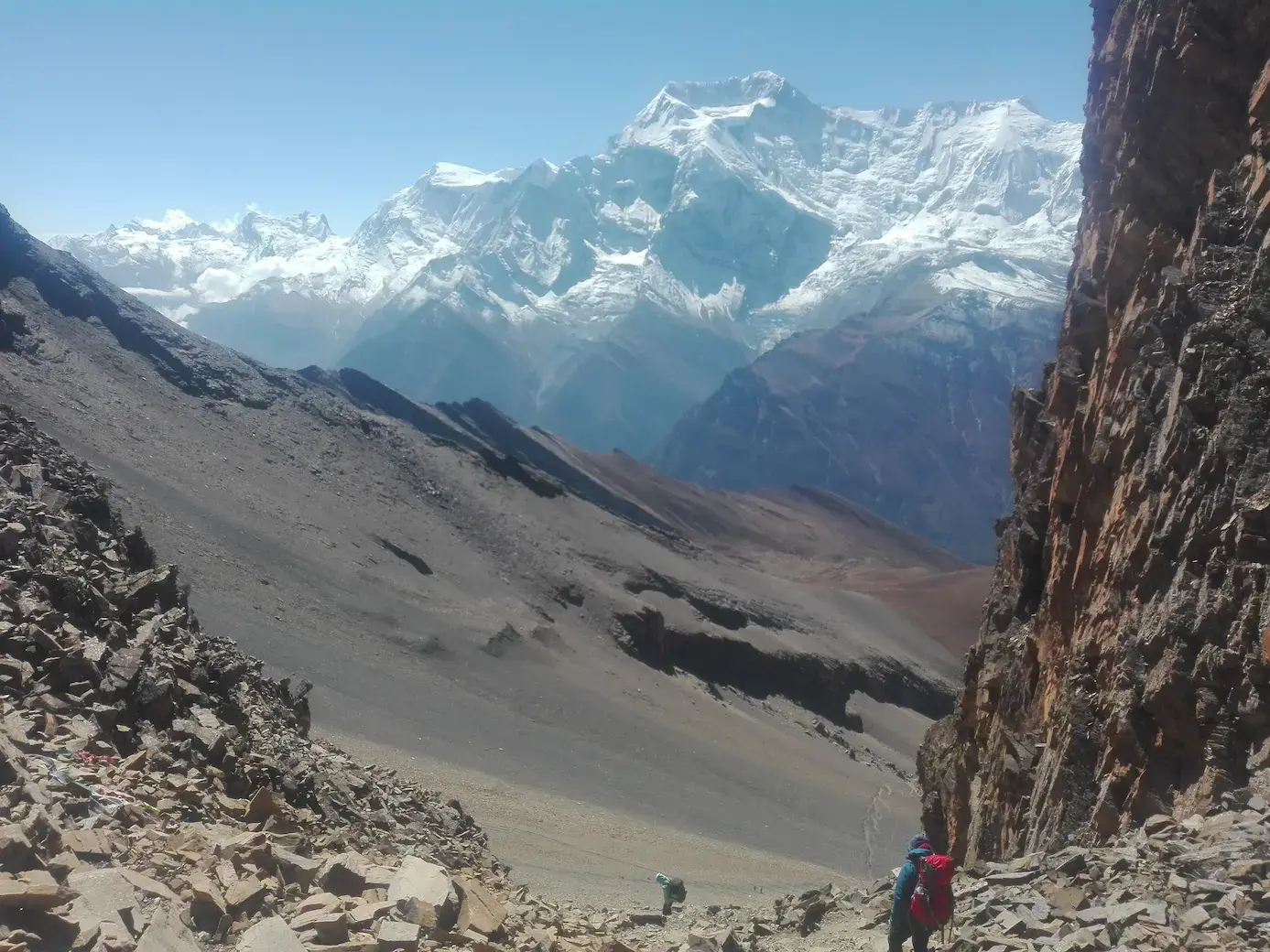
Photo:Trekkers Crossing the Kang La
How Fit Do You Need to Be for the Nar Phu Valley Trek?
You need to be able to hold a steady effort for 5–7 hours, several days in a row, at altitude, with a daypack. That is a stricter test than being a strong gym-goer or a fast short-distance walker.
The simple benchmark we use: if you can walk 5–6 hours on hilly ground with a 5–7 kg pack on two days in a row, and still enjoy it, you are physically ready for the walking. The trek then adds three specific demands.
- Back-to-back long days. Days 2, 3 and 4 are each 5–7 hours of walking in a row, with a 950 m climb to Meta in the middle. How your legs feel on the second morning of a training weekend is the most honest test.
- Strong descending. Day 6 drops about 590 m from Phu and Day 9 drops about 1,580 m from the pass. Quads, knees and balance matter here more than on most treks.
- Sure footing on narrow trail. The gorge between Koto and Meta runs along cliffside trail in places, so balance and comfort on exposed paths help.
What fitness cannot do. It does not make you immune to altitude illness. The CDC states that training and physical fitness do not affect the risk of altitude illness. Fitness lets you walk the route. Pace, hydration, rest days and honest reporting are what protect you at height.
Is the Nar Phu Valley Trek Suitable for Beginners?
It depends on what beginner means, so here are three profiles with plain answers.
You have never done a multi-day trek. We do not recommend this as a first trek. It is not an easy first trek: the route is remote, the lodges are simple and the cold nights are real. Our trip page names Langtang Valley, Everest Base Camp and the Annapurna Circuit as easier introductions. Do one of those first, then come back.
You are fit, have done some multi-day trekking, but have little time above 4,000 m. This is possible with proper preparation. It needs about 10 weeks of structured training (eight weeks is the minimum if you already exercise regularly), simple lodges and cold nights accepted in advance, and a schedule with slack for weather. Talk to us before you book so we can check that the trek matches your experience.
You have trekked at high altitude before and know how you respond. You are best placed, but you are not exempt. Nar Phu is more remote than most routes at similar altitudes, and past performance does not predict how you will respond this time. Read the altitude and Kang La sections above with the same care as everyone else.
We do not advise this trek for anyone with serious heart, lung or other health conditions, or with limited experience hiking at altitude, without first speaking to a qualified healthcare professional. See the note in the altitude sickness section.
How to Prepare for the Nar Phu Valley Trek
Preparation has two halves: your body and your logistics.
Training (start about 10 weeks out; 8 weeks is the minimum if you already exercise regularly)
- Cardio, four sessions a week. 45–60 minutes of brisk walking, hiking, jogging, cycling or swimming. Uphill walking is the single most useful exercise for this route.
- Leg strength, two sessions a week. Squats, lunges, step-ups and calf raises, 25–30 minutes.
- Back-to-back long hikes, at least three weekends. Two 4–6 hour hikes on consecutive days, with steep descents built in.
- Downhill practice. Include long descents and learn to use trekking poles before you leave.
- Core and balance, two sessions a week. Planks, leg raises, single-leg work or yoga, for the gorge trail.
- A loaded daypack. Carry 5–7 kg on your longer hikes, in the boots and socks you will wear in Nepal.
Logistics
- Medical check. See a qualified healthcare professional before you commit, particularly if you have any condition that affects heart, lungs or breathing.
- Insurance. Your policy must cover trekking to 5,500 m including helicopter evacuation. We check it at the pre-trek briefing.
- Permits and cost. Read our Nar Phu Valley Trek cost and permits guide for the restricted-area and conservation-area permits, and our Nepal trekking permits guide for how permits work more broadly.
- Flexible dates. Book your flight home for Day 12 or later.
- Cold-weather kit. A proper sleeping bag, a down jacket you keep in your daypack on Day 9, a headlamp with spare batteries for the pre-dawn start, and microspikes if you travel in late autumn or early spring and snow may lie on the north side of the pass.
Trek the Annapurna Circuit Trek
A legendary high-altitude trek in Nepal that encircles the Annapurna Massif, offering dramatic scenery, diverse cultures, and the iconic crossing of Thorong La Pass at 5,416 meters.
How Remote Is the Nar Phu Valley Trek?
Very remote by Nepal teahouse standards. Remoteness is a separate kind of difficulty from altitude or fitness: it limits how many options you have when something goes wrong or changes.
Access and exits
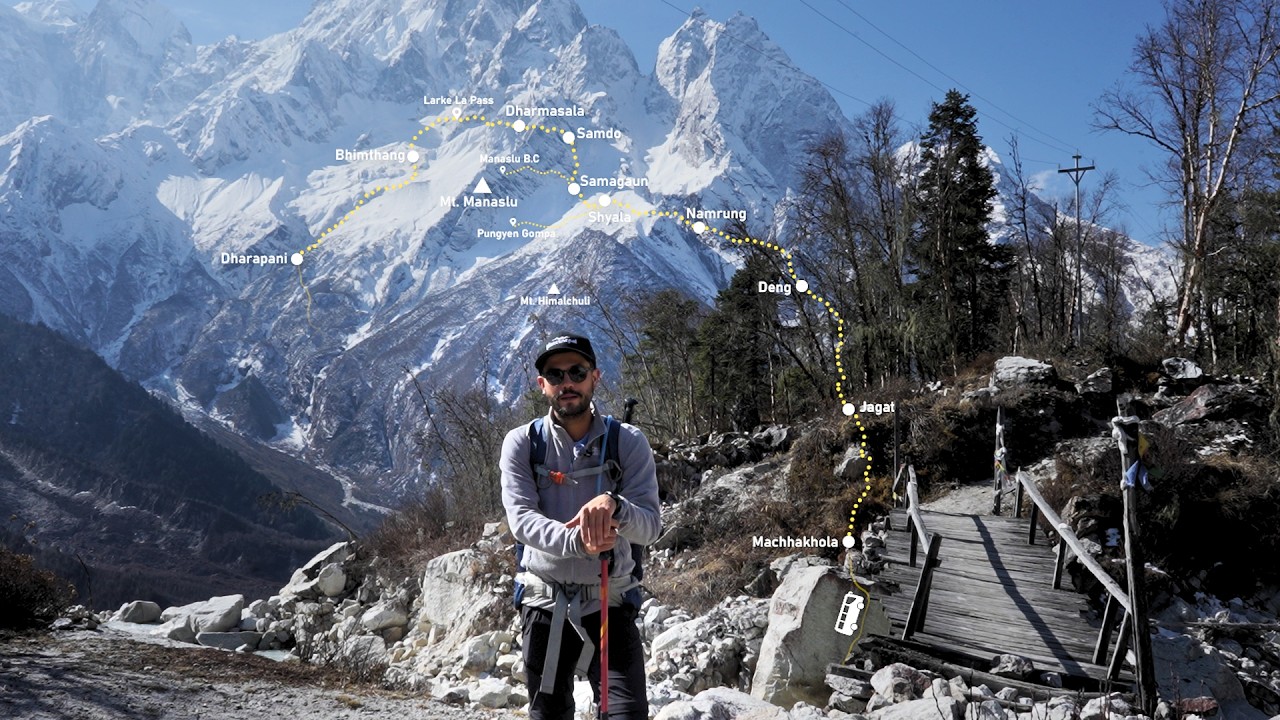
Day 1 is a long travel day by local bus to Besisahar and a shared jeep up the Marsyangdi gorge to Dharapani. From Koto, the Nar Phu trail leaves the Annapurna Circuit, and there is no road above Koto. Everything that reaches Phu and Nar arrives by porter or mule.
The valley is a restricted area, so every trekker needs a permit and a licensed guide through a registered agency. For a trekker on this itinerary the practical ways out are back down the gorge to Koto or over Kang La to Ngawal. Neither is quick, and the pass is only available when conditions allow.
Accommodation
Above Koto, lodging is simple, family-run guest houses with shared bathrooms, blankets provided and limited electricity. Phu and Nar are small Tibetan-style villages, and Nar Phedi is among the simplest nights of the trek. Hot water, hot showers and device charging, where they exist, are usually paid extras.
Nights in Phu and Nar fall well below freezing, and the blankets are not enough on their own. Bring a sleeping bag rated to about −15°C comfort and a liner.
Food
Meals are simple and menus get shorter above Koto. Dal bhat is the reliable choice, with noodles, fried rice, momos and soups on most menus. Nothing is refrigerated in the valley and any meat has travelled for days, so our guides advise eating vegetarian from Koto until you are back on the Annapurna side. Shops disappear after Koto, so carry your own energy bars, nuts or dried fruit.
Mobile network and internet
Plan on little or none. Electricity and Wi-Fi are limited in Phu and Nar and may be unavailable. Mobile coverage varies by village, provider and weather. Some trekkers report that a Nepal Telecom SIM holds a signal better than an Ncell SIM at altitude, but we cannot promise coverage at any specific stop. Tell family and colleagues that you will be hard to reach for several days, and carry enough cash from Kathmandu, because there are no ATMs on the Nar Phu side.
Medical care and evacuation
There is no hospital in the valley. Basic health posts exist in a few villages, and your guide carries a first-aid kit and a pulse oximeter and coordinates with health posts and helicopter operators if needed. A helicopter is the realistic evacuation route, which is why your insurance must cover trekking to 5,500 m including helicopter evacuation. Flights depend on weather and daylight, so no operator can honestly promise a response time. The best protection is early reporting of symptoms, which is the reason we build rest days into the itinerary.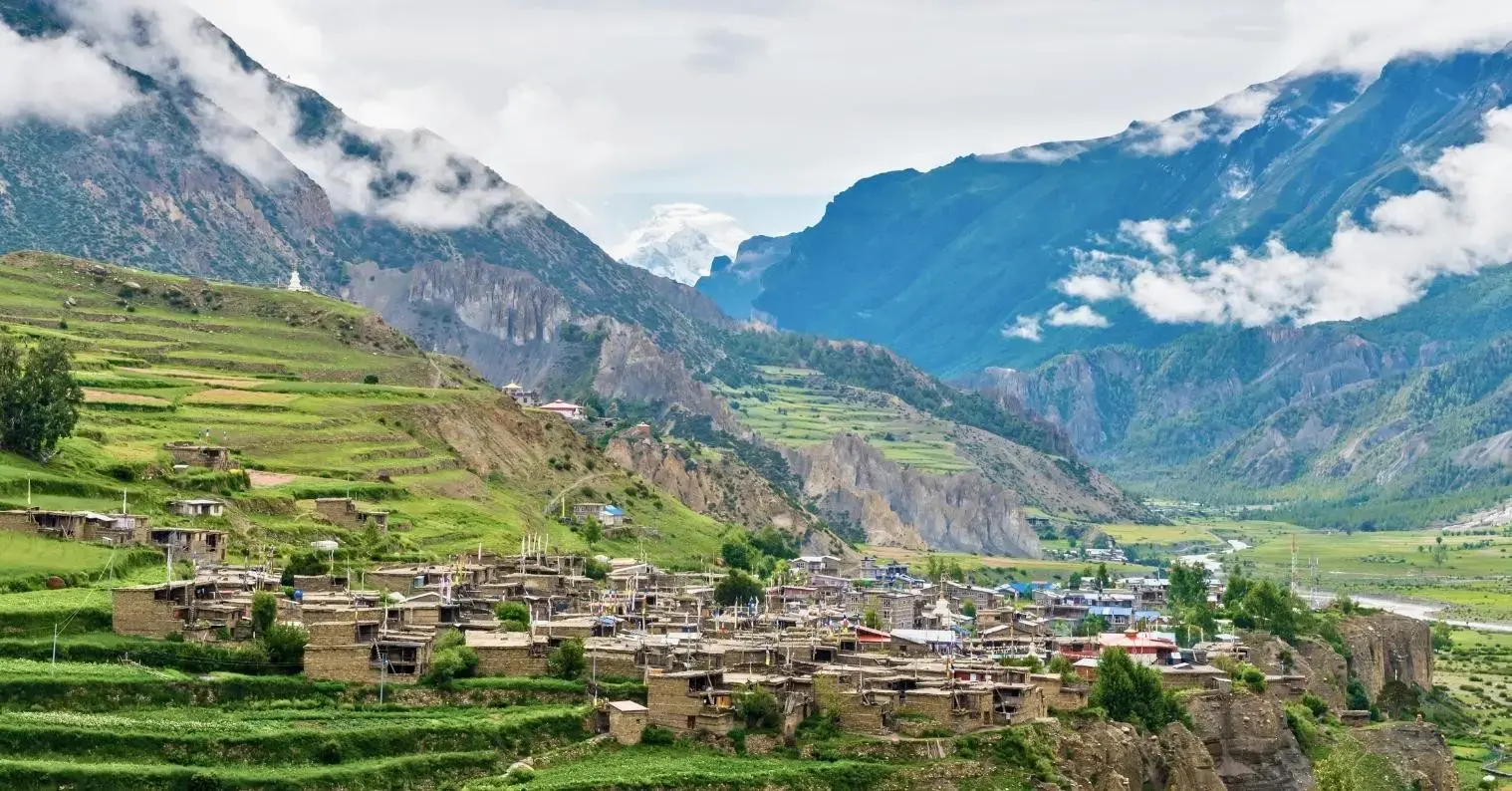
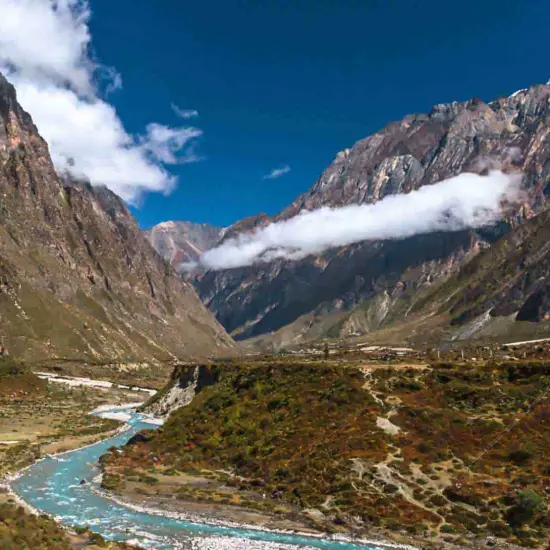
Photo: Villages during Nar Phu Valley Trek
Is Nar Phu More Remote Than the Annapurna Circuit?
Yes, in services and traffic. Nar Phu is not simply harder than the Annapurna Circuit, though. They are difficult in different ways.
- Services and company. The Annapurna Circuit is better served, with more lodges, more villages and far more trekkers, and sections of it are reachable by road. Nar Phu has fewer lodges, no road above Koto and very few other groups, so help and supplies are further away.
- The pass. Thorong La on the Circuit is higher, at 5,416 m, than Kang La at 5,240 m. Both are non-technical crossings that depend on snow and weather.
- Duration and cumulative effort. The Circuit is a longer trek, so it asks for more days of sustained effort. Nar Phu packs four nights at or above 4,000 m into a shorter route.
- Margin for error. On the Circuit you can usually change plans, hire a jeep or turn back through busier villages. In Nar Phu, changing plans is slower and more limited.
If you are comparing the two, our Annapurna Circuit trek itinerary and Thorong La Pass guide cover the Circuit side. If you want both, our separate 17-day Nar Phu Valley Trek with the Annapurna Circuit combines them. It is a different trip from the 11-day trek described here and is a bigger commitment.
When Is the Best Time to Trek Nar Phu Valley?
October is the strongest single month, and the best-supported windows are late September to early November and April to May. Spring and autumn are the two main trekking windows. But the real question is not "which season" so much as "what are conditions like at Kang La Pass and on the approach road in the weeks you travel". A good forecast in the valley does not guarantee a safe crossing, and months within a season are not equally suitable.
| Season | Months | Short verdict |
|---|
| Spring | March to May | Good, with April and May the more settled months. Early March can leave snow on the pass. |
| Monsoon | June to August | Not recommended for most trekkers. |
| Autumn | September to November | The most stable window, with October strongest. Early September and late November are more variable. |
| Winter | December to February | A specialist option that needs local assessment. |
For Nepal-wide seasonal context, see our guide to the best time for trekking in Nepal.
The rain shadow helps, but it does not make the monsoon safe. Nar Phu lies north of the Annapurna range and is drier than the southern slopes. Wikipedia's climate summary for the Annapurna Conservation Area gives roughly 5,000 mm of rain a year on the southern slopes against roughly 1,100 mm in the rain-shadow areas. That is much drier, not dry, and the figures come from sites lower than Phu and Nar. The bigger issue is the way in. The stretch from Besisahar towards Chame sits outside the rain shadow, as our Annapurna Circuit weather guide explains, with heavy rain, landslides and leeches in the monsoon. You have to walk and drive that stretch to reach the valley at all.
Nar Phu Valley Trek in Spring (March–May)
Spring conditions improve as the season goes on. Winter's grip loosens at height, days warm up, and the monsoon starts to approach at the end of May.
March. Lingering winter conditions can remain at high elevations. Snow and ice can affect Kang La, and nights stay cold in Phu and Nar. We would not describe March as reliably suitable without current conditions, and lodge operation in the upper valley is worth confirming locally before you commit.
April. Generally a strong spring option. Days are more manageable, mornings are clear and the trail has rhododendron and alpine flowers lower down. Some snow can still lie at higher elevations, so microspikes are worth carrying early in the season. Nar Phu sees far fewer trekkers than the Annapurna Circuit in both seasons, so the valley is quiet either way. For the shared lower valley, see our Annapurna Circuit in April guide.
May. Warmer at lower elevations, with more afternoon cloud and pre-monsoon weather that can change quickly. Conditions can vary towards the end of the month as the monsoon approaches. Our Annapurna Circuit in May guide covers the lower valley.
Nar Phu Valley Trek During Monsoon (June–August)
Most trekkers should choose spring or autumn instead. The upper valley is drier than the south, so geography alone does not rule the monsoon out. The access problems make it a poor bet, though, and we do not recommend it for most trekkers.
- Approach roads and landslides. The Marsyangdi road and lower trail take the worst of the rain. Landslides can block the road, delay vehicles and cut off days.
- Wet, slippery trail. The lower trail sections become slippery, with leeches in the wetter forest.
- Cloud and reduced visibility. Views of Annapurna II, Gangapurna and Tilicho Peak are often hidden, and poor visibility makes the pass harder to judge.
- Delays and flexibility. If you did go, you would need spare days, a flexible flight home and the acceptance that the plan may change or be cancelled.
A rain-shadow valley does not mean a rain-free trip. If you are tempted by the monsoon because of quieter trails, tell us and we will explain the trade-offs.
Nar Phu Valley Trek in Autumn (September–November)
Autumn is the post-monsoon window and the most stable for the pass. Skies clear, trails dry out, and mountain views are at their best. It still needs month-by-month care.
September. Early September can still carry monsoon influence, especially on the approach. Conditions often improve as the month goes on, but the month is not equally reliable throughout. Later in September is a better bet than the first week.
October. Generally considered the strongest choice. Post-monsoon air is clear, trail conditions are at their most settled and the pass has its best crossing prospects. Weather can still change. In mid-October 2014 a severe early-winter storm caused deaths among trekkers on the Annapurna routes, and Reuters reported on 16 October 2014 that an avalanche had struck near Phu the day before. That is rare, but it is why we build flexibility into the schedule and why the guide's call on the day is final. Our Annapurna Circuit in October guide covers the shared lower valley.
November. Clearer skies, but colder nights. Winter conditions increase through the month, the chance of ice in the gorge and snow near the pass rises, and some lodges may change what they offer. Early and mid-November are usually better than late November. See our Annapurna Circuit in November guide for the lower valley.
We cannot guarantee that Kang La is open or snow-free in any month, autumn included. Fresh snow can delay the crossing by a day even in October.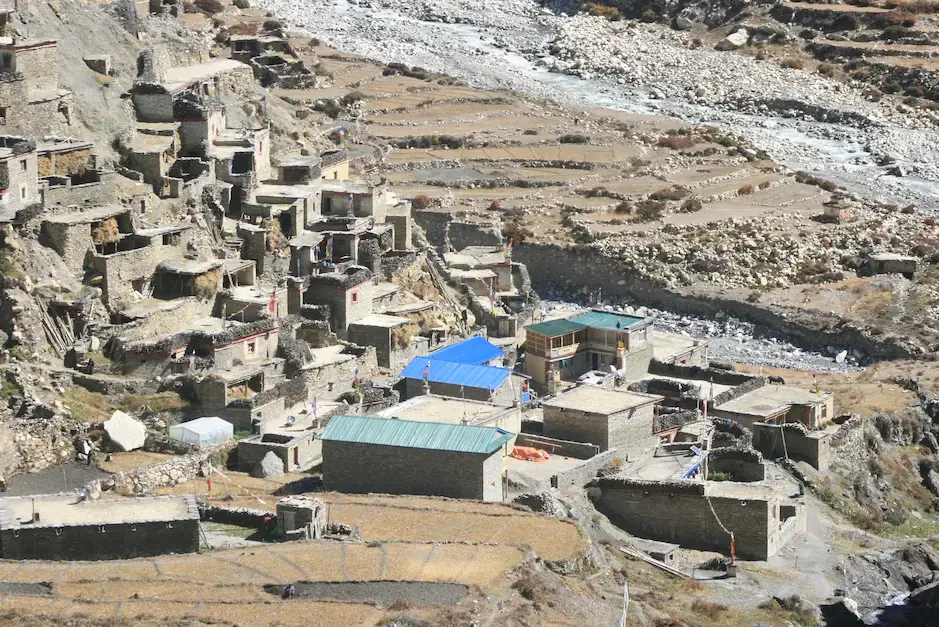
Nar Phu Valley Trek in Winter (December–February)
Winter is a specialist option, not a standard recommendation. The trip becomes a different kind of challenge.
- Very cold nights at Phu and Nar. Our guide figure is −15°C or lower.
- Snow and ice around Kang La. The pass can be snowbound, and the crossing may not be possible or safe.
- Lodge closures and reduced services. Some teahouses close for the season, so supplies and fallback beds are limited.
- Limited flexibility and emergency support. Helicopter operations depend on weather and daylight, and winter weather and shorter days narrow the windows.
- The need for local assessment. Whether a given winter departure is realistic depends on current snow, current lodge operation and an experienced local assessment.
Previous trekking experience is not a reason to attempt a snowbound pass. If you want to trek Nar Phu in winter, speak to us first, keep your dates flexible, and be prepared for us to advise against a particular departure. If current conditions are unclear, they have to be checked locally before departure.
Nar Phu Valley Trek Month-by-Month Guide
These labels describe how well a month tends to suit most trekkers. They are not a forecast, and nobody can guarantee that the pass is open or snow-free in any month.
| Month | General conditions | Kang La considerations | Recommendation |
|---|
| January | Winter. Very cold nights in Phu and Nar. Some lodges closed. | Snow and ice make the crossing uncertain, and it may not be possible. | Requires specialist assessment |
| February | Late winter. Cold nights, snow possible at height. Some lodges closed. | Winter snow can persist on the pass. | Requires specialist assessment |
| March | Lingering winter at height, cold nights, conditions improving through the month. | Snow and ice may remain, especially early in the month. | Possible but variable |
| April | More manageable days, clear mornings, flowers lower down. Nights still cold. | Some snow may remain at height; generally more settled than March. | Generally favourable |
| May | Warmer at lower elevations. More afternoon cloud, and pre-monsoon weather can shift late in the month. | Less lying snow than earlier in spring, but weather and visibility still decide. | Generally favourable |
| June | Monsoon. Rain, landslides and leeches on the approach, and cloud. | Access to the pass is the main problem, and conditions are unreliable. | Not recommended for most trekkers |
| July | Peak monsoon. Road and trail disruption likely. | As June. | Not recommended for most trekkers |
| August | Monsoon continues. Slippery trails and cloud. | As June. | Not recommended for most trekkers |
| September | Early month may still carry monsoon influence. The approach is the weak point. Improves through the month. | Approach and lower trail matter more than the pass early in the month. | Possible but variable |
| October | Clear skies, most stable trail conditions, best visibility. Cold nights at height. | Strongest overall prospects, though fresh snow can still arrive in a storm. | Generally favourable |
| November | Clear skies, colder nights. Winter conditions increase later in the month. Lodge services can change. | Ice in the gorge and snow near the pass become more likely late in the month. | Generally favourable early in the month; possible but variable late in the month |
| December | Winter. Very cold nights in Phu and Nar. Some lodges closed. | Snow can block the pass, and the crossing may not be possible. | Requires specialist assessment |
Is Spring or Autumn Better for the Nar Phu Valley Trek?
Neither wins outright. Autumn gives the most stable pass conditions and the clearest views, and spring gives milder days and flowers with a little more snow risk early on. The temperature figures below are our own guide figures from the 11-day trip page, not station data.
| Factor | Spring (March–May) | Autumn (September–November) |
|---|
| General weather | Improves through the season. Pre-monsoon weather can shift in May. | Stable after the monsoon clears. Early September and late November are the weak points. |
| Mountain visibility | Clear mornings. Afternoon cloud becomes more likely into May. | Best of the year in October, with post-monsoon clarity. |
| Snow around Kang La | Winter snow can remain into early spring, most likely in March. April and May are the safer crossing months. | Usually less lying snow early in the season, but fresh snowfall can arrive in a storm and becomes more likely by November. |
| Daytime conditions | Guide figure: about 10–18°C. | Guide figure: about 12–20°C. |
| Night temperatures | Guide figure: about −5°C at higher altitude. | Guide figure: −6°C or lower in Nar and Phu. |
| Trail conditions | Narrow gorge trail can still ice early in the season. Rhododendron and alpine flowers lower down. | Generally dry and settled. Ice in the gorge becomes more likely late in November. |
| Crowds | Nar Phu is much quieter than the Annapurna Circuit in both seasons. We cannot say precisely how the two seasons compare here. | As spring. |
| Best suited to | Trekkers who are flexible about early-season snow and enjoy flowers and milder days. | Trekkers who want the most stable pass odds and the clearest views. |
Who should choose spring. Trekkers who have flexible dates, are comfortable with the possibility of snow early in the season and want milder days and flowers on the trail. April to May suits this best.
Who should choose autumn. Trekkers who prefer the most reliable window, the clearest views of Annapurna II, Gangapurna and Tilicho Peak and a settled trail, and who accept the colder nights.
Why October is often the strongest overall option. It combines post-monsoon clarity, dry and settled trails and the best prospects for the pass before winter sets in. If October is your target, plan early.
Why late April and May can also be attractive. Snow on the pass has had more time to clear than in March, days are warmer and the valley is quiet. The trade-off is more afternoon cloud and the approaching monsoon at the end of May.
Why early September and late November need more careful consideration. Early September can still carry monsoon influence on the approach. Late November brings colder nights, more chance of ice and snow, and possible changes in lodge services. Both can work, but they leave less margin.
Trek the Tsum Valley Trek
Discover the Tsum Valley trek — a remote Himalayan journey through a sacred, restricted valley. Explore the full itinerary, trail map, and package pricing before you book your adventure.
Best Seasonal Window for Kang La Pass
The pass sets the calendar for this trek. Snow, ice, wind and visibility matter far more at 5,240 m than they do in the valley villages, and an otherwise good trekking day lower down does not mean safe conditions on the pass.
- Winter snow can remain into spring. The north side can hold snow early in the season, which is why March is conditional and April to May are the safer crossing months.
- Fresh snowfall can change autumn conditions. A good October can still produce a storm. The mid-October 2014 storm, which included an avalanche near Phu, is a documented example.
- Visibility and wind matter. Poor visibility makes route-finding on the loose ground harder, and the exposed pass is cold in wind.
- A good valley day is not a pass day. Clear skies at Nar do not guarantee that the crossing is safe.
Our practical reading. The best-supported windows are late September to early November, with October strongest, and April to May. March and late November are conditional on current snow. December to February is for specialist assessment only, and June to August is not recommended for most trekkers. These are broad seasonal patterns, not guarantees of safe passage, and we cannot give a date range for the pass.
The decision to cross is made on the day. It depends on current weather, snow conditions, visibility, the group's health and your guide's judgement. If the pass is not safe, we do not cross it.
Is the Nar Phu Valley Trek Right for You?
Likely to be a good fit
- You are comfortable with multiple days of walking, 5–7 hours at a time, with steep descents.
- You have good general fitness and have trained for this trek.
- You have done multi-day trekking before, ideally at altitude.
- You enjoy remote villages and are happy with simple facilities and cold nights.
- You are prepared for high-altitude conditions, can keep your dates flexible and carry insurance to 5,500 m including helicopter evacuation.
Should consider carefully
- You have not prepared for hiking. Ten weeks of structured training is what we suggest.
- You are uncomfortable with basic accommodation: shared bathrooms, limited power and cold nights.
- You need reliable mobile connectivity or Wi-Fi.
- Your travel schedule has little flexibility, because weather can move the pass day.
- You are uncomfortable with long, high-altitude walking days, or you would be tempted to hide symptoms to keep going.
- You are thinking of going in the monsoon, or in winter without specialist advice.
Age alone is not a reason to include or exclude anyone. Fitness, preparation, experience at altitude and general health matter far more. A general article cannot determine your personal health or medical suitability, so speak to a qualified healthcare professional before you commit. If you are unsure which group you fall into, that is a good reason to ask us.
Nar Phu Valley Trek Difficulty and Best Time: Frequently Asked Questions
How difficult is the Nar Phu Valley Trek?
Challenging. The trail is not technical, but six of the ten nights are at or above 3,500 m, four are at or above 4,000 m, most walking days are 5–7 hours, and Day 9 crosses Kang La at 5,240 m. The difficulty comes from altitude, remoteness and the long pass day working together.
Is the Nar Phu Valley Trek harder than the Annapurna Circuit?
Not simply. Nar Phu is more remote, with fewer lodges, no road above Koto and less margin if plans change. The Annapurna Circuit is longer and crosses a higher pass, Thorong La at 5,416 m. They are difficult in different ways, and the better choice depends on your experience and what you want from the trek.
Is the Nar Phu Valley Trek suitable for beginners?
Not as a first trek. It can suit well-prepared beginners who are fit, have trained for 8–10 weeks and accept simple lodges and cold nights, but our trip page names Langtang Valley, Everest Base Camp and the Annapurna Circuit as easier introductions. We do not advise it for people with serious health conditions or little altitude experience.
How fit do you need to be for Nar Phu?
You should be able to walk 5–6 hours on hilly ground with a 5–7 kg pack on two days in a row and still enjoy it. Start about 10 weeks out, with eight weeks as the minimum if you already exercise regularly. Fitness helps you walk, but it does not prevent altitude illness.
What is the highest altitude on the Nar Phu Valley Trek?
Kang La Pass, at 5,240 m (17,192 ft) on Day 9, is the highest point. The highest place you sleep is Nar Village, at 4,110 m. Published sources give slightly different elevations for Kang La, up to about 5,320 m, and we have not found an explanation for the difference.
How difficult is Kang La Pass?
It is the hardest day of the trek. It is non-technical, but you climb about 1,130 m from Nar in the dark and cold, then descend about 1,580 m on loose ground to Ngawal. Allow a full day, with 8–10 hours as a planning figure. Snow, wind or poor visibility can delay the crossing.
How many days do you spend above 4,000 metres?
You sleep at or above 4,000 m on four nights: two in Phu (Days 4 and 5) and two in Nar Village (Days 7 and 8). You spend at least part of six consecutive days, Days 4 to 9, at or above 4,000 m, because Day 4 ends in Phu, Day 6 starts there, Day 7 ends in Nar and Day 9 starts there.
What is the best month for the Nar Phu Valley Trek?
October is generally the strongest single month, with clear skies, settled trails and the best prospects for Kang La. Late September to early November and April to May are the other well-supported windows. No month is guaranteed, because the pass depends on snow and weather on the day.
Is April a good time for Nar Phu?
Generally yes. April brings more manageable days, clear mornings and flowers lower on the trail. Some snow can remain at higher elevations, so carry microspikes early in the season. Conditions are usually more settled than in March. Your guide still decides on the day whether the pass is safe to cross.
Is October the best time for Nar Phu?
Often, yes. October is generally the strongest single month, though no month suits every trekker. Post-monsoon air is clear, trails are at their most settled and the pass has its best crossing prospects. Nights at Phu and Nar are cold, and weather can still change, so a flexible schedule matters even in October.
Can you trek Nar Phu Valley during monsoon?
We do not recommend it for most trekkers. The upper valley is drier than the south, but the approach road and lower trail suffer landslides, slippery sections and leeches, and cloud hides the views and complicates the pass. If you want to go, you would need spare days and flexible plans.
Can you trek Nar Phu Valley in winter?
Only as a specialist option. Nights at Phu and Nar are very cold, snow and ice can block Kang La, and some teahouses close for the season. Whether a winter departure is realistic depends on current conditions and local assessment. Speak to us before planning one.
Is Nar Phu Valley more remote than the Annapurna Circuit?
Yes, in services and traffic. There is no road above Koto, no hospital in the valley and far fewer lodges and trekkers than on the Circuit. A helicopter is the realistic evacuation route, which is why insurance to 5,500 m including helicopter evacuation is required.
Is mobile network available in Nar Phu Valley?
Plan on little or none. Coverage varies by village, provider and weather, and electricity and Wi-Fi in Phu and Nar are limited and may be unavailable. Some trekkers report that a Nepal Telecom SIM holds a signal better than Ncell at altitude, but we cannot promise coverage at any stop.
Do you need a guide for the Nar Phu Valley Trek?
Yes. Nar Phu is a restricted area, so you must trek with a licensed guide through a registered agency, with a maximum of 7 trekkers per guide. Since 22 March 2026 a solo trekker can get their own permit, but independent trekking without a guide is still not allowed.
Plan Your Nar Phu Valley Trek
If you are weighing the difficulty or the season, read the full 11-day Nar Phu Valley Trek itinerary and inclusions, or tell us about your experience and dates and we will give you an honest view of whether it fits.