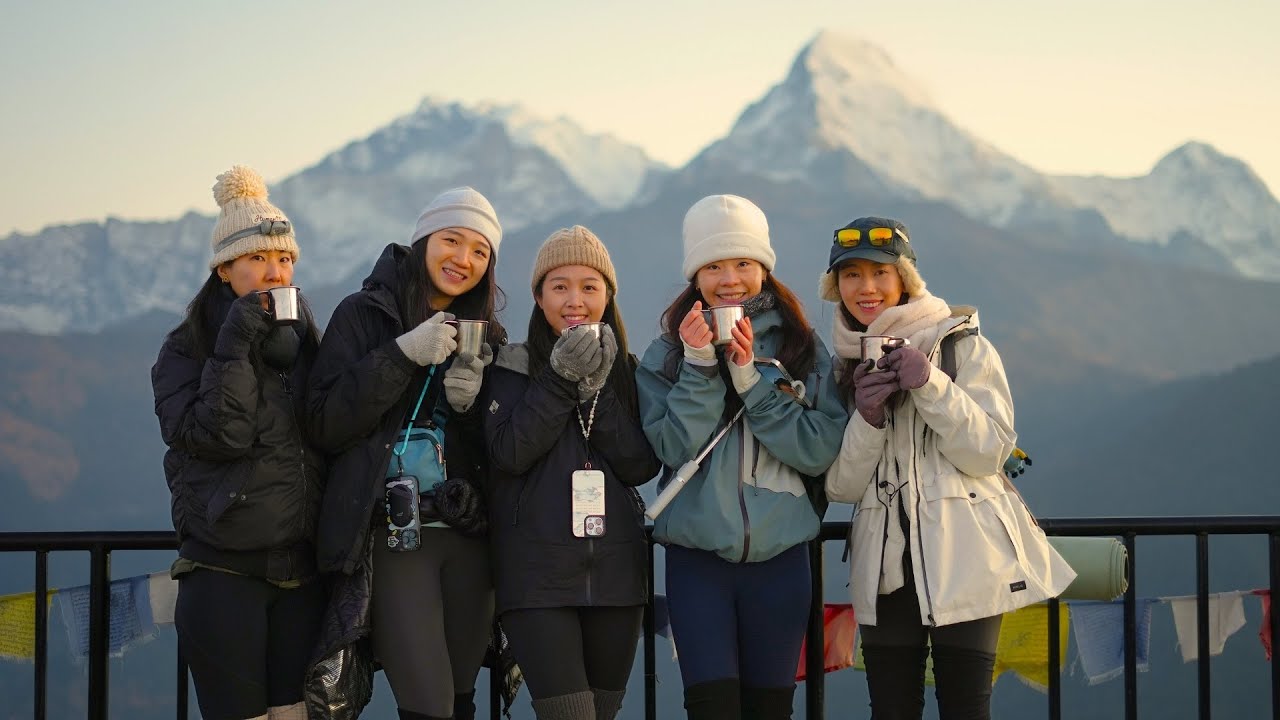
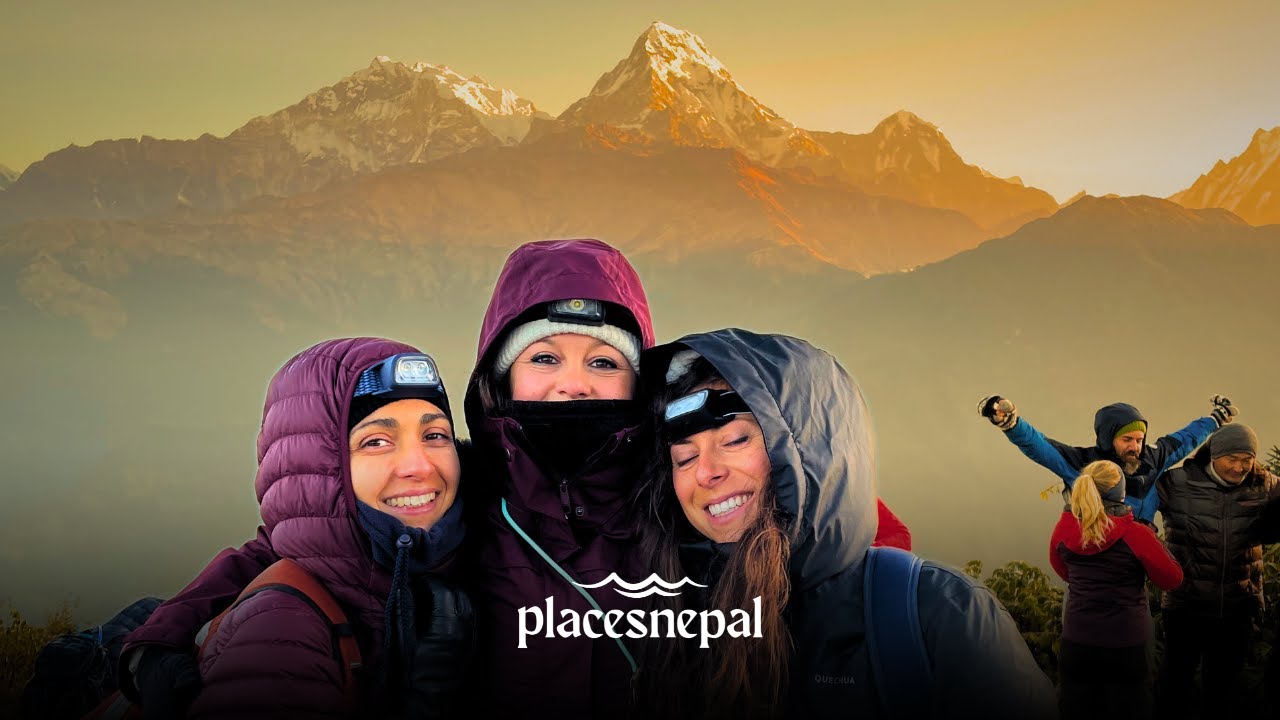
Plan your perfect autumn trek in Nepal with our guide to the top 10 trails. From September to November, enjoy clear mountain views, comfortable weather, vibrant festivals like Dashain and Tihar, and Himalayan landscapes.
Every year around August, the question we get most at our Kathmandu office is some version of "is autumn actually the best time to trek?" The honest answer is: usually, yes — but autumn isn't one season, it's three. September, October and November behave differently on the trail, and the route that suits a late-September trekker isn't always the one that suits someone flying in for the last week of November. This guide is built around that distinction, using our current 2026 trek inventory, so you can work out which route and which month actually fit your trip.
Is Autumn Really the Best Time to Trek in Nepal?
For most of Nepal's major routes, yes — with some caveats worth knowing before you book.
The Nepal Tourism Board lists September to November, alongside February to May, as the two windows when trekking weather is most favourable — fair conditions during the day and temperatures that don't swing wildly overnight. Autumn earns that reputation because it follows directly behind the monsoon: rainfall tapers off, river-fed haze clears from the valleys, and the accumulated moisture in the atmosphere over summer is largely gone by early-to-mid October. On the ground, that translates into several practical advantages — trails that dry out and firm up underfoot, mountain visibility that's typically the best of the year, and teahouse operations across every major route running at full capacity, staffed and stocked for peak demand.
What autumn is not is a guaranteed run of blue-sky days. Weather in the Himalaya is regional and elevation-dependent — a clear morning in Namche Bazaar says nothing about conditions on a 5,400 m pass 40 km away, and early September in particular can still carry the tail end of monsoon cloud in some valleys. Treat "autumn is the best season" as a statement about the odds, not a promise. The sections below break down exactly how those odds shift across September, October and November so you can plan around them rather than assume them.
September vs October vs November: How Autumn Actually Changes
Autumn in Nepal is really a gradient, not a block. Here's how the character of the season shifts across the three months:
| Period | Typical character | Main advantage | Main drawback | Best for |
|---|
| Early September | Transition out of monsoon | Greener landscapes, far fewer trekkers | Higher chance of lingering rain or cloud | Flexible travellers comfortable with some uncertainty |
| Late September | Autumn becoming established | Better weather-to-crowd balance | Some day-to-day variability remains | Trekkers who can shift dates by a few days |
| October | Peak autumn | Strongest, most consistent visibility | The busiest month on every major trail | First-time trekkers, classic routes like EBC and Annapurna |
| Early November | Crisp and dry | Excellent visibility, crowds start to thin | Noticeably colder mornings and nights | High-altitude and high-pass trekkers |
| Late November | Turning toward winter | Quiet trails, still-clear days possible | Colder, more weather-sensitive high passes | Experienced, flexible trekkers |
None of this is uniform across Nepal, either — a late-November day that's perfectly manageable on the Poon Hill ridge can be a genuinely cold, wind-scoured proposition on the Larkya La or Thorong La. Altitude and region matter as much as the calendar date. We'll cover both below.
Quick Comparison: Which Autumn Trek Fits You?
Before the full route-by-route breakdown, here's how our current autumn trek inventory stacks up side by side. Durations and starting prices reflect our live packages.
| Trek | Duration | Highest point | Character | Best suited to |
|---|
| Everest Base Camp | 14 days | 5,545 m (Kala Patthar) | Classic Khumbu trail, Sherpa culture | First Everest trek, iconic mountain views |
| Everest Three Passes | 17 days | ~5,550 m (Kongma La) | High-altitude circuit, three passes | Experienced, high-altitude trekkers |
| Manaslu Circuit | 12 days | 5,106 m (Larkya La) | Restricted-area circuit around the 8th-highest peak | Trekkers wanting Annapurna-style scenery with fewer people |
| Annapurna Circuit | 10 days | 5,416 m (Thorong La) | Road-shortened classic circuit | Landscape variety in a compact window |
| Kanchenjunga Circuit | 17 days | ~5,143 m (Pang Pema) | Remote, far-eastern, two base camps | Serious, off-the-beaten-path trekkers |
| Gokyo Lakes | 10 days | 5,357 m (Gokyo Ri) | Turquoise lakes, glacier views | Everest-region views away from the main EBC line |
| Annapurna Base Camp | 10 days | ~4,130 m | Forest-to-sanctuary progression | A shorter high-mountain experience |
| Langtang Valley | 8 days | ~3,870 m (Kyanjin) | Closest major trek to Kathmandu | Limited-time trekkers, Tamang culture |
| Upper Mustang | 14 days | ~3,800–4,100 m | Arid, Tibetan-style rain-shadow desert | Culture and landscape over altitude challenge |
| Mardi Himal | 5 days | ~4,500 m | Short ridge walk, close-up Fishtail views | Trekkers without two weeks to spare |
| Ghorepani Poon Hill | 6 days | 3,210 m | Sunrise viewpoint, rhododendron forest | Beginners, families, first-time trekkers |
We don't rank these against each other with scores — "best" depends entirely on what you're trying to get out of the trip. Below, each route is grouped by the kind of experience it delivers rather than a single "top 10."
For Everest: EBC, Three Passes, or Gokyo Lakes For a high-altitude challenge: Everest Three Passes For landscape variety: Annapurna Circuit For genuine remoteness: Kanchenjunga or Manaslu Circuit For a short trek: Langtang Valley, Mardi Himal, or Poon Hill For Tibetan-style desert landscape and culture: Upper Mustang For the Annapurna Sanctuary experience: Annapurna Base Camp For glacial lakes with Everest-region views: Gokyo Lakes
Everest Base Camp in Autumn
The Everest Base Camp Trek is our current 14-day package, priced from US$1,260 for groups of 2–5, and it remains the trek most people mean when they ask about autumn trekking in Nepal. The route climbs from Lukla (2,860 m) through Namche Bazaar (3,440 m), Tengboche, and Dingboche to Everest Base Camp itself (5,364 m), with a dawn climb of Kala Patthar (5,545 m) for the classic Everest sunrise view — the trek's true high point and the best vantage of Everest's summit on the entire route, since Base Camp itself doesn't actually offer a clear sightline to the top.
Autumn works well here for a combination of reasons: post-monsoon visibility is typically at its sharpest, the trail's teahouse infrastructure — arguably the best-developed in the Himalaya — is running at full capacity, and the Khumbu's Sherpa villages and monasteries (Tengboche in particular) are lively with both trekkers and the tail end of the autumn mountaineering season. The trade-off is honest: October is the single busiest month on this trail. Namche and the teahouses near Base Camp fill up, and Lukla flights during peak weeks are sometimes rerouted through Manthali Airport in Ramechhap to manage traffic at Kathmandu's domestic terminal. None of that makes the trek any less worthwhile — it just means booking ahead and building in a weather buffer day around your Lukla flights.
Annapurna Circuit in Autumn
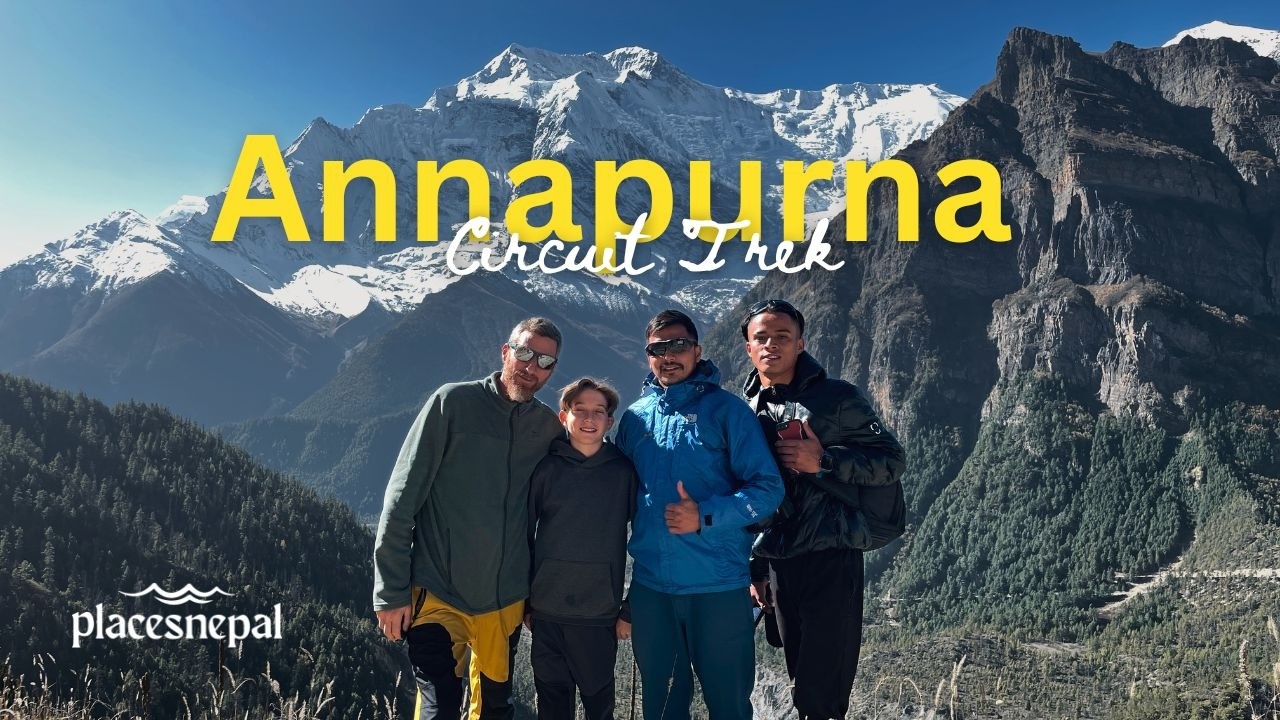
One correction worth flagging up front: older guides to this route often cite 14–18 days. That figure describes the traditional full circuit on foot from Besisahar. Our current Annapurna Circuit Trek package is a 10-day itinerary from US$820, made possible by road and jeep access that now covers the lower Marsyangdi valley — the sections that used to add a week of walking before the road reached Manang-side villages. The itinerary uses vehicle transfers to reach the trail's higher, more scenic sections directly, then trek on foot through Manang, over Thorong La Pass (5,416 m — one of the highest trekking passes anywhere in the world), and down into Muktinath and the arid Kali Gandaki valley toward Lower Mustang.
Autumn is when this shortened circuit performs best. The Annapurna and Dhaulagiri massifs are at their most visible, Thorong La is generally at its most stable and safest to cross, and the transition from Manang's high, dry valley to the sub-tropical lower reaches shows the route's famous landscape variety — glacier to desert to forest — in sharp contrast. If you want the traditional multi-week walking experience rather than the road-shortened version, talk to us directly; the classic circuit is still very much walkable, just no longer the default package.
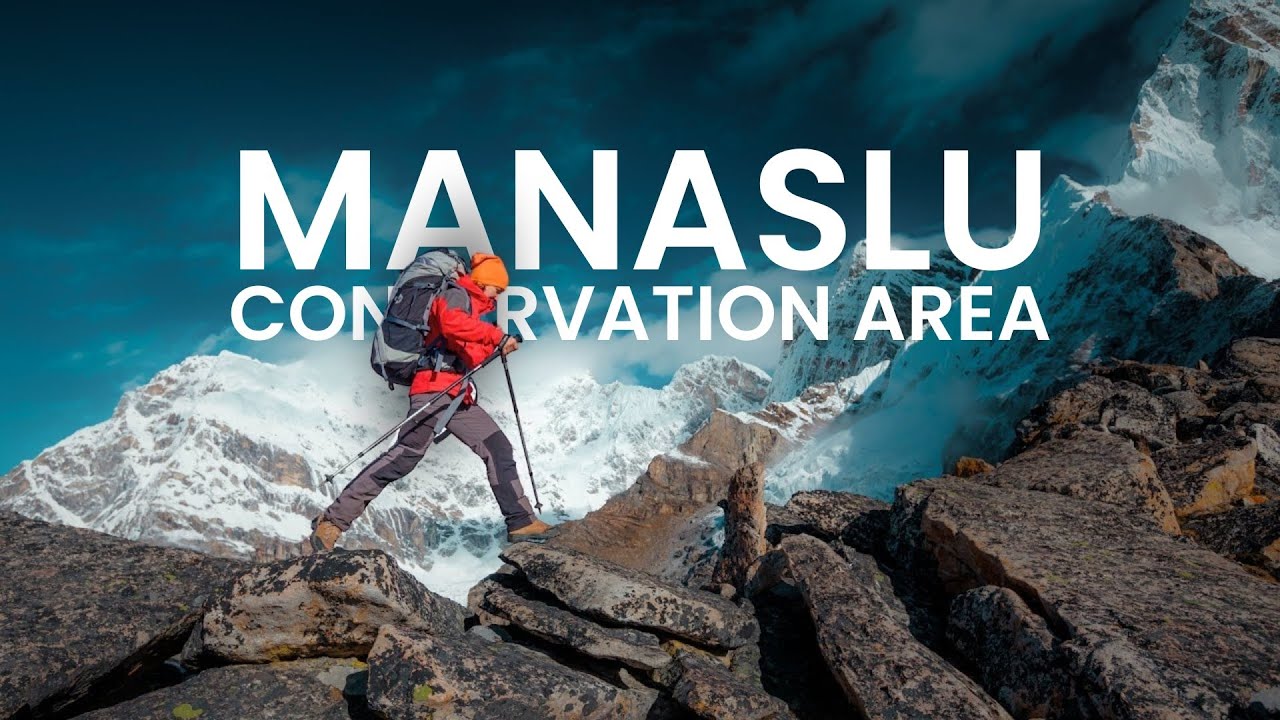
Manaslu Circuit in Autumn
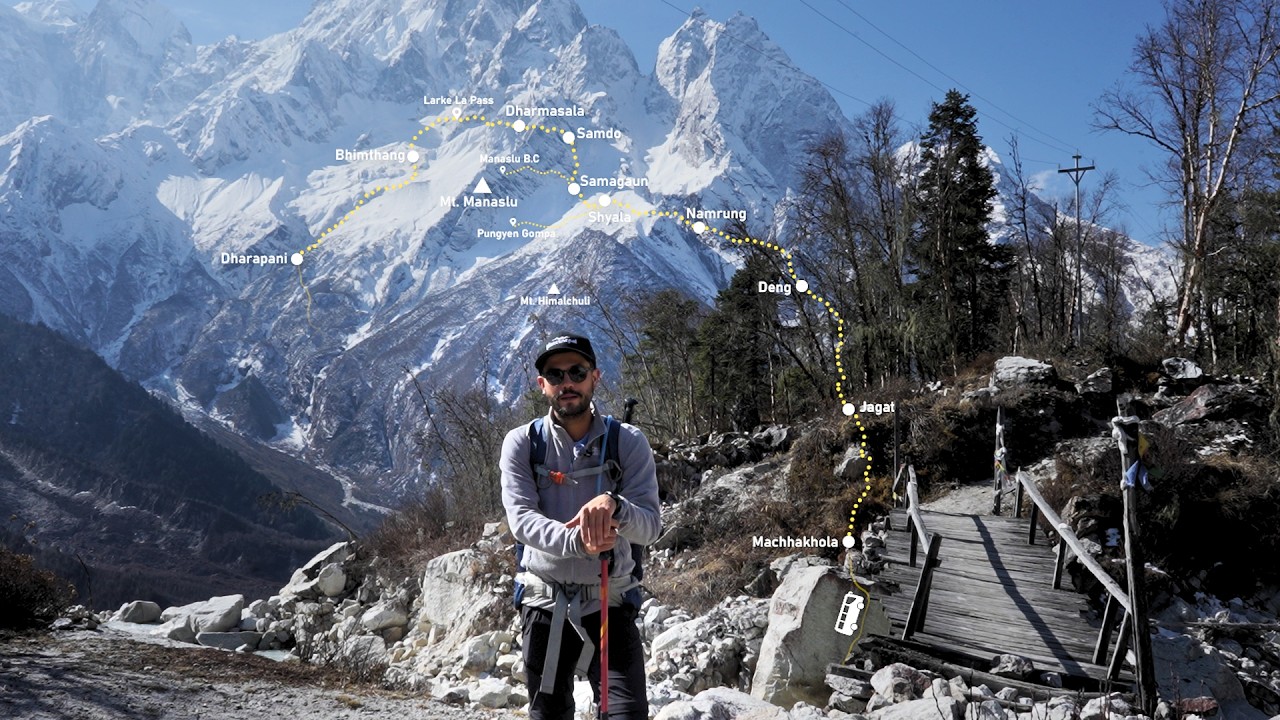
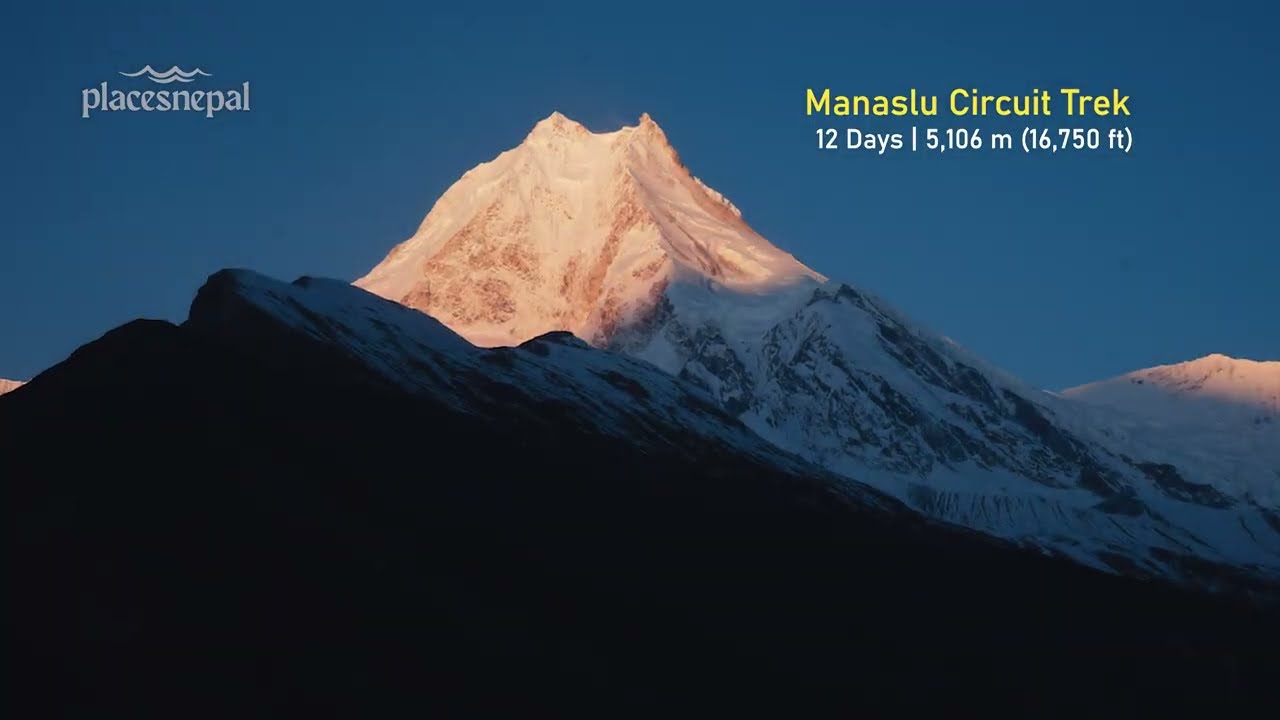
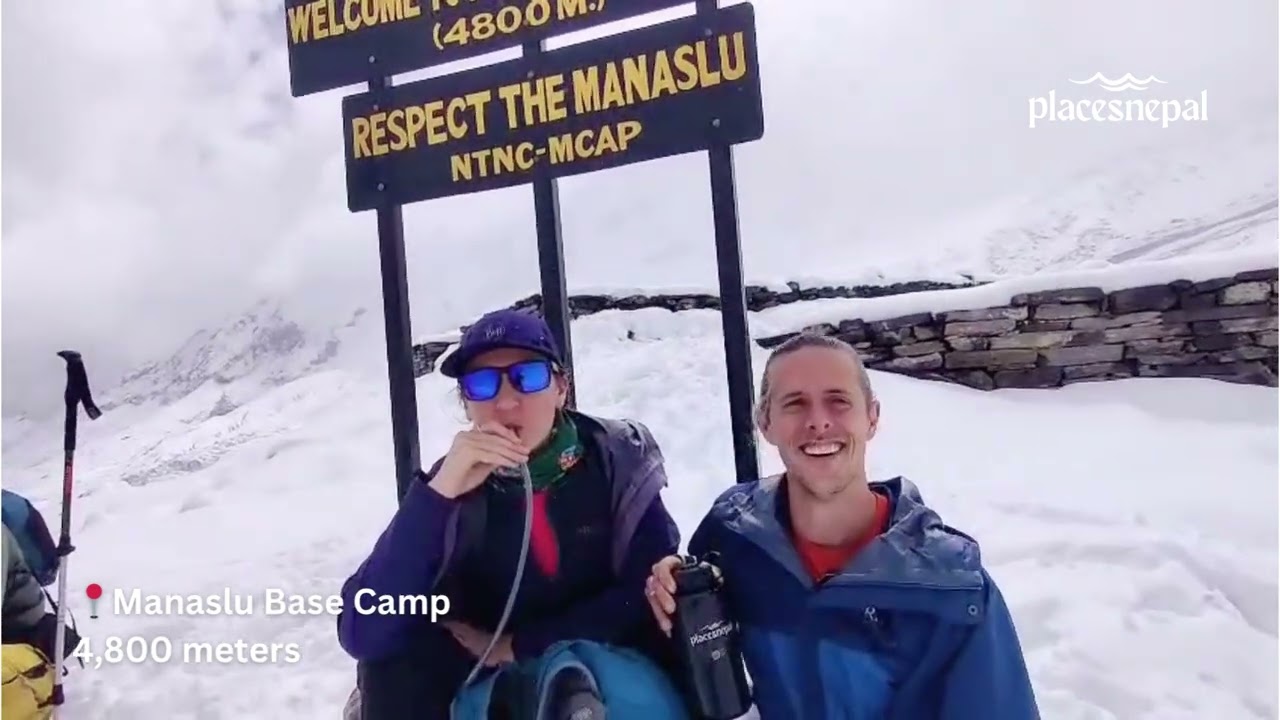
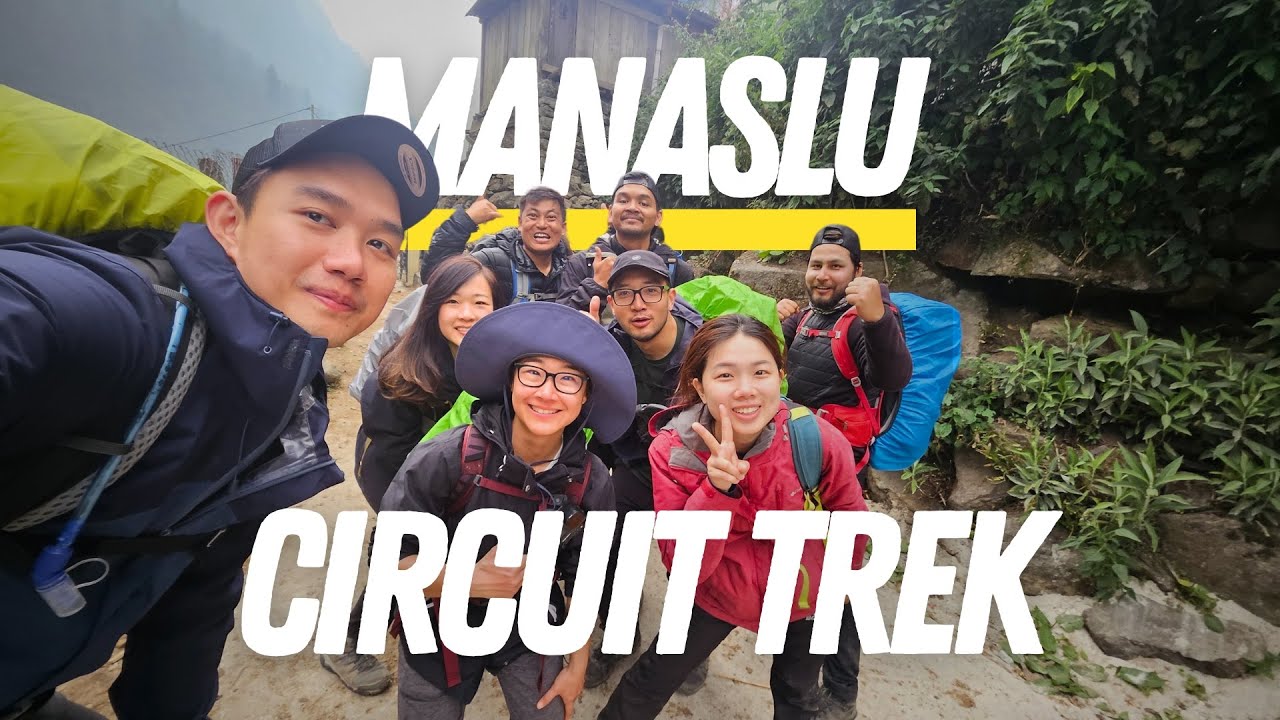
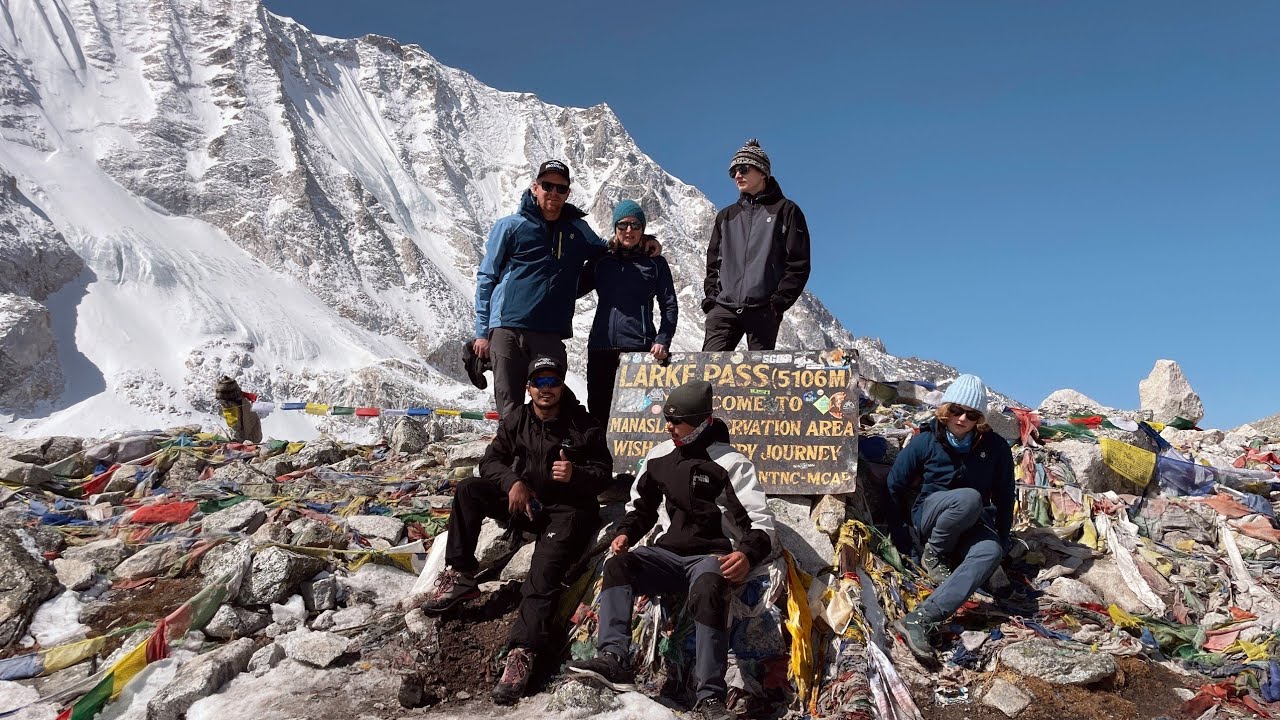
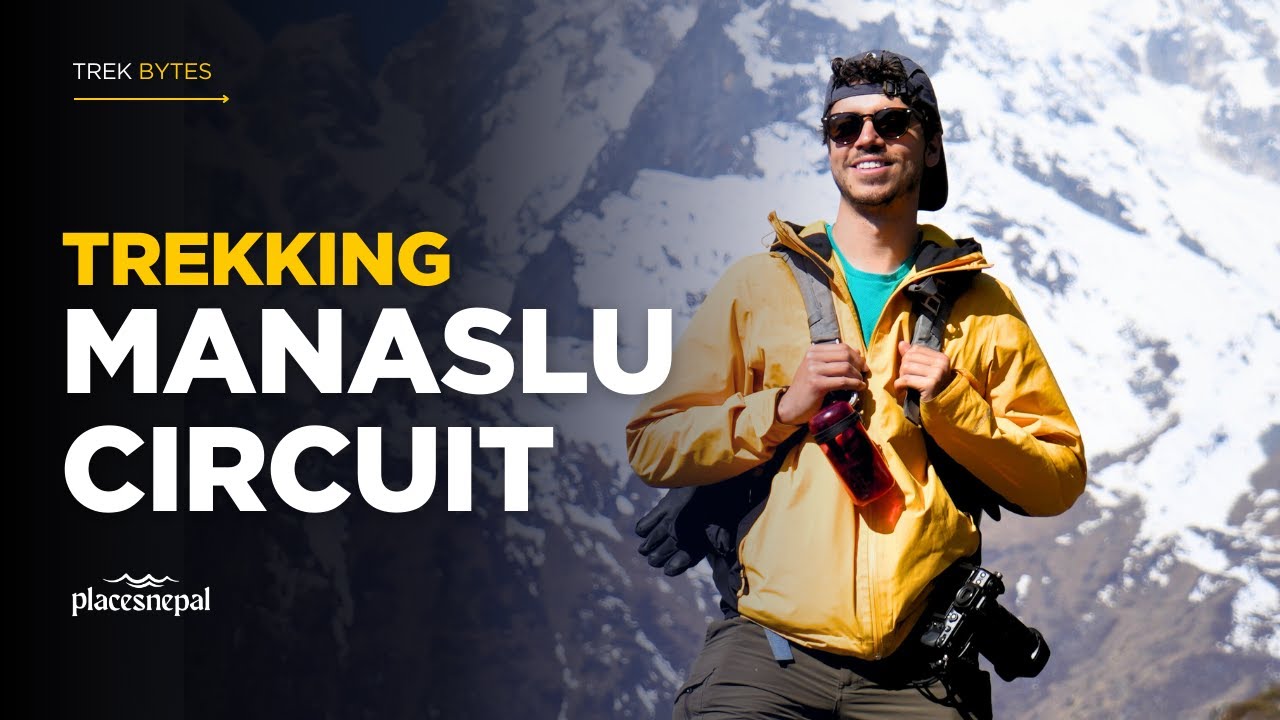
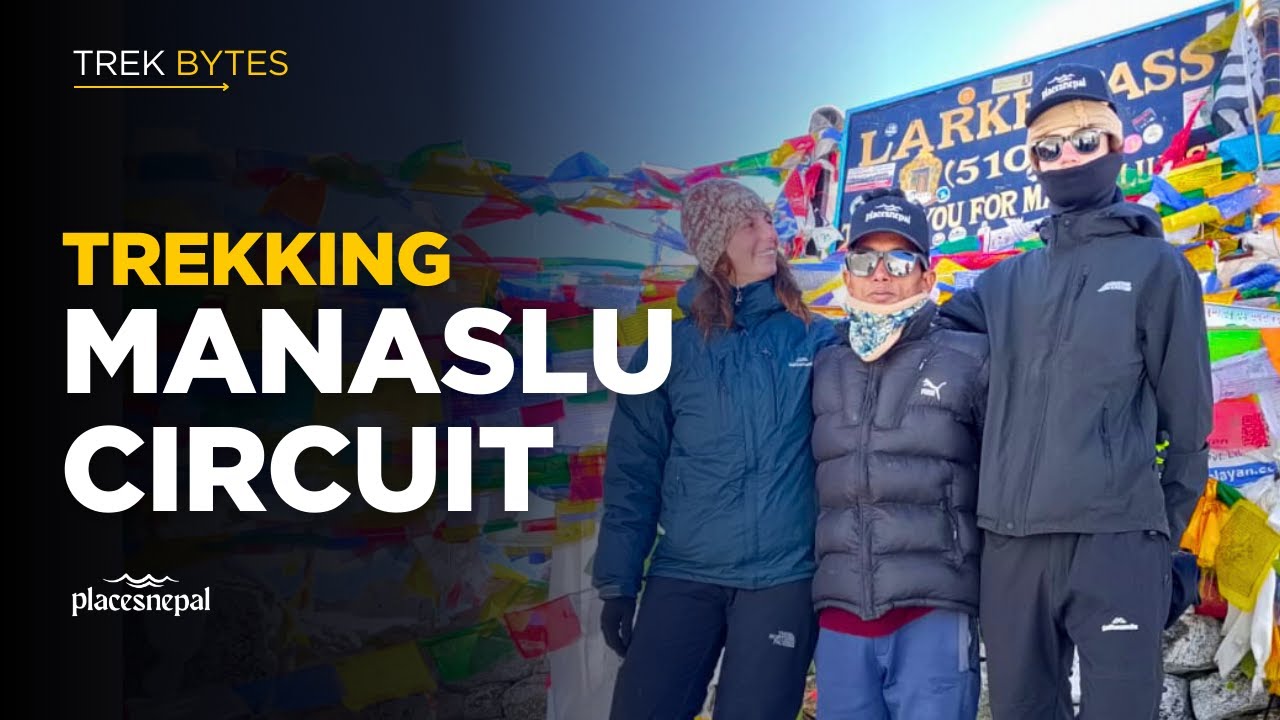
Another figure that needs updating: the Manaslu Circuit is frequently described online as a 14-day trek. Our current Manaslu Circuit Trek is a 12-day itinerary from US$980 (a 10-day Short Manaslu Circuit is also available from US$750), circling the world's eighth-highest mountain (8,163 m) through the Budhi Gandaki valley and over the Larkya La Pass at 5,106 m.
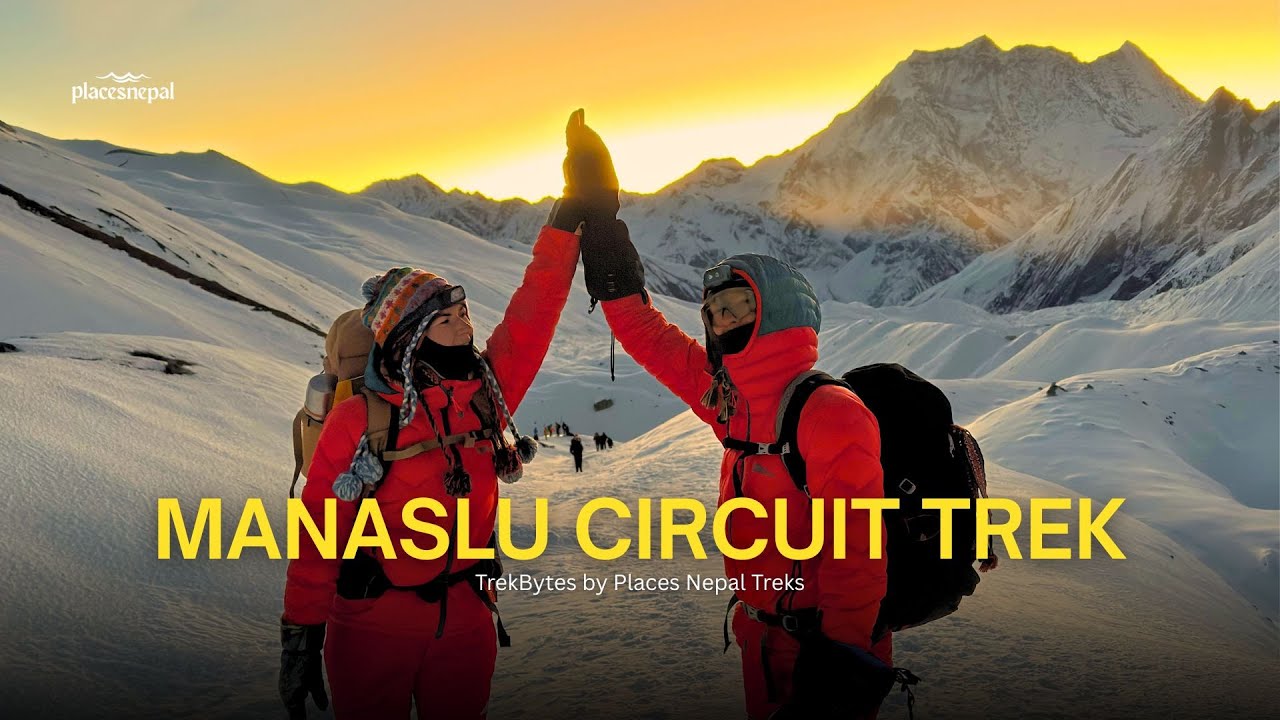
Manaslu is a restricted area — it requires a special permit and a licensed guide, which naturally caps daily trekker numbers well below Everest or Annapurna. Autumn brings the same post-monsoon clarity here as elsewhere: alpine meadows at their most vivid, clear views of Manaslu and the surrounding peaks from Samagaon and Samdo, and generally stable conditions for the Larkya La crossing itself, which is the trek's technical and physical crux. We'd stop short of calling the trail "empty," though — Manaslu has become considerably more popular over the past several autumns, and permits should be arranged well in advance of a September–November departure. For more detail on the paperwork, see our Manaslu Circuit Permits Guide.
Everest Three Passes in Autumn
The Everest Three Passes Trek is a 17-day itinerary from US$1,650, and it's a fundamentally different undertaking from the standard EBC route — not an upgrade so much as a separate trek that happens to share the same starting point. Instead of a there-and-back walk to Base Camp, this route links Kongma La, Cho La, and Renjo La into a single high-altitude circuit through the Khumbu, also taking in Everest Base Camp and Gokyo Lakes along the way.
Autumn conditions matter more here than on almost any other route in this guide, because pass crossings are directly exposed to snow, ice, and visibility. All three passes involve some scrambling over loose rock and, depending on recent weather, sections of packed snow or ice underfoot — conditions that can change from one week to the next even within the same autumn season. We won't promise all three passes will be clear on any given departure; what autumn generally offers is the best statistical window for crossing them safely, with settled weather and good visibility more often than not. This is not a route for a first Himalayan trek. For a closer look at who this trail suits, see Who Should (and Shouldn't) Do the Three Passes Trek, and for how it stacks up against Annapurna's high route, Three Passes Trek vs Annapurna Circuit.
Kanchenjunga Circuit in Autumn
The old figure of 20–24 days for this trek is outdated. Our current Kanchenjunga Circuit Trek is a 17-day, Kathmandu-to-Kathmandu teahouse trek, including the Bhadrapur flight connection, ground transfers in the far east of Nepal, teahouse accommodation, three daily meals, and permits. It reaches both the North Base Camp near Pang Pema (around 5,143 m) and the South Base Camp, circling the world's third-highest mountain (8,586 m) through some of Nepal's most remote trekking country.
This is genuinely the far end of the trekking spectrum in terms of logistics: a flight to Bhadrapur in the eastern Terai, then days of driving and walking before the trail proper begins near Taplejung. Autumn's dry, clear conditions matter enormously here, both for the mountain views — Kanchenjunga, Jannu, and Makalu are all visible from different points on the circuit — and for trail conditions on the high passes near the base camps. Restricted-area logistics apply, and this is not a trek to book on short notice; permits, guides, and the flight/road logistics all need lead time. We'd caution against expecting total solitude — Kanchenjunga has a small but steadily growing autumn following — but relative to Everest or Annapurna, trekker numbers here remain a fraction of the size.
Langtang Valley in Autumn
The Langtang Valley Trek is our current 8-day package from US$590, and its main appeal is proximity: it's the closest major trekking region to Kathmandu, reachable by road in a single day, which makes it the obvious choice for travellers without two weeks to spare. The trail follows the Langtang Khola through Tamang villages with strong Tibetan Buddhist cultural influence, past a Swiss-established yak cheese factory, and up to Kyanjin Gompa at roughly 3,870 m, with Langtang Lirung (7,227 m) dominating the skyline throughout.
One correction on altitude: the main trail to Kyanjin tops out around 3,870 m, but that figure applies to the valley trek itself — not to the optional side hike up Tserko Ri, a viewpoint that climbs considerably higher, into the low-5,000 m range. If a Tserko Ri ascent is part of your itinerary, plan for a genuinely higher-altitude day with its own acclimatisation considerations, distinct from the valley walk. Autumn brings clear mountain views and comfortable daytime hiking conditions to this route, and its shorter length makes it one of the more approachable autumn treks for trekkers newer to the Himalaya.
Annapurna Base Camp in Autumn
The Annapurna Base Camp Trek is currently a 10-day package (shorter 5- and 6-day versions are also available for travellers with less time). The trail climbs through the Modi Khola valley into the Annapurna Sanctuary, a natural amphitheatre ringed by Annapurna I (8,091 m), Annapurna South, and the striking fishtail profile of Machhapuchhre (6,993 m), reaching Base Camp itself at roughly 4,130 m.
What makes this route distinctive is the progression — dense subtropical and rhododendron forest at the lower elevations giving way abruptly to high alpine terrain once you enter the Sanctuary proper. Autumn delivers this transition at its most photogenic, with clear skies revealing the full amphitheatre of peaks from Base Camp on a good morning. It's a shorter commitment than the major circuits, which makes it a strong option if you want a genuine high-mountain experience without two-plus weeks away.
Gokyo Lakes in Autumn
The Gokyo Lakes Trek is a 10-day package from US$1,150 (a combined Gokyo Lakes with Everest Base Camp option, 15 days from US$1,350, and a Renjo La Pass with Gokyo variant are also available). This route follows the Khumbu's western valley alongside the Ngozumpa Glacier — the longest glacier in the Himalaya — to the turquoise Gokyo Lakes and the summit of Gokyo Ri at 5,357 m, a viewpoint that rivals Kala Patthar for Everest, Lhotse, Makalu, and Cho Oyu visibility in a single frame.
Autumn conditions here are much the same as on the main EBC trail — strong visibility, established teahouse infrastructure, comfortable daytime temperatures with cold nights above 4,000 m. We'd avoid claiming this route is simply "quieter" than EBC across the board; crowd levels here depend heavily on the exact dates and which connecting route you take. It is, however, a genuine alternative for trekkers who want the same calibre of Everest-region mountain views without following the identical trail every other EBC group is on.
Mardi Himal in Autumn
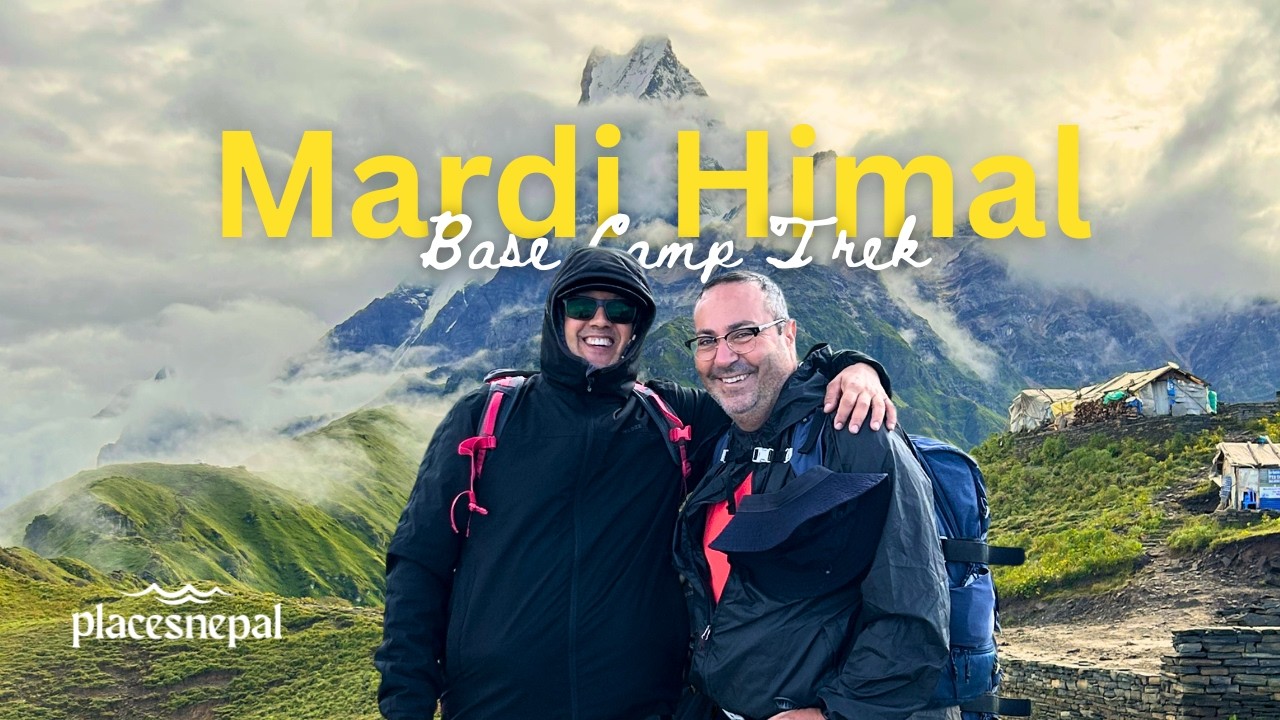
The Mardi Himal Trek is our shortest major mountain trek at 5 days, from US$360, and October–November is consistently its strongest season. The route climbs a narrow forested ridge — rhododendron and oak lower down, opening into alpine terrain higher up — to viewpoints around 4,500 m with close-up views of Machhapuchhre that few other treks in the Annapurna region can match at this altitude and in this little time.
It's a genuinely good option for travellers without two weeks to spend in Nepal, but "short" shouldn't be read as "easy" — several consecutive days above 3,000 m still call for reasonable fitness and proper layering for cold nights at the higher camps. Autumn's clear ridge-top visibility is exactly what makes this trek worth doing; on a cloudy day, the views that justify the climb simply aren't there.
Ghorepani Poon Hill in Autumn
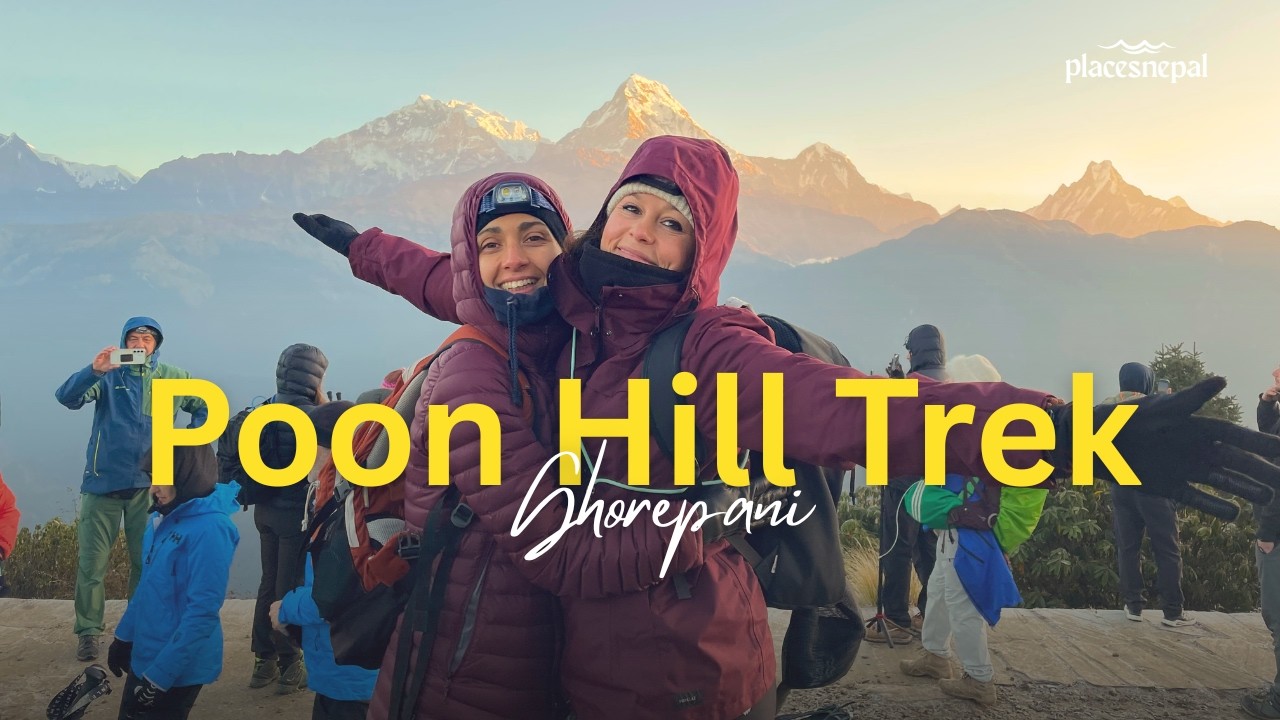
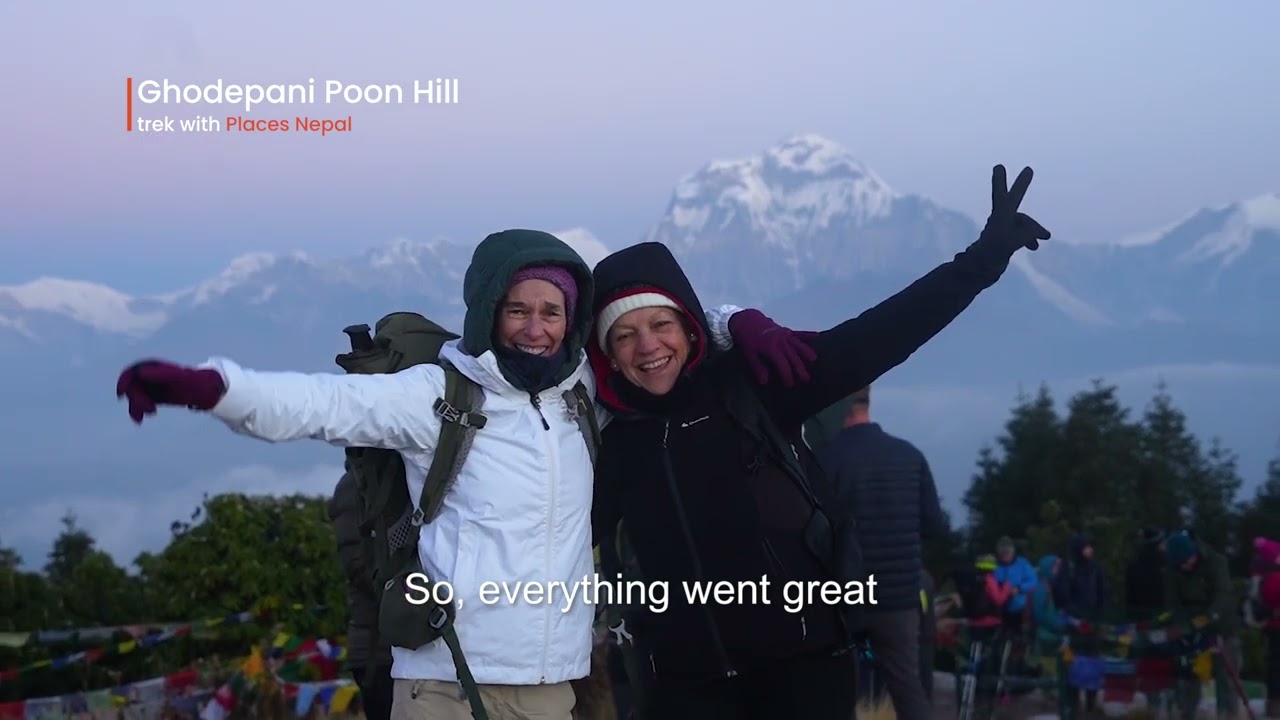
The Ghorepani Poon Hill Trek is our current 6-day package from US$520, covering approximately 40 km over four trekking days, with a highest point of 3,210 m at Poon Hill itself — the famous sunrise viewpoint over the Annapurna and Dhaulagiri (8,167 m) ranges. A shorter 4-day version is also available for travellers with even less time.
This is Nepal's most accessible short trek in autumn — modest daily walking distances, well-established teahouses, and a route through Gurung villages and dense rhododendron forest that peaks in colour outside of autumn (spring is rhododendron-bloom season) but remains genuinely scenic in September–November with clear skies and dry trails. It's a strong choice for beginners, families, and anyone wanting a taste of Himalayan trekking without committing to altitude above 3,500 m.
Upper Mustang in Autumn
The Upper Mustang Trek is our current 14-day package (roughly 11 trekking days plus Kathmandu–Pokhara and Pokhara–Jomsom flight connections) from US$1,800. One important correction: older listings for this trek often cite a maximum altitude of 3,840 m. Depending on the exact route variant and any optional side excursions around Lo Manthang, the trek's high points generally sit in the 3,800–4,100 m range — check the specific itinerary rather than relying on a single fixed figure.
Upper Mustang deserves a slightly different framing than the rest of this guide, because it isn't strictly a normal autumn destination in the same sense as the Everest or Annapurna trails. The region sits in the Himalayan rain shadow, which means it receives a fraction of the rainfall that falls on the rest of Nepal even during monsoon — so its arid, canyon-and-cliff landscape around the walled city of Lo Manthang is drier than most Nepal treks year-round, and its trekking season genuinely extends beyond the classic September–November window into winter and early spring in a way most high routes don't. What autumn adds here is comfortable temperatures and generally lower wind than Mustang's notoriously blustery spring afternoons — the valley is known for strong midday winds funnelling up from lower Mustang, a factor worth planning around regardless of season.
Which Autumn Trek Has the Best Mountain Views?
There's no single winner here — it depends which range you want to see.
Want Everest: EBC, Three Passes, or Gokyo Lakes Want Annapurna and Dhaulagiri: Annapurna Circuit, ABC, Poon Hill, or Mardi Himal Want Manaslu: Manaslu Circuit Want Kanchenjunga: Kanchenjunga Circuit Want dry Himalayan desert scenery rather than snow peaks: Upper Mustang
Which Autumn Trek Is Best for a Short Holiday?
If your available time is the deciding factor, here's roughly how our current autumn treks line up by duration: Poon Hill (6 days) and Mardi Himal (5 days) are the shortest full mountain experiences; Langtang Valley (8 days) and ABC (10 days) sit in the middle; Annapurna Circuit and Gokyo Lakes (both 10 days) deliver a high pass or high-altitude viewpoint within a two-week trip including travel; EBC (14 days), Manaslu (12 days), Upper Mustang (14 days), Three Passes (17 days) and Kanchenjunga (17 days) require a genuine two-to-three-week commitment.
A shorter trek is not automatically an easier one — Mardi Himal packs meaningful altitude gain into five days, which is a different kind of demanding than a longer, more gradual ascent.
Best Autumn Treks for Beginners
Rather than ranking treks by an arbitrary "easy" label, the honest factors to weigh are: maximum altitude, total duration, average daily walking hours, whether the route crosses a high pass, how complex and exposed the trail itself is, how much of the route uses road or jeep access, and how much acclimatisation time is built in.
By those measures, Poon Hill, Mardi Himal, Langtang Valley, and Annapurna Base Camp are the most approachable routes in this guide for someone with limited or no prior high-altitude trekking experience — none of them crosses a technical high pass, and all stay under roughly 4,500 m.
Everest Three Passes and the Kanchenjunga Circuit sit at the opposite end. Both involve multiple days above 4,500–5,000 m, technical pass crossings, and remote logistics that require real trekking fitness and, ideally, prior experience at altitude. We're not offering medical clearance here — talk to a doctor familiar with high-altitude travel if you have any underlying health considerations, regardless of which route you choose.
Best Autumn Treks for Experienced Trekkers
For trekkers who've already done a standard EBC or ABC-level trek and want something more demanding, autumn is a strong season for: Everest Three Passes (three technical passes in one circuit), Manaslu Circuit (restricted-area logistics and the Larkya La), Kanchenjunga Circuit (remoteness and duration), the full Annapurna Circuit (if walked in its traditional, longer form rather than the shortened 10-day version), and Upper Mustang (less about altitude, more about sustained multi-day trekking in a demanding, wind-exposed environment).
We don't assign these routes difficulty scores — what makes each demanding is different in kind, not just degree, and it's worth reading the specific route notes above rather than picking by a number.
Best Autumn Trek for Fewer Crowds
We won't promise solitude on any of Nepal's named trekking routes in autumn — October in particular is peak season across the board. What's fair to say: EBC and the Annapurna Circuit see the highest autumn demand of any routes in this guide, simply because they're the most famous. Manaslu and Kanchenjunga generally see meaningfully less trekking traffic, owing to restricted-area permit requirements and, in Kanchenjunga's case, genuinely remote logistics. Beyond that, congestion on any given day depends heavily on which valley you're in and which specific dates you're travelling — a late-November departure on a popular route will typically see fewer people than the same route in mid-October.
Weather by Altitude
Nepal's elevation changes fast, and autumn temperature is really a function of where you are on that gradient more than what the calendar says. Roughly:
- Kathmandu and Pokhara (1,300–1,400 m): Comfortable daytime conditions, cool evenings — good for sightseeing and trek preparation.
- Middle hills (1,000–3,000 m): Mild by day, noticeably cooler after dark, still generally comfortable for trekking.
- 3,000–4,000 m: Daytime hiking is usually pleasant in direct sun; mornings and evenings turn cold, and proper layering becomes necessary.
- 4,000–5,500 m: Daytime temperatures can still feel workable while walking, but nights regularly drop below freezing, and high points near 5,000 m+ before sunrise (Kala Patthar, Gokyo Ri) are genuinely cold regardless of season.
The same October day can feel comfortable in Kathmandu's morning sun and be well below freezing at a high camp on the Khumbu or Manaslu trail that same night — pack for the altitude you'll actually sleep at, not the altitude you started the day at.
Autumn Weather by Trekking Region
Everest: High altitude with several mountain passes on the Three Passes route; clear autumn mornings are typical, with colder nights than most other regions given the elevations involved.
Annapurna: The widest elevation range of any region in this guide, from sub-tropical valleys to a 5,416 m pass, which means the greatest day-to-day landscape and climate variation on a single trek.
Manaslu: Mountain valley terrain with a genuinely high pass crossing (5,106 m); conditions mirror Everest's in exposure and cold at altitude.
Kanchenjunga: Remote eastern Nepal, longer approach logistics, and weather that can be more variable simply because the region sees far less trekking traffic and, correspondingly, less real-time trail-condition reporting.
Langtang: Closer to Kathmandu, a comparatively shorter approach, and generally milder conditions given its lower ceiling altitude versus the other regions.
Mustang: Rain-shadow conditions, low precipitation even by Nepal standards, and strong afternoon winds that are more a defining feature of the trek than temperature itself.
September: Is It Too Early?
It depends which week. Early September can still carry the tail end of monsoon influence in parts of Nepal — occasional afternoon cloud or rain isn't unusual. By mid-to-late September, most regions have moved into a more reliable autumn pattern, though this varies by area and shifts somewhat from year to year. High-altitude pass crossings in particular need condition-based planning rather than calendar-based assumptions this early in the season — check current trail reports close to your departure date rather than assuming September 1 and September 30 are interchangeable.
October: Why Is It So Popular?
October combines the strongest post-monsoon visibility of the year with generally stable conditions across most regions — the combination that gives autumn its reputation. It's also, unavoidably, peak demand: the classic routes are at their busiest, and in years when Dashain (Nepal's major national festival) falls within the month, there's an added cultural dimension for trekkers passing through villages during the celebrations. We can't guarantee weather on any specific date, but October's overall track record for stable trekking conditions is the strongest of the three autumn months.
November: Is November Still Good?
Yes, with adjustments. Early November typically holds onto much of October's crisp, clear character, often with noticeably fewer trekkers on the trail. As the month progresses, expect colder nights, shorter daylight hours, and — particularly on high-pass routes like Three Passes, Manaslu, or the Annapurna Circuit — conditions that become more sensitive to snow and cold as winter's influence builds. Late November is a genuinely different proposition from November 1st on the higher routes; if you're booking a late-month departure on a high-altitude trek, build in extra flexibility and check conditions with your operator close to the date.
Autumn Crowds and Booking
October is unambiguously peak season on every major route in this guide. Popular trails fill their teahouse capacity faster, Lukla and Jomsom flights get tighter, and group departures on classic routes like EBC and Annapurna Circuit tend to book out well in advance. Private departures offer more date flexibility where they're available, which is worth considering if your travel window is fixed. We'd rather be straightforward about this than create artificial urgency: booking early for an October departure genuinely does matter for flight seats and preferred teahouse rooms, particularly on EBC, Annapurna Circuit, and Manaslu.
Autumn Prices: Does Peak Season Cost More?
Package prices depend primarily on the route and group size rather than the season itself, and our current starting prices are listed against each trek throughout this guide. What can shift with peak demand is availability on flights and at specific lodges — worth checking directly with us before booking, particularly for October departures on the busiest routes. Rather than quote a blanket seasonal surcharge that may not apply to every route, check current pricing directly on the relevant trip page before booking.
Permits and Guide Requirements
Permit requirements vary meaningfully by region, and this is an area where regulations do change — the sections above flag several corrections to outdated figures for exactly this reason. As a general picture: Everest-region treks require a Sagarmatha National Park entry permit and a local rural municipality permit; Annapurna-region treks require an Annapurna Conservation Area Permit; Manaslu, Kanchenjunga, and Upper Mustang are all restricted areas requiring special permits, a licensed guide, and — in Manaslu and Kanchenjunga's case — a Conservation Area permit on top of the restricted-area fee.
Restricted-area rules around minimum group size and solo trekking have been in flux over the past couple of years across several eastern and northern regions, so treat any "two-person minimum" claim you read online — including, potentially, in older Places Nepal content — as something to verify directly with us or through Nepal's official immigration channels before you finalise plans, rather than something to take as fixed. Nepal Immigration's restricted-area rules for 2026 have been updated from earlier years, and we'll confirm the exact current requirement for your specific route when you book.
Autumn Packing: What Changes?
A few autumn-specific adjustments to a standard Himalayan packing list: bring genuine rain protection if you're trekking in September, when lingering monsoon showers are still a possibility; add a proper down layer and warm gloves for a November departure, when nights turn noticeably colder; and for high-pass routes — Three Passes above all, but also Manaslu's Larkya La and the Annapurna Circuit's Thorong La — pack for the possibility of packed snow or ice underfoot on the pass day itself. Whether you'll actually need microspikes or similar traction gear is genuinely condition-dependent from one week to the next; check with your guide close to your pass-crossing date rather than assuming either way. Beyond that: proper sun protection at altitude (the UV exposure above 4,000 m is intense even on cool days), a reliable water treatment method, and a headlamp for early starts remain standard regardless of season.
Autumn Festivals
Nepal's two biggest national festivals, Dashain and Tihar, both typically fall within the autumn trekking window, and celebrations in mountain villages along the major trails add a genuine cultural dimension to an autumn trek — though we'd caution against booking around a specific festival date without checking the actual dates for your travel year first, since both follow the lunar calendar and shift year to year. Regional and local festivals also occur throughout the season depending on the area you're trekking in; your guide is the best source for what's happening on your specific route during your specific dates.
Route Choice by Traveller Type
| Your priority | Routes to consider |
|---|
| Everest | EBC / Three Passes / Gokyo Lakes |
| High-altitude challenge | Three Passes |
| Landscape variety | Annapurna Circuit |
| Remote trekking | Kanchenjunga / Manaslu |
| Short trek | Poon Hill / Mardi Himal / Langtang |
| Tibetan-style landscape | Upper Mustang |
| Annapurna Sanctuary | Annapurna Base Camp |
| Glacial lakes | Gokyo Lakes |
| Very limited holiday (under a week) | Poon Hill or Mardi Himal |
Practical "Which Month Should I Choose?" Guide
Choose late September if: you want noticeably fewer trekkers than October, you're comfortable with some residual weather variability, and you have some flexibility to shift your start date if conditions look unsettled.
Choose October if: this is your first major Himalayan trek, you want the most statistically reliable weather window of the year, and you're comfortable booking well ahead to secure flights and teahouse space on a busy trail.
Choose early-to-mid November if: you want October-calibre visibility with meaningfully fewer people on the trail, and you're prepared for colder mornings and nights, particularly above 4,000 m.
Choose late November if: you're an experienced trekker on a lower-altitude route, or you're prepared to plan a high-pass crossing around real-time conditions rather than a fixed date, since winter's influence is building by this point.
Current Places Nepal Autumn Treks
A summary of our live autumn packages, referenced throughout this guide:
- Everest Base Camp Trek — 14 days, from US$1,260 — the classic Khumbu trail to Everest's south-side base camp.
- Everest Three Passes Trek — 17 days, from US$1,650 — a full high-altitude circuit linking three passes with EBC and Gokyo.
- Manaslu Circuit Trek — 12 days, from US$980 — restricted-area circuit around the world's 8th-highest peak.
- Annapurna Circuit Trek — 10 days, from US$820 — road-shortened classic crossing Thorong La.
- Kanchenjunga Circuit Trek — 17 days — remote far-eastern circuit to two base camps.
- Gokyo Lakes Trek — 10 days, from US$1,150 — turquoise glacial lakes and Everest-range views.
- Annapurna Base Camp Trek — 10 days — into the Annapurna Sanctuary beneath Machhapuchhre.
- Langtang Valley Trek — 8 days, from US$590 — the closest major trek to Kathmandu.
- Upper Mustang Trek — 14 days, from US$1,800 — arid, Tibetan-influenced rain-shadow desert to Lo Manthang.
- Mardi Himal Trek — 5 days, from US$360 — the shortest close-up view of Machhapuchhre.
- Ghorepani Poon Hill Trek — 6 days, from US$520 — Nepal's most accessible sunrise viewpoint trek.
Prices reflect current group-rate starting points and can vary with group size and departure date — check the individual trip page for exact current pricing before booking.
Frequently Asked Questions
Is autumn the best time to trek in Nepal? For most major routes, autumn (September–November) offers the most reliable combination of clear visibility and dry trails, alongside spring (February–May). Neither season guarantees perfect weather on every day.
Is September good for trekking in Nepal? Late September is generally reliable; early September can still carry occasional monsoon-influenced weather in some regions. Check conditions close to your departure date if you're travelling in the first half of the month.
Is October the best month for trekking in Nepal? It's the most popular and statistically the most stable month for weather, but it's also the busiest on every major route.
Is November still good for trekking in Nepal? Yes — early November often rivals October for visibility with fewer crowds, though nights get colder and high-pass conditions become more weather-sensitive as the month goes on.
Which is the best trek in Nepal in October? Everest Base Camp and the Annapurna Circuit are the most popular October choices, largely because October offers their most reliable weather window of the year.
Which Nepal trek is best for beginners in autumn? Ghorepani Poon Hill, Mardi Himal, Langtang Valley, and Annapurna Base Camp are the most approachable, staying under roughly 4,500 m without a technical pass crossing.
Which autumn trek has the best Everest views? EBC, Everest Three Passes, and Gokyo Lakes all deliver Everest-range views; Gokyo Ri and Kala Patthar are generally considered the two strongest viewpoints.
Which autumn trek is best for fewer crowds? Manaslu Circuit and Kanchenjunga Circuit see meaningfully less traffic than EBC or Annapurna Circuit, largely due to restricted-area permit requirements.
Which Nepal trek is best for experienced trekkers? Everest Three Passes, Manaslu Circuit, Kanchenjunga Circuit, and the traditional (longer) Annapurna Circuit all demand more altitude experience, technical pass crossings, or remote-logistics tolerance than the standard beginner routes.
Is Manaslu good in October? Yes — October and the broader autumn window are generally considered Manaslu's strongest season for weather and trail conditions.
Is Kanchenjunga good in October? Yes, with the caveat that this is a remote, logistically demanding route regardless of season — October's stable weather helps, but preparation and lead time matter more here than on shorter routes.
Is Three Passes good in October? October is one of the more reliable months for this route, though all three passes remain genuinely condition-dependent — check current trail reports close to your departure.
Is Annapurna Circuit good in November? Yes, particularly early-to-mid November. Thorong La becomes more weather-sensitive as the month progresses, so late-November crossings should be planned with real-time conditions in mind.
Is Upper Mustang good in September? Yes — Mustang's rain-shadow location means it's drier than most of Nepal even during the tail end of monsoon, making it a reasonable September option when other regions may still see occasional rain.
Can you trek in Nepal in late November? Yes, on most routes. Lower-altitude treks like Poon Hill or Langtang remain very manageable; high-pass routes need more careful, condition-based planning as winter approaches.
Does it rain in Nepal in September? Early September can still see occasional monsoon-influenced rain in parts of Nepal; by mid-to-late September, most regions have typically moved into a drier autumn pattern.
Are trekking routes crowded in October? Yes — October is peak season on every major route covered in this guide, especially EBC and the Annapurna Circuit.
Do I need to book Nepal treks early for October? For the popular routes, yes. Flights to Lukla and Jomsom, and teahouse space on the busiest trails, both tighten up considerably as October approaches.
What should I pack for autumn trekking in Nepal? A standard Himalayan trekking kit, adjusted for the month: rain protection in September, a proper down layer and warm gloves by November, and — on high-pass routes — awareness that traction gear may or may not be needed depending on recent snowfall.
Which Nepal trek is best for a 5–7 day holiday? Mardi Himal (5 days) or Ghorepani Poon Hill (6 days) are our shortest complete mountain treks and the strongest fit for a limited holiday window.