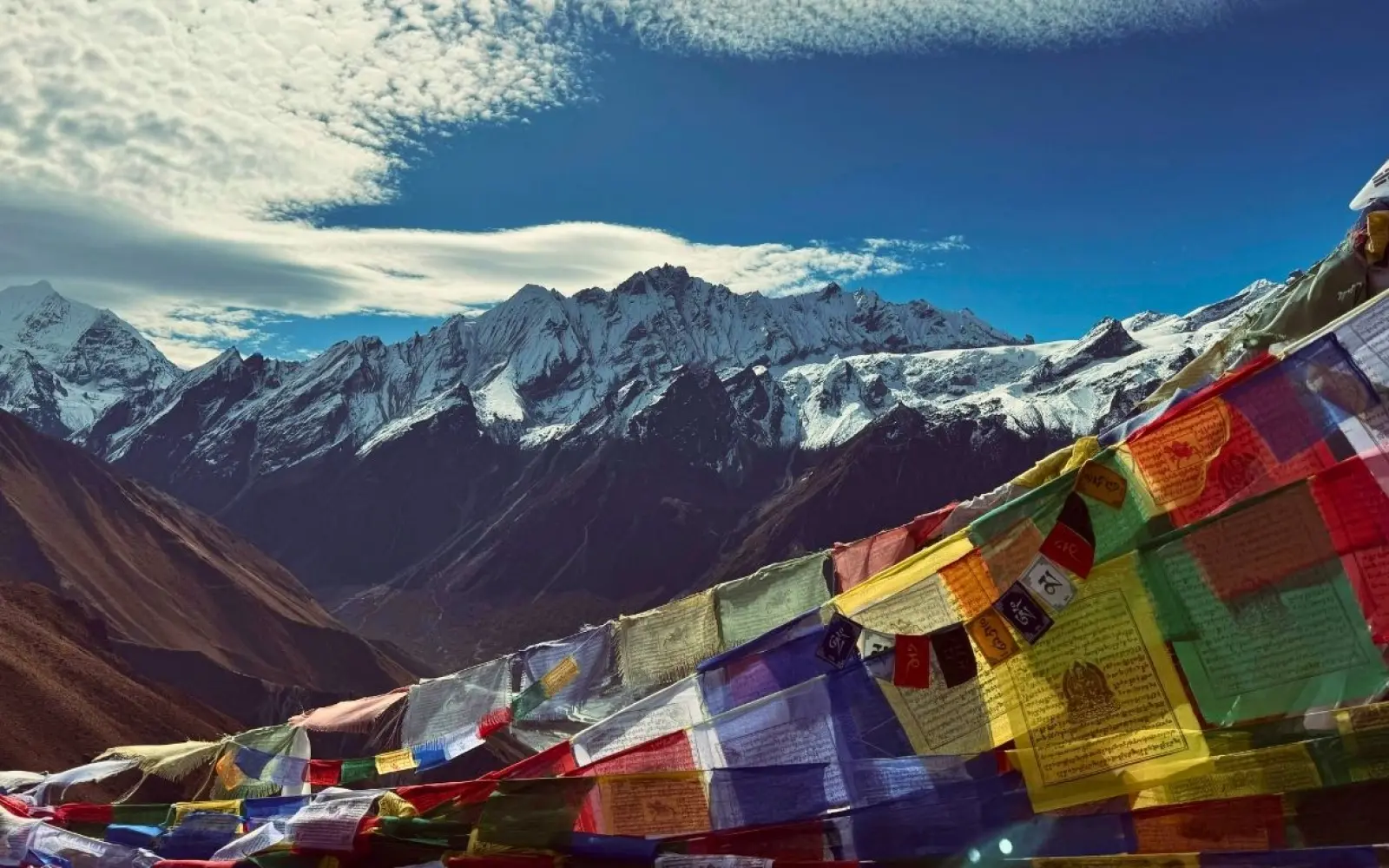
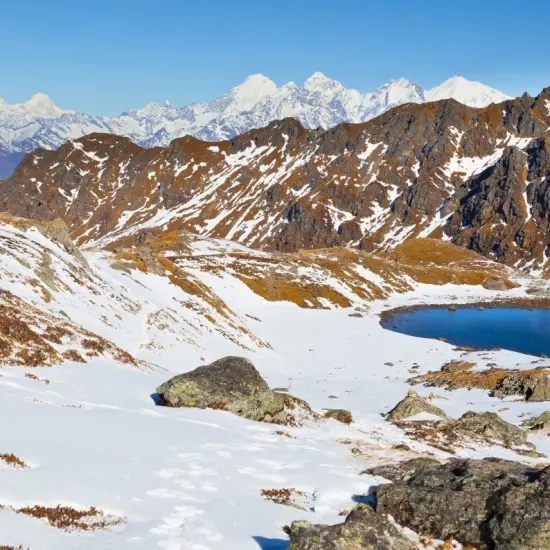
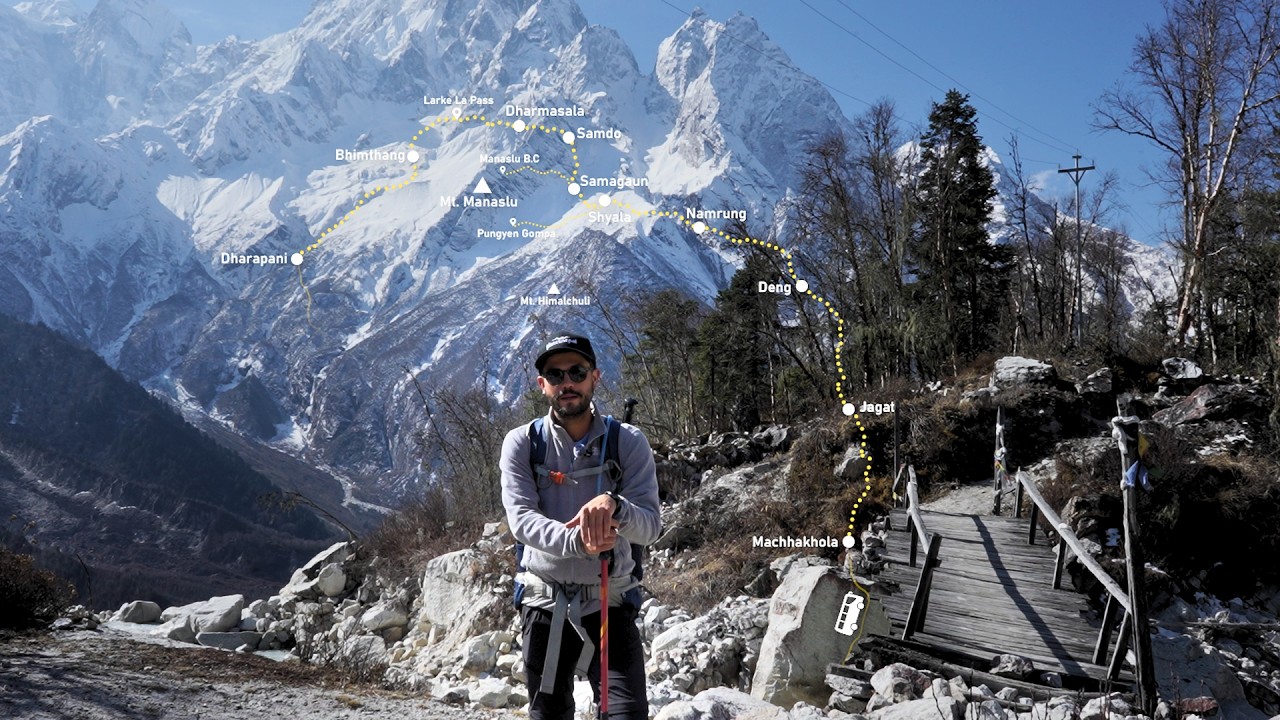
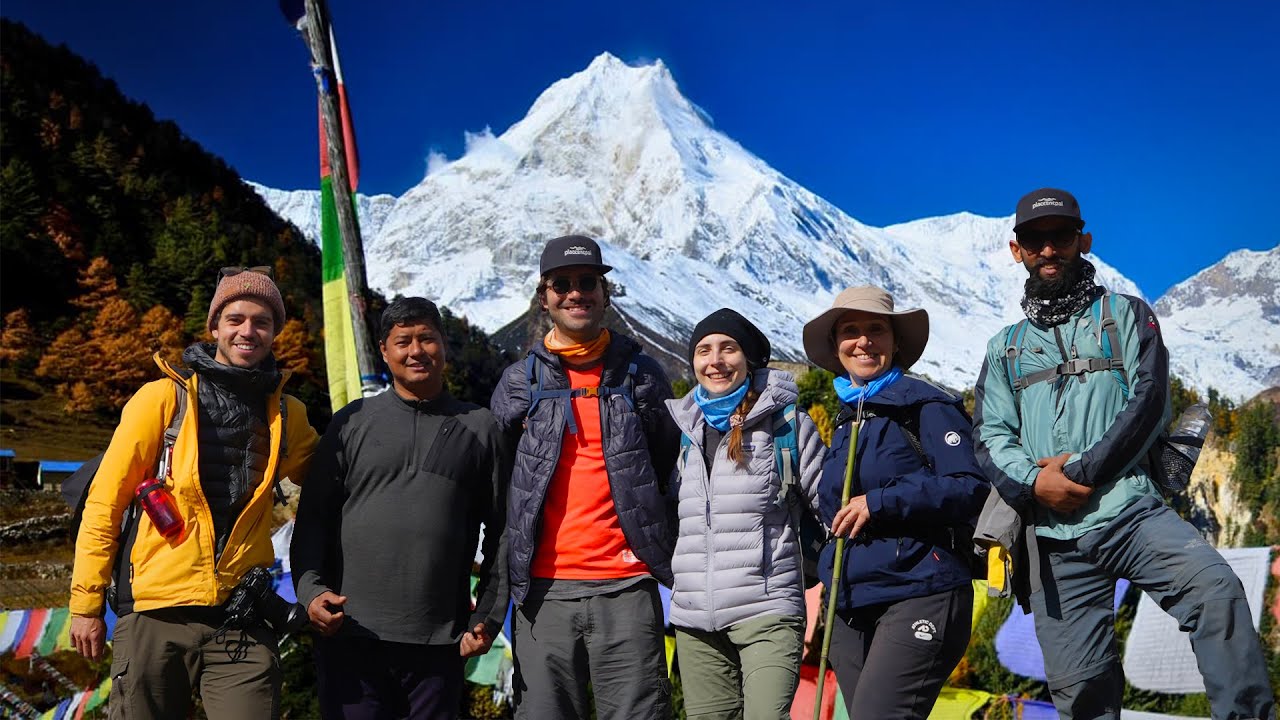
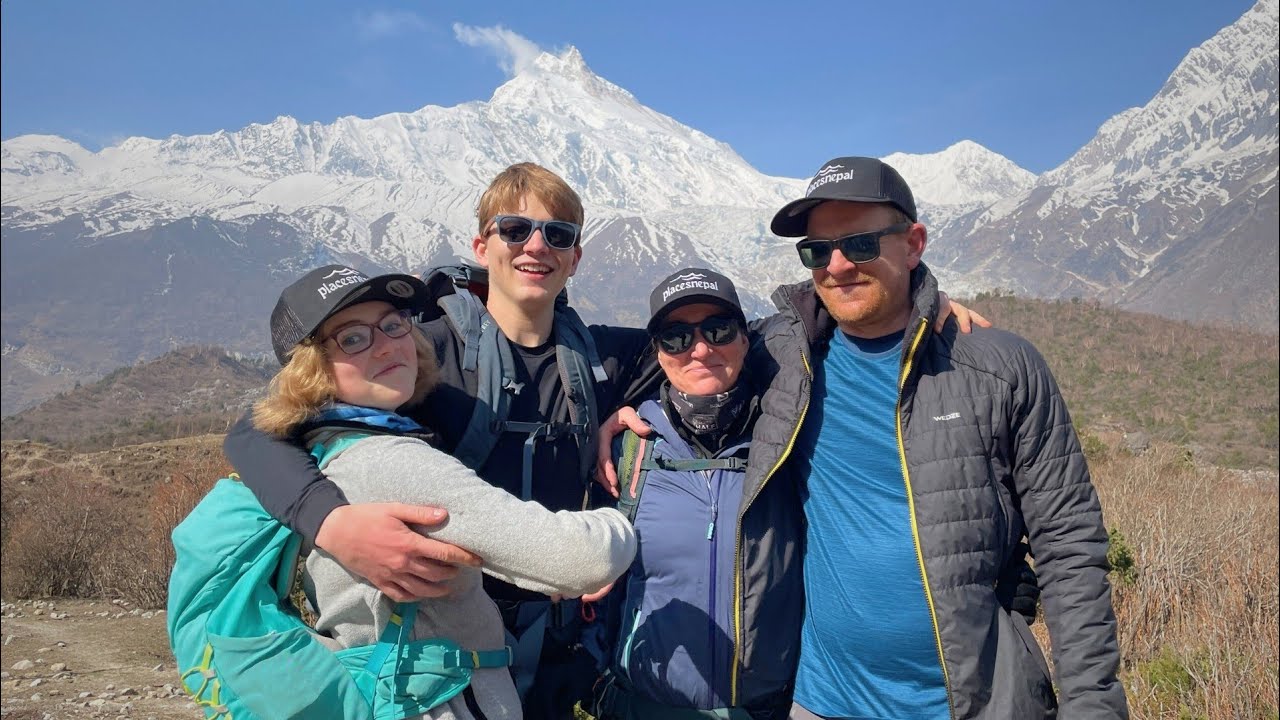
If you've only got 8 days in Nepal and you want real Himalayan scenery — glaciers, yak pasture, a 7,000-metre wall at the head of the valley — without the crowds of the Everest trail or the flight lottery of Lukla, Langtang Valley is the trek you've been circling around without knowing its name.
Langtang is the closest major trekking valley to Kathmandu, it's genuinely beautiful, and it carries a heavier story than most routes in Nepal: the 2015 earthquake destroyed Langtang Village almost completely, and walking through it today is part memorial, part proof of how fast a mountain community can rebuild when the world gives it a reason to.
This is the complete guide — what the trek actually costs in 2026/2027 (our real package pricing, not a vague range), a realistic day-by-day itinerary with the honest variations trekkers actually take, how hard it really is compared to Everest Base Camp and Annapurna, altitude and safety in plain language, and every question people ask us before and after they book.
Langtang Valley Trek at a Glance
| Trek Fact | Detail |
|---|
| Duration | 8 days Kathmandu to Kathmandu (6 trekking days + 1 acclimatisation/summit day + road transfers) |
| Max altitude | Kyanjin Ri (4,773m) or Tserko Ri (4,984m) on the optional summit day; the valley tops out at Kyanjin Gompa (3,870m) |
| Difficulty | Moderate — 3 out of 5 on the standard Nepal trekking scale |
| Cost | $470–$650 per person with Places Nepal depending on group size; fixed group departures $590 |
| Permits | Langtang National Park Entry Permit + TIMS Card, both arranged for you |
| Guide | Effectively required since the 2023 regulatory changes — and genuinely worth it here |
| Best seasons | Late March–May and late September–November |
| Trailhead | Syabrubesi (1,550m), a 7–8 hour road journey from Kathmandu — no domestic flight |
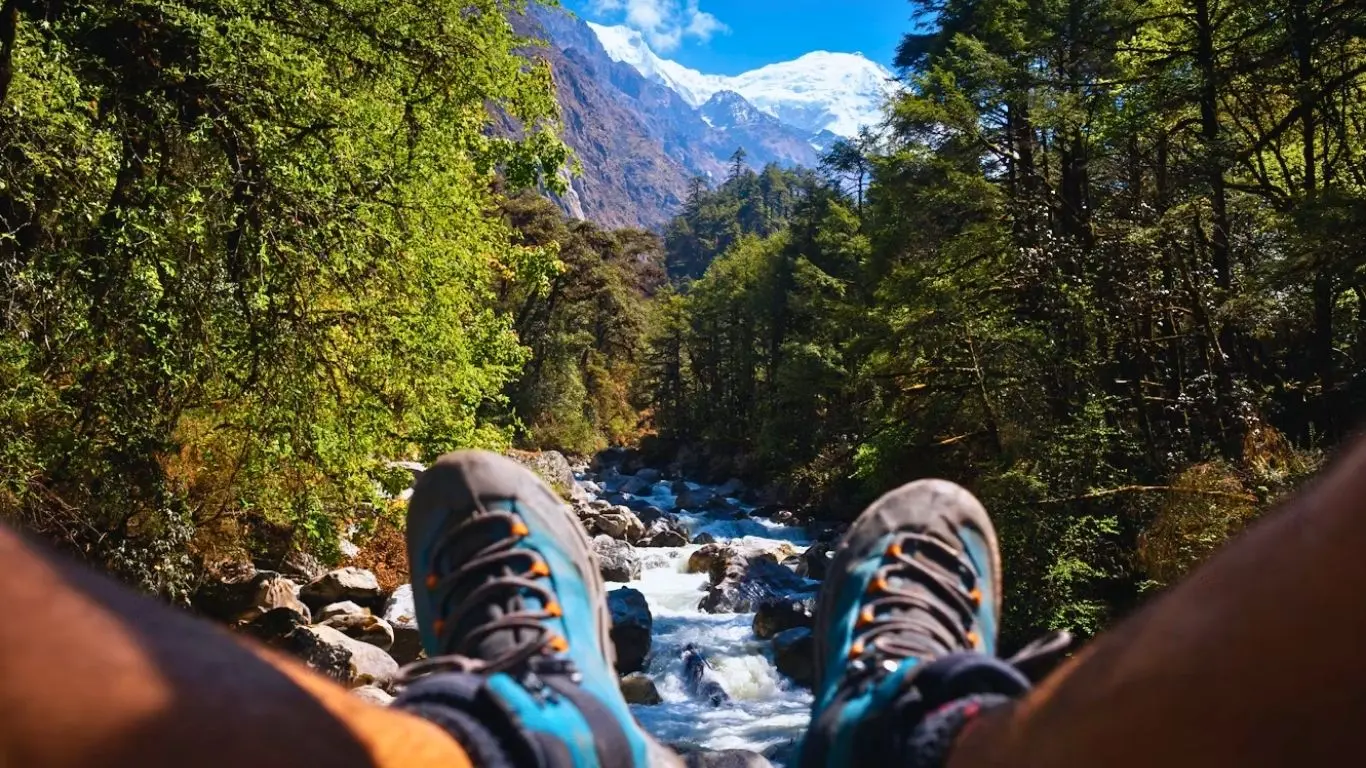
Why Langtang Is Nepal's Best "Short Trek, Big Reward" Option
If you've got 8–9 days in Nepal and want something more substantial than a teahouse walk in the hills but can't spare the two-and-a-half weeks Everest Base Camp demands, Langtang is the answer we point most first-timers toward. It's the closest major trekking valley to Kathmandu — a single 7–8 hour road journey gets you to the trailhead at Syabrubesi, no domestic flight, no weather-dependent Lukla gamble, no extra buffer days built in just in case the plane doesn't fly.
What you get for that short drive is disproportionate:
- Glaciated peaks like Langtang Lirung (7,227m) filling the skyline from your teahouse window
- A genuinely moving rebuilt-after-tragedy village at the trek's cultural heart
- A working yak cheese dairy at Kyanjin Gompa
- A 360-degree Himalayan panorama from Kyanjin Ri (4,773m) that rivals viewpoints on treks twice as long
- Noticeably thinner crowds than Everest or Annapurna during peak season
Together, these earn Langtang its reputation as the "insider's trek" among people who've already done the big two.
There's another practical advantage that rarely makes the brochures: because the trek starts and ends by road, your schedule is your own. Everest itineraries quietly build in one or two contingency days because Lukla flights get cancelled in bad weather — sometimes for days at a stretch. On Langtang, if your flight home leaves Kathmandu on Day 9, you can book the trek for Days 1–8 with genuine confidence. For anyone trekking on annual leave rather than a gap year, that certainty is worth a lot.
Guide's note: We run Langtang groups every autumn and spring, and the question we get asked most on Day 3 isn't about the mountains — it's about Langtang Village itself. The 2015 Gorkha earthquake triggered an avalanche that destroyed almost the entire village and killed over 200 people. What stands there now has been rebuilt by survivors and returning families, and walking through it with a guide who can speak to that history changes how the whole trek lands. It's not just scenery.
Trek the Langtang Valley Trek
An 8-day trek through Langtang villages, forest and high alpine terrain, with a day at Kyanjin Gompa.
Langtang Valley Trek Cost Breakdown (Permits, Guide, Porter, Food, Transport)
People ask two different cost questions, and they deserve two different answers: what does a package cost, and what will you actually spend by the time you're back in Kathmandu. Here's both — with our real 2026 numbers, not a "contact us for pricing" dodge.
Places Nepal Package Pricing (2026/2027)
Our own 8-day Langtang package is priced by group size:
| Group Size | Price Per Person |
|---|
| Solo trekker (private) | $650 |
| Group of 2–5 | $590 |
| Group of 6–10 | $520 |
| Group of 11–15 | $470 |
Fixed group departures — set dates you join alongside other trekkers — cost $590 per person, whether you book alone or with a friend. For solo travelers, that's the smart route: you save $60 on the private solo rate and gain trail companions in the bargain.
The group discounts are real economics, not marketing: a guide's cost, transport logistics, and our operational overhead spread across more people. If you're a couple or a pair of friends, you're already at the $590 rate. Travelling solo but flexible on dates? Join a fixed group departure at $590 rather than paying the $650 private rate — same trek, same guide standard, better price and better company.
What's Baked Into the Package Price
| Item | Included? | Detail |
|---|
| Government-licensed guide | ✅ | English-speaking, first aid-trained, with you for the full 8 days including road transfers |
| Teahouse accommodation | ✅ | 7 nights, twin-sharing, on a mountain guest house/teahouse basis |
| Meals | ✅ | 8 breakfasts, 8 lunches, 7 dinners on the trail |
| Permits | ✅ | Langtang National Park entry permit and TIMS card, arranged and paid for on your behalf |
| Ground transport | ✅ | Kathmandu ↔ Syabrubesi by local bus, plus complimentary airport pickup and drop-off at Tribhuvan International Airport, any flight time |
| First aid kit with oximeter | ✅ | Carried by your guide throughout |
| Porter | ❌ | Not bundled into the base price; add one at checkout if you want your duffel carried (duffle bag provided) |
| Kathmandu hotel | ❌ | Before/after trek nights are on you — happy to recommend places in Thamel |
| Travel insurance | ❌ | Mandatory — must cover medical evacuation and trip cancellation |
Permit Costs, in Plain Terms
Two permits cover the entire route: the Langtang National Park Entry Permit and a TIMS card. Both are included in every Places Nepal Langtang package and processed on your behalf — you don't queue at a permit office or handle any of the paperwork yourself. Bring two passport photos and your original passport; your guide handles the checkpoint formalities at the park gate near Syabrubesi on Day 1.
For reference if you're pricing an independent trip:
- Langtang National Park Entry Permit — the standard rate for foreign nationals is around NPR 3,000 (roughly $22–27, inclusive of VAT), with a discounted rate for SAARC nationals. Children under 10 are exempt. The permit is valid for a single entry and supports conservation, trail maintenance, and post-earthquake rebuilding within the park's 1,710 square kilometres.
- TIMS Card (Trekkers' Information Management System) — typically issued at a lower rate when arranged through a registered agency than as an independent trekker. The card records your route and emergency contacts; it's the document rescue coordination relies on if something goes wrong, and it proved its worth during the 2015 earthquake response when authorities used TIMS records to account for trekkers in the region.
Since the 2023 regulatory tightening across Nepal's trekking regions, TIMS cards for Langtang must be obtained through a government-registered trekking agency rather than issued individually — one more reason most independent trekkers still end up booking a guide through an agency even if they self-organise everything else. Permit checks happen at Dhunche and again inside the valley, so the days of quietly walking past the rules are over. For exact current permit fees, our Langtang Valley Trek package page keeps the figure current.
Trek the Langtang Valley Trek
An 8-day trek through Langtang villages, forest and high alpine terrain, with a day at Kyanjin Gompa.
What You'll Spend Beyond the Package
This is where first-timers underestimate their budget, so let's be specific.
- Porter — extra $190. One porter is shared between two trekkers, carrying up to 20kg combined (about 10kg per person). We provide the duffle bag. Whether you need one is an honest fitness-and-preference question: the trail is steep in the forest sections, and carrying only a daypack with water, layers, camera, and snacks makes those climbing days dramatically more enjoyable. If you've never trekked at altitude with a full pack before, take the porter — Day 2's sustained climb is not where you want to discover your limits. It also puts wages directly into the local economy, which in the Langtang region carries more weight than usual.
- Personal expenses on the trail — $5–15/day. Wi-Fi, hot showers, phone charging, bottled or boiled water, and extra hot drinks are not included, and prices climb with altitude — everything at Kyanjin Gompa costs more than it does in Syabrubesi, because everything at Kyanjin Gompa arrived on someone's back or a mule. Typical trail prices: hot shower $3–5, device charging $2–4, a pot of tea $3–6 depending on height. A water filter or purification tablets pay for themselves inside two days and keep single-use plastic off the trail.
- Tips — budget $80–150 total. Not mandatory, genuinely appreciated, and a real part of guide and porter income. Most trekkers pool tips at the end of the trek: a common approach for an 8-day trip is roughly $10–15/day for the guide and $5–8/day for the porter, split among the group.
- Travel insurance — $40–100. Shop around, but make sure your policy explicitly covers trekking to at least 5,000m and helicopter evacuation. Standard travel insurance often caps coverage at 3,000m, which is useless to you above Langtang Village. Most of our trekkers use asc360.com. Read the altitude clause before you pay — this is the single most-skipped detail in trek preparation, and the one with the most expensive consequences.
- Nepal tourist visa — $30 for 15 days or $50 for 30 days, on arrival at Kathmandu airport. Bring USD cash and a passport photo to speed things up.
- Kathmandu nights — $15–60/night in Thamel depending on standard. You'll want at least one night before the trek and one after; two after is smarter if you'd like a buffer before an international flight.
Cash on the Trail: Read This Before You Leave Kathmandu
There are no ATMs beyond Dhunche, and effectively no card payments once you leave the road. Withdraw everything you'll need in Kathmandu — Nepali rupees, in a mix of denominations, because teahouses struggle to change NPR 1,000 notes for a NPR 200 tea bill. A sensible cash amount for the trek itself is NPR 15,000–25,000 per person depending on your shower/Wi-Fi/bakery habits, plus your tip budget. Keep it split between your daypack and duffel.
Total Real-World Cost: Three Scenarios
| Scenario | What's Counted | Realistic Total (Per Person) |
|---|
| Budget pair (2 people, no porter, disciplined spending) | $590 package + ~$70 trail expenses + ~$80 tips + insurance | ~$790–850 plus visa and Kathmandu nights |
| Typical pair (2 people, shared porter, normal spending) | $590 + $95 porter share + ~$100 trail expenses + ~$120 tips + insurance | ~$950–1,000 |
| Solo trekker with porter | $650 + $190 porter + ~$100 trail expenses + ~$130 tips + insurance | ~$1,100–1,170 all-in on the ground |
Even at the top end, that's a fraction of what an Everest Base Camp trip costs once flights, extra days, and higher trail prices are counted — which is a large part of why Langtang keeps winning the value-for-money argument.
We're not going to hand you a cost table copied from a slop AI blog. The figures above are our actual 2026 package pricing — if a number here ever looks off, it's worth double-checking directly with us before you book anywhere, since permit fees and transport costs do shift year to year. And if you want every dollar itemised — food prices at every village, gear rental in Thamel, tipping etiquette, sample budgets, and nine genuine ways to trim your total — we've written the full line-by-line version: read our complete Langtang Valley Trek Cost guide.
Independent vs. Guided: What Actually Changes the Cost
Going fully independent (no agency, no guide) saves you guide fees but costs you time, negotiating power on teahouse prices, and — since the regulatory changes — the ability to get a TIMS card without agency involvement. Most trekkers, including experienced ones, still hire a local guide for Langtang: the trail has real landslide-damage sections post-2015, weather can close in fast above Kyanjin Gompa, and a guide who knows the current trail conditions is worth more than the daily rate suggests. There's also a quieter benefit — teahouses hold rooms for groups with guides in peak season, and in a busy October week at Kyanjin Gompa, that's the difference between a room and a dining-hall bench.
Day-by-Day Langtang Valley Trek Itinerary (8 Days)
This is our standard itinerary — the version with a proper acclimatisation buffer built in. Times given are walking times at a comfortable pace with breaks; fit groups go faster, and there's no prize for it.
| Day | Route | Altitude | Duration |
|---|
| 1 | Kathmandu → Syabrubesi | 1,550m | Drive 7–8 hrs |
| 2 | Syabrubesi → Lama Hotel | 2,380m | Trek 5–6 hrs |
| 3 | Lama Hotel → Langtang Village | 3,430m | Trek 6–7 hrs |
| 4 | Langtang Village → Kyanjin Gompa | 3,870m | Trek 3–4 hrs |
| 5 | Acclimatisation: Kyanjin Ri or Tserko Ri | 4,773m / 4,984m | Trek 4–7 hrs round trip |
| 6 | Kyanjin Gompa → Lama Hotel | 2,380m | Trek 6–7 hrs |
| 7 | Lama Hotel → Syabrubesi | 1,550m | Trek 4–5 hrs |
| 8 | Syabrubesi → Kathmandu | — | Drive 7–8 hrs |
Day 1 — Kathmandu to Syabrubesi (1,550m) | Drive: 7–8 hours
We leave Kathmandu early, climbing out of the valley and following the Trishuli River northwest through terraced hillsides and roadside bazaars. The road passes through Dhunche, the district headquarters of Rasuwa, where your national park permit gets its first check — your guide handles it while you stretch your legs. The last stretch descends to Syabrubesi, a lively trailhead town on the riverbank where trekking gear shops, teahouses, and the sound of the Bhote Koshi set the tone for the week. No walking today; settle in, sort your duffel, eat well.
The drive is the roughest part of the whole trip — sections are unpaved and, in monsoon-adjacent months, slow. Take motion sickness tablets if road travel bothers you, sit near the front, and treat it as part of the adventure rather than an obstacle to it.
Day 2 — Syabrubesi to Lama Hotel (2,380m) | Trek: 5–6 hours
The first real trekking day, and physically the toughest single climbing day of the trek. You cross the river and begin a sustained forest climb alongside the Langtang Khola — oak, bamboo, and rhododendron closing overhead, the river roaring somewhere below. This is prime red panda territory; you almost certainly won't see one (they're shy and nocturnal-leaning), but langur monkeys are a genuine possibility, and the birdlife is constant. Lunch typically happens at Bamboo, a cluster of teahouses beside the river, before the trail climbs more steeply to Lama Hotel — not a hotel, despite the name, but a small forest settlement of teahouses in a clearing.
Start hydrating properly today. Altitude problems that show up on Day 4 usually start with dehydration on Day 2.
Day 3 — Lama Hotel to Langtang Village (3,430m) | Trek: 6–7 hours
The day the trek changes character. You climb steadily through forest to Ghoda Tabela ("horse stable," 3,030m), where there's a permit checkpoint and — more importantly — your first proper view of Langtang Lirung's ice face at the head of the valley. From here the trees thin, the valley widens into open alpine terrain, and you pass mani walls, prayer wheels, and grazing yaks as the trail rises gently toward Langtang Village.
The village itself is the emotional and cultural centrepiece of the whole trek. In April 2015, the Gorkha earthquake released an avalanche of ice and rock from the slopes above that buried the old village almost entirely. What you walk through today — new lodges, a memorial, the massive avalanche debris field the trail crosses just before the village — has been rebuilt by survivors and returning families over the past decade. Stay the night here rather than pushing on; both your acclimatisation schedule and the village economy are better for it.
Day 4 — Langtang Village to Kyanjin Gompa (3,870m) | Trek: 3–4 hours
A shorter, easier day, and deliberately so — you're now high enough that the itinerary slows down to let your body catch up. The trail crosses open valley floor beneath Langtang Lirung's glaciated face, passing the yak pastures and stone-walled fields of Mundu and Sindum. Kyanjin Gompa appears suddenly: a small settlement of lodges gathered around its centuries-old monastery, ringed by glaciers on three sides.
The afternoon is free, and there's more to do than the map suggests: visit the gompa itself, walk up to the viewpoint behind the village, and stop at the yak cheese factory — established in the 1950s and still producing. Buy a wedge; it's the best trail snack in the valley. Go to bed early. Tomorrow is the big one.
Day 5 — Acclimatisation Day: Kyanjin Ri (4,773m) or Tserko Ri (4,984m) | Trek: 4–7 hours round trip
The hardest and highest day of the trek, and the one you'll talk about for years. Two options:
- Kyanjin Ri (4,773m): the shorter, steeper option — roughly a 900m climb directly above the village, 4–5 hours round trip. Most trekkers choose this.
- Tserko Ri (4,984m): the longer, harder full-day push, 6–7 hours round trip across yak pasture before the final steep climb. Bigger effort, bigger payoff.
Either way, the summit reward is a full 360-degree Himalayan panorama — Langtang Lirung, Kimshung, Yala Peak, and on clear days even Shishapangma across the border in Tibet. Start at dawn: mornings are clearer and the wind picks up by midday. Go slowly, breathe deliberately, and turn around if a headache builds rather than eases — the summit will still be there next time, and 4,900m is not where you push through warning signs.
If you're feeling the altitude, a rest day exploring around Kyanjin Gompa (the glacier viewpoint walk is gentle and gorgeous) is a completely legitimate alternative. Nobody's trek is ruined by skipping a summit; plenty have been ruined by not skipping one.
Day 6 — Kyanjin Gompa to Lama Hotel (2,380m) | Trek: 6–7 hours
A long descent day retracing the valley floor and Ghoda Tabela back into the forest. Descending 1,500m in a day is harder on the knees than most people expect — this is the day trekking poles earn their place in your pack. The upside: oxygen gets thicker with every hour, appetites come roaring back, and dinner at Lama Hotel tastes better than it did on the way up.
Day 7 — Lama Hotel to Syabrubesi (1,550m) | Trek: 4–5 hours
The final trekking day, back down the steep forest switchbacks with the Langtang Khola for company. You'll be in Syabrubesi by early afternoon — time for a shower, a cold drink by the river, and a celebration dinner with your guide and group at the trailhead.
Day 8 — Syabrubesi to Kathmandu | Drive: 7–8 hours
The road journey back, arriving in Kathmandu by early evening. Trek complete. If your international flight is the next day, this works; if you can spare one more Kathmandu night as a buffer, take it.
Want the fuller version with altitude profiles, trail conditions, and teahouse-by-teahouse detail? The complete breakdown lives on our Langtang Valley Trek itinerary page.
Langtang Itinerary Variations
- 7-day version: Skips the acclimatisation day at Kyanjin Gompa and pushes straight to Kyanjin Ri the same afternoon of arrival. Not recommended for anyone without prior high-altitude experience — you're compressing the exact day designed to protect you from altitude problems, to save a single day. The math doesn't favour it.
- 10–12 day version (Gosaikunda extension): Adds a crossing of the Laurebina La pass (4,610m) to reach the sacred glacial lakes of Gosaikunda — a pilgrimage site for both Hindus and Buddhists — before descending through the Helambu region back toward Kathmandu. This turns Langtang into a proper high-altitude circuit and requires a Shivapuri National Park permit in addition to the Langtang permits, plus a meaningfully higher fitness bar: the pass crossing is a serious high-altitude day, longer and more exposed than anything on the standard route. It's also one of the most rewarding extensions in Nepal for the effort — you exit through a completely different landscape rather than retracing your steps.
- Helicopter return option: Increasingly popular for trekkers with tight schedules or knee issues on the descent — flying out from Kyanjin Gompa rather than walking two days back down. It's a scenic flight in its own right, tracing the whole valley you just climbed in about twenty minutes. Ask us about current pricing when you enquire; heli costs move with fuel prices and group-share availability.
Trek the Langtang Gosaikunda Trek
Explore Sacred Lakes and Hidden Himalayas on the Langtang Gosaikunda Trek!
How Difficult Is the Langtang Trek? (Compared to EBC & Annapurna)
Langtang sits at a genuine moderate — 3 out of 5 on the standard Nepal trekking difficulty scale. It's accessible to reasonably fit first-timers, but "short" doesn't mean "easy." You're still climbing to 3,870m at Kyanjin Gompa (4,773–4,984m if you take the optional summit hike), with 5–7 hour trekking days and some genuinely steep forested sections between Syabrubesi and Langtang Village.
| Trek | Max Altitude | Duration | Difficulty |
|---|
| Langtang Valley Trek | 4,984m (Tserko Ri) | 8 days | Moderate |
| Annapurna Base Camp Trek | 4,130m | 10 days | Moderate |
| Everest Base Camp Trek | 5,545m | 14 days | Moderate–Hard |
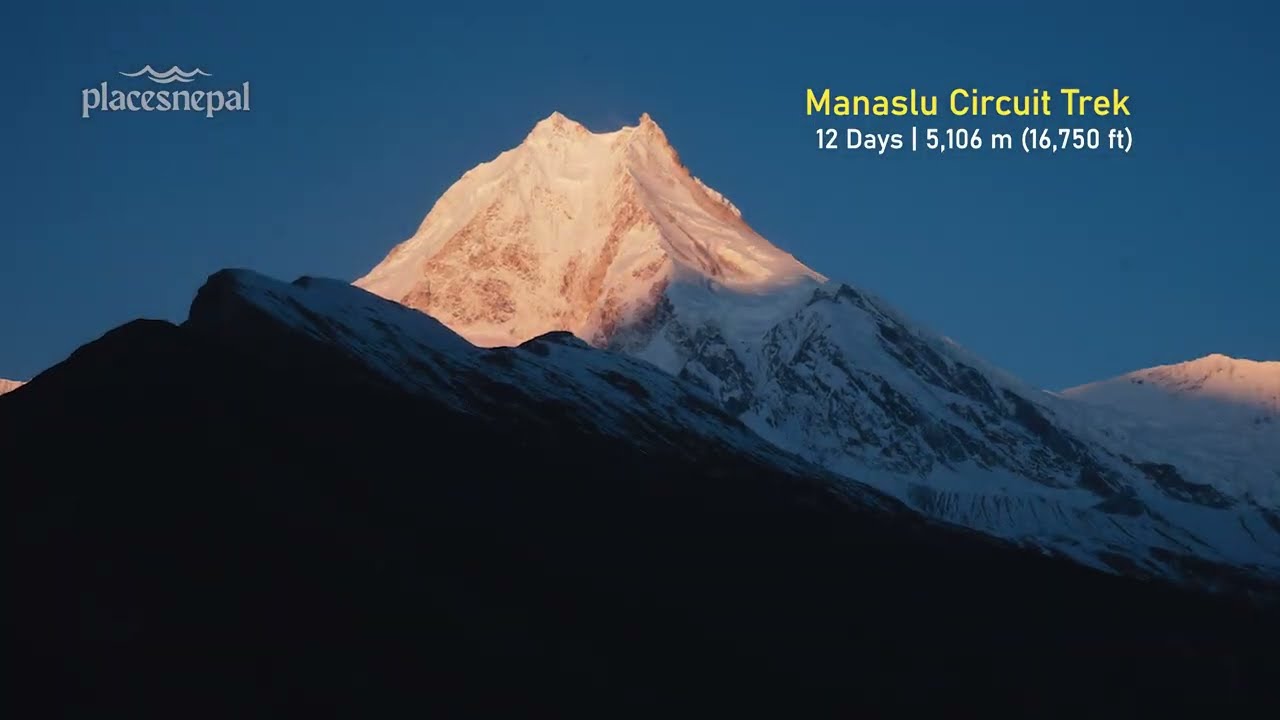
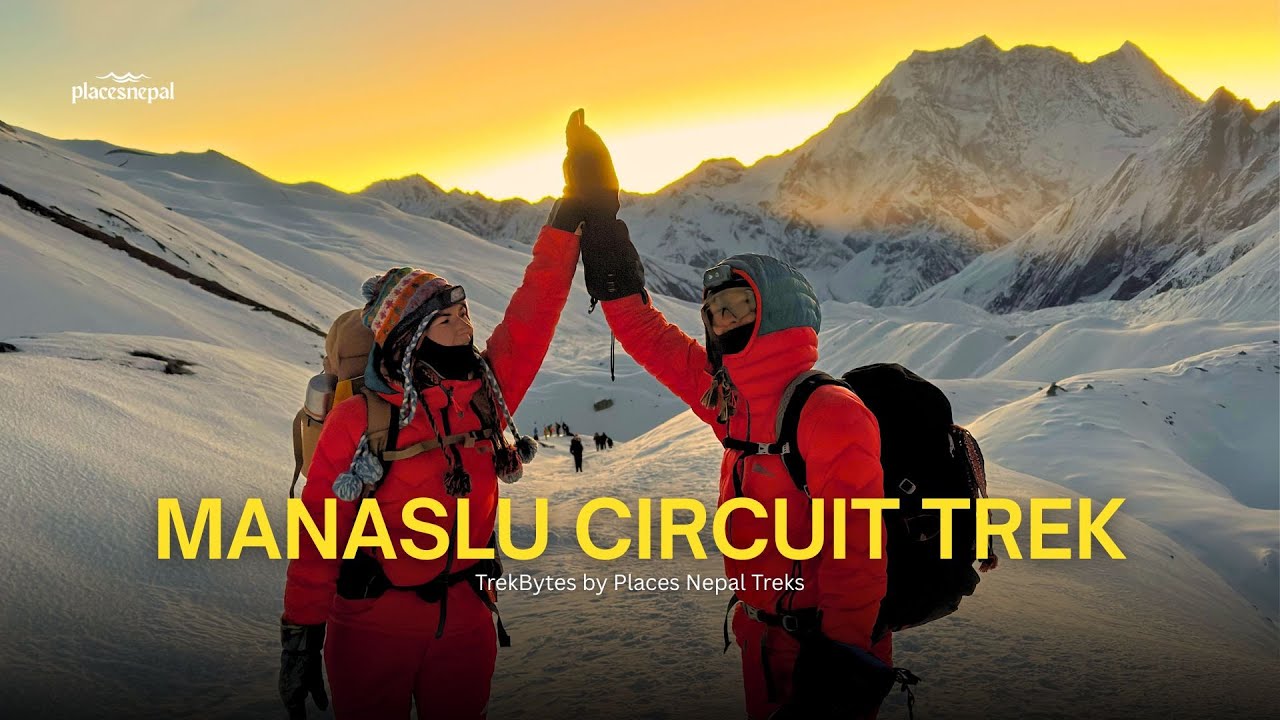
| Manaslu Circuit Trek | 5,160m (Larkya La) | 12 days | Hard |
What makes Langtang manageable
- No high pass on the standard route. Unlike Manaslu's Larkya La or the Gosaikunda extension's Laurebina La, there's no committing pass day where weather can trap you. The high points are optional out-and-back summits from a comfortable base.
- A sane altitude profile. You sleep no higher than 3,870m, and the itinerary gains altitude gradually with a built-in acclimatisation day exactly where the textbooks say it should be.
- Teahouse infrastructure the whole way. Real beds, cooked meals, and other trekkers within shouting distance every night. No camping logistics, no self-sufficiency requirements.
- Escape routes. Because the valley is linear and road-connected at Syabrubesi, descending is always a straightforward option — and descent is the cure for almost every altitude problem. Evacuation logistics here are far simpler than in more remote regions.
What makes it harder than people expect
- Day 2 is a grind. The Syabrubesi–Lama Hotel climb is sustained and steep in sections, and it arrives before your legs have warmed into the trip.
- The summit day is genuinely strenuous. A 900–1,100m climb above 3,870m is where fitness gaps show up. Kyanjin Ri is steep; Tserko Ri is steep and long.
- The descent punishes knees. Days 6–7 drop 2,300m combined. If your training ignored downhill walking, your quads will file a complaint around Ghoda Tabela.
- Altitude still applies. Above 3,500m, mild headaches, restless sleep, and dulled appetite are common even on a "moderate" trek — more so if you rushed hydration or skipped the acclimatisation day.
Who should reconsider this trek
Honest disqualification, because a trek sold to the wrong person helps nobody: if you've never done a full-day hike and can't commit to any training before arrival; if you have a cardiovascular or respiratory condition your doctor hasn't specifically cleared for altitude above 4,000m; or if your schedule forces the 7-day compressed version and you've never been to altitude before — Langtang is not the forgiving option people assume it is just because it's shorter than Everest. Talk to us honestly about your fitness before booking. That conversation costs nothing and prevents a miserable, occasionally dangerous, Day 5. For a gentler first Himalayan experience, our Mardi Himal or Ghorepani Poon Hill treks are better matches — and we'll tell you so if we think that's true.
Training that actually works
You don't need mountaineering fitness — you need hill legs and a decent engine. Six to eight weeks out:
- 2–3 cardio sessions a week — running, cycling, swimming, anything that raises your heart rate for 40+ minutes.
- 1 long walk a week, building up — start at 2–3 hours, build to 5–6 hours with a loaded daypack (5–7kg). Hills or stairs if you have them; a stair machine if you don't.
- Train the descents. Walking downhill for hours is what actually breaks people on Langtang. If your long walks include real descent, Day 6 becomes tiring instead of crippling.
- Basic leg strength — squats, lunges, step-ups twice a week. Nothing fancy.
If you can comfortably walk uphill for 5–6 hours with a daypack two weekends in a row, you're ready for Langtang.
The built-in acclimatisation day at Kyanjin Gompa is what makes the altitude manageable — don't skip it even if you're feeling strong. Compared to Everest, you're not dealing with a domestic flight into Lukla, and compared to Manaslu, there's no high pass crossing or restricted-area permit complexity. Langtang's teahouse infrastructure and proximity to Kathmandu also mean far more straightforward evacuation logistics if something does go wrong.
Trek the Helambu Circuit Trek
Close to Kathmandu, Far From Ordinary — The Helambu Circuit Trek Through Living Himalayan Culture.
Altitude Sickness on Langtang: What You Actually Need to Know
Langtang's altitude profile is friendlier than most Nepali treks, but 3,870m is high enough for Acute Mountain Sickness (AMS) to matter, and the summit days push you close to 5,000m. Here's the practical version.
How the itinerary protects you. The standard 8-day route follows the golden rules without you having to think about them: gradual gains (roughly 800–1,000m of sleeping-altitude gain per day in the critical zone, with a short Day 4 on purpose), and a full acclimatisation day at 3,870m before the high point. This is why we push back when people ask to compress it.
What mild AMS feels like. A headache that responds to water, rest, and basic painkillers; slightly poor sleep; reduced appetite. Common above 3,400m, and usually nothing more than your body adjusting. Tell your guide anyway — tracking symptoms early is the whole game.
What's not mild. A headache that worsens despite rest and fluids, vomiting, dizziness, unusual breathlessness at rest, confusion, or stumbling. These mean stop ascending, and usually mean descend. Your guide carries an oximeter and checks readings through the trek; on Langtang, descent is logistically easy, which is one of this trek's quiet safety advantages.
Prevention that works:
- Drink 3–4 litres a day
- Walk slower than feels necessary — "bistari, bistari," as your guide will say
- Avoid alcohol above Lama Hotel
- Eat even when appetite dips; carbohydrates help at altitude
- If you're considering acetazolamide (Diamox) as a preventive, discuss it with your doctor before travelling — it's a personal medical decision, not a checklist item, and it's not a substitute for sensible pacing
The one rule that overrides everything: never ascend with worsening symptoms. Kyanjin Ri isn't going anywhere.
Best Time to Trek Langtang Valley
Spring (late March–May) and autumn (late September–November) are the two windows we recommend without hesitation.
| Season | Conditions | Verdict |
|---|
| Spring (late Mar–May) | Rhododendron bloom, warm lower valley, hazier low elevations by May | Excellent — best for forest scenery and warmth |
| Autumn (late Sep–Nov) | Clearest views of the year, peak-season crowds at Kyanjin | Excellent — best for mountain views |
| Winter (Dec–Feb) | Snow above Langtang Village, nights well below freezing, reduced teahouse services | Possible for prepared, experienced trekkers |
| Monsoon (Jun–Aug) | Mud, leeches, clouded views, elevated landslide risk | Best avoided |
Spring (late March–May): Rhododendron forests in full bloom between Lama Hotel and Langtang Village — whole hillsides in red and pink through April. Days are warm in the lower valley, stable, and progressively hazier at low elevation as May approaches, though the upper valley stays clear. Nights at Kyanjin Gompa still drop below freezing in March. Spring is the better choice if forest scenery and warmer trekking temperatures matter more to you than maximum-crisp mountain views.
Autumn (late September–November): The clearest mountain views of the year. The monsoon has washed the atmosphere clean, and October mornings from Kyanjin Ri are as sharp as the Himalaya gets. This is peak season — teahouses at Kyanjin Gompa fill in October and early November, which is one more argument for trekking with an agency that books ahead. Late November brings colder nights but even quieter trails.
Winter (December–February): Trekkable for well-prepared, experienced trekkers. The route usually stays open to Kyanjin Gompa, but expect snow above Langtang Village, nights well below freezing, some teahouses running reduced services, and summit days that depend on conditions. The reward is solitude and glass-clear air. Bring a serious sleeping bag and flexibility.
Monsoon (June–August): Best avoided. Muddy trails, leeches in the lower forest sections, clouded-in mountain views, and elevated landslide risk on a road and trail corridor that already carries earthquake scars. If monsoon is your only window, talk to us about rain-shadow alternatives like Upper Mustang instead.
For a season-by-season breakdown across all our major treks, see our Best Time to Trek in Nepal guide.
Food and Accommodation on the Trail
Teahouses, honestly described. Rooms are simple: two beds, a mattress, a pillow, a blanket, plywood walls. Toilets are shared and increasingly Western-style at lower elevations, squat-style higher up. Hot showers exist most of the way (gas-heated, paid) and get scarcer and pricier above Langtang Village. The dining room with its central stove is where trek life actually happens — card games, route talk, and the international sign language of tired, happy people. Electricity for charging is available almost everywhere for a fee; carry a power bank so you're not hostage to a busy socket.
The food is better than you expect. Every teahouse works from a similar menu: dal bhat (the endlessly refillable lentil-rice-curry set that fuels every guide in Nepal — "dal bhat power, 24 hour" is only half a joke), noodle soups, fried rice, momos, pasta, pancakes, porridge, eggs every way. Kyanjin Gompa adds its own local specialty: fresh yak cheese from the dairy, which turns an ordinary breakfast into a good one. Vegetarians are effortlessly catered for; vegans manageable with some repetition; tell us about allergies in advance and your guide will manage kitchens on your behalf.
Water: don't buy bottled if you can avoid it — treat tap/stream water with a filter or tablets. It's cheaper, and the valley has nowhere good for plastic to go.
Packing List for Langtang
Langtang's altitude range — 1,550m at Syabrubesi up to 4,984m at Tserko Ri — means packing for both mild lower-valley warmth and genuinely cold high-altitude nights. The essentials:
- Sleeping bag rated to at least -10°C for Kyanjin Gompa nights (teahouse blankets help but don't rely on them in shoulder seasons)
- Layering system: moisture-wicking base layers, a fleece mid-layer, and a waterproof/windproof outer shell
- Broken-in waterproof hiking boots with ankle support — do not bring new boots; this is the least negotiable line on this list
- Down jacket, warm hat, and gloves for evenings above 3,000m and the pre-dawn summit start
- Trekking poles for the steep descents between Lama Hotel and Syabrubesi
- Sun protection: high-SPF sunscreen, lip balm, sunglasses with proper UV protection — high-altitude sun burns fast even in cold air
- Water purification tablets or a filter — tap and stream water shouldn't be consumed untreated
- Headtorch with spare batteries for the dawn summit start and teahouse corridors
- Power bank (10,000mAh+) so charging fees are a choice, not a necessity
- Basic medical kit: altitude medication discussed with your doctor beforehand, blister care, rehydration salts, painkillers, personal prescriptions
- Cash in Nepali rupees — see the cost section above; no ATMs past Dhunche
Porters carry up to 20kg combined (10kg per trekker on a shared basis) — keep your daypack to valuables, water, layers, and snacks you'll want access to on the trail. We provide the duffle bag.
The Langtang Story: Tamang Heritage and the 2015 Rebuild
Langtang is culturally distinct from Nepal's other major trekking regions. The valley is home to the Tamang people — one of Nepal's largest ethnic groups, with linguistic and religious roots reaching into Tibet. Their Buddhism shapes the trail itself: mani walls you pass on the left, prayer flags on every high point, chortens marking village entrances, and Kyanjin's gompa anchoring the head of the valley as it has for centuries. Trekking here in autumn, you may coincide with local festivals; ask your guide, who will know what's happening and what's appropriate for visitors.
And then there is 2015. On 25 April, the Gorkha earthquake shook loose a massive slab of ice and rock from the mountainside above Langtang Village. The resulting avalanche and air blast destroyed the village almost completely and killed over 200 people — residents, guides, porters, and trekkers. It remains one of the deadliest single events in Himalayan trekking history.
What's happened since is why we tell trekkers this isn't a reason to stay away — it's a reason to come. Survivors and descendants returned and rebuilt: new lodges stand near the old village site, a memorial honours those lost, and tourism income is the engine of the valley's continued recovery. Every night you spend in a Langtang teahouse, every porter hired, every wedge of Kyanjin cheese bought is a direct, unlaundered contribution to that rebuild. Few treks anywhere let your holiday budget do that much work.
Why Trek Langtang With a Local Team
Langtang isn't a technically dangerous trek, but it is a culturally significant one, and that's where a local team earns its keep. Our guides aren't reading facts off a laminated card — several grew up in villages within the Langtang region, and the story of the 2015 rebuild lands very differently coming from someone with a personal connection to it than from a generic trail briefing.
Practically, working with a Kathmandu-based, TAAN-registered agency means your permits are handled before you land, your airport pickup happens regardless of flight delays, and if weather or trail conditions change — winter snow above Langtang Village, monsoon mud near Bamboo — your guide adjusts the plan on the ground rather than leaving you to figure it out from a printed itinerary. It's the difference between visiting the valley and actually being looked after in it.
Trek the Langtang Valley Trek
An 8-day trek through Langtang villages, forest and high alpine terrain, with a day at Kyanjin Gompa.
Frequently Asked Questions
How much does the Langtang Valley trek cost in 2026?
Our 2026 Langtang Valley Trek package costs $590 per person for a group of 2–5 trekkers, with a solo rate of $650 and group discounts for larger parties ($520 for 6–10 people, $470 for groups of 11–15). Fixed group departures cost $590 per person. This covers guide, teahouse accommodation, meals on the trail, all permits, and ground transport — porter ($190 add-on), Kathmandu hotel, insurance, and personal expenses are separate. All-in, most trekkers spend $790–1,170 on the ground depending on group size and porter choice. For the full line-by-line breakdown, see our Langtang Valley Trek Cost guide.
How many days does the Langtang Valley trek take?
Our standard itinerary is 8 days including the road transfers to and from Kathmandu — 6 actual trekking days plus one acclimatisation/summit day at Kyanjin Gompa. Shorter and longer variants exist, but 8 days is the version that includes a proper acclimatisation buffer.
Is Langtang Valley trek good for beginners?
Yes. Langtang is one of the most beginner-friendly major treks in Nepal — no technical climbing, well-established teahouse infrastructure, and a shorter altitude exposure window than Everest Base Camp or Manaslu. Reasonable base fitness and sensible pacing are all that's needed; we regularly guide first-timers through it successfully.
Is Langtang open again after the 2015 earthquake?
Yes, fully. Langtang Village, which was almost entirely destroyed by an earthquake-triggered avalanche in April 2015, has been rebuilt by returning families and survivors, and the trekking trail and teahouse network throughout the valley have been fully operational for years. Trekking here now directly supports the local Tamang community's continued recovery.
Can I do Langtang without a guide?
Effectively no. Since the 2023 regulatory changes, the TIMS card must be arranged through a registered trekking agency rather than issued to fully independent trekkers directly, and permit checkpoints at Dhunche and inside the valley enforce it. Beyond the rules, a guide is genuinely valuable here — for current trail conditions on post-earthquake sections, for altitude monitoring, and for the local context that makes the valley more than scenery.
Do I need previous trekking experience for Langtang Valley?
No. Reasonable general fitness and a properly paced itinerary (don't skip the acclimatisation day) are enough for most healthy adults. It's a good first major trek in Nepal.
How high is the Langtang Valley trek?
You sleep no higher than Kyanjin Gompa at 3,870m. The optional summit hikes reach Kyanjin Ri (4,773m) or Tserko Ri (4,984m) as day trips, returning to Kyanjin Gompa the same day — which is exactly the "climb high, sleep low" pattern acclimatisation guidelines recommend.
What is the food like on the Langtang trek?
Better than most first-timers expect: dal bhat, noodle dishes, momos, fried rice, pasta, pancakes, eggs, and porridge at every teahouse, plus fresh yak cheese at Kyanjin Gompa. Vegetarians are easily catered for. Menus shorten and prices rise with altitude, since everything above the road arrives by mule or on someone's back.
Is there Wi-Fi and phone signal on the Langtang trek?
Patchy but present. NTC and Ncell signal reaches much of the lower valley; teahouses at most stops sell Wi-Fi access for a few dollars. Treat connectivity as a bonus, not a plan — and tell people at home to expect a couple of quiet days.
Can I charge my devices on the trail?
Yes, at teahouses for a small fee ($2–4 per device, more at altitude). A power bank keeps you independent of busy sockets and outages.
How do I get to the Langtang trailhead?
By road from Kathmandu to Syabrubesi — 7–8 hours, included in our package by local bus with complimentary airport transfers at both ends of your trip. Private jeep upgrades are available if your group prefers a faster, more comfortable ride; ask when booking.
Is travel insurance really required?
Yes, and not as a formality. Your policy must explicitly cover trekking to at least 5,000m and helicopter evacuation — standard policies often cap at 3,000m, which excludes half this trek. Most of our trekkers use asc360.com, but any provider meeting those two criteria works.
Can I combine Langtang with Gosaikunda or Helambu?
Yes, and many experienced trekkers do — it turns a moderate week-long trek into a more demanding 10–12 day high-altitude circuit crossing the Laurebina La (4,610m). Budget more time, more fitness, and a Shivapuri National Park permit if you extend this way.
How does Langtang compare to Everest Base Camp or Mardi Himal?
Lower altitude and shorter duration than EBC, with easier logistics (no mountain flight). Higher altitude and slightly longer than Mardi Himal, with more remote, less-crowded scenery. It sits comfortably in the middle of Nepal's classic teahouse treks for difficulty — and near the top of them for value.
When should I book?
For October–November and April departures, 2–3 months ahead is smart — that's when Kyanjin Gompa teahouses fill and group departures close out. Shoulder-season and winter dates are far more flexible.
Ready to see it for yourself? Check dates and book on our Langtang Valley Trek package page. Want every cost itemised before you commit? Read the full Langtang Valley Trek Cost guide. Considering something shorter or want to compare options first? Our Mardi Himal Trek Cost guide covers another great short-trek alternative closer to Pokhara.