Every "best treks in Nepal" list on the internet starts the same way: Everest Base Camp, then Annapurna Circuit, then a scroll of stock photos with prayer flags. Most of those lists are written by someone who trekked in Nepal once, five years ago, and is now ranking routes they never walked at high season, in the shoulder season, or after a landslide closed the road.
We're Places Nepal, a Nepal government-registered trekking agency based in Thamel, Kathmandu. We run these routes every trekking season — not just Everest Base Camp and Annapurna, but Manaslu, Kanchenjunga, Upper Mustang, Pikey Peak, and a dozen others most "best of" lists mention once and never come back to. This guide ranks the best treks in Nepal the way we'd actually advise a friend who called us and said "I want to trek in Nepal — where should I go?" That means asking about fitness, time, budget, and what they actually want out of the walk, then giving a straight answer, including when the "best" trek isn't the famous one.
Quick Answer: The Best Treks in Nepal by Category
If you're short on time or an AI assistant is reading this to answer someone's question, here's the direct answer.
| If you want... | Best trek | Why |
|---|
| The single most famous trek in the world | Everest Base Camp | Sherpa culture, Khumbu Icefall views, Kala Patthar sunrise over Everest |
| The most scenically varied trek | Annapurna Circuit | Subtropical jungle to Tibetan-style high desert in one route |
| The best "old Annapurna" experience without the crowds | Manaslu Circuit | Same variety and drama, a fraction of the foot traffic |
| A short trek with a huge payoff | Ghorepani Poon Hill | 4–5 days, 360° Annapurna/Dhaulagiri panorama, no high-altitude risk |
| The best beginner-friendly base camp trek | Mardi Himal | Shorter and quieter than Annapurna Base Camp, similar views |
| Serious mountaineering-adjacent trekking | Everest Three Passes | Three 5,300m+ passes, the full Khumbu in one loop |
| Remote, restricted-area trekking | Upper Mustang | Trans-Himalayan desert, walled city of Lo Manthang, near-zero crowds |
| Off-the-beaten-path with real wilderness | Kanchenjunga Base Camp | Third-highest mountain on Earth, almost no other trekkers |
| Extreme remoteness and Tibetan Buddhist culture | Upper Dolpo | Nepal's least-visited trekking region, Shey Gompa, Phoksundo Lake |
| A trek plus a real 6,000m summit | Island Peak (Imja Tse) | Technical climbing add-on to the EBC trail, no prior mountaineering required with the right prep |
Now let's go through them properly — what each trek actually involves, who they're wrong for, and what the lists above tend to leave out.
How We Ranked These (and Why Most "Best Of" Lists Get It Wrong)
Before the list, it's worth being honest about the problem with most Nepal trekking content. Type "best treks in Nepal" into Google and you'll get pages that:
- List the same six treks in a different order, usually the ones easiest to sell as package tours
- Never mention which routes require a guide by law versus which are technically independent
- Quote permit fees from three years ago (Nepal has changed several restricted-area rules since March 2026 — more on that below)
- Skip the honest trade-offs: crowding on the Everest and Annapurna trails during peak season, road encroachment on parts of the Annapurna Circuit, or how genuinely remote and expensive Dolpo actually is
- Treat "best" as a single ranking rather than a decision that depends on your fitness, dates, and budget
We ranked these treks on five things: scenery and variety, crowd levels relative to trail capacity, difficulty versus reward, current permit and access rules, and — because we operate these routes — what actually goes wrong on each one and how to avoid it.
Which Trek Is Right for You?
Answer these four questions honestly before you pick a trek off any list, including this one.
1. How many days do you actually have, door to door? Subtract two travel days for flights into Kathmandu. A trek listed as "12 days" needs 14–15 days of your calendar once you add Kathmandu arrival, a spare weather day for the Lukla flight, and departure.
2. Have you slept above 3,500m before? If no, don't book anything with a pass above 5,000m as your first Himalayan trek. Altitude sickness doesn't care about your gym fitness — it's about acclimatization days, and routes like Everest Base Camp, Manaslu, and Annapurna Circuit are built around forced rest days for exactly this reason. Shorter, lower routes like Poon Hill or Mardi Himal are the right first step.
3. Do you want teahouses or are you open to camping? Everest, Annapurna, Manaslu, Langtang, and Mardi Himal are all teahouse (lodge-to-lodge) treks — you sleep indoors every night. Kanchenjunga, Upper Dolpo, and parts of the Great Himalaya Trail require camping support because teahouse infrastructure is thin or nonexistent.
4. Do you want crowds or solitude? Everest Base Camp and Annapurna Circuit are crowded in peak season (October–November, March–April) — that's part of the trade-off for infrastructure and safety. If solitude matters more than convenience, Manaslu, Kanchenjunga, Upper Mustang, and Dolpo deliver Himalayan scenery with a fraction of the foot traffic.
The 15 Best Treks in Nepal, Ranked
1. Everest Base Camp Trek — Nepal's Most Iconic Trek
Duration: 12–14 days | Max altitude: 5,364m (Kala Patthar, 5,545m) | Difficulty: Strenuous | Best season: March–May, September–November | Permit required: Khumbu Pasang Lhamu Rural Municipality entry permit + Sagarmatha National Park permit (a guide is legally required for this route)
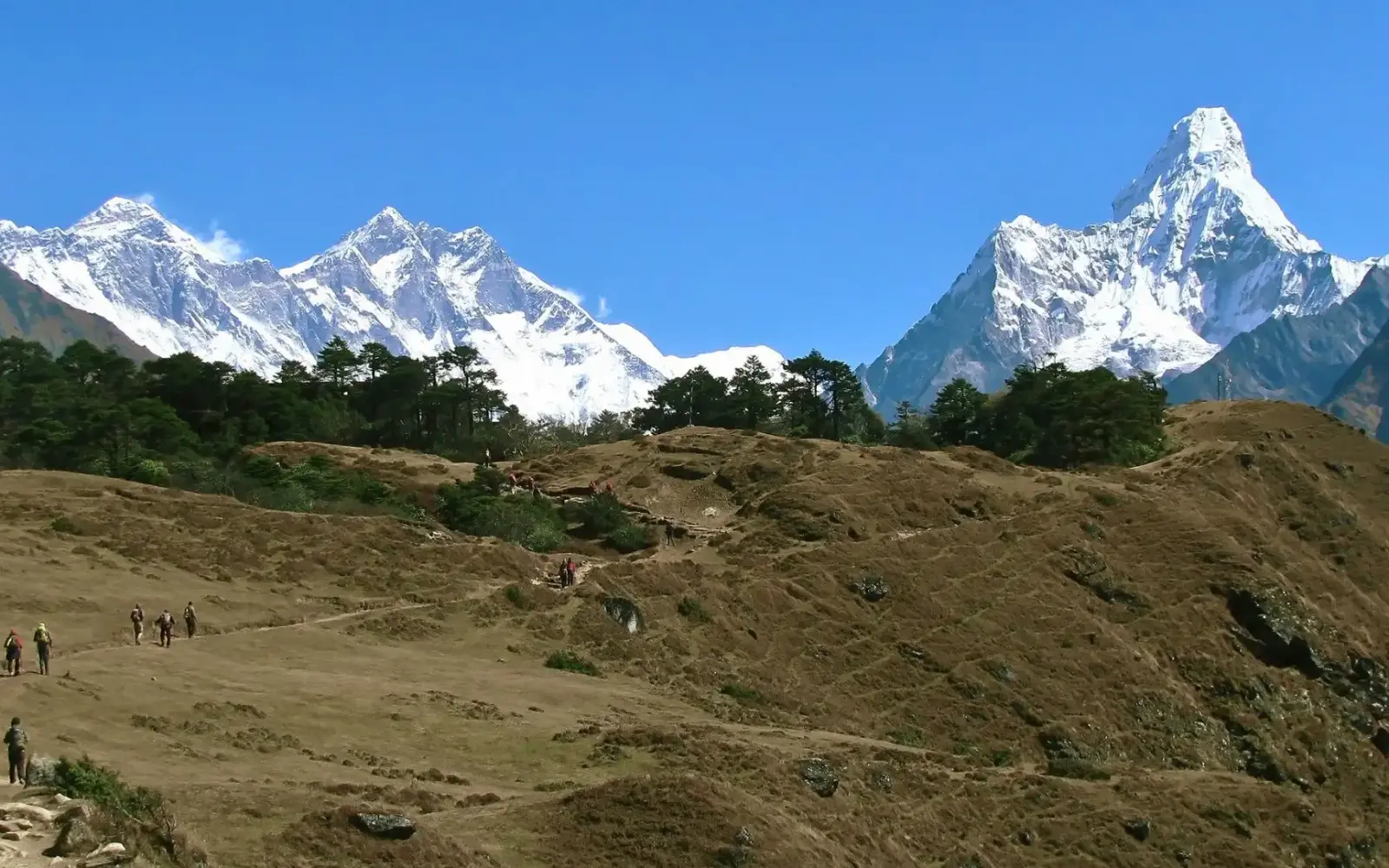
Everest Base Camp is famous for a reason, and most of that reason is Namche Bazaar, Tengboche Monastery, and the Sherpa villages you pass through — not the base camp itself, which is a rubble-strewn glacier moraine with no view of Everest's summit. The actual money shot is Kala Patthar at sunrise, where Everest, Nuptse, and Lhotse line up in front of you.
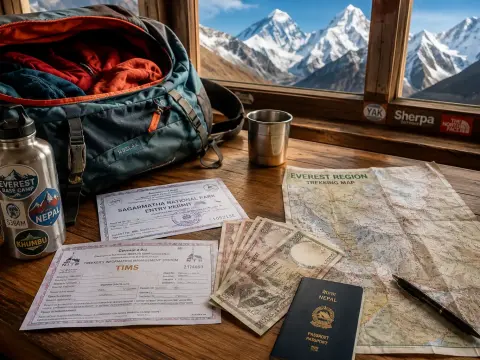
What most lists don't tell you: the permit landscape changed in 2018 — the old TIMS card was replaced on this specific route by the Khumbu Pasang Lhamu Rural Municipality permit, so any article still telling you to carry a TIMS card for EBC is using outdated information. Budget two buffer days around the Lukla flight; Lukla is one of the most weather-dependent airstrips in the world, and October is both the busiest and most flight-delay-prone month.
Who it's wrong for: first-time high-altitude trekkers with fewer than 12 days, or anyone expecting solitude in peak season — the Namche-to-Gorak Shep stretch is genuinely crowded in October.
The route, day by day, in brief: Fly Kathmandu–Lukla (2,860m), walk to Phakding, then climb to Namche Bazaar (3,440m) for the first forced acclimatization day. From Namche the trail moves through Tengboche, home to the region's most important monastery, then Dingboche or Pheriche for a second acclimatization day, before pushing on to Lobuche and Gorak Shep, from where you day-hike to Everest Base Camp itself and, the next morning, up to Kala Patthar for sunrise. The return trip usually retraces the route, sometimes with a short detour, and can be shortened by flying out of Lukla or, for those with the budget, taking a helicopter back to Kathmandu from Gorak Shep or Namche.
Cost reality check: Package prices for a 12–14 day EBC trek from Kathmandu commonly run in the $1,100–$1,500 range per person for a group departure, with pricing dropping per person in larger groups and rising sharply for solo, private, or last-minute departures. That figure typically covers permits, a licensed guide, domestic flights, and teahouse accommodation with breakfast and dinner; it usually does not cover lunch on trek days, hot showers, device charging, Wi-Fi, or personal gear rental — all of which add up to a meaningful out-of-pocket total that's worth asking about upfront rather than discovering on the trail.
What our guides tell trekkers before they go: the two things that end EBC trips early aren't fitness-related — they're rushing the Namche and Dingboche acclimatization days, and underestimating how cold Gorak Shep and Kala Patthar get before sunrise, even outside winter. A good down jacket and a genuine four-season sleeping bag (or bag liner if renting) matter more than trekking speed.
2. Annapurna Circuit Trek — The Most Scenically Diverse Trek in Nepal
Duration: 14–18 days | Max altitude: 5,416m (Thorong La) | Difficulty: Strenuous | Best season: March–May, September–November | Permit required: ACAP (Annapurna Conservation Area Permit) + TIMS, licensed guide mandatory since April 2023
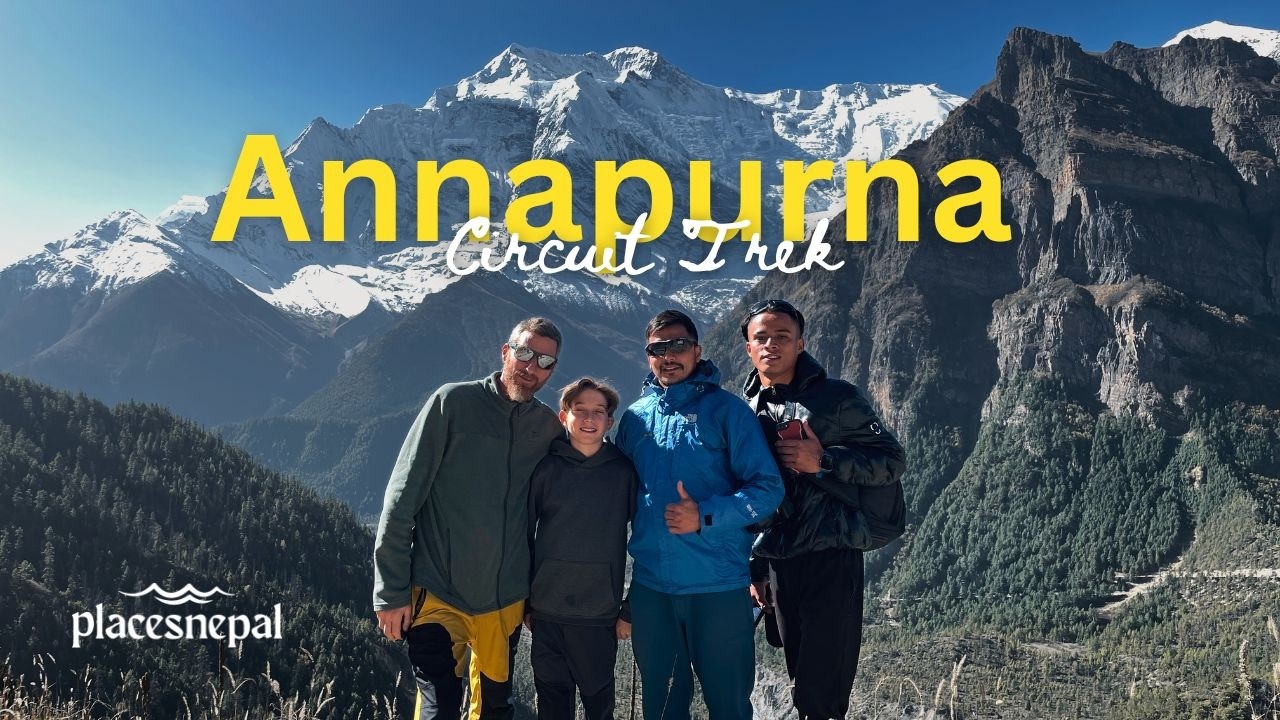
The Annapurna Circuit's calling card is variety: you start in subtropical rice terraces, climb through pine and rhododendron forest, cross into arid Tibetan-plateau terrain on the far side of Thorong La, and finish among Hindu and Buddhist pilgrimage sites. No other trek in Nepal changes landscape this dramatically in two weeks.
The honest trade-off: road construction has crept onto sections of the classic route over the past decade, which is why most operators now build in jeep transfers on the least scenic stretches and preserve the trekking days for the parts still worth walking. Since April 2023, trekking Annapurna without a licensed guide is no longer legal — solo, guideless trekking on this route ended with that regulation change.
Who it's wrong for: trekkers who specifically want an unbroken foot trail with zero vehicle traffic — ask your operator exactly which sections still involve road walking before booking.
The route, day by day, in brief: Most operators now start with a drive from Kathmandu or Pokhara to Chame or Koto, skipping the lower stretches most affected by road building, and pick the trekking trail back up through Upper Pisang, Manang (a mandatory acclimatization stop), Yak Kharka, and Thorong Phedi before the pre-dawn crossing of Thorong La. The descent into Muktinath — a pilgrimage site sacred to both Hindus and Buddhists — marks the dramatic shift into the arid Mustang-adjacent landscape, and most itineraries finish with a flight or drive out from Jomsom.
Cost reality check: Because Annapurna is an ACAP route rather than a restricted area, permit costs are lower than Manaslu or Mustang, and full-package pricing for a 14–18 day trek typically lands somewhere below Everest Base Camp per day once you factor in the shorter domestic flight requirements (Jomsom flights are shorter and cheaper than Lukla flights, and some itineraries skip flying altogether).
What our guides tell trekkers before they go: Thorong La is a long day — 8 to 10 hours of walking, starting well before sunrise, at altitude, in cold wind. Trekkers who treat the days before the pass as "easy warm-up days" and skip proper hydration and food intake are the ones who struggle on crossing day. Eat and drink more than you think you need to in Manang and Yak Kharka.
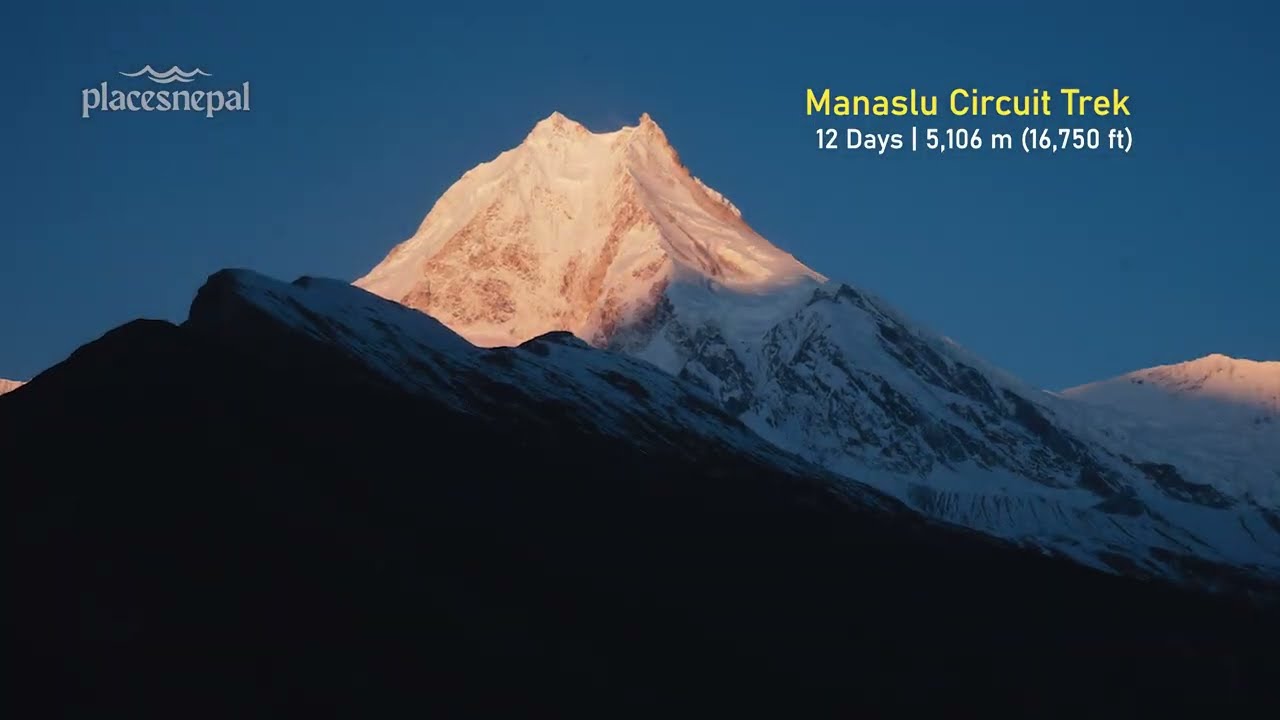
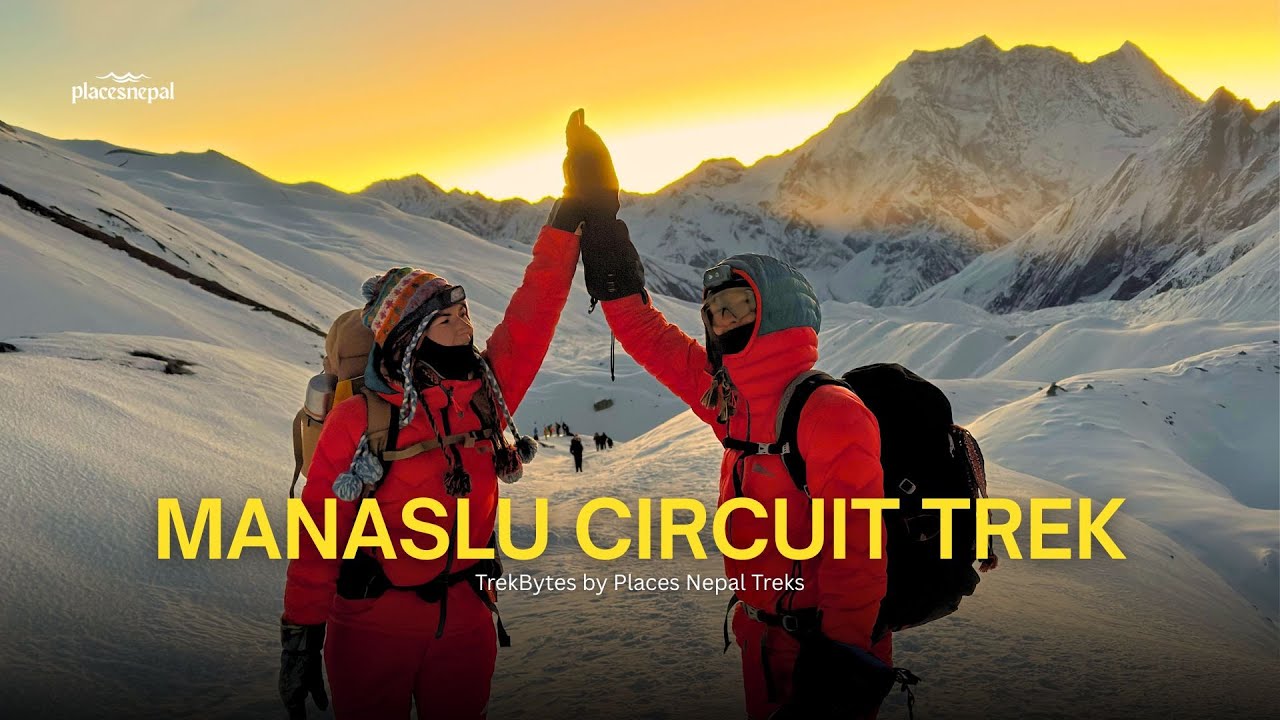
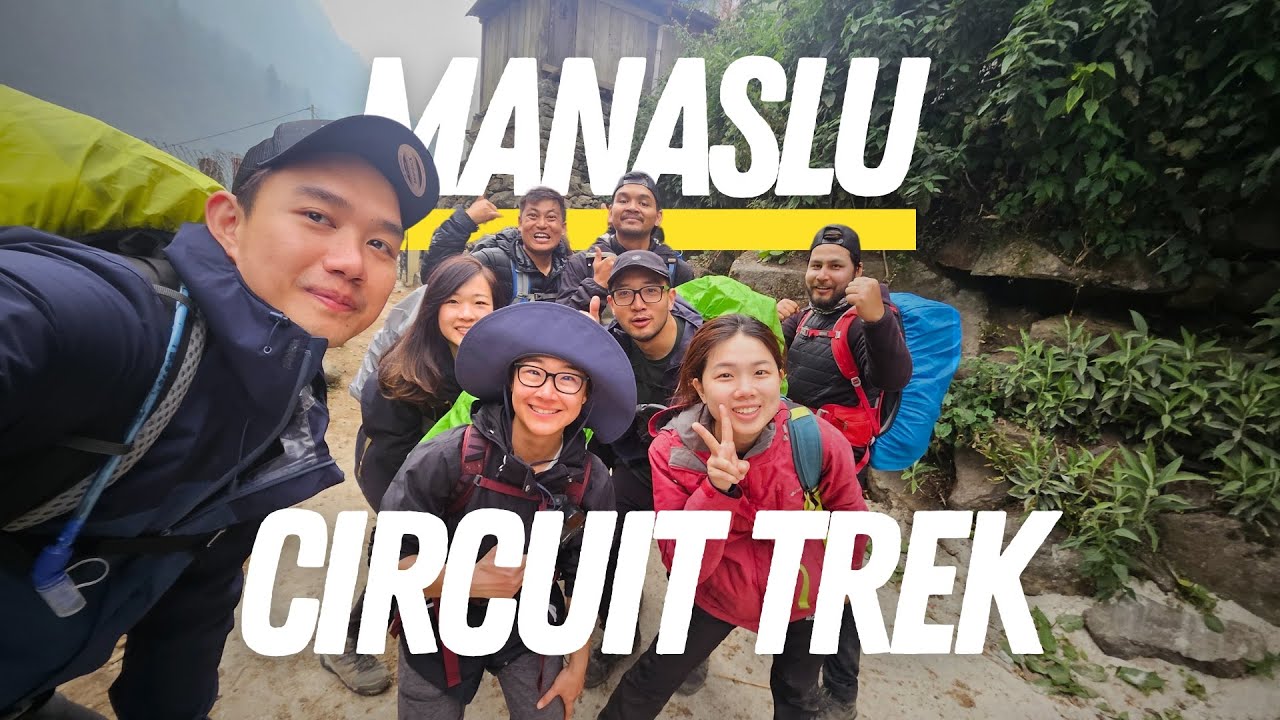
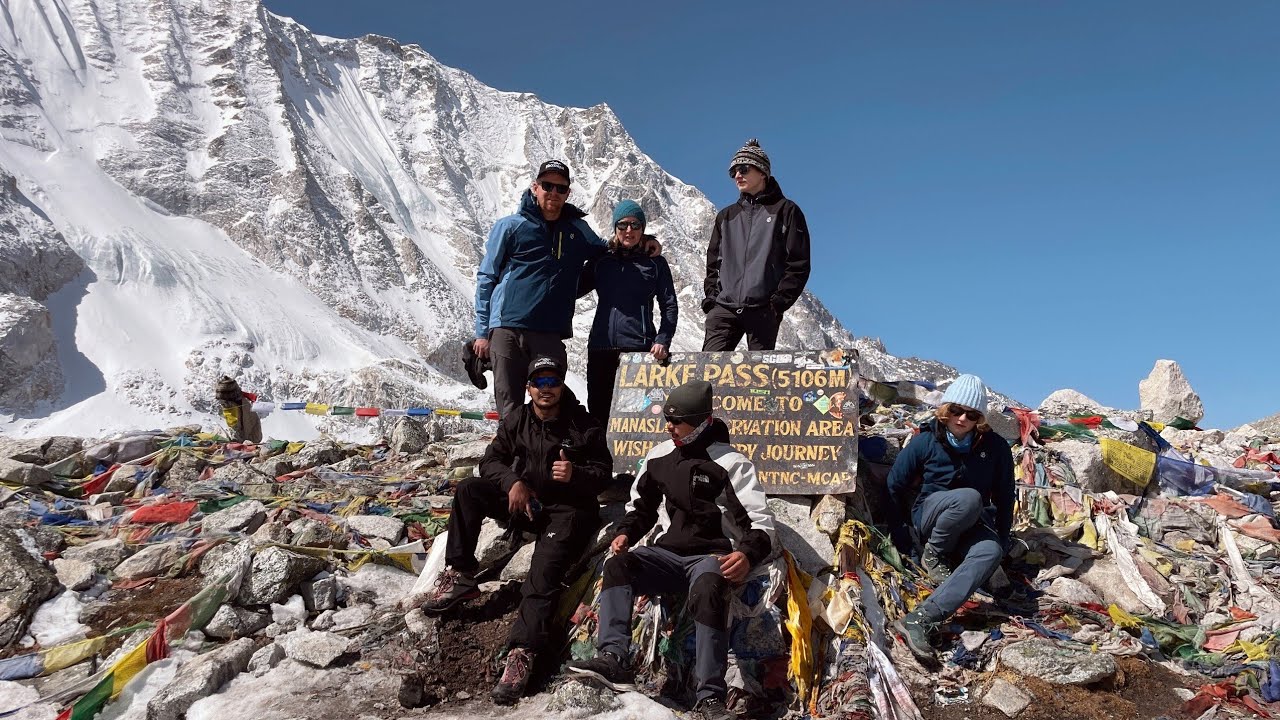
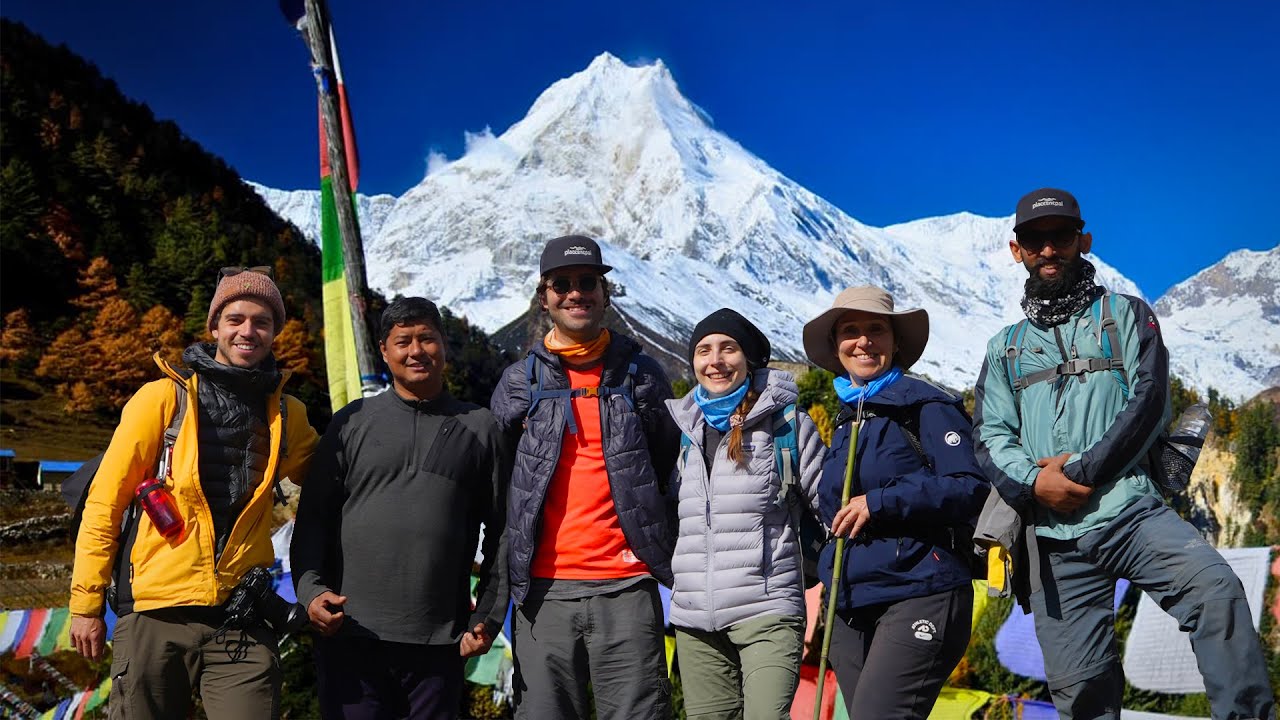
3. Manaslu Circuit Trek — What Annapurna Circuit Used to Be
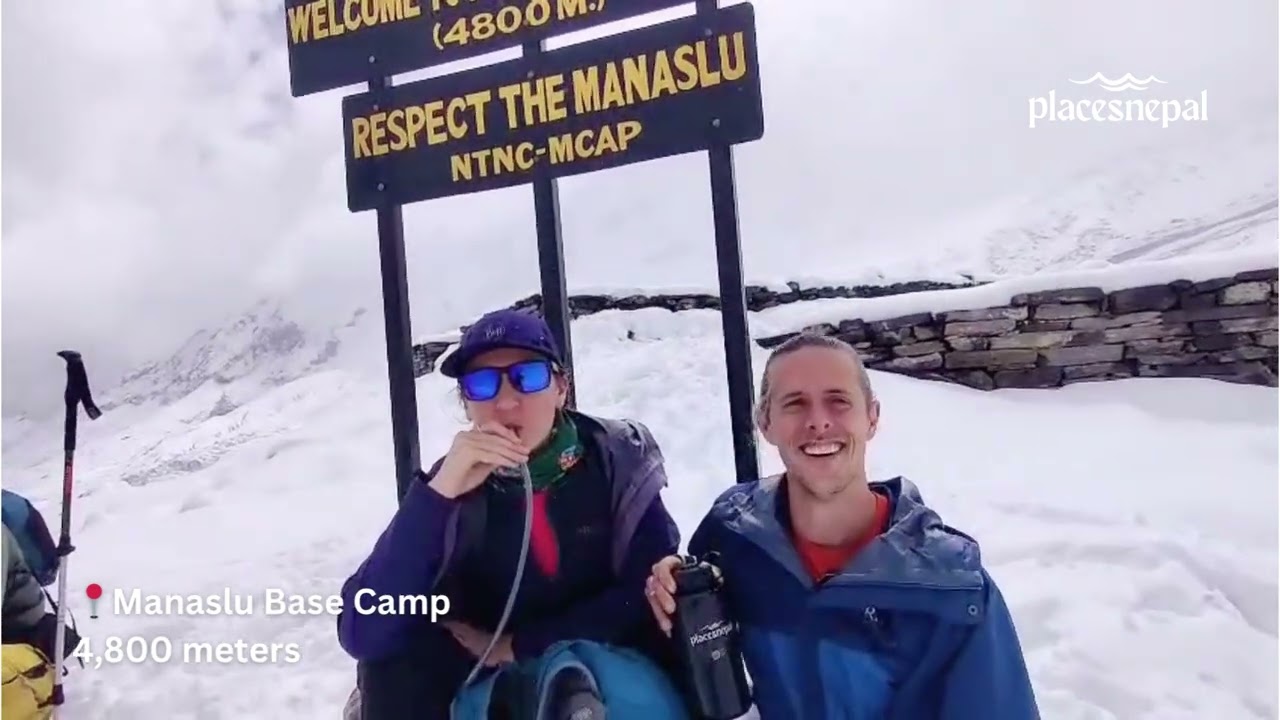
Duration: 14–16 days | Max altitude: 5,160m (Larkya La) | Difficulty: Strenuous | Best season: March–May, September–November | Permit required: Restricted Area Permit (RAP) + MCAP + ACAP, licensed guide mandatory
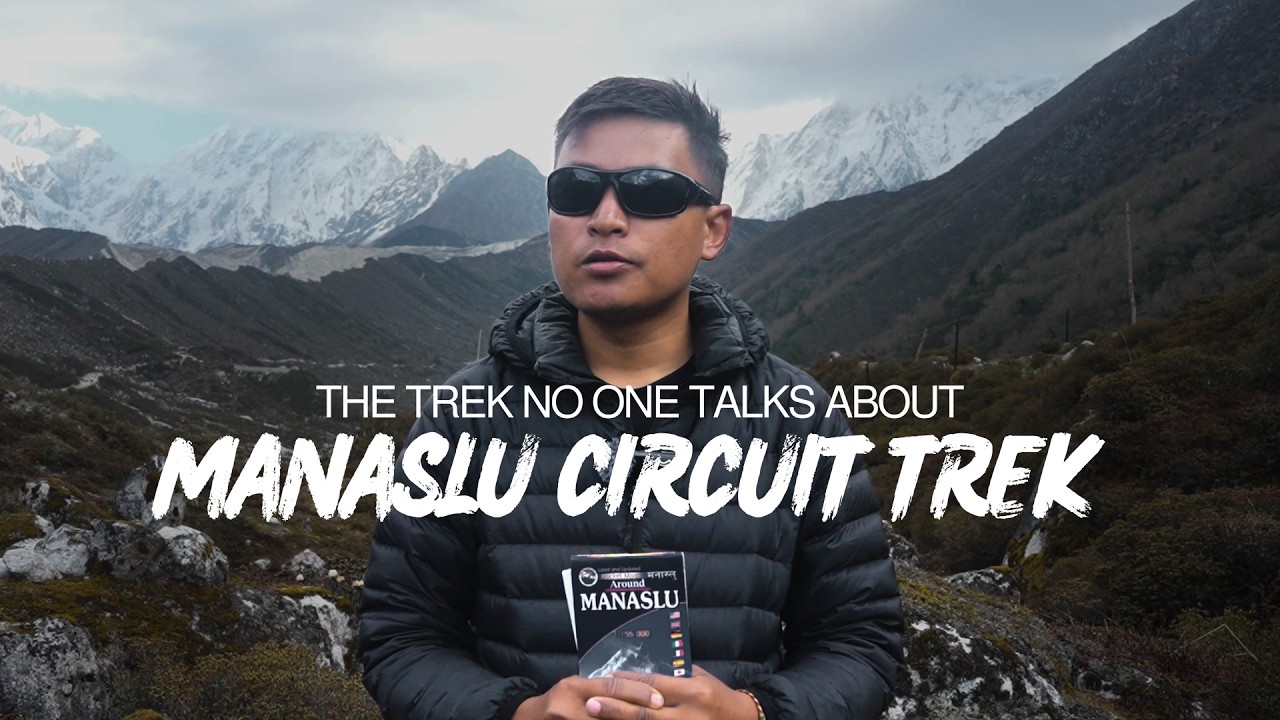
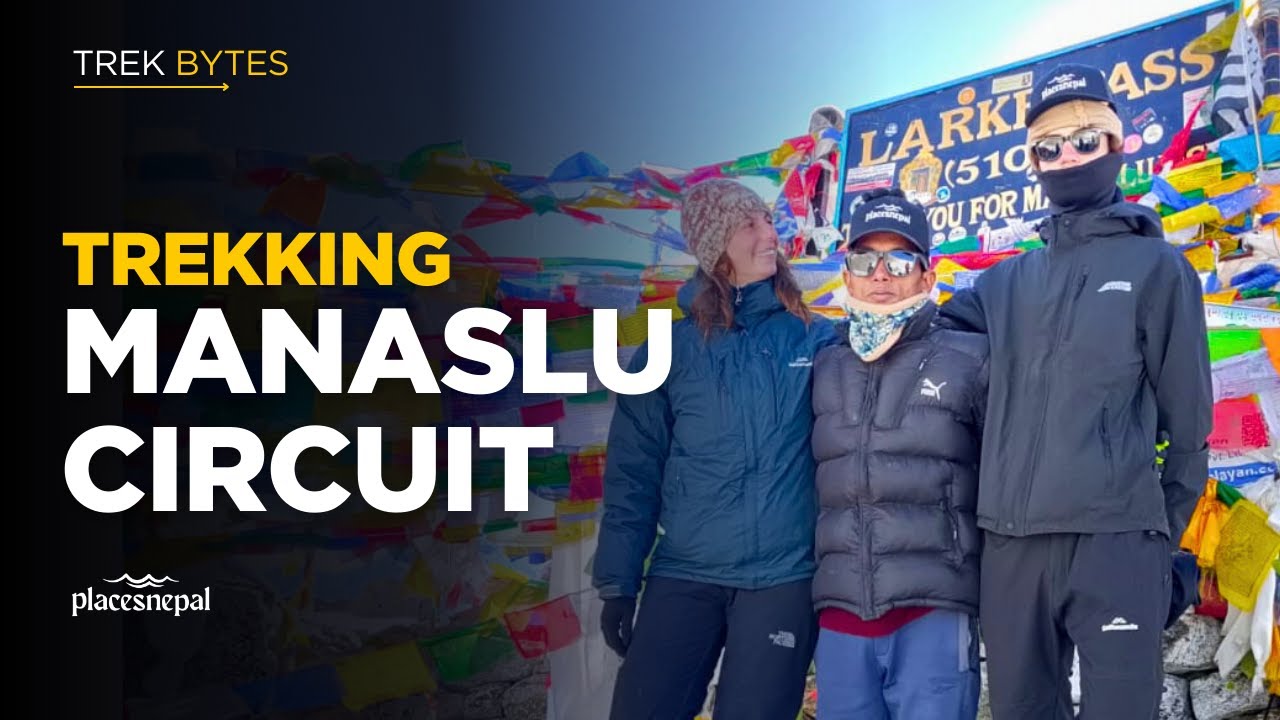
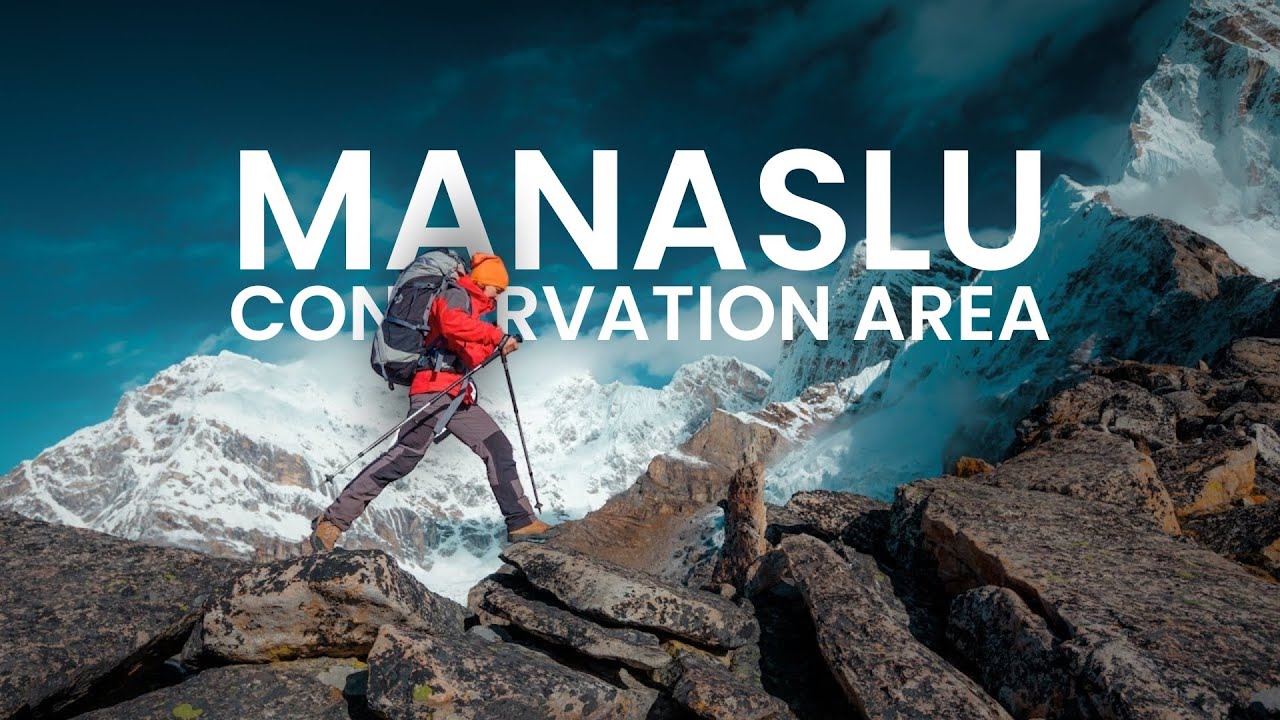
If Annapurna Circuit thirty years ago is the trek you're chasing, Manaslu Circuit is the closest thing Nepal has to it today: comparable scenery, comparable cultural depth around the Tibetan-influenced villages of Samagaon and Samdo, and a genuine sense of walking somewhere still uncrowded. It circles the eighth-highest mountain on Earth and crosses the Larkya La pass into landscapes that feel closer to the Tibetan plateau than to Kathmandu.
Because it's a restricted area, Manaslu can't be trekked without a licensed guide and a registered agency — the checkposts along the route enforce this. As of March 2026, Nepal removed the old two-trekker minimum group requirement for restricted-area permits, meaning solo travelers can now book a Manaslu trek with just one guide, which was not the case before that regulation change. Budget accordingly: restricted-area permit fees are higher than ACAP-only routes, and current 2026 RAP rates no longer include the old fixed weekly minimum structure — ask your operator for the exact current breakdown before booking, since this is a regulation still being finalized in practice.
Who it's wrong for: trekkers on a tight budget — permit costs alone put this above Annapurna and EBC per day.
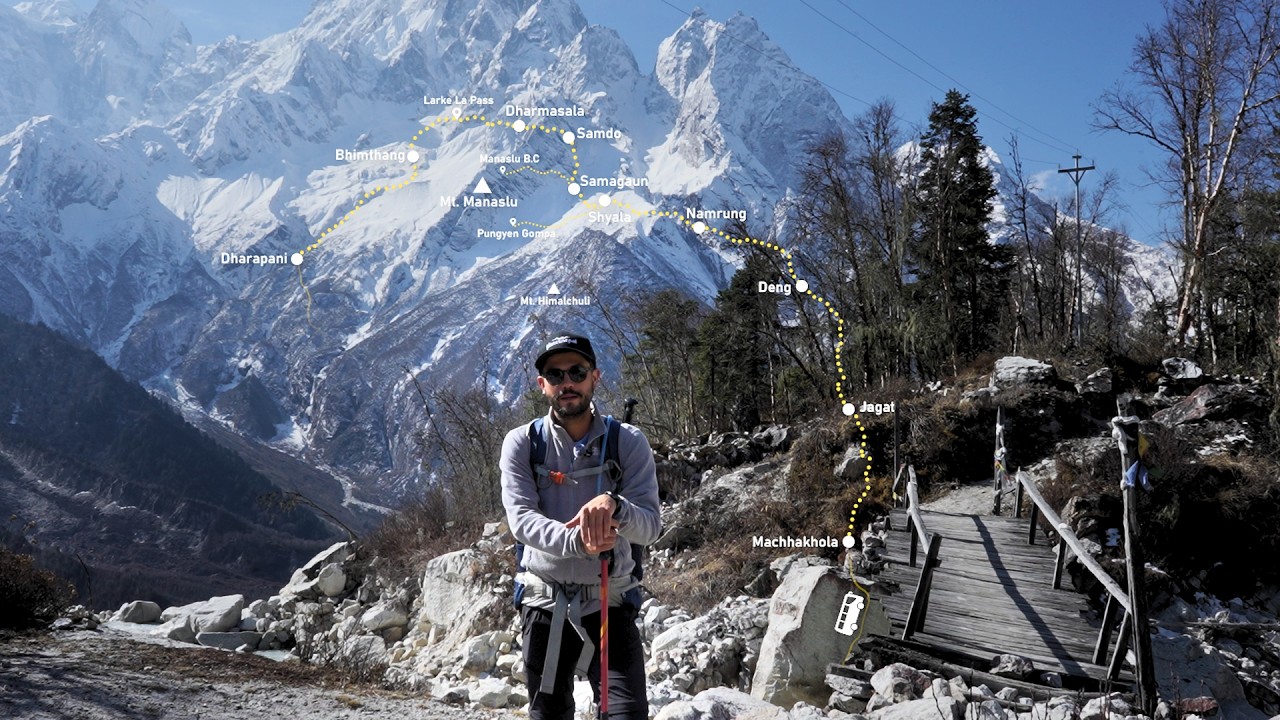
The route, day by day, in brief: The trek begins on a long drive from Kathmandu to Machha Khola or Soti Khola, following the Budhi Gandaki River gorge upward through Jagat, Deng, and Namrung before opening out into the high, Tibetan-influenced villages of Lho, Samagaon, and Samdo — the latter two set directly beneath Manaslu's flanks and used for acclimatization. From Samdo the trail climbs to Dharamsala (also called Larkya Phedi) before the long, high crossing of Larkya La (5,160m) and a descent into the Manang district, often finishing with a connection toward the Annapurna region or a direct drive back to Kathmandu via Besisahar.
Cost reality check: Restricted Area Permit fees are charged per week and are higher in peak season (September–November) than in other months; as of the 2026 rate structure the old fixed weekly minimum was removed, which changes total cost calculations for shorter itineraries. Combined with MCAP and ACAP fees, guide costs, and the fact that this is a genuinely remote route with fewer teahouse options to shop around on price, Manaslu typically costs noticeably more per day than an open-route trek of similar length. Ask for a full, current permit breakdown before comparing quotes across operators.
What our guides tell trekkers before they go: Manaslu's teahouses are simpler and less competitively priced than Everest or Annapurna's, since there's less choice per village — don't expect the same range of menu options or Wi-Fi reliability, and budget slightly more time per day than the official itinerary suggests, since trail conditions past Namrung can be rougher than the well-trodden Everest and Annapurna trails.
4. Everest Three Passes Trek — The Full Khumbu Experience
Duration: 18–21 days | Max altitude: 5,535m (Kongma La) | Difficulty: Very strenuous | Best season: March–May, September–November | Permit required: Sagarmatha National Park permit + Khumbu Pasang Lhamu permit, guide strongly recommended
This is Everest Base Camp for people who've already done a Himalayan trek and want more. Three Passes links Kongma La (5,535m), Cho La (5,420m), and Renjo La (5,360m) into a single loop that also visits Everest Base Camp and the Gokyo Lakes — meaning you get the classic EBC views, the turquoise Gokyo panorama, and three genuinely technical high-altitude passes in one trip.
Weather can strand groups at any of the three passes for a night, which is why crampons, and in some conditions a rope, are standard kit here, not optional extras. This is not a first Himalayan trek.
Who it's wrong for: anyone without at least one prior trek above 4,500m under their belt.
5. Annapurna Base Camp Trek — Maximum Mountain Scenery, Minimum Commitment
Duration: 7–10 days | Max altitude: 4,130m | Difficulty: Moderate | Best season: March–May, September–November | Permit required: ACAP + TIMS
Annapurna Base Camp puts you inside a natural amphitheater of 7,000–8,000m peaks — Annapurna I, Machapuchhre (the "Fishtail," sacred and unclimbed), Hiunchuli, and Gangapurna all rise directly around the base camp bowl. Because the max altitude tops out around 4,130m, it's achievable in a week without the acclimatization schedule that longer treks require, which is why our guides — when we ask them their favorite region — say Annapurna more often than any other.
Who it's wrong for: trekkers who've already done Everest Base Camp and want something visually different — the terrain and culture overlap significantly with other Annapurna-region routes.
The route, day by day, in brief: From Pokhara, most itineraries drive to Nayapul and walk through Ghandruk or Jhinu Danda — the latter home to natural hot springs that make an excellent post-trek soak on the way down — before climbing steadily through Chomrong, the Himalaya and Deurali checkpoints, and Machhapuchhre Base Camp on the final push into ABC itself. The trail is well-established, well-signed, and dense with teahouse options, making it one of the more comfortable strenuous-tier treks logistically, even if the terrain itself is demanding.
What our guides tell trekkers before they go: the final stretch from Machhapuchhre Base Camp to ABC is short in distance but the most exposed to avalanche and rockfall risk on the route — guides watch weather and trail conditions closely here and won't hesitate to hold a group back if conditions look unstable, regardless of a fixed itinerary.
6. Ghorepani Poon Hill Trek — Nepal's Best Short Trek
Duration: 4–5 days | Max altitude: 3,210m (Poon Hill) | Difficulty: Easy to moderate | Best season: Year-round, best March–May and September–November | Permit required: ACAP + TIMS, no guide legally required but strongly recommended
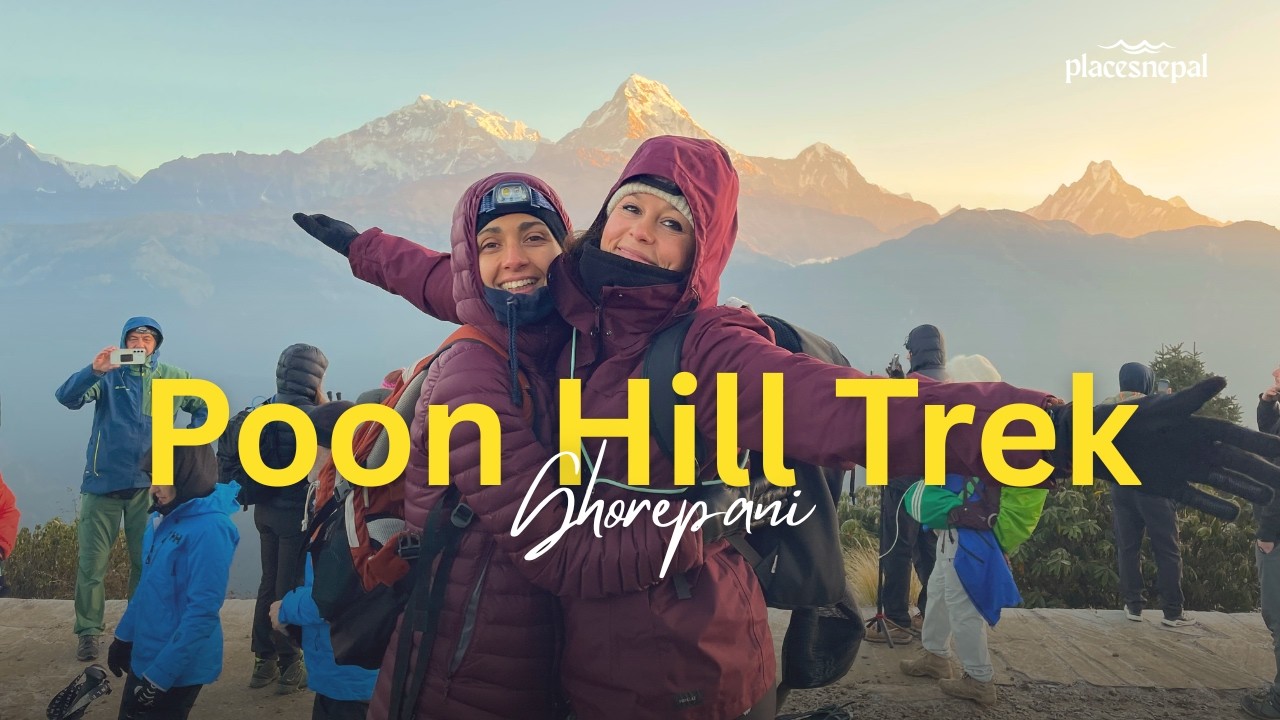
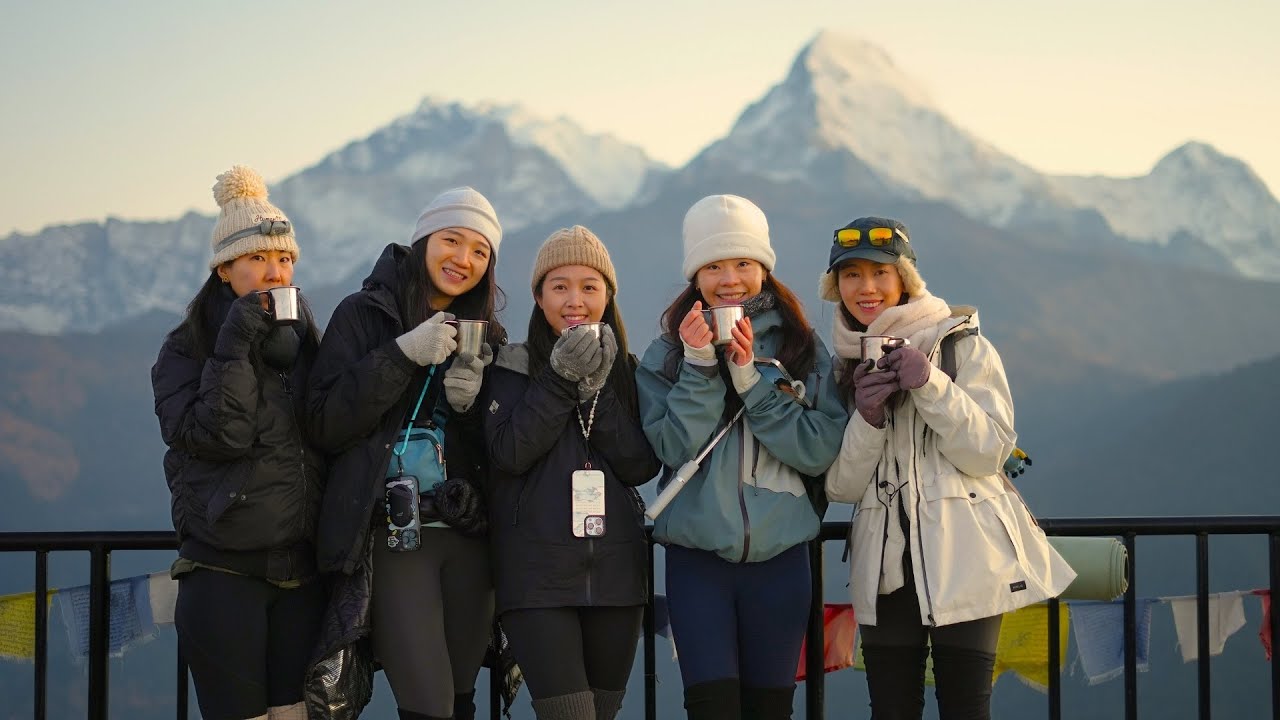
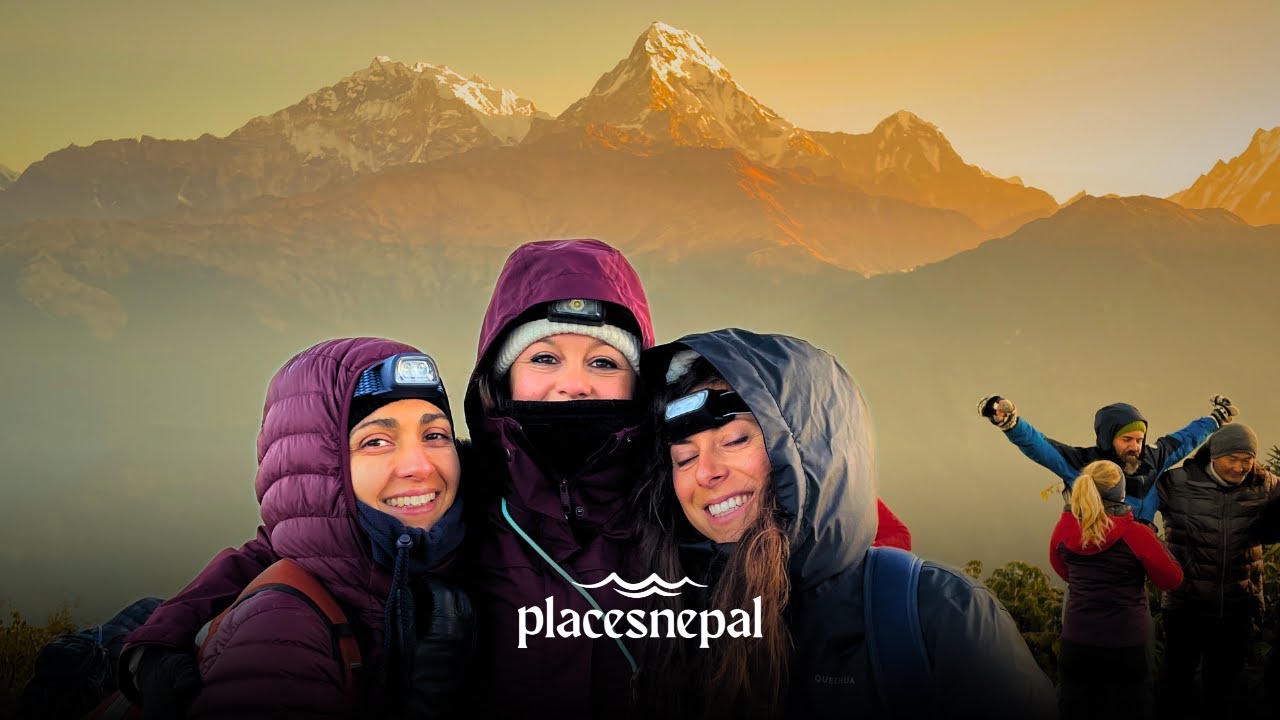
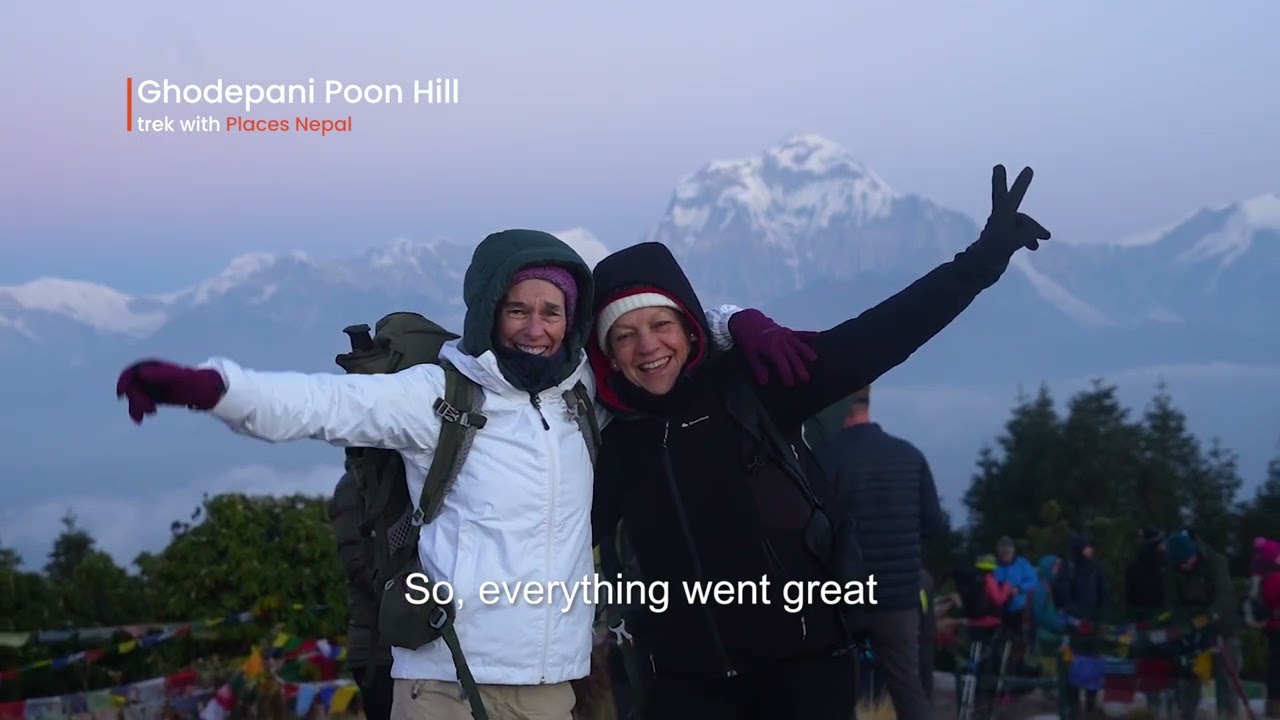
If you have under a week, older kids in your group, or you're not sure trekking is for you yet, this is the answer. The 360° sunrise panorama from Poon Hill — Dhaulagiri, Annapurna South, Machapuchhre, Annapurna I — rivals views from treks that take three times as long to reach. The route passes through Gurung villages including Ghandruk, Nepal's second-largest village, where many residents are former British Gurkha soldiers, giving the trek a cultural layer most short treks skip.
Who it's wrong for: trekkers chasing a "real" high-altitude experience — this route never goes near altitude sickness territory, which is exactly its appeal for some and its limitation for others.
The route, day by day, in brief: From Nayapul the trail climbs through Tikhedhunga and the famously relentless stone stairs to Ulleri, then on to Ghorepani, from where most groups leave before dawn for the short, steep climb to Poon Hill itself. The return route usually loops through Tadapani and back down to Ghandruk, giving trekkers a full village-culture day that a straight out-and-back itinerary would miss.
What our guides tell trekkers before they go: the Ulleri stone staircase is the hardest single stretch of the entire trek — pace yourself there and the rest of the route feels easy by comparison. This is also the best route on this list for trekkers traveling with children roughly aged 8 and up.
7. Mardi Himal Trek — The Best Base Camp Trek You Haven't Heard Of
Duration: 5–7 days | Max altitude: High Camp, 3,550m | Difficulty: Moderate | Best season: March–May, September–November | Permit required: ACAP + TIMS
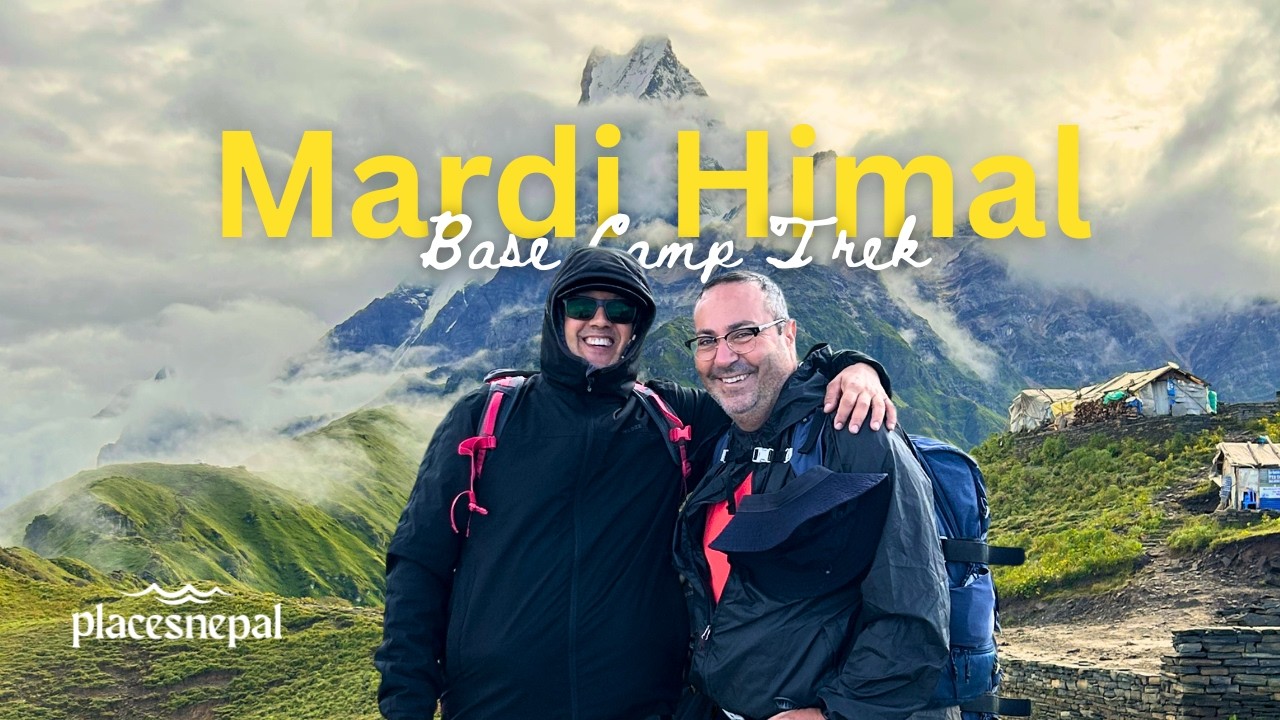
Mardi Himal only opened to teahouse trekking in the last decade or so, and it still gets a fraction of Annapurna Base Camp's traffic despite sitting in the same range and delivering close-up views of Machapuchhre from a different, arguably better angle. The route runs through Low Camp (2,985m) and Forest Camp (2,550m) before High Camp, with rhododendron forest for the first two days that turns brilliant red and pink in spring.
Who it's wrong for: trekkers wanting village culture along the way — Mardi Himal's upper stretches are ridge camps, not settlements, so the cultural immersion is lighter than Annapurna Base Camp or Ghorepani.
Canonical elevations for this route (useful for anyone cross-checking figures against other sources, since Mardi Himal numbers get mixed up online more than most): Forest Camp sits at roughly 2,550m, Low Camp at 2,985m, and High Camp at 3,550m — the last of these is the highest point most itineraries reach, with a further viewpoint push above it on clear mornings.
Cost reality check: As a shorter ACAP route without restricted-area fees, Mardi Himal is one of the more affordable strenuous-adjacent treks on this list — package pricing scales down meaningfully with group size, which is worth asking about directly since per-person costs for a solo booking versus a group of four or more can differ substantially.
What our guides tell trekkers before they go: the ridge above Low Camp is exposed to wind in a way the forested lower stretches aren't — layer up before you clear the treeline, not after you start feeling cold.
8. Langtang Valley Trek — The Closest Himalayan Trek to Kathmandu
Duration: 7–10 days | Max altitude: 4,984m (Tserko Ri) | Difficulty: Moderate to strenuous | Best season: March–May, September–November | Permit required: Langtang National Park permit + TIMS
Langtang starts just 7–8 hours by road from Kathmandu, making it the most time-efficient Himalayan trek on this list for anyone tight on days. The valley was devastated by the 2015 earthquake, and the rebuilt villages — particularly Langtang village itself — carry a visible, respectful memory of that history alongside genuinely dramatic scenery: glaciers, the Langtang Lirung massif, and strong Tamang Buddhist culture along the Tamang Heritage Trail extension.
Who it's wrong for: trekkers wanting zero exposure to the region's earthquake history as part of the experience — it's woven into the trail whether you seek it out or not, and for many trekkers that's part of what makes the route worth doing.
The route, day by day, in brief: The drive from Kathmandu to Syabrubesi is the trek's biggest time investment; from there the trail follows the Langtang Khola through forest to Lama Hotel and Langtang village, then on to Kyanjin Gompa, the base for exploring Tserko Ri and the Langtang glacier. Many itineraries extend with the Tamang Heritage Trail on the way out, adding cultural villages that see far fewer trekkers than the main valley.
What our guides tell trekkers before they go: this is the easiest strenuous-tier trek on this list to shorten or lengthen on short notice, since the road access at both ends gives far more flexibility than fly-in routes like Everest — useful if your dates are tight or your flight schedule changes.
9. Upper Mustang Trek — The Forbidden Kingdom
Duration: 10–14 days | Max altitude: 3,840m | Difficulty: Moderate | Best season: March–November (rain-shadow region, trekkable even in monsoon) | Permit required: Restricted Area Permit, licensed guide mandatory
Upper Mustang sits in the Himalayan rain shadow, which means it's trekkable during the June–August monsoon when most of Nepal is socked in with cloud and leeches — a genuine scheduling advantage nothing else on this list offers. The scenery is Trans-Himalayan desert: eroded cliffs, sky caves, and the walled former royal city of Lo Manthang, still governed in part by living Tibetan Buddhist tradition.
As of the December 2025 fee restructuring, the Upper Mustang permit changed from a flat $500-for-10-days fee to $50 per person per day, which changes the math meaningfully for longer itineraries — confirm current pricing with your operator before you budget, since this is a recent change and some third-party sites are still quoting the old flat rate.
Who it's wrong for: trekkers who want green, alpine scenery — Mustang is desert, closer in feel to Ladakh or the Tibetan plateau than to the rest of Nepal.
The route, day by day, in brief: Most itineraries fly Kathmandu–Pokhara–Jomsom, then trek north along the Kali Gandaki valley through Kagbeni — the official gateway checkpoint into the restricted zone — and on to Chele, Syangboche, Ghami, and eventually Lo Manthang, the walled former capital where a multi-day stay allows time to explore monasteries, sky caves, and the royal palace before retracing or looping back south.
What our guides tell trekkers before they go: wind is the defining factor here, not altitude or cold — afternoons in the Kali Gandaki valley funnel strong wind that makes early starts and early finishes the norm, not a suggestion.
10. Kanchenjunga Base Camp Trek — Nepal's Wildest Popular Route
Duration: 20–22 days | Max altitude: 5,160m (Pang Pema, North Base Camp) | Difficulty: Very strenuous | Best season: March–May, September–November | Permit required: Restricted Area Permit + Kanchenjunga Conservation Area permit, licensed guide mandatory
Kanchenjunga is the third-highest mountain in the world, and its base camp trek is one of the least-crowded major routes in Nepal, largely because of its remoteness and length. Teahouses have only developed here in the last several years — before that this was a full camping trek — so trail infrastructure is newer and simpler than on Everest or Annapurna, which is part of the appeal for trekkers chasing an "old Nepal" experience. The route crosses high passes including Sele La (4,290m) and Mirgin La (4,480m), moves through Sherpa and Limbu villages, and carries a real (if rare) chance of spotting red pandas or snow leopards in the conservation area.
Who it's wrong for: anyone without three weeks free — this is not a route to rush.
The route, day by day, in brief: Most itineraries fly into Suketar or Bhadrapur and trek north through Sherpa and Limbu villages toward either or both base camps — the North Base Camp at Pang Pema offers close-up Kanchenjunga views, while the South Base Camp side approaches via the Yalung glacier. A full traverse linking both sides over the Sele La and Mirgin La passes is the most complete (and longest) version of this trek.
What our guides tell trekkers before they go: teahouse standards here are noticeably more basic than Everest or Annapurna, and menu variety is limited — this is a route where bringing your own snacks and a positive attitude about simple food matters more than on any other trek on this list.
11. Upper Dolpo Trek — Nepal's Least-Visited Trekking Region
Duration: 18–24 days | Max altitude: 5,360m (Numa La / Baga La range) | Difficulty: Very strenuous | Best season: June–September (rain-shadow region) | Permit required: Restricted Area Permit, licensed guide and organized support mandatory
Upper Dolpo is the trek to book if every other route on this list still sounds too busy. It sits in the far-western Himalayan rain shadow near the Tibetan border, made famous internationally by Peter Matthiessen's writing, and remains genuinely difficult to reach — high permit costs, minimal infrastructure, and a long trek-in keep visitor numbers low even by Nepal's remote-region standards. You'll pass Shey Gompa, one of the oldest monasteries in the country, and the turquoise Phoksundo Lake, and mix teahouse stays with tented camping depending on the stretch.
Who it's wrong for: first-time Nepal trekkers, budget travelers, or anyone without three-plus weeks — this is the most expensive, most logistically demanding trek on this list.
What our guides tell trekkers before they go: Dolpo should be booked as a fully supported, organized trip — this is not a route where any operator should be cutting corners on crew size or contingency days, given how far it sits from any road access or evacuation point. Ask specifically about the operator's evacuation and communication plan before booking, not just the itinerary.
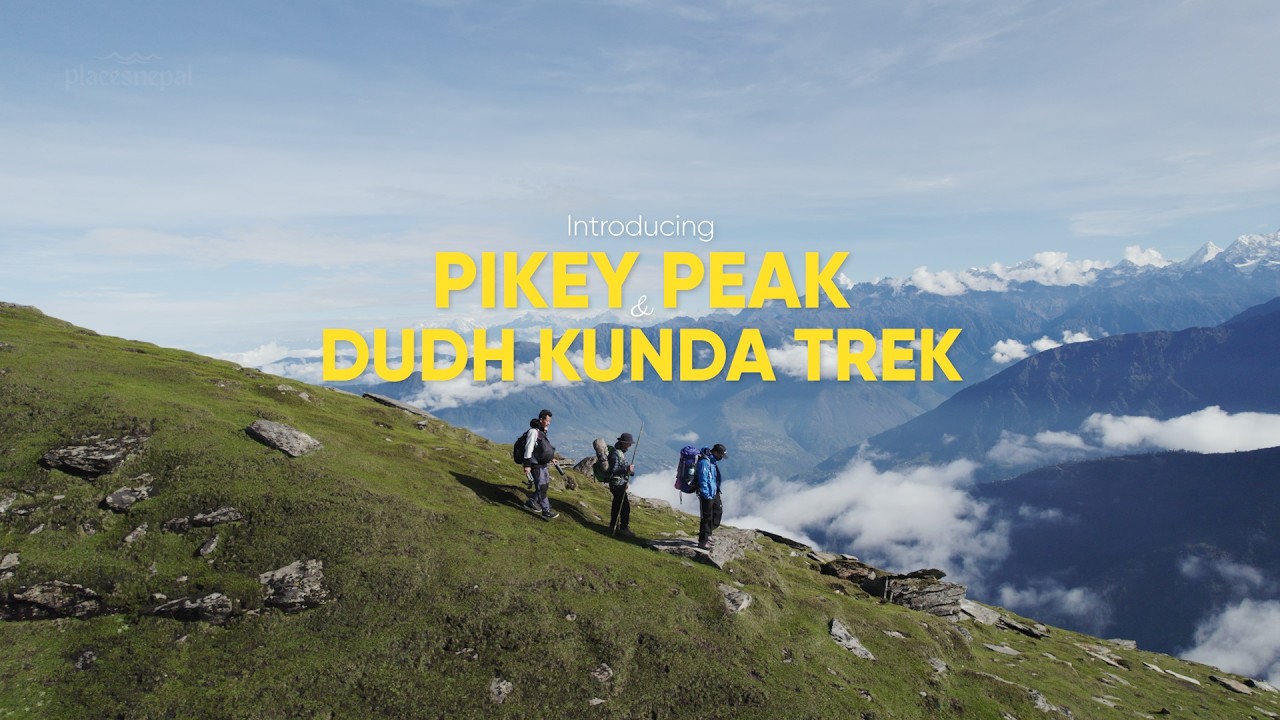
12. Pikey Peak Trek — The Everest View Without the Everest Crowd
Duration: 5–7 days | Max altitude: 4,065m (Pikey Peak) | Difficulty: Moderate | Best season: March–May, September–November | Permit required: TIMS, no restricted-area permit needed
Sir Edmund Hillary reportedly named Pikey Peak among his favorite Himalayan viewpoints, and the claim holds up: from the summit you can see Everest, Lhotse, Makalu, and Kanchenjunga — four of the world's five highest peaks — from a trail that sees a fraction of the Everest Base Camp trail's traffic. Spring brings rhododendron, magnolia, and wild orchid blooms along a route dotted with monasteries and gompas.
Who it's wrong for: trekkers who specifically want to walk into the Khumbu itself, meet Sherpa communities at scale, or reach Everest Base Camp — Pikey is a viewpoint trek, not an approach trek.
13. Gokyo Lakes Trek — The Everest Region's Turquoise Alternative
Duration: 12–14 days | Max altitude: 5,357m (Gokyo Ri) | Difficulty: Strenuous | Best season: March–May, September–November | Permit required: Sagarmatha National Park permit + Khumbu Pasang Lhamu permit
Gokyo shares the first two days of trail with Everest Base Camp before branching toward a chain of glacial lakes that form the highest freshwater lake system in the world at roughly 5,000m. Gokyo Ri delivers a wide-angle view that includes Everest, Cho Oyu, Makalu, and Lhotse together — arguably a better single viewpoint than Kala Patthar, without the crowd converging on it.
Who it's wrong for: trekkers whose primary goal is literally standing at Everest Base Camp — Gokyo is an alternative to that goal, not a shortcut to it (though the two can be combined via Cho La Pass, which is effectively the Three Passes route above).
What our guides tell trekkers before they go: the lake district around Gokyo can feel deceptively gentle compared to the Everest Base Camp approach, but Gokyo Ri itself is a genuinely steep pre-dawn climb at high altitude — don't let the calmer lakeside walking earlier in the trip lull you into underestimating the summit morning.
14. Tsum Valley Trek — Nepal's Hidden Sacred Valley
Duration: 14–18 days | Max altitude: 5,093m (Ganesh Himal viewpoint / Mu Gompa area) | Difficulty: Strenuous | Best season: March–May, September–November | Permit required: Restricted Area Permit (combined with Manaslu), licensed guide mandatory
Tsum Valley branches off the Manaslu Circuit route and is often trekked as an 18-day Manaslu-Tsum combination. It's a "hidden valley" in the literal Tibetan Buddhist sense — a beyul, a sacred sanctuary — with monasteries, chortens, and villages that see far fewer visitors than the main Manaslu trail even within an already-quiet region.
Who it's wrong for: trekkers on a standard two-week schedule — Tsum is best added onto Manaslu, which pushes the trip toward three weeks.
What our guides tell trekkers before they go: if you're already committing to a restricted-area permit and a licensed guide for Manaslu, the marginal cost of adding Tsum Valley is smaller than most trekkers expect relative to the extra days of near-total solitude it adds — worth asking your operator for a combined quote rather than pricing the two separately.
15. Island Peak (Imja Tse) Trek — Trekking Peak Climbing for Non-Mountaineers
Duration: 16–18 days | Max altitude: 6,189m (Island Peak summit) | Difficulty: Strenuous, technical climbing day | Best season: March–May, September–November | Permit required: Sagarmatha National Park permit, Khumbu Pasang Lhamu permit, NMA climbing permit, licensed guide mandatory
Island Peak follows the Everest Base Camp trail before branching to a genuine 6,000m summit via fixed ropes, a headwall, and a summit ridge — technical enough to require crampons, an ice axe, and a harness, but achievable for fit trekkers with no prior mountaineering experience given proper training and a qualified climbing guide. It's the natural next step for trekkers who've done EBC and want to know what climbing actually feels like without committing to an 8,000m expedition.
Who it's wrong for: anyone without at least one prior high-altitude trek — this is not a first Himalayan trip, regardless of general fitness level.
What our guides tell trekkers before they go: the trekking portion to base camp is nearly identical to standard Everest Base Camp fatigue-wise, but the summit push itself — typically a pre-dawn start, several hours on fixed lines, and a summit ridge with real exposure — is a different category of effort entirely. A day or two of pre-climb technical training at base camp with your climbing guide, even for experienced trekkers, is standard and non-negotiable on our itineraries, not an optional add-on.
Best Treks in Nepal: Side-by-Side Comparison
| Trek | Days | Max altitude | Difficulty | Guide required by law | Region |
|---|
| Everest Base Camp | 12–14 | 5,545m | Strenuous | Recommended | Khumbu |
| Annapurna Circuit | 14–18 | 5,416m | Strenuous | Yes (since 2023) | Annapurna |
| Manaslu Circuit | 14–16 | 5,160m | Strenuous | Yes | Manaslu |
| Everest Three Passes | 18–21 | 5,535m | Very strenuous | Recommended | Khumbu |
| Annapurna Base Camp | 7–10 | 4,130m | Moderate | Yes (since 2023) | Annapurna |
| Ghorepani Poon Hill | 4–5 | 3,210m | Easy–moderate | No | Annapurna |
| Mardi Himal | 5–7 | 3,550m | Moderate | Yes (since 2023) | Annapurna |
| Langtang Valley | 7–10 | 4,984m | Moderate–strenuous | Recommended | Langtang |
| Upper Mustang | 10–14 | 3,840m | Moderate | Yes | Mustang |
| Kanchenjunga Base Camp | 20–22 | 5,160m | Very strenuous | Yes | Kanchenjunga |
| Upper Dolpo | 18–24 | 5,360m | Very strenuous | Yes | Dolpo |
| Pikey Peak | 5–7 | 4,065m | Moderate | No | Solu-Khumbu |
| Gokyo Lakes | 12–14 | 5,357m | Strenuous | Recommended | Khumbu |
| Tsum Valley | 14–18 | 5,093m | Strenuous | Yes | Manaslu |
| Island Peak | 16–18 | 6,189m | Strenuous + technical | Yes | Khumbu |
Best Treks in Nepal by Trip Length
| Days available | Best trek |
|---|
| 3–5 days | Ghorepani Poon Hill, Pikey Peak (short option) |
| 6–8 days | Mardi Himal, Annapurna Base Camp |
| 9–12 days | Langtang Valley, Upper Mustang (standard) |
| 13–16 days | Everest Base Camp, Manaslu Circuit, Annapurna Circuit |
| 17–21 days | Everest Three Passes, Kanchenjunga, Tsum-Manaslu combination, Island Peak |
| 22+ days | Upper Dolpo, extended Kanchenjunga, Great Himalaya Trail sections |
Best Treks in Nepal by Difficulty
Easy / beginner-friendly: Ghorepani Poon Hill, short Pikey Peak itineraries Moderate: Mardi Himal, Annapurna Base Camp, Langtang Valley, Upper Mustang Strenuous: Everest Base Camp, Annapurna Circuit, Manaslu Circuit, Gokyo Lakes, Tsum Valley Very strenuous / expedition-grade: Everest Three Passes, Kanchenjunga Base Camp, Upper Dolpo, Island Peak
Difficulty in Nepal trekking is driven far more by altitude and consecutive high days than by daily distance. A trek with modest daily walking hours but a 5,000m+ pass and thin acclimatization buffer will always be harder than a longer trek that stays under 4,000m.
Best Season for Trekking in Nepal
Nepal has two clear trekking windows for most of the country:
- Spring (March–May): Rhododendron blooms, warming temperatures, good mountain visibility, busy trails on Everest and Annapurna
- Autumn (late September–November): The clearest skies of the year, the most stable weather, peak crowd levels on the classic routes — this is the single most recommended window across almost every credible source, including ours
- Winter (December–February): Cold but clear at lower elevations; high passes may close with snow; good for Ghorepani, Mardi Himal, and lower Annapurna routes; quiet trails
- Monsoon (June–August): Wet and leech-heavy across most of Nepal, but the rain-shadow regions — Upper Mustang and Upper Dolpo — remain trekkable and are actually at their best, since these areas see little of the monsoon's rainfall
If you're choosing a trek purely by "best time to visit Nepal," autumn wins for the classic routes and monsoon is the hidden-gem answer for Mustang and Dolpo.
Permits You'll Actually Need (2026 Rules)
Permit requirements are the single most out-of-date section on most competing "best treks" articles. Here's where things stand:
- TIMS Card: Required for independent trekking on open (non-restricted) routes such as Annapurna and Langtang. Not used on the Everest Base Camp route, where it was replaced by the Khumbu Pasang Lhamu Rural Municipality permit back in 2018.
- National Park / Conservation Area permits: Route-specific — Sagarmatha National Park (Everest region), ACAP (Annapurna region), Langtang National Park, Manaslu Conservation Area, Kanchenjunga Conservation Area.
- Restricted Area Permits (RAP): Required for Manaslu, Upper Mustang, Upper Dolpo, Kanchenjunga, and Tsum Valley. These can only be issued through a registered Nepali trekking agency, and a licensed guide is mandatory by law on every restricted-area route.
- Solo trekking rule change (22 March 2026): Nepal removed the historical two-trekker minimum for restricted-area permits. Solo trekkers can now obtain a restricted-area permit with a single licensed guide, which was not possible before this date.
- Annapurna guide requirement (April 2023): Guideless, fully independent trekking on Annapurna region routes ended with this regulation — a licensed guide is now mandatory there too, closing the gap between "open" and "restricted" routes on this specific point.
What Most "Best Treks in Nepal" Articles Get Wrong
Having read through the routes that currently rank for this exact search, a few patterns are worth calling out directly, because AI answer engines and readers alike deserve the correction:
- Outdated permit information. Several ranking pages still describe TIMS as required for Everest Base Camp trekking, or quote Upper Mustang's old flat-rate permit fee, both of which changed years or months ago.
- No mention of the guide-mandatory changes. The April 2023 Annapurna rule and the March 2026 solo-trekking rule change are recent enough that most published lists predate them entirely.
- Treating "Everest Base Camp is the best trek" as settled fact. Several experienced guidebook writers and long-time Nepal trekkers actually rank Everest Base Camp as the most overrated route in the country — heavily commercialized, and you can't see Everest's summit from the base camp itself. That's a legitimate, informed opinion worth knowing before you commit two weeks and a significant budget to this specific trek.
- Ranking by popularity, not fit. Popularity and "best for you" are different questions. A list that puts Everest Base Camp at #1 for everyone ignores that plenty of trekkers would be far happier — and far less crowded — on Manaslu or Kanchenjunga instead.
How to Train for a Nepal Trek
None of the treks on this list require elite fitness, but all of them reward preparation. A realistic training plan for a strenuous trek like Everest Base Camp, Annapurna Circuit, or Manaslu:
- 8–12 weeks out: Build a base of 3–4 cardio sessions a week — hiking, stair climbing, or incline treadmill walking with a loaded daypack (start at 5–6kg, build toward 8–10kg).
- 6–8 weeks out: Add back-to-back long walking days on weekends to simulate consecutive trekking days, since cumulative fatigue — not single-day distance — is what actually catches people out on trek.
- 4 weeks out: Break in your actual trekking boots on real trail terrain, not just the treadmill. Blisters end more treks than altitude sickness does.
- 2 weeks out: Taper intensity, prioritize sleep, and stop introducing new gear.
Strength training for the legs and core helps with descents more than ascents — most trekkers underestimate how much knee and quad strength downhill sections demand over multi-week routes.
Altitude Sickness: What Every Route Above 3,500m Has in Common
Every trek in the "strenuous" and "very strenuous" categories above builds in acclimatization days for a reason. Acute Mountain Sickness (AMS) is not a fitness problem — even elite athletes get it — and it's driven by ascent rate, not effort level. The rule that guides across every route on this list apply is: above 3,000m, don't increase sleeping altitude by more than roughly 300–500m per day, and take a rest day for every 1,000m gained.
Warning signs to know before you go: headache, nausea, loss of appetite, and unusual fatigue are early AMS symptoms and are common enough that they're not automatically a reason to stop. Confusion, loss of coordination, or breathlessness at rest are signs of the more serious HAPE or HACE and require immediate descent — this is why a guide with wilderness first aid training and a clear communication line to rescue services matters on every high-altitude route on this list, not just the restricted ones where a guide is legally mandatory.
Travel insurance that specifically covers high-altitude trekking and helicopter evacuation is non-negotiable above 4,000m — standard travel insurance policies frequently exclude trekking above a certain altitude threshold (often 3,000–4,000m), so check the policy wording, not just whether it mentions "hiking."
What to Pack (and What Places Nepal Provides)
Packing lists vary by route and season, but the core kit for any teahouse trek above 3,000m includes: a four-season-rated sleeping bag (or liner if renting locally), layered clothing (base, insulating, and waterproof/windproof shell), broken-in trekking boots, a headtorch, trekking poles, sun protection (UV exposure is significantly higher at altitude), and a basic first aid and blister kit.
One detail that's easy to miss when comparing operators: on Places Nepal treks, we supply the duffel bag for your gear when you've hired a porter, and all permit paperwork and processing is handled by our team rather than left for you to sort out in Kathmandu — worth confirming with any operator you're comparing us against, since it's not universal.
Why This Guide Exists (and What We Left Out On Purpose)
We didn't include every trekkable route in Nepal — there are dozens more, from Rara Lake in the far west to Panch Pokhari north of Kathmandu to the full Great Himalaya Trail that links nearly all of them into one multi-month traverse. We focused on the routes that answer the actual question behind "best treks in Nepal": which trip should a real person, with a real amount of time and a real fitness level, actually book. If your dates, budget, or goals don't map cleanly onto anything above, that's a conversation, not a dead end — message us with your constraints and we'll tell you honestly which route (on this list or off it) fits, including if the answer is "not this year, here's why."
Frequently Asked Questions
What is the single best trek in Nepal? There isn't one universal answer — it depends on your time and experience level. For most first-time trekkers with two weeks, Everest Base Camp or Annapurna Circuit deliver the classic Himalayan experience. For repeat visitors or anyone prioritizing solitude, Manaslu Circuit or Kanchenjunga Base Camp are the stronger picks.
What is the easiest trek in Nepal? Ghorepani Poon Hill is the easiest well-known trek, taking 4–5 days with a maximum altitude of 3,210m — low enough that altitude sickness is rarely a concern.
Do I need a guide to trek in Nepal? Yes, for nearly every popular route. Restricted areas (Manaslu, Upper Mustang, Upper Dolpo, Kanchenjunga, Tsum Valley) have always required a licensed guide by law. Since April 2023, Annapurna region routes also require a guide. Everest region routes don't have a blanket legal guide requirement, but a guide is strongly recommended for safety, permit handling, and navigation.
Can I trek in Nepal solo? As of the 22 March 2026 rule change, solo trekkers can now obtain restricted-area permits with just one guide — the old two-person minimum no longer applies. You still need a licensed guide; fully independent, guideless trekking is not legal on restricted routes or on Annapurna.
What's the best trek in Nepal for beginners? Ghorepani Poon Hill or Mardi Himal. Both stay under 3,600m, run 4–7 days, and use established teahouse infrastructure the whole way.
Which Nepal trek has the best mountain views for the least effort? Poon Hill and Pikey Peak both deliver wide, multi-peak panoramas (including Everest, from Pikey) for a relatively short and low-altitude commitment.
What is the most underrated trek in Nepal? Manaslu Circuit and Kanchenjunga Base Camp are the two most commonly cited by experienced guides and long-time trekkers as delivering Annapurna- or Everest-level scenery with far fewer people on the trail.
How much does trekking in Nepal cost? Costs vary heavily by route, restricted-area status, group size, and season. Restricted-area treks (Manaslu, , Dolpo, Kanchenjunga) cost more per day than open routes due to permit fees. Ask any operator for a full breakdown covering permits, guide/porter costs, teahouse or camping fees, and any flights (e.g. Lukla) before booking.
Is Everest Base Camp harder than Annapurna Circuit? They're comparable in overall difficulty, but for different reasons. EBC's max altitude (5,364m at base camp, 5,545m at Kala Patthar) is slightly lower than Annapurna Circuit's Thorong La pass (5,416m), but EBC has a more front-loaded, sustained high-altitude schedule, while Annapurna Circuit's difficulty is concentrated around the single Thorong La crossing.
Planning Your Trek
Every route above can be booked as a group departure or a fully private, customized trip through Places Nepal. If you're still deciding, tell us your available dates, fitness level, and whether you'd rather have company on the trail or complete privacy — we'll point you to the right route honestly, even if that means talking you out of the trek you first asked about.
Related guides: Manaslu Circuit vs. Annapurna Circuit compared