Annapurna Base Camp Trek
Nepal
10 Days
Moderate
Classic Annapurna Sanctuary — the perfect blend of culture, nature, and high Himalayan adventure
From
US$ 790
No of people Price per person
1 - 1 $860
2 - 5 $790
6 - 10 $690
11 - 15 $550

What's included?

Guide

Annapurna Region Professional Guide

All Accommodations

Pokhara x2 nights, Mountain x7 nights

Foods

Breakfast x9, Lunch x10, Dinner x10

Transportations

All needed ground transfer as per itinerary

All Permits

All Necessary Permits

Airport Transfers

Free private airport pick up and drop off

What is it really like?

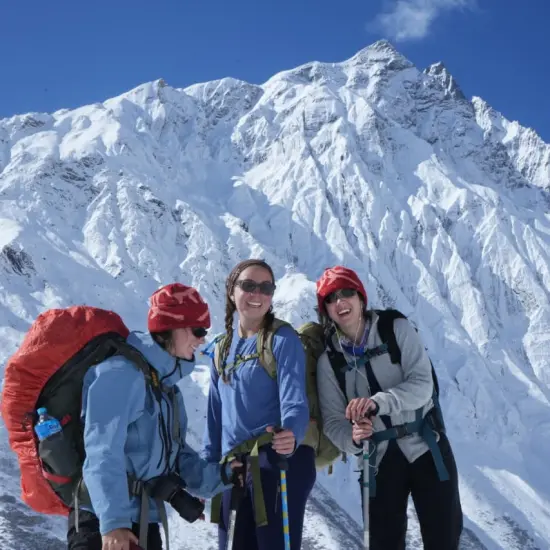
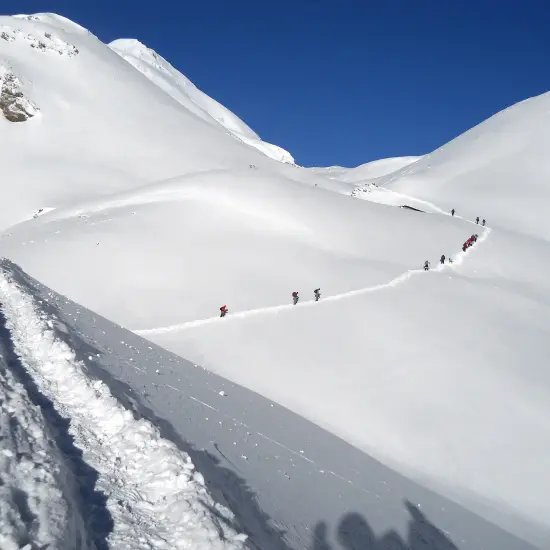
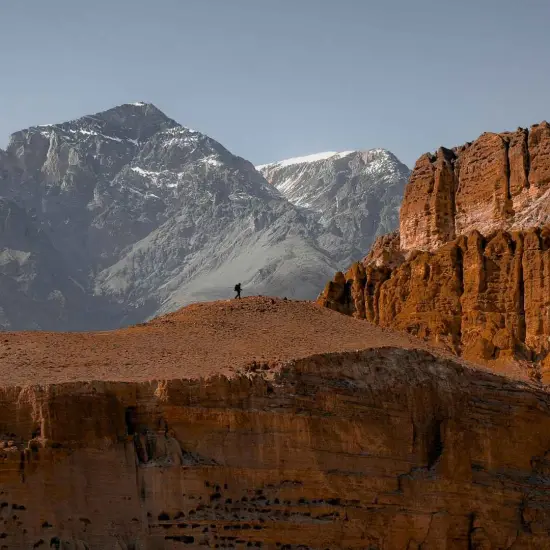
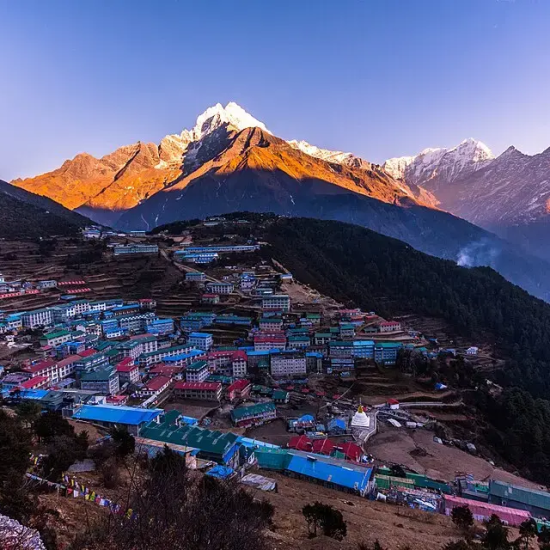
Photos from the Annapurna Base Camp Trek

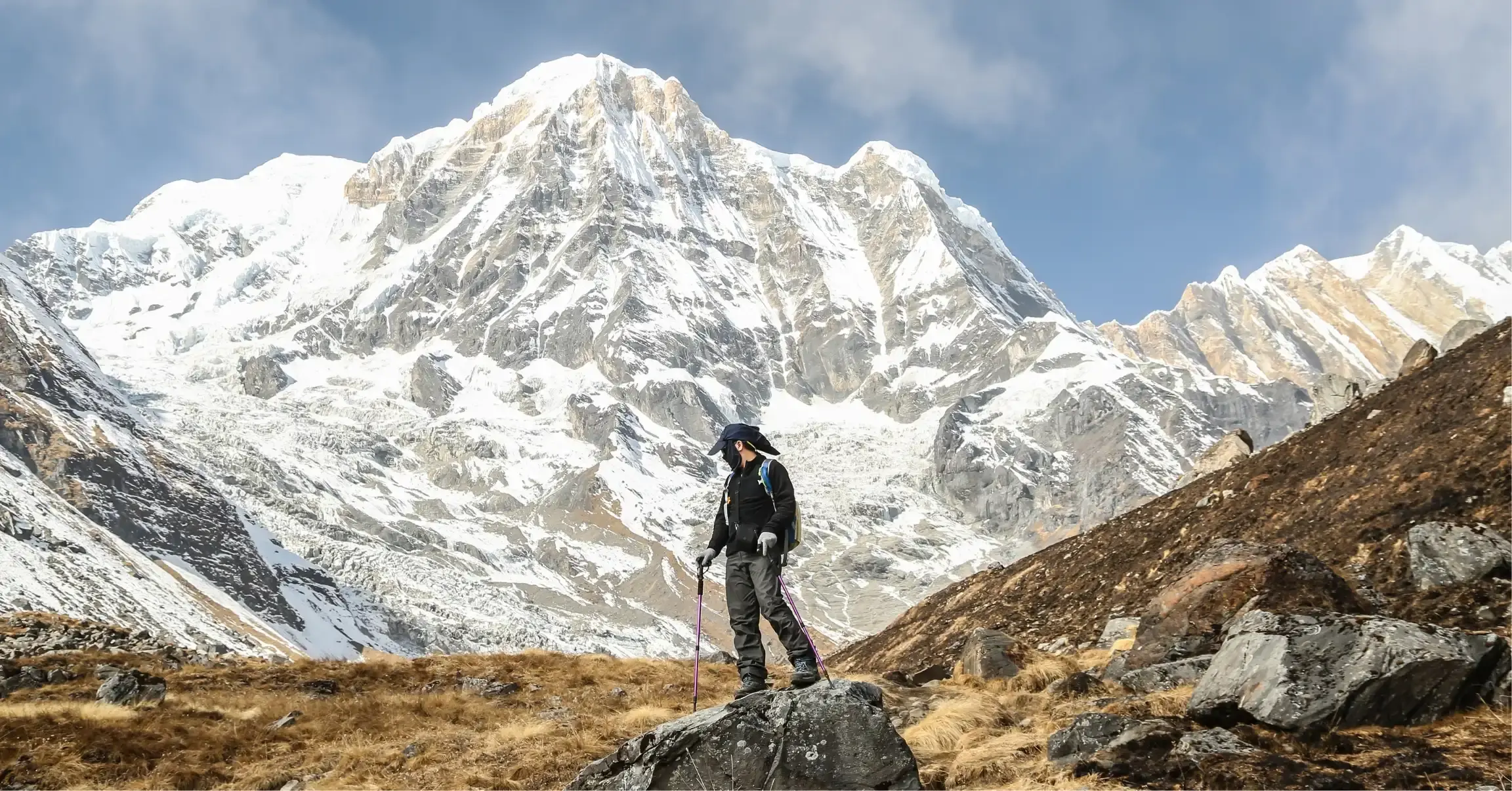
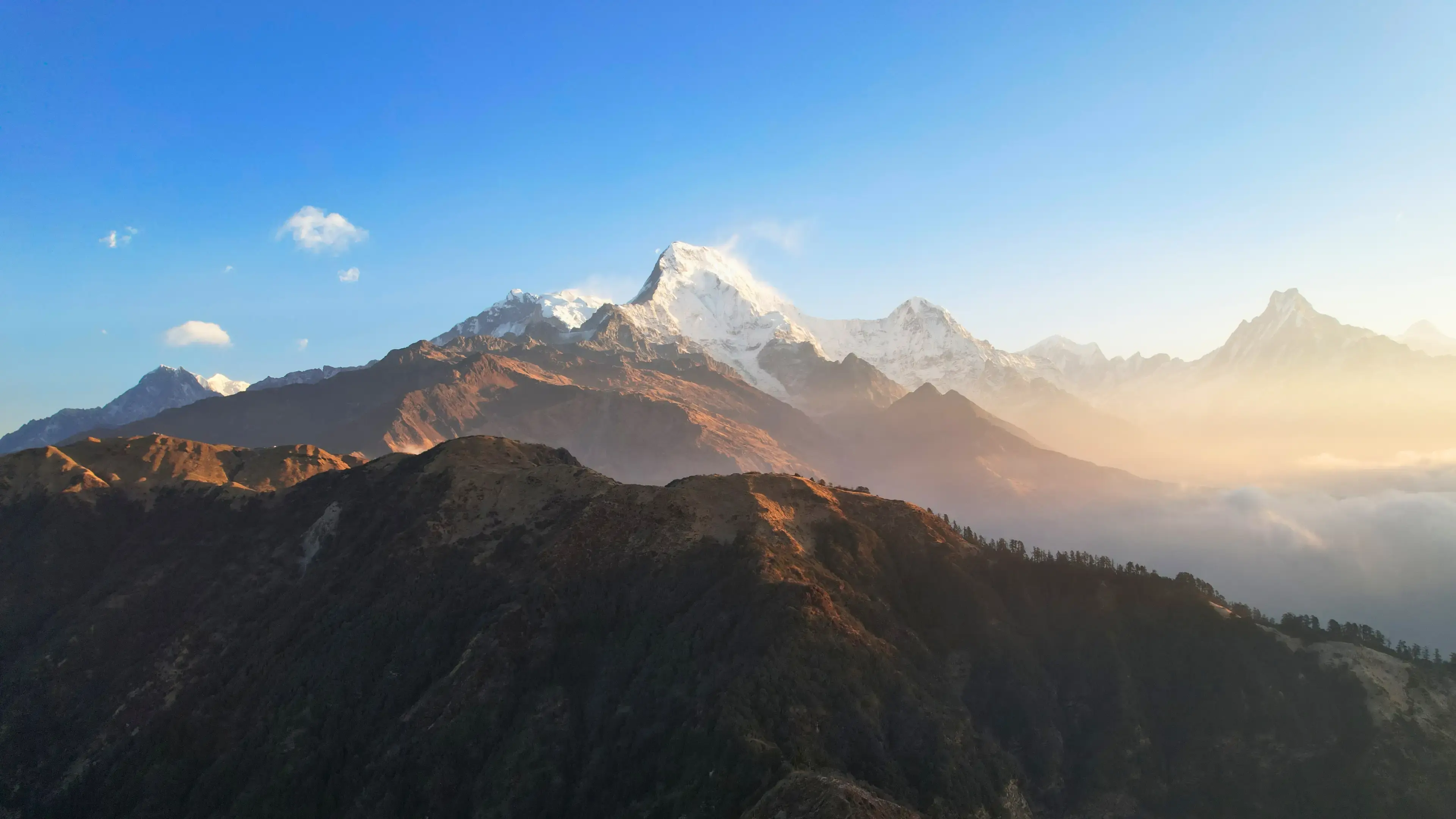
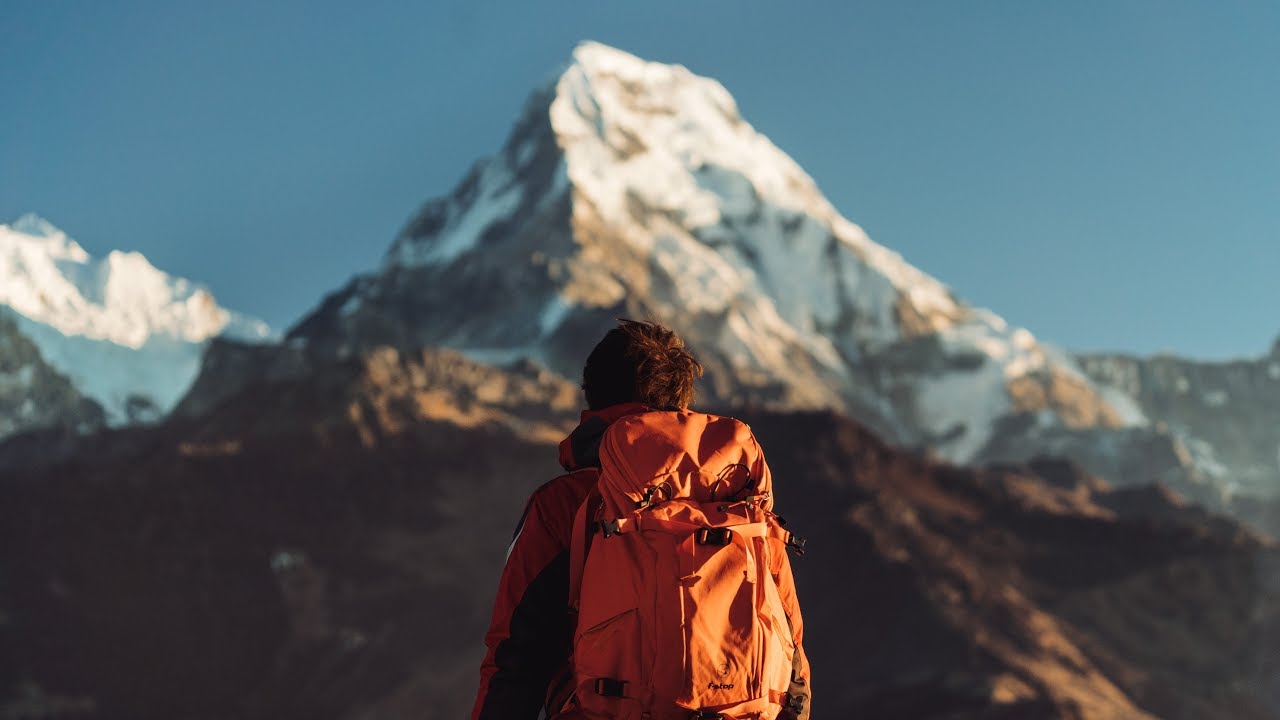
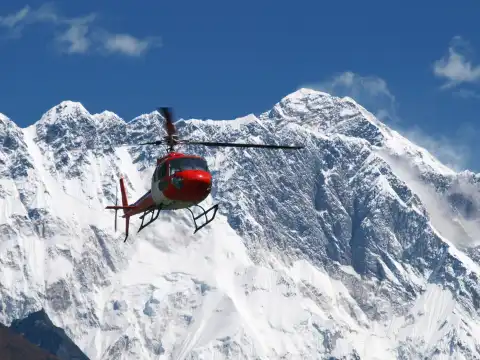
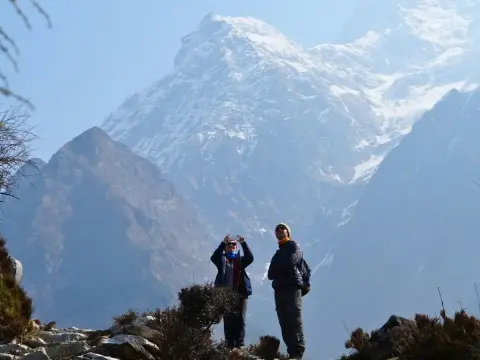
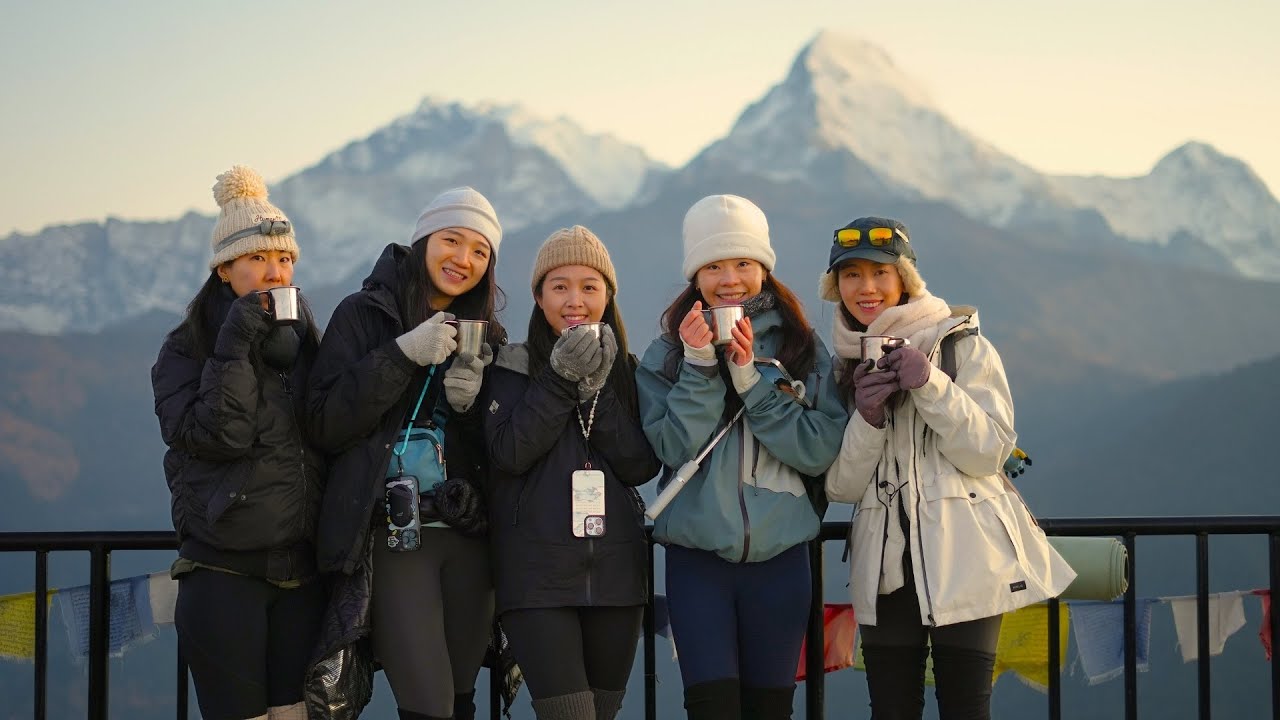
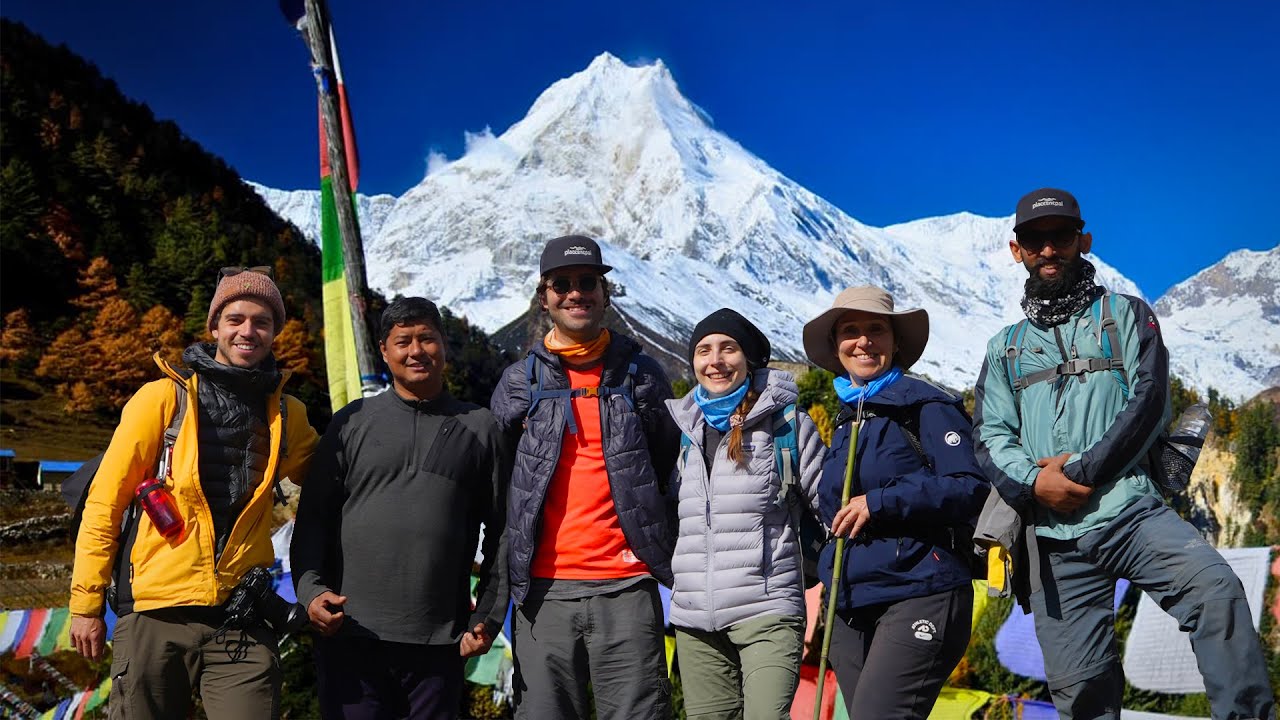
Unforgettable, up-close vistas of iconic peaks like Annapurna and Machhapuchhre.

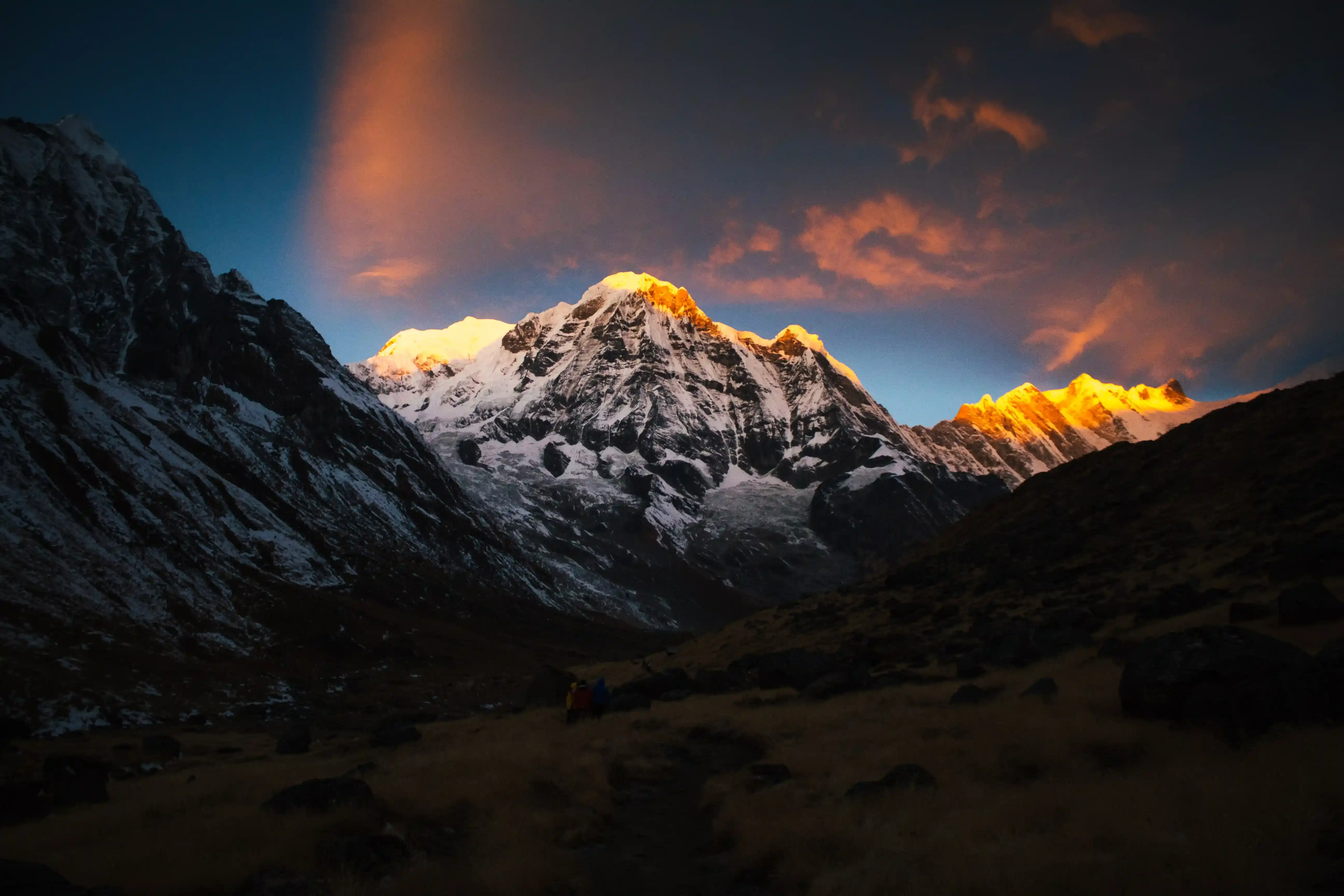
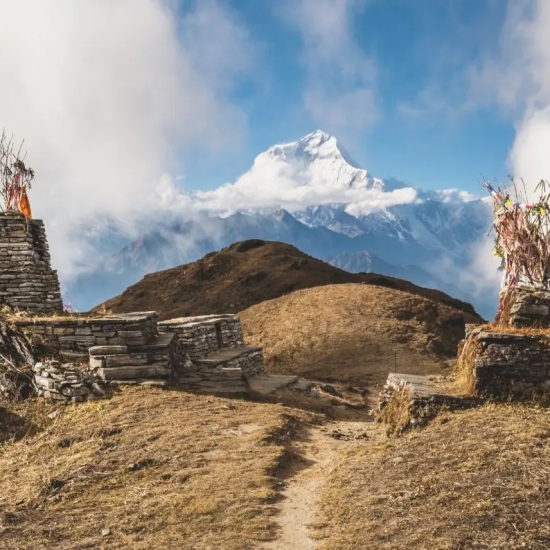
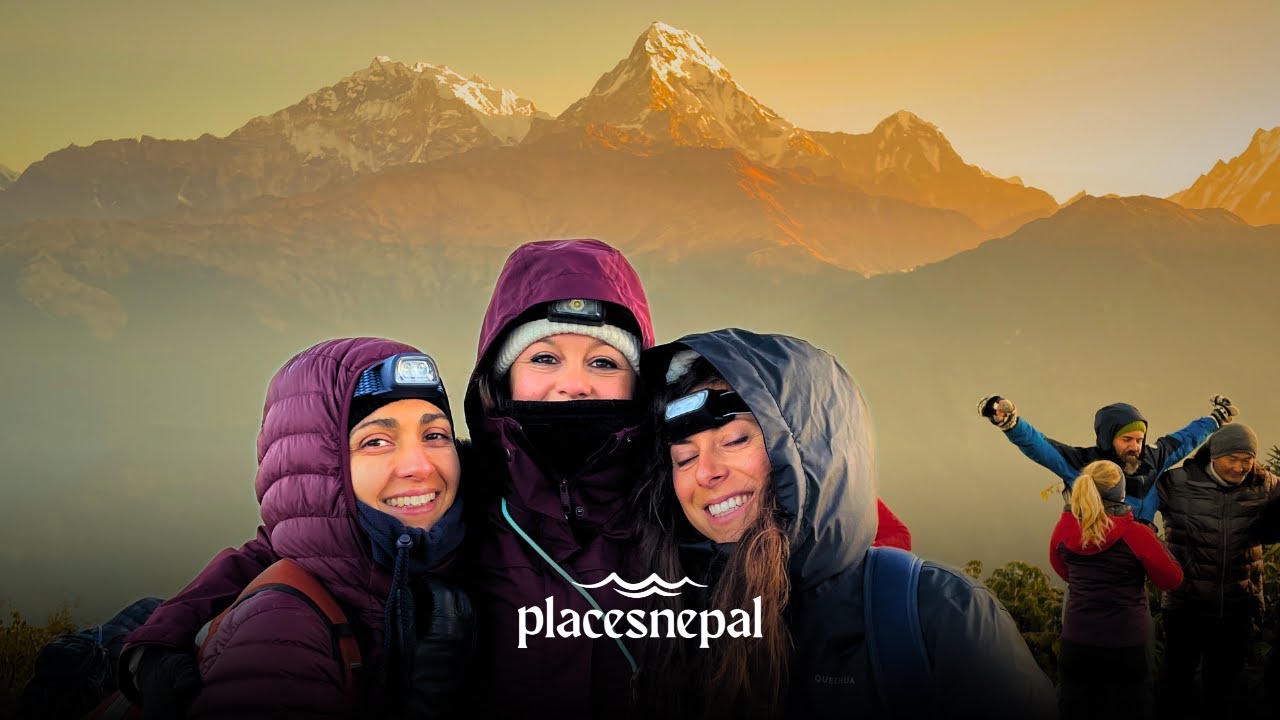
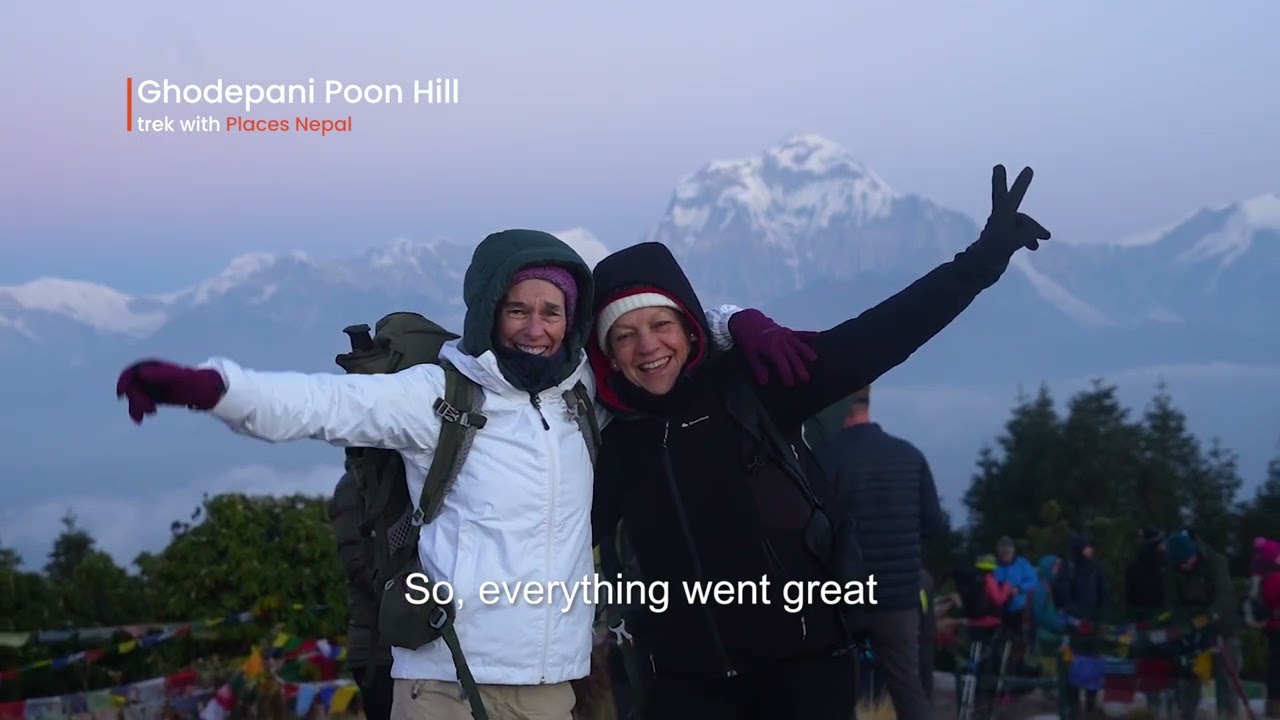
Witness breathtaking golden light illuminating the Annapurna and Dhaulagiri ranges.

Immerse yourself in the unique traditions and hospitality of local Gurung villages.

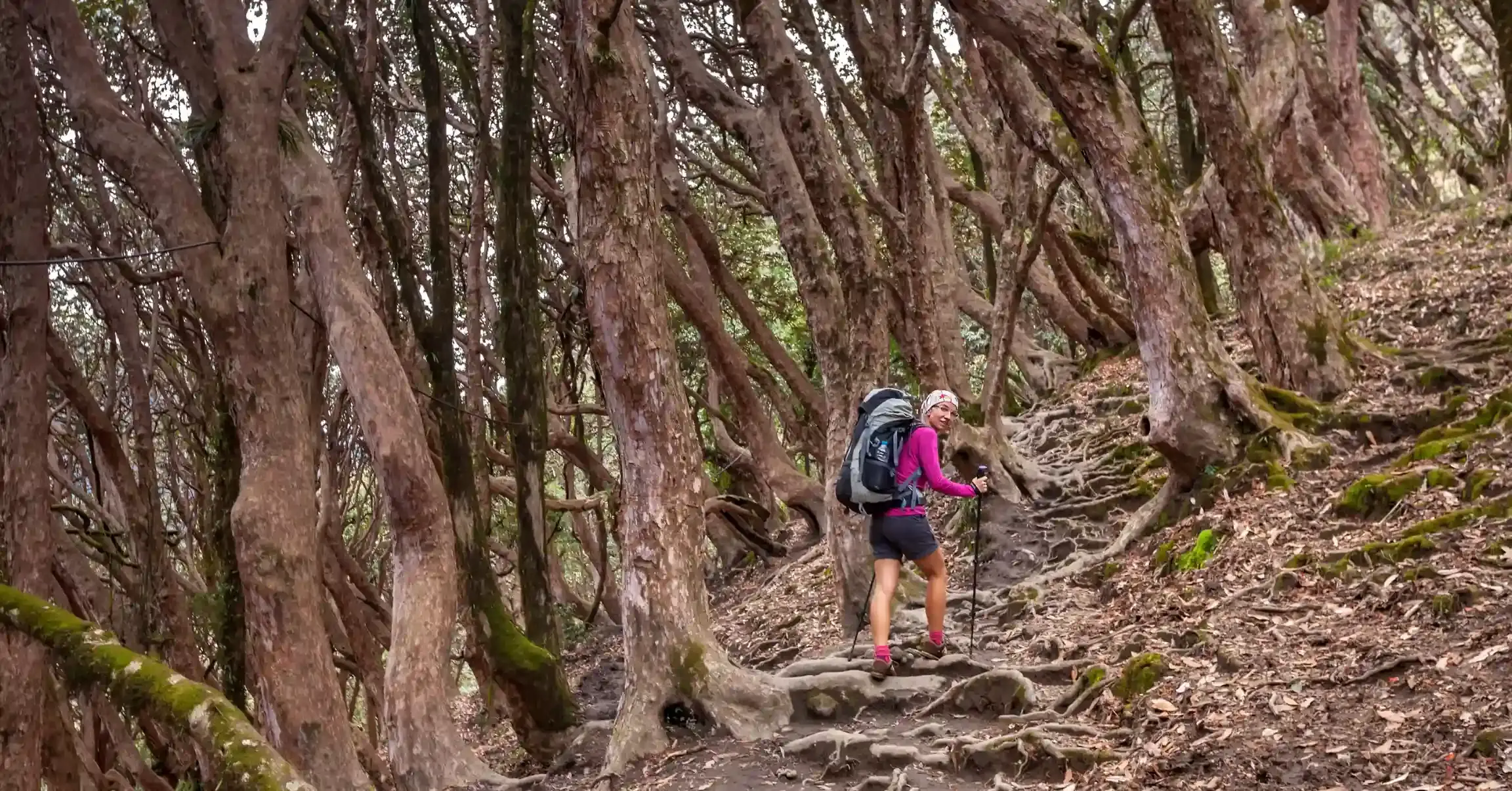
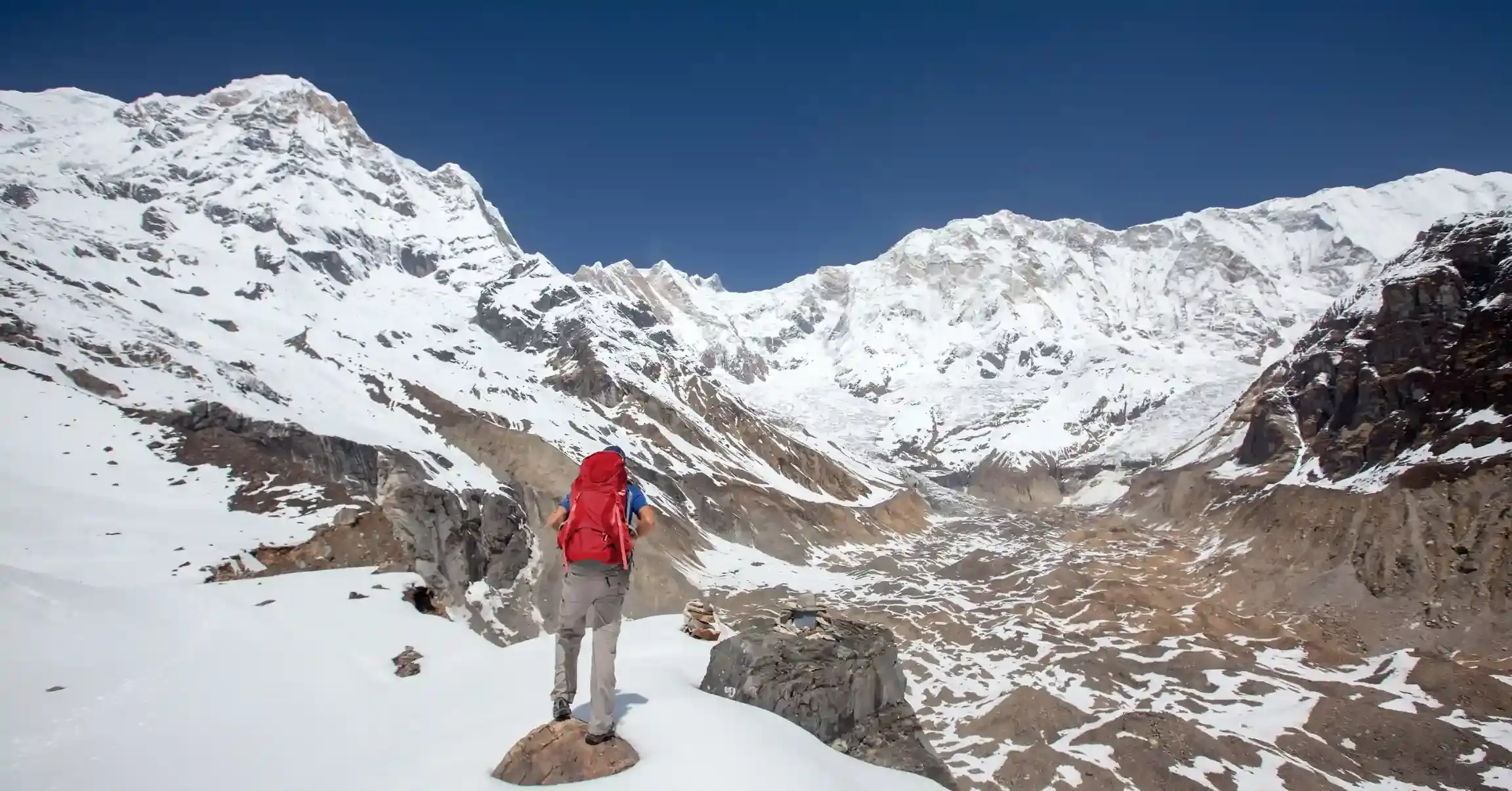
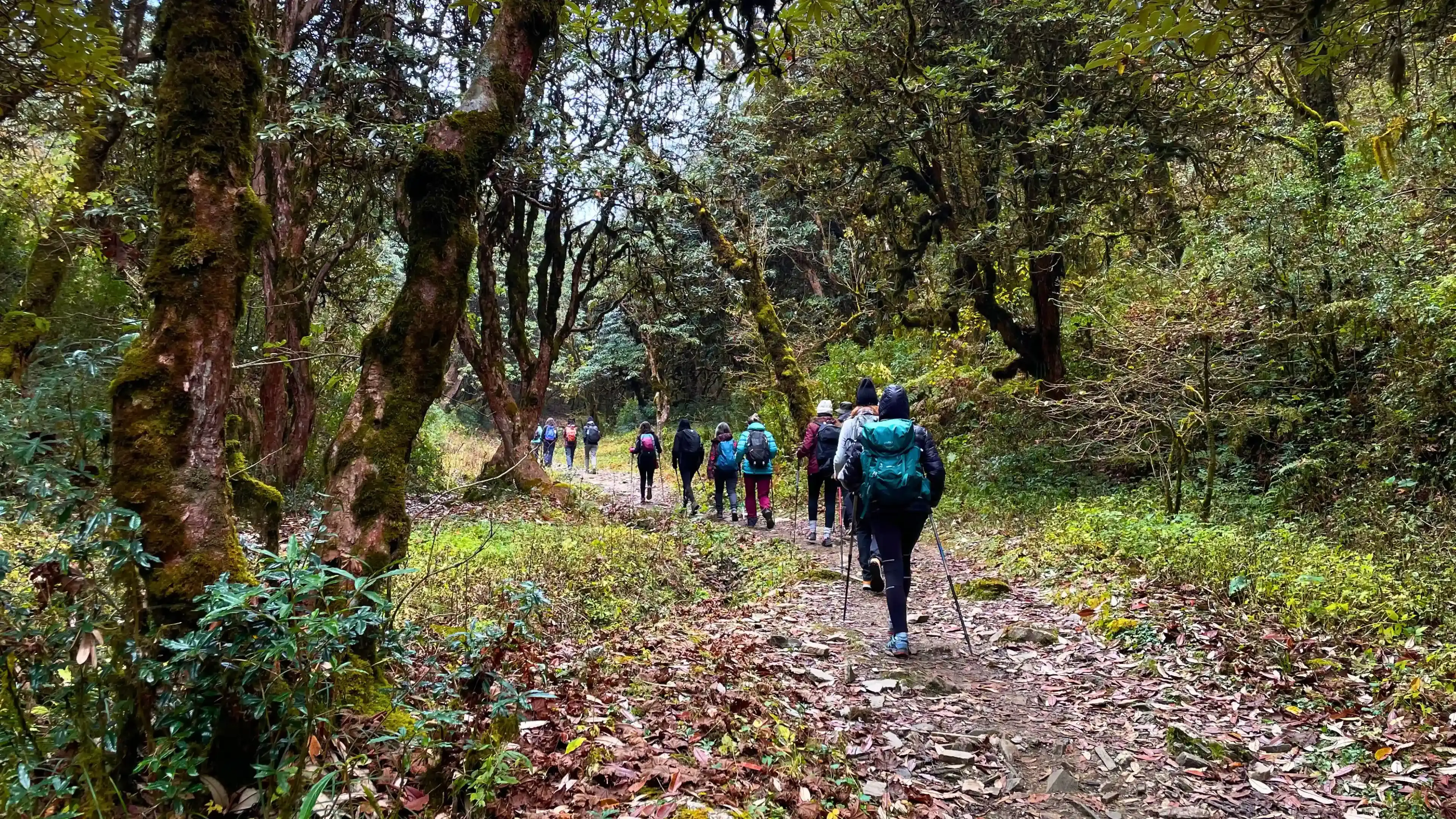
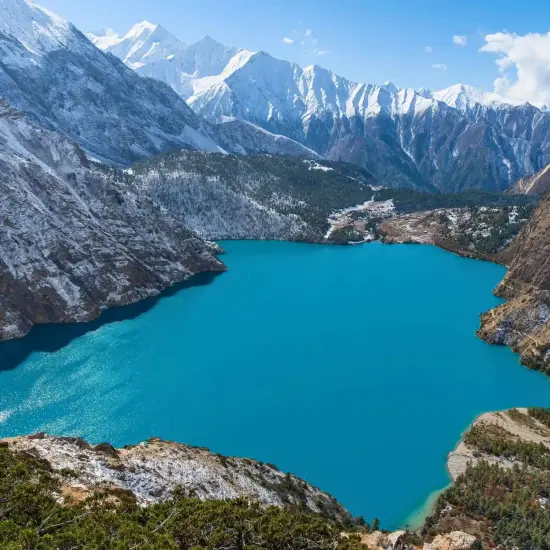
Experience a dramatic shift from lush forests to alpine landscapes and glacial terrain.

Key Information

Max. altitude

850 m / 2,789 ft

Altitude Loss

500 m / 1,640 ft

Accommodation

3-Star Hotel

Meals

Breakfast, Lunch
Kathmandu to Pokhara by Tourist bus (850m / 2789ft)
Duration 6–7 hrs bus
Distance ~200 km
Difficulty Easy (transit)
Sleep Lakeside Pokhara hotel

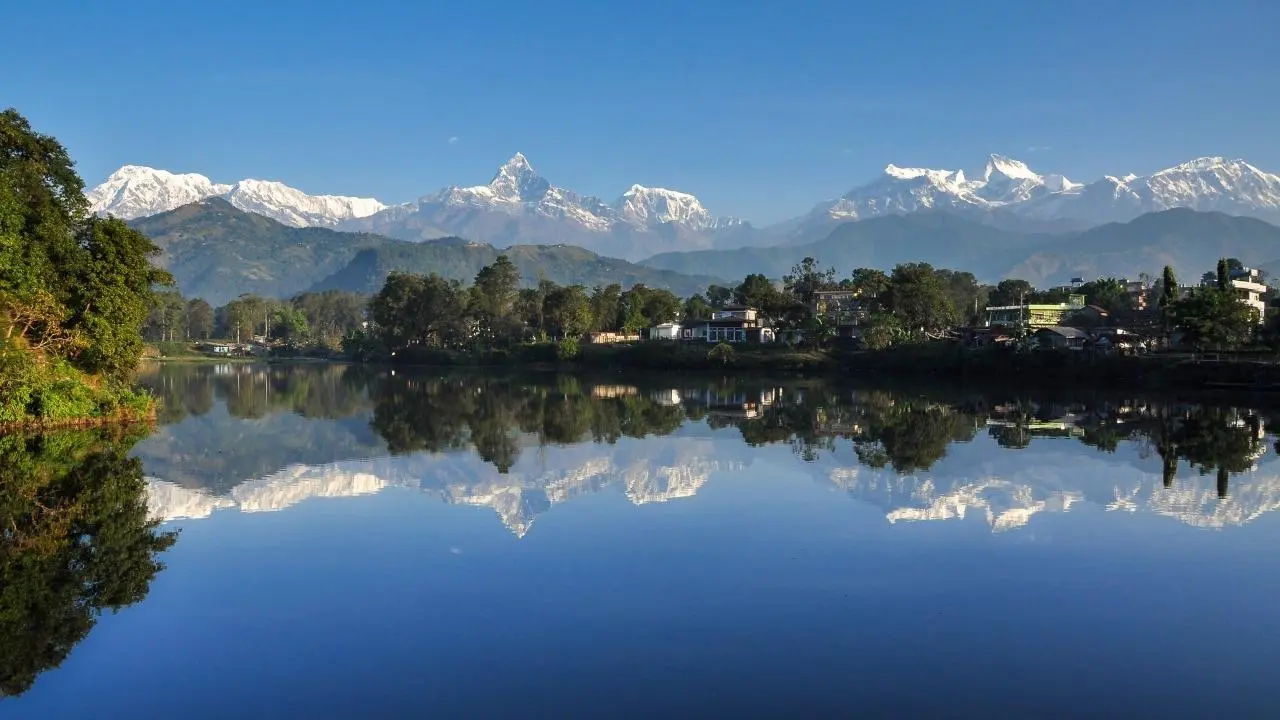
Your expedition opens with a scenic bus ride westward from Kathmandu, tracing the Prithvi Highway as it dips alongside the Trishuli and Marsyangdi rivers through Nepal's Middle Hills. By early afternoon, Pokhara's lakeside greets you — the Annapurna and Dhaulagiri massifs reflecting in the still water of Phewa Lake.

Spend the afternoon calibrating gear and resting. Lakeside restaurants offer everything from dal bhat to wood-fired pizza — eat well and sleep early.

Max. altitude

2,860 m / 9,383 ft

Altitude Gain

2,010 m / 6,594 ft

Accommodation

Tourist Standard Hotel

Meals

Breakfast
Duration: 5–6 hrs trekking
Distance ~9 km trail
Difficulty: Moderate
Sleep: Ghorepani teahouse

A jeep transfer from Pokhara reaches Nayapul and then Ulleri, where the real trekking begins. The trail wastes no time — over 3,000 hand-cut stone steps launch steeply upward through oak and rhododendron forest toward Ghorepani. This is the route's physical litmus test: nearly 800 vertical metres in a single sustained climb.

In late March and April, the forest transforms into a corridor of crimson and pink blooms. Ghorepani, perched on a ridge at 2,860m, rewards the effort with panoramic views of both the Annapurna and Dhaulagiri ranges and a warm teahouse dinner.

Max. altitude

2,650 m / 8,694 ft

Altitude Gain

350 m / 1,148 ft

Accommodation

Tourist Standard Hotel

Meals

Breakfast

4:30 am start required for Poon Hill. Pre-dawn temperature at 3,210m can reach −5°C — warm layers are essential.
Duration 6–7 hrs total
Distance ~11 km trail
Difficulty: Moderate
Sleep: Tadapani teahouse

The 4:30 am alarm is mandatory. A 45-minute climb in the dark reaches Poon Hill's viewpoint tower (3,210m), where a panorama sweeps from Dhaulagiri (8,167m) across the entire Annapurna massif — Annapurna I, South, Hiunchuli, the twin peaks of Tukuche, Nilgiri, and the unmistakable double-finned silhouette of Machhapuchhre (Fishtail).

After sunrise and breakfast back in Ghorepani, the trail continues east through moss-draped forest via Deurali, dropping eventually into Tadapani — a quieter ridge settlement with fewer crowds and great sunset views of the Annapurnas.

Max. altitude

2,170 m / 7,119 ft

Altitude Loss

480 m / 1,575 ft

Accommodation

Tourist Standard Hotel

Duration: 5–6 hrs
Distance ~10 km trail
Difficulty: Moderate
Sleep: Chhomrong teahouse

Today's trail descends through cool mixed forest into the Modi Khola valley before climbing to Chhomrong — the final well-supplied Gurung village before trekkers enter the protected Annapurna Sanctuary.

Chhomrong is positioned dramatically on a broad ridgeline with Annapurna South (7,219m) filling the northern sky and Machhapuchhre rising like a cathedral spire to the east. The village has reliable electricity, strong mobile coverage, a good selection of teahouses, and a functioning medical post.

This is the last opportunity to restock snacks, charge all devices, and confirm the layers needed for high altitude ahead. Alcohol is banned beyond this point.

Max. altitude

2,600 m / 8,530 ft

Altitude Gain

430 m / 1,411 ft

Accommodation

Tourist Standard Hotel

Meals

Breakfast

Duration 6–7 hrs
Distance ~12 km trail
Difficulty Moderate–Hard
Sleep Dobhan teahouse

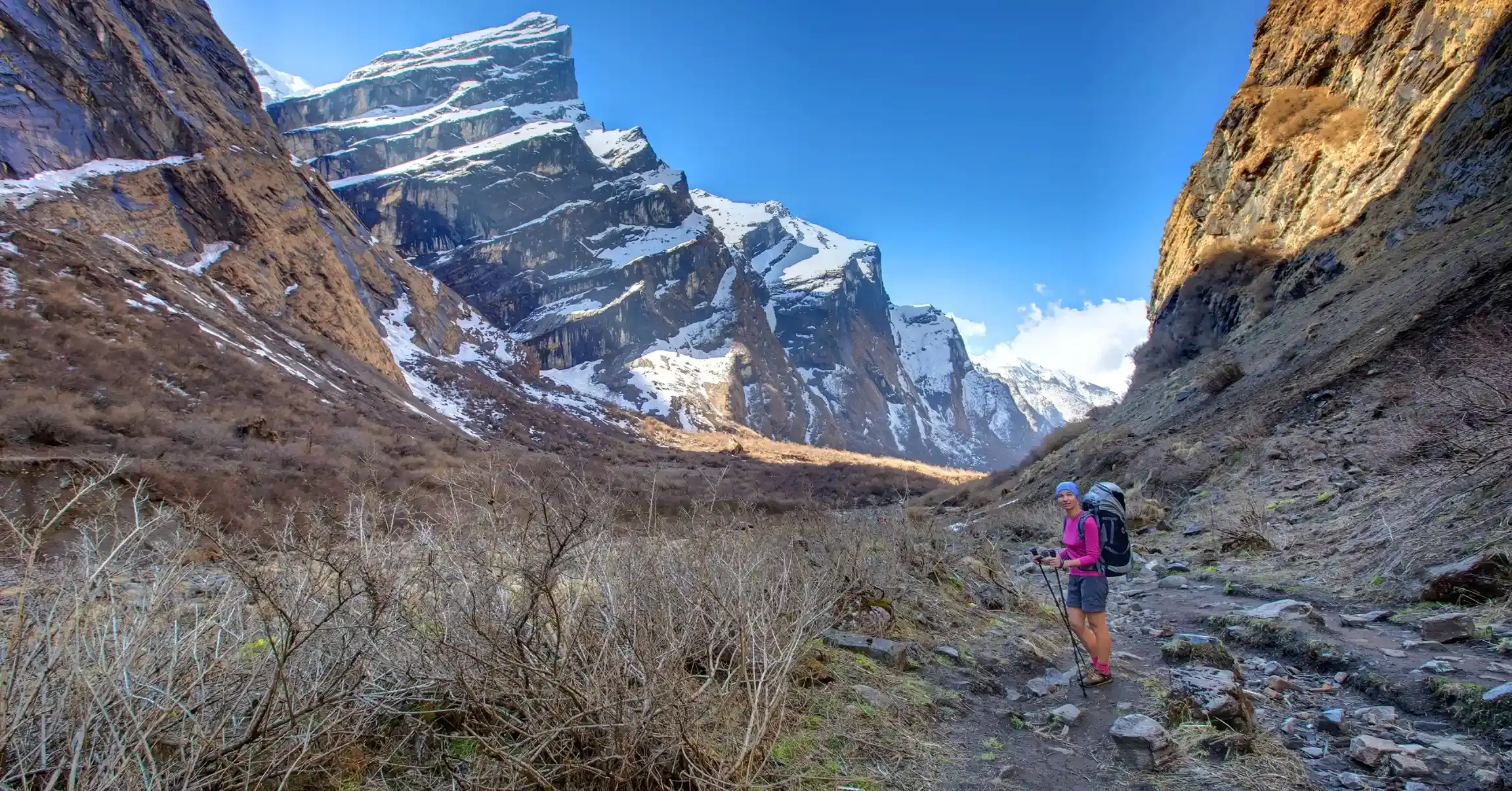
From Chhomrong the trail drops sharply via 2,000+ stone steps through Sinuwa to the Modi Khola river, then ascends back up through dense bamboo forest with waterfalls cutting the walls on both sides. The gorge narrows noticeably as you push deeper into the Sanctuary approach. Dobhan — meaning "confluence" in Nepali — sits at the junction of two streams surrounded by thick subtropical vegetation.

Above the treeline, glaciated ridges become visible for the first time. Wildlife activity peaks here: Himalayan tahr pick their way along cliff ledges, and the forest canopy holds langur monkeys, red pandas (occasional), and over 100 recorded bird species.

Max. altitude

4,130 m / 13,550 ft

Altitude Gain

1,530 m / 5,020 ft

Accommodation

Tea House

Meals

Breakfast
This is the highest point of the trek. AMS risk begins above 3,500m. Know the symptoms: persistent headache, nausea, loss of coordination. Descend immediately if symptoms appear — do not sleep higher if unwell.
Duration 7–9 hrs
Distance ~14 km trail
Difficulty Hard
Sleep ABC teahouse (4,130m)

The definitive day. From Dobhan the trail passes through Himalaya Hotel (2,890m) and Deurali (3,230m), where the vegetation thins and the gorge walls lean inward. A careful traverse through an active avalanche zone leads to Machhapuchhre Base Camp (3,700m) — where Fishtail's twin summits hang directly overhead.

Beyond MBC the landscape becomes lunar: no trees, no soil, just snow-dusted moraine and the creak of glacial ice. Then the Sanctuary opens. Annapurna Base Camp sits at 4,130m inside a natural amphitheatre enclosed by thirteen peaks above 6,000m. Annapurna I (8,091m) — 10th highest on Earth — stands directly north. Annapurna South, Hiunchuli, Gangapurna, Annapurna III, Khangsar Kang, and Machhapuchhre complete the ring. Aim to arrive before noon for clear skies.

Key tips & notes
  • Night temperatures at ABC can fall to −15°C or lower — a 4-season sleeping bag is essential, not optional
  • Never ascend with AMS symptoms; descent of even 300m relieves most symptoms within hours
  • Diamox (acetazolamide) can assist acclimatisation — consult a doctor before the trek
  • Sunrise from Base Camp with Annapurna I in full alpenglow is the defining image of this experience — set your alarm for 5:30am
  • The highest teahouses have limited menus; hot lemon and garlic soup are your best friends at altitude

Max. altitude

2,310 m / 7,579 ft

Altitude Gain

1,820 m / 5,971 ft

Accommodation

Tourist Standard Hotel

Meals

Breakfast

Duration 6–8 hrs
Distance ~16 km trail
Difficulty Moderate
Sleep Bamboo teahouse

After a final sunrise at the Sanctuary, the descent begins. The body responds well to dropping altitude, and the return pace surprises most trekkers — two days of climbing undone in one long, steady descent.

The route retraces through MBC, Deurali, Himalaya Hotel, and Dobhan before continuing down past waterfalls and through the bamboo corridor to the quiet clearing of Bamboo (2,310m).

The air thickens noticeably, breathing eases, and the subtropical heat returns. Knees absorb significant impact on extended stone-step descents — pace carefully, use poles, and listen to your joints.

Max. altitude

1,780 m / 5,840 ft

Altitude Loss

530 m / 1,739 ft

Accommodation

Tourist Standard Hotel

Meals

Breakfast

Duration 4–5 hrs
Distance ~9 km trail
Difficulty Easy–Moderate
Sleep Jhinu Danda teahouse

A shorter, deliberately relaxed descent through rhododendron and oak forest passes Sinuwa and Chhomrong before dropping to Jhinu Danda. The reward is immediate: a 20-minute scramble below the village leads to three riverside thermal pools fed by natural springs, with the Modi Khola rushing alongside and the gorge walls rising overhead. After eight days of accumulated vertical gain, altitude, and stone steps, these mineral-hot waters are the finest possible balm. Spend a long, unhurried afternoon soaking before Jhinu's well-stocked teahouses serve the best celebratory dal bhat of the entire trek.

Key tips & notes
  • Hot spring entry: NPR 200–300; bring swimsuit & flip-flops for the rocky 20-minute walk down
  • The path to the springs is steep and wet — take it slowly with any remaining pack weight
  • This is a deliberate recovery day — do not rush it
  • A full dal bhat tonight is tradition and nutrition; carb-load freely

Max. altitude

850 m / 2,789 ft

Altitude Loss

930 m / 3,051 ft

Accommodation

3-Star Hotel

Meals

Breakfast

Duration 2 hrs walk + 2 hrs jeep
Distance ~5 km walk + 80 km drive
Difficulty Easy
Sleep Pokhara lakeside hotel

A gentle final walk out of Jhinu Danda reaches the roadhead at Siwai or Kimche, where a pre-arranged jeep carries you back to Pokhara via Nayapul. Arriving by early afternoon, Pokhara's lakeside atmosphere — terraced cafes, mirror-still Phewa Lake, paragliders spiralling above the ridgeline — feels almost surreal after the Sanctuary.

The city has excellent sports massage studios (NPR 800–1,500), well-stocked outdoor shops, and some of Nepal's best restaurant variety. Celebrate deliberately. You've earned it.

Max. altitude

1,350 m / 4,429 ft

Altitude Gain

500 m / 1,640 ft

Accommodation

3-Star Hotel

Meals

Breakfast, Lunch & Dinner

Duration 6–7 hrs bus
Distance ~200 km 
Difficulty Easy (transit)
Sleep Kathmandu

The final chapter returns you to Kathmandu — by tourist bus departing around 7:00am along the Prithvi Highway.

In Kathmandu, Thamel provides the classic trekker's finale: craft markets, gear exchange shops, rooftop restaurants, and the universal ritual of comparing stories with fellow trekkers over cold Everest beer. 

Arriving in Nepal — airport pickup included
Tribhuvan International Airport (KTM) — Kathmandu
Nepal's only international gateway · 1,350m · All trekkers arrive here
The moment you land at KTM, the logistics are already taken care of. Our team will be waiting at the arrivals hall with your name — no need to hunt for taxis or figure out directions. You'll be transferred directly to your hotel in Thamel, where you'll rest up and attend the pre-trek briefing before heading to Pokhara the following morning.

When your trek ends, the same care applies in reverse — we'll drop you back to the airport from your Kathmandu hotel, on time and without the last-day stress of finding your own transfer.
Share your flight details when booking — we arrange the rest
Tribhuvan International Airport
KTM
6 km east of Thamel. Taxi to central Kathmandu takes 20–40 minutes. Our team meets you in the arrivals hall — no separate transfer needed.
Major airlines serving KTM
Connections
Qatar Airways, Turkish Airlines, Air India, IndiGo, and Singapore Airlines are the most common carriers. Most trekkers connect via Doha, Dubai, Istanbul, or Delhi.
From London
~9–10 hrs (1 stop)
From New York
~16–17 hrs (1 stop)
From Delhi
~1.5 hrs direct
Visa on arrival
Most nationalities
15-day visa
USD 30
30-day visa
USD 50
Pre-trek briefing — Thamel office, Kathmandu
Pre-departure briefing at our Thamel office
Held the evening you arrive in Kathmandu · Before your Day 1 bus departure
Before you hit the trail, you'll attend a pre-departure briefing at our office in Thamel. This is where the whole adventure clicks into place — you'll meet your guide face to face, get your gear signed off, and walk away with a clear picture of what lies ahead on the trail. Think of it as your last proper pit stop before the mountains. Come with questions.
Meet your trekking teamGuide introduction and team confirmation
Final gear checkVerify layers, boots, sleeping bag rating, and poles
Trail and altitude overviewDay-by-day route, key junctions, and AMS awareness
Weather and seasonal conditionsCurrent trail status and what to expect
Permit verificationTIMS and ACAP permits confirmed and in order
Next-morning logistics6:30 AM hotel pickup confirmed, bus station briefed
Day-by-day transport breakdown
DayRouteMode
Day 1Kathmandu → Pokhara1,350m → 850m · Pickup 6:30 AM from your hotelTourist bus + guide
Day 2Pokhara → Ulleri850m → 2,050m · Mountain road transferShared jeep
Day 9Jhinu Danda → Pokhara1,780m → 850m · Back to the lakesideShared jeep
Day 10Pokhara → Kathmandu850m → 1,350m · Hotel drop-off 5–6 PMTourist bus
Trek ends Day 10, 5–6 PM — your guide escorts you directly from the bus to your hotel in Kathmandu. Airport drop-off for onward flights is arranged separately; share your departure details when booking.
Kathmandu to Pokhara — your options
Included in package
Tourist bus
Prithvi Highway · with your guide
Pickup6:30 AM from hotel
Duration6–8 hours
Route highlightTrishuli River gorge
CostIncluded in package
Your guide meets you at your hotel at 6:30 AM and escorts you to the bus station. The Prithvi Highway winds alongside the Trishuli River through terraced hillsides — a scenic, relaxed introduction to Nepal's landscapes before the trek begins.
Domestic flight
Optional upgrade · extra cost
Duration~25 minutes
Cost~USD 130
AirlinesBuddha Air, Yeti
ViewsHimalayan aerial panorama
Available as an upgrade if you prefer speed over the scenic road journey. Weather-dependent — mountain flights are frequently delayed or cancelled by cloud cover. Always keep a buffer day in Kathmandu if flying before your trek start.
Mountain flights operate under visual conditions and can be cancelled at short notice due to cloud cover, particularly during shoulder seasons. The tourist bus is the more reliable option and is included in your package — the flight is strictly an optional upgrade.
Permit checkpoint — Birethanti
ACAP entry checkpoint at Birethanti
Mandatory permit stop before the trail begins
The official Annapurna Conservation Area entry checkpoint is at Birethanti, just beyond Nayapul. Both your ACAP permit and TIMS card are stamped here before you begin climbing toward Ulleri. Your guide handles the checkpoint process — just have your permits and passport accessible. There are multiple further checkpoints throughout the Sanctuary; permits are checked at each one.
Practical tips
Share your arrival flight details at the time of booking so our airport pickup team can be there when you land — no waiting, no confusion
Arrive in Kathmandu at least one full day before the Day 1 bus departure — jet lag, delayed luggage, or a late flight can throw off an early 6:30 AM pickup
Nepal Tourist Visa is available on arrival at KTM for most nationalities — bring USD 30 (15 days) or USD 50 (30 days) in cash, or pay by card
Use the Thamel briefing evening to buy or rent any missing gear — the area has excellent outdoor shops within walking distance of most guesthouses
The jeep ride to Ulleri on Day 2 takes 1.5–2 hours on mountain roads — keep your day pack accessible; main bags go in the roof rack or boot
For the return on Day 10, share your Kathmandu departure flight details with your guide — hotel drop-off and airport transfer timing will be planned around it
Annapurna Base Camp Trek
Elevation Chart
Day 1
3- Star Hotel in Pokhara
Breakfast
Lunch
Dinner
Day 2-8
Teahouses
Breakfast
Lunch
Dinner
Day 9
3- Star Hotel in Pokhara
Breakfast
Lunch
Dinner
Day 10
Tourist bus transfer
Breakfast
Lunch
Dinner

What is the Food Like on the Annapurna Base Camp Trek?

One of the best parts of trekking in the Himalayas is enjoying the warm, hearty meals that greet you after a long day on the trail. With Places Nepal Treks, you won’t have to worry about food—we’ve got you covered with three meals a day (breakfast, lunch, and dinner) throughout your Annapurna Base Camp journey. You’ll also enjoy a traditional welcome dinner in Kathmandu and a farewell dinner before you depart, adding a flavorful bookend to your Himalayan adventure.

Meals in Kathmandu and Pokhara

In Kathmandu, we host you for a delicious farewell dinner at a handpicked local restaurant on your final night, featuring authentic Nepali cuisine and a chance to celebrate with your trekking team.

In Pokhara, your hotel provides breakfast, while lunch and dinner are open for you to explore. This gives you the freedom to sample Pokhara’s vibrant Lakeside food scene, which offers everything from dal bhat and momos to wood-fired pizzas, Korean BBQ, vegan dishes, and more.

Food on the Trek: Fresh, Filling & Local

Throughout the Annapurna Base Camp trek, you'll stay in mountain teahouses that serve home-cooked meals made from locally sourced ingredients. The menus are simple, healthy, and tailored to keep you energized at high altitudes.

Breakfast May Include:
  • Tibetan bread, chapati, or toast with jam, butter, or honey
  • Eggs (boiled, scrambled, or omelette)
  • Porridge, pancakes, muesli, or cornflakes
  • One cup of hot tea (black, ginger, lemon, or milk tea)
Lunch & Dinner Options:
  • Dal Bhat: Nepal’s national dish—lentil soup, rice, veggies, and pickles (with free refills!)
  • Vegetable fried noodles or chow mein
  • Momos (dumplings with veggie or meat fillings)
  • Pasta, macaroni, spaghetti, and sometimes thin-crust pizza
  • Garlic soup, potato dishes, stir-fried greens, or seasonal veggie curries

Important Food & Drink Tips

  • Three full meals daily during the trek are included. You're welcome to order extra snacks or items at your own cost.
  • One hot drink with breakfast is included. Additional drinks like coffee, soft drinks, herbal teas, bottled juices, or alcoholic beverages are not included but are available for purchase at teahouses.
  • We recommend avoiding meat after Chhomrong. Meat is carried up unrefrigerated, and freshness cannot be guaranteed—plus, digestion becomes harder at higher altitudes.
  • Clean drinking water is essential. You can buy boiled or filtered water at every teahouse. We encourage you to bring a reusable bottle and water purification tablets or a filter to stay safe and reduce plastic use.
  • Nepal is a very vegetarian-friendly country. Almost all teahouses offer plant-based meal options, and many are happy to accommodate vegan or gluten-free diets if notified in advance.

What is the Accommodation Like on the Annapurna Base Camp Trek?

Pokhara:

You'll spend two nights at a 3-star hotel in Pokhara (before & after trek), known for its clean, comfortable, and centrally located rooms. Twin-sharing accommodation allows you to relax and rejuvenate near Lakeside with modern comforts.

Accommodation During the Trek:

During the Annapurna Base Camp Trek, you’ll stay in local teahouses (mountain guesthouses). These offer basic but clean twin-sharing rooms with a bed, mattress, blanket, and pillow. Most have a shared dining hall where trekkers gather to warm up and eat.

Bathrooms vary by location:
  • At lower altitudes, many teahouses offer hot showers and Western-style toilets
  • At higher elevations, facilities are simpler with squat toilets and limited hot water
Wi-Fi & Charging:
  • Most teahouses offer Wi-Fi and charging points for a fee
  • It’s a good idea to bring a power bank or solar charger, especially for higher-altitude areas

Hotel Upgrades & Extras

Want a little more luxury?

We offer optional hotel upgrades in Pokhara and can arrange private single rooms during the trek for an additional cost (subject to availability). Just let us know while booking.

Kathmandu Hotel Booking

Need accommodation in Kathmandu?

Your stay in Kathmandu is not included in this package. However, we’re happy to assist you in finding high-quality accommodation that matches your budget and comfort preferences—from budget hostels to boutique and luxury hotels near Thamel.

Overall Rating — Moderate

The Annapurna Base Camp Trek sits in the Moderate category on the Places Nepal difficulty scale — the right level of challenge for trekkers who are ready to push themselves without stepping into genuinely demanding high-altitude territory.

Here is how all four ratings compare and where ABC fits —

Easy Short, low-altitude trails with minimal elevation gain and well-developed infrastructure throughout. Best example from our range — Short Ghorepani Poon Hill Trek (3,210m). Suitable for all fitness levels with little preparation required.

Moderate — ABC Trek sits here Multi-day trails with steady elevation gain, long daily hiking hours of 4 to 7 hours, and high-altitude exposure up to 4,130 meters. Requires solid preparation and a reasonable fitness base but no prior trekking experience. The Annapurna Base Camp Trek is the ideal entry point into serious Himalayan trekking.

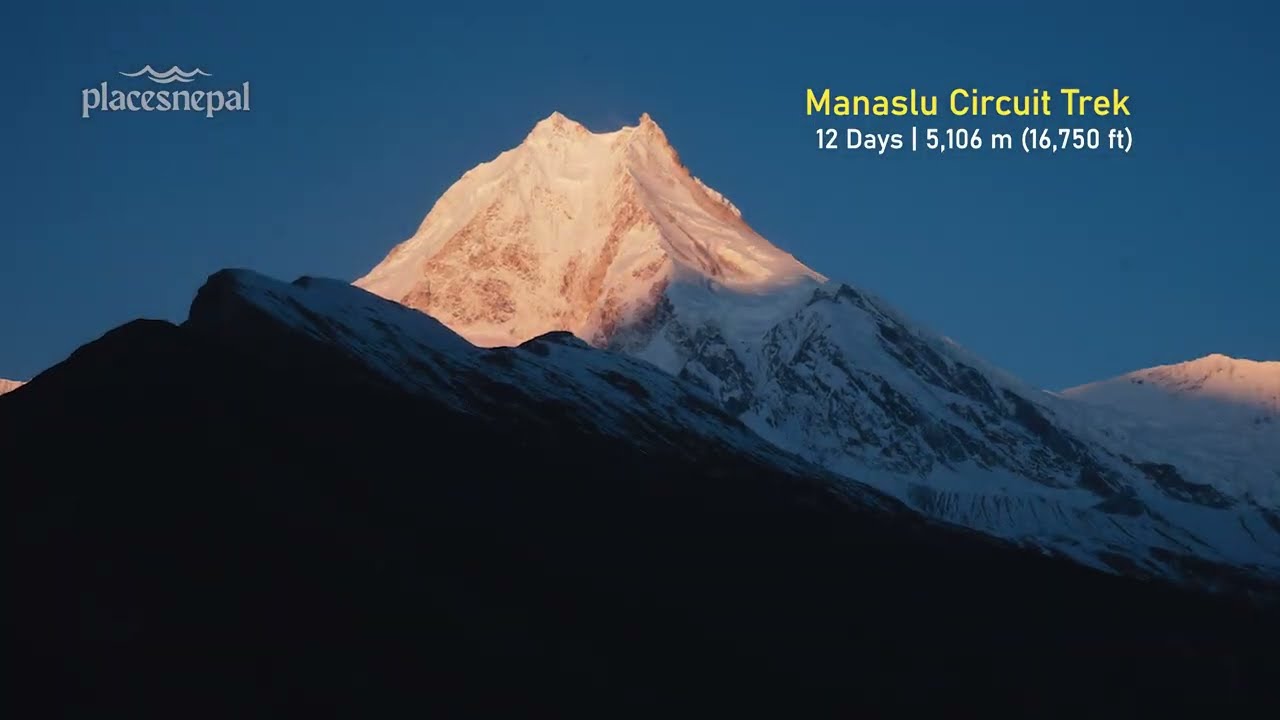
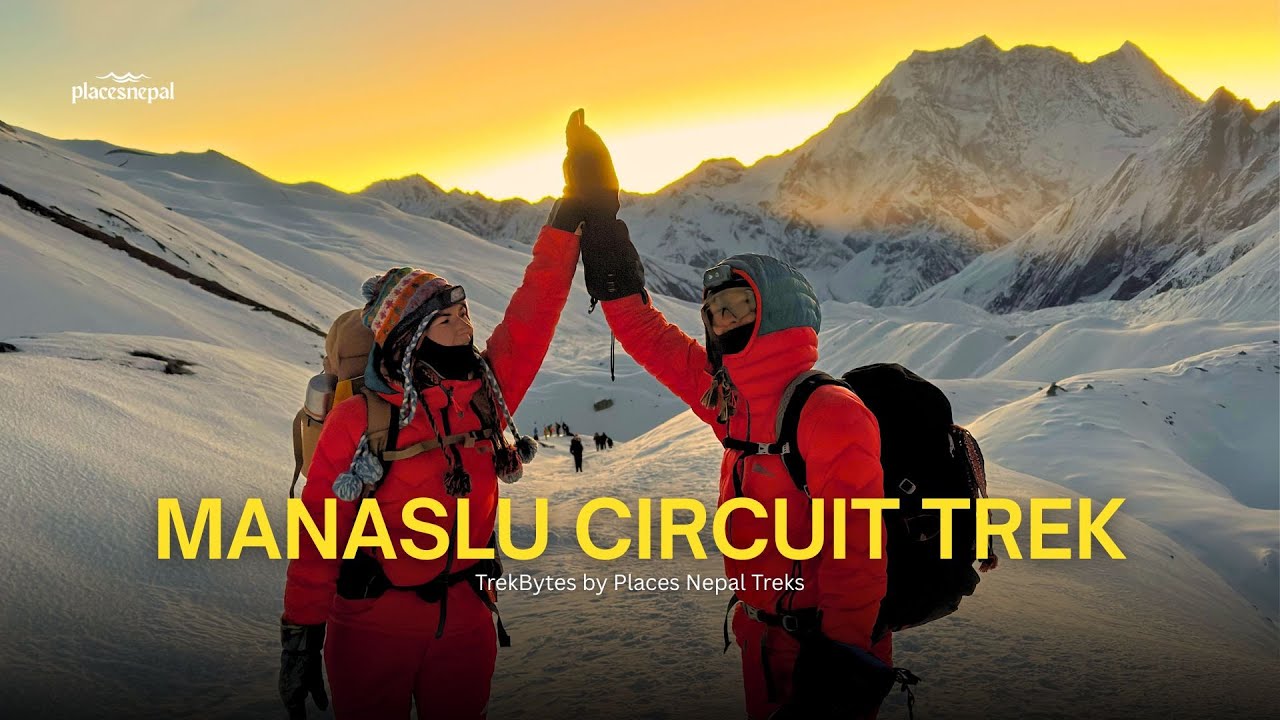
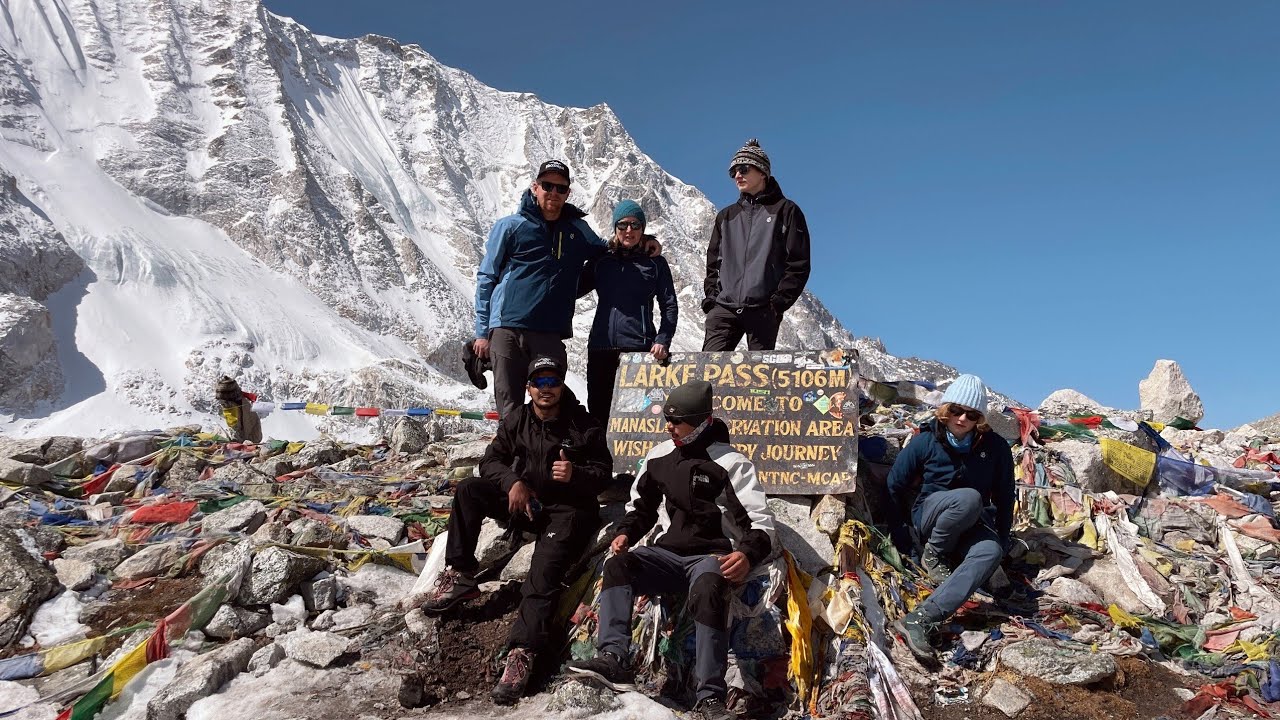
Challenging Longer and more remote routes with significant altitude, technical terrain, and demanding daily distances. Example from our range — Manaslu Circuit Trek (5,106m). Requires prior trekking experience and strong physical conditioning.

Tough Remote, high-altitude expeditions with technical sections, extreme weather exposure, and multi-week commitments. Example — Kanchenjunga Circuit Trek. Reserved for experienced trekkers with proven high-altitude capability.

Weather on the Annapurna Base Camp (ABC) Trek changes significantly with the seasons, creating unique experiences throughout the year. Each season offers its own set of conditions, benefits, and challenges.

Spring (March to May) is one of the best times to trek to ABC. The weather is generally mild and stable, with warm temperatures at lower elevations and cooler air as you climb higher. Skies are often clear, revealing sweeping views of snow-capped peaks. This season is also famous for its vibrant rhododendron blooms, which add bursts of color to the trails. Occasional afternoon showers can occur, so it’s wise to pack a light rain jacket.

Autumn (September to November) is the most popular trekking season. After the monsoon rains, the air is crisp and clear, offering some of the best mountain views of the year. Temperatures are moderate, making for comfortable trekking conditions. The landscape is lush and green from the recent rains, and the visibility is typically excellent throughout the day. While evenings at higher altitudes can be chilly, the overall conditions are ideal for most trekkers.

Summer/Monsoon (June to August) brings heavy rainfall to the Annapurna region. Trails can become muddy and slippery, and the risk of landslides increases in some areas. Clouds often obscure the mountains, and humidity is high at lower elevations. However, the forests and valleys are at their greenest, and the trails are much quieter. For experienced trekkers prepared for wet conditions, this season offers solitude and lush beauty.

Winter (December to February) is the coldest time for the ABC trek. Temperatures can drop significantly, especially above 3,000 meters, and snowfall is common at higher elevations. Some sections of the trail may become icy or impassable. That said, the snow-draped mountains and quiet trails provide a magical winter experience for those with proper cold-weather gear and a sense of adventure. ⒤ Learn more about winter trek to ABC here.

  • Airport pick-up & drop-off in Kathmandu
  • Experienced local trekking guide
  • All ground transport (Kathmandu–Pokhara–trek points)
  • 3 meals a day during the trek (B/L/D)
  • Teahouse accommodation on twin-sharing basis
  • 2 nights 3-star hotel in Pokhara
  • Staff insurance for safety
  • Trekking map, duffel bag, hat & completion certificate
  • First aid kit & oximeter for altitude safety
  • All permits (ACAP & TIMS) included
  • International flights to/from Nepal
  • Nepal visa fees
  • Personal travel insurance (mandatory)
  • Kathmandu hotel (available on request)
  • Porter service (USD 250)
  • Personal trekking gear (clothing, footwear, etc.)
  • Drinks (bottled water, soft & alcoholic beverages)
  • Extra snacks beyond included meals
  • Hot shower fees during the trek
  • Tips for guide & porter.
  • Training for the Annapurna Base Camp (ABC) Trek is essential to ensure you’re physically prepared for the altitude, long trekking days, and elevation changes. A focused fitness plan will help build the stamina, strength, and endurance needed for this rewarding Himalayan journey.

    Start your training at least two to three months before your trek. Prioritize cardiovascular exercises such as hiking, jogging, cycling, or swimming to improve your lung capacity and help your body perform efficiently at higher altitudes. Gradually increase both the intensity and duration of your workouts.

    Include hill training and stair climbing in your routine to prepare your legs for the trek’s frequent ascents and descents. Complement this with leg and core strength exercises like squats, lunges, calf raises, and planks to build stability and reduce the risk of fatigue or injury on uneven trails.

    Equally important is practicing hiking with a loaded backpack. Start with short hikes and increase the distance and weight over time. This will help condition your muscles, break in your trekking boots, and simulate the physical demands of actual trekking.

    To improve flexibility and balance, add yoga or stretching routines, which can enhance recovery and help prevent injuries on the trail.

    While altitude sickness can affect even the fittest trekkers, being in excellent physical condition supports smoother acclimatization. Most importantly, train consistently, listen to your body, and seek medical advice before starting any new fitness program to ensure you’re well-prepared for your adventure to Annapurna Base Camp.

    A quick note on bag weight —

    • Without a porter — your backpack should not exceed 12 kg total
    • With a porter — bring a 30 to 40 liter daypack for your daily trail essentials. Your remaining belongings go to the porter with a maximum of 10 kg per person — two trekkers sharing one porter adds up to 20 kg total
    • Places Nepal provides a duffel bag for every trekker — use it for your porter load and keep your daypack light on the trail

    General Gear

    • Daypack (30 to 40 liters) if using porter service — or a full trekking backpack (50 to 60 liters) if going without
    • Sleeping bag rated to -10°C or lower — teahouse blankets at MBC and ABC are thin
    • Trekking poles — especially valuable on steep descents around Chhomrong and Dobhan
    • Headlamp with extra batteries
    • Sunglasses with UV protection
    • Reusable water bottle (1 liter minimum) and water purification tablets
    • Portable power bank for charging on the trail
  • Moisture-wicking base layers (top and bottom) — at least 2 sets
  • Warm fleece or mid-layer jacket
  • Down jacket for higher elevations — essential above Chhomrong
  • Waterproof and windproof outer shell jacket
  • Waterproof trekking pants
  • Lightweight trekking trousers — 2 pairs
  • Shorts for warmer lower trail days
  • Warm hat and sun hat
  • Buff or neck gaiter
  • Lightweight camp clothes for teahouse evenings
  • Sturdy waterproof trekking boots with ankle support — always bring broken-in boots from home, never rent footwear
  • Camp sandals or lightweight shoes for evenings
  • Thick wool or thermal trekking socks — bring at least 4 to 5 pairs
  • Liner socks to prevent blisters
  • Warm waterproof gloves
  • Lightweight liner gloves for milder days
  • Biodegradable soap and shampoo — important inside the conservation area
  • Toothbrush and toothpaste
  • Microfibre towel — teahouses rarely provide them
  • Wet wipes and hand sanitizer for days without shower access
  • High SPF sunscreen (SPF 50 or above) — UV exposure increases significantly at altitude
  • Lip balm with SPF
  • Toilet paper and small ziplock bags for waste
  • Feminine hygiene products if needed — not reliably available on the trail
  • Personal prescription medications
  • Diamox (Acetazolamide) for altitude sickness — consult your doctor before the trek
  • Ibuprofen and paracetamol for headaches and pain
  • Blister plasters and moleskin
  • Rehydration salts and electrolyte sachets
  • Antihistamines and antibiotic cream
  • Bandages, gauze, and medical tape
  • Anti-diarrhea medication
  • Hand warmers for cold nights at higher camps
  • Passport copy and travel insurance policy
  • Emergency contact details in printed form
  • Nepalese Rupees cash — budget $200 to $300 USD for personal expenses, no ATMs on the trail
  • Snacks — energy bars, nuts, dried fruit, and chocolate for long trail days
  • Ziplock bags to keep electronics and documents dry
  • Small padlock for teahouse room security
  • Lightweight dry bags for rain protection inside your pack
  • Camera or GoPro — you will want it at Poon Hill and ABC
  • Twelve days, countless memories

    From the terraced rice fields to the glacier views at base camp, the full 12-day trek gave us time to soak it all in. Our guide Manoj from Places Nepal was exceptional — always smiling, always one step ahead. We danced with locals in Jhinu Danda, bathed in hot springs, and watched the sun rise over Annapurna I. This wasn’t just a trek — it was a journey through heart and soul.

    C
    Charlotte Wallace
    Denmark

    Slow and steady, and totally unforgettable.

    The 12-day Annapurna Base Camp Trek allowed us to acclimate, explore, and deeply connect with the villages along the way. Thanks to Places Nepal, we didn’t feel rushed — we felt immersed. Our guide Kapil shared folk tales around the fireplace and helped me carry my backpack when I was struggling. When we finally reached base camp at sunrise, I cried. I had made it — and I wasn’t alone.

    E
    Ella Crawford
    Australia

    12 days of pure mountain bliss!

    We chose this longer itinerary to really take it slow, and I’m so glad we did. Every night, Places Nepal arranged cozy tea houses, and our guide Sujan made sure we had garlic soup, extra blankets, and lots of laughter. Watching Machapuchare glowing at dawn from the sanctuary was a spiritual moment I’ll never forget. I owe this whole experience to the planning and heart of team Places Nepal.

    M
    Mia Kennedy
    Australia

    A perfect balance of adventure and reflection.

    The pace of the 12-day ABC trek gave me time to connect — not only with the trail, but with myself. Places Nepal arranged everything flawlessly. Our guide even encouraged a local farmer to teach us how to milk a buffalo in Ghandruk! These personal touches made it more than a trek — it felt like a cultural immersion with new friends.

    C
    Chloe Webb
    United Kingdom

    Cada paso, una bendición

    Era mi primer trekking y me preocupaban los 12 días — pero Places Nepal me hizo sentir completamente respaldada. Nuestra guía Manju fue un alma amable, y supo cuándo animar y cuándo dejarme respirar. Nos detuvimos a tomar té de hierbas en bambuzales, meditamos cerca de cascadas y sentimos el pulso de las montañas. Me fui con piernas más fuertes y un corazón aún más fuerte.

    C
    Carlos S.
    Spain

    Didn't expect to cry at 4,130m. Here we are.

    I'm not an emotional guy. Ask my wife. But standing at Annapurna Base Camp with our guide Ramesh next to me pointing out every single peak by name while the sun hit the glacier — yeah, something happened to my face. Places Nepal matched us with Ramesh after a quick call where they actually asked about our fitness level and experience instead of just taking our money. He carried extra snacks for my partner without being asked, adjusted our pace on day three when she was struggling, and somehow always knew when we needed a break before we did. The support crew — Bikram on porter duties — was an absolute machine. Never complained, always smiled, showed up to breakfast before us every single morning. Booking was smooth, itinerary was flexible, and every teahouse they picked was a notch above what I'd seen reviewed online. Worth every rupee.

    M
    Marcus D. Bellwood
    United States

    Superb organisation from start to finish

    I've trekked in Patagonia, the Dolomites, and the Scottish Highlands, so I came to Nepal with fairly high expectations for what a well-run guided trek should look like. Places Nepal exceeded them. Our guide Deepak was exceptionally knowledgeable — not just about the trail, but about Gurung culture, local flora, and Himalayan geology. He answered every question thoughtfully and never made anyone in our small group feel rushed. Permits were sorted in advance, teahouse reservations were confirmed each evening for the following night, and our porter Sanjay handled luggage with quiet efficiency throughout. The one afternoon it rained heavily near Dovan, Deepak had already arranged our accommodation early and had hot ginger tea waiting. That kind of anticipation is what separates a good guide from a great one. I would not hesitate to book with Places Nepal again.

    J
    Jennifer Alcott
    United Kingdom

    Bro. Just book it.

    Okay so I was lowkey stressed about doing this trek solo — like, I'd never done anything above 3,000m and my research rabbit hole was getting out of hand. My buddy recommended Places Nepal and honestly it was the best decision I made the whole trip. Got paired with guide Prakash who is genuinely one of the coolest humans I've ever met. Dude knows every family in every teahouse, speaks like five languages, and told me about Gurung history in a way that actually stuck. Porter Dil was built different — carried more than me and my ego combined and still beat me to every rest stop. No hidden fees, no chaos, no sketchy vibes. Just a clean, well-run operation that let me focus on the actual experience. The mountains slapped. The Dal Bhat was fire. 10/10 would absolutely go back.

    T
    Tyler Brannigan
    United States

    Une expérience inoubliable

    My English is not perfect but I must write this review because Places Nepal deserves it very much. I came alone, a little nervous, not knowing what to expect. Guide Narayan made me feel safe from the very first day in Pokhara. He explained everything, the altitude, the culture, the food with patience and kindness. When I felt dizzy near Machhapuchhre Base Camp, he sat with me, monitored my condition, and made the decision to rest an extra hour before continuing. He did not make me feel weak. He made me feel cared for. Porter Gopal always greeted me with a big smile every morning. I did not share a language with him but we communicated just fine. The mountains, the people, the organization — everything was magnifique. If you are a solo woman traveler considering this trek, please go. Places Nepal will look after you.

    C
    Claudette Moreau
    France

    Places Nepal runs a tight ship — and Suresh is the real deal

    Three things I care about when booking any guided adventure: safety, knowledge, and genuine human connection. Places Nepal delivered all three. Guide Suresh Gurung, and yes, he's actually from the Gurung community, brought the trail to life in a way no guidebook could. Walking through his ancestral villages, watching him greet elders, explain the significance of a mani wall, or translate a conversation with a local farmer, that context is priceless. Our porter Mingma, was reliable, punctual, and incredibly strong. Logistics were airtight. The pre-trek briefing in Pokhara covered everything from altitude protocol to tipping etiquette, which I appreciated as a first-timer to Nepal. My only regret is not booking a longer itinerary. Already planning the Annapurna Circuit for next year, and yes, going back to Places Nepal without question.

    N
    Nathaniel "Nate" Okafor
    Canada

    Did ABC with zero trekking experience, survived AND thrived

    Genuinely had no idea what I was doing when I signed up for this. Zero trekking experience, bought my boots three weeks before flying out, watched approximately forty YouTube videos about altitude sickness. What saved me was Places Nepal and specifically our guide Hari. From day one he assessed our group's pace, reshuffled the daily distances slightly, and made sure nobody was pushing too hard too fast. He caught early signs of fatigue in our group member on day five and quietly adjusted the next morning's start time without making a big deal of it. Our support crew including porter Raju were absolute legends — cheerful, hardworking, and always around when you needed something. The whole operation felt personal, not package-tour conveyor belt. Would recommend to any first-timer who's nervous about taking the leap.

    R
    Rosie Halliwell
    Australia

    Efficient, professional, and genuinely enjoyable

    As someone who values punctuality and clear communication, I was pleasantly surprised by how well Places Nepal managed the logistics of this trek. Pre-departure information was detailed, packing lists were accurate, and our guide Bishnu maintained a consistent daily schedule without being inflexible when conditions required adjustment. He demonstrated strong first aid knowledge when one group member developed mild AMS symptoms near Deurali — calm, clinical, and correct in his response. Porter Tanka was efficient and dependable throughout. The teahouses selected were consistently clean with adequate facilities for the altitude. What I did not expect was how much I would enjoy the cultural dimension that Bishnu's explanations of Gurung and Magar traditions added significant value beyond pure mountain trekking. A well-executed operation I would confidently recommend to experienced trekkers seeking quality guided service in the Annapurna region.

    S
    Stefan Brückner
    Germany

    Solo female trekker — felt completely safe and supported the whole way

    I want to specifically speak to other solo female travelers considering this trek. I was a little apprehensive booking an adventure of this scale alone in a country I'd never visited. From the moment Places Nepal's team picked me up in Kathmandu, that apprehension disappeared. Guide Anil was professional, respectful, and incredibly attentive without being overbearing. He briefed me daily on what to expect, always walked ahead to scout conditions, and made accommodation arrangements that prioritized my comfort and safety. Porter Pemba was equally wonderful, quiet, dependable, and always positioned helpfully on trickier sections of the trail. I never once felt vulnerable or uncomfortable. The Annapurna region itself is spectacular and the cultural immersion through Gurung villages was something I hadn't anticipated enjoying as much as I did. Places Nepal made every part of this trip easy. Already recommending them to everyone I know.

    P
    Priya Anand Krishnamurthy
    Singapore

    Cracking trek, brilliant guide, nae complaints whatsoever

    Right, so me and my mate Danny had been talking about doing the ABC for about four years. Finally pulled the trigger, found Places Nepal online, liked their vibe and went for it. Guide Kiran was an absolute belter funny, sharp, knew the trail like the back of his hand and had us in stitches most evenings at the teahouse. Never felt like a tourist-herding exercise, more like trekking with a mate who just happened to know everything about the Himalayas. Porter Jit was a powerhouse wee guy, massive pack, never moaned once. The organization side was spot on too no surprises with costs, permits handled, teahouses sorted. The weather turned a bit sketchy near MBC but Kiran read it perfectly and timed our summit push for a crystal clear morning. Woke up to Annapurna I filling the whole sky. Pure magic. Cannae recommend Places Nepal enough.

    C
    Callum Fraser
    United Kingdom

    The mountains were stunning. Dawa made them meaningful.

    I've been trying to write this review for two weeks because I keep running out of words. The short version: Places Nepal gave us a trek that felt nothing like a packaged tour and everything like a genuine Himalayan experience. Our guide, Dawa, soft-spoken, deeply knowledgeable, endlessly patient, transformed what could have been just a physically demanding walk into something that genuinely shifted my perspective. He introduced us to a local family in Chhomrong, explained the spiritual significance of Machhapuchhre without making it feel like a history lesson, and gave us space when we needed silence and conversation when we needed connection. Porter Kamal took care of our bags and somehow our morale too — his energy on tough uphill days was quietly infectious. Places Nepal, thank you for this one. It'll take a while to process.

    A
    Amelia Thornton-Hughes
    Canada

    Hard miles, good people, zero regrets

    Look I'm gonna keep this short because the mountains speak for themselves. Places Nepal sorted everything clean permits, teahouses, the whole deal. Guide Pasang was legit. Knew when to talk, knew when to let the silence do its thing, pushed us just enough on the tough days without going drill sergeant. Porter Bikash was a unit. Dude carried our bags like they were empty and still had energy to spare at camp. The trail is no joke; day four through Bamboo and Dovan will humble you fast. But Places Nepal paced it right. Would I do it again? Already looking at their Everest Base Camp page. That should answer your question.

    J
    Jake Wentworth
    United States

    Exceeded expectations in every meaningful way

    Norway has no shortage of dramatic landscapes so my bar for mountain experiences is genuinely high. The Annapurna region cleared it by a significant margin, and Places Nepal's operation made sure nothing got in the way of that experience. Our guide Tenzing managed our group of four with impressive skill, balancing different fitness levels, keeping morale high during a particularly grueling ascent to Chhomrong, and delivering the kind of cultural insight that transforms a trek into something you actually carry home with you. Porter Santosh was phenomenal, never once making us feel guilty about the weight he was carrying. Communication with Places Nepal before and during the trip was responsive and clear. The itinerary they designed gave enough time at each stop without ever feeling padded. An excellent company run by people who clearly love what they do.

    I
    Ingrid Solberg-Hansen
    Norway

    Came for the views. Stayed for the Dal Bhat. Life changed regardless.

    Okay real talk! I almost booked a different company because they were cheaper. My gut said go with Places Nepal and my gut was right. Guide Rajan is the kind of person who makes you want to be a better traveler. Knowledgeable without being showy, caring without being smothering, hilarious at exactly the right moments on the hard days. He spotted that I was dragging on day six before I'd even admitted it to myself and quietly called a longer lunch stop without making it awkward. Porter Niru was an absolute hero genuinely don't know how he moved that fast on those trails. The teahouses were better than I expected, the food was surprisingly great, and arriving at ABC in clear conditions with Annapurna I right there in your face is a moment I genuinely cannot describe. Book Places Nepal. Tell Rajan that Dom says hi.

    D
    Dominic Vasquez
    United States

    Ten days, one life-changing trek, zero complaints

    I want to be the kind of person who writes balanced reviews with pros and cons. The problem is I genuinely struggled to find a con worth mentioning. Places Nepal ran this thing beautifully. Guide Suman was warm, professional, and so deeply connected to the landscape and communities along the trail that every village stop felt like a genuine encounter rather than a tourist checkbox. He remembered our names, our dietary preferences, our pace and adjusted everything without being asked. Porter Buddi was cheerful every single morning regardless of the weather or the terrain ahead, which on day seven when the trail got properly steep was genuinely motivating. The whole company communicates well, delivers what they promise, and clearly invests in their guides and crew. If you're on the fence about whether to use a guided service for ABC — get off the fence. And pick Places Nepal.

    F
    Fiona McAllister
    Ireland

    Quite simply the best guided trek I've ever done

    I've trekked with operators across Southeast Asia, East Africa, and South America — so I say this with genuine comparative context: Places Nepal is among the best organized, most thoughtful adventure companies I've encountered anywhere. Guide Mangal was outstanding. His command of English was excellent, his safety awareness was evident and reassuring, and his ability to read both the mountain conditions and the mood of our group was frankly impressive. He gave the kind of pre-acclimatization briefing at Chhomrong that I'd expect from a wilderness medicine professional. Porter Dambar was quiet, strong, and consistently reliable across ten demanding days. The company's attention to detail, from the pre-departure kit check in Pokhara to the farewell dinner arrangements back in town — reflected genuine care for the experience they're delivering. Places Nepal has a customer for life.

    C
    Christopher "Kit" Davenport
    United Kingdom

    The Annapurna Base Camp Trek (ABC), also known as the Annapurna Sanctuary Trek, is one of Nepal's most iconic and rewarding trekking experiences. This moderately challenging adventure offers a unique combination of stunning landscapes, diverse wildlife, and vibrant local cultures, making it a dream destination for nature lovers, photography enthusiasts, and cultural explorers alike. Whether you're seeking breathtaking mountain views or an immersive cultural experience, the ABC trek provides an unforgettable Himalayan journey.

    Annapurna Cultural & Natural Immersion

    The Annapurna Base Camp Trek is not only a trek through towering peaks but also a journey into Nepal's rich cultural tapestry. As you walk along the trail, you’ll pass through traditional villages inhabited by ethnic groups like the Gurung, Magar, Thakali, and Loba, each with distinct customs, dialects, and architectural styles. You’ll also encounter Buddhist monasteries, chortens, and prayer flags, adding a spiritual layer to your adventure.

    In the spring (March to May), the trail is exceptionally vibrant with the blooming of rhododendron forests—some of the largest in Nepal—creating a colorful corridor along the path. As you ascend, you’ll pass through bamboo groves, oak woodlands, and lush forests that are home to over 1,200 species of flowering plants, 105 mammal species, nearly 500 bird species, and various reptiles and amphibians. The Annapurna Conservation Area (ACA) is a biodiversity hotspot, providing ample opportunities for wildlife viewing. Keep an eye out for the Himalayan Monal (Nepal’s national bird), langur monkeys, musk deer, and even the elusive Himalayan Tahr—perfect for wildlife lovers and photographers.

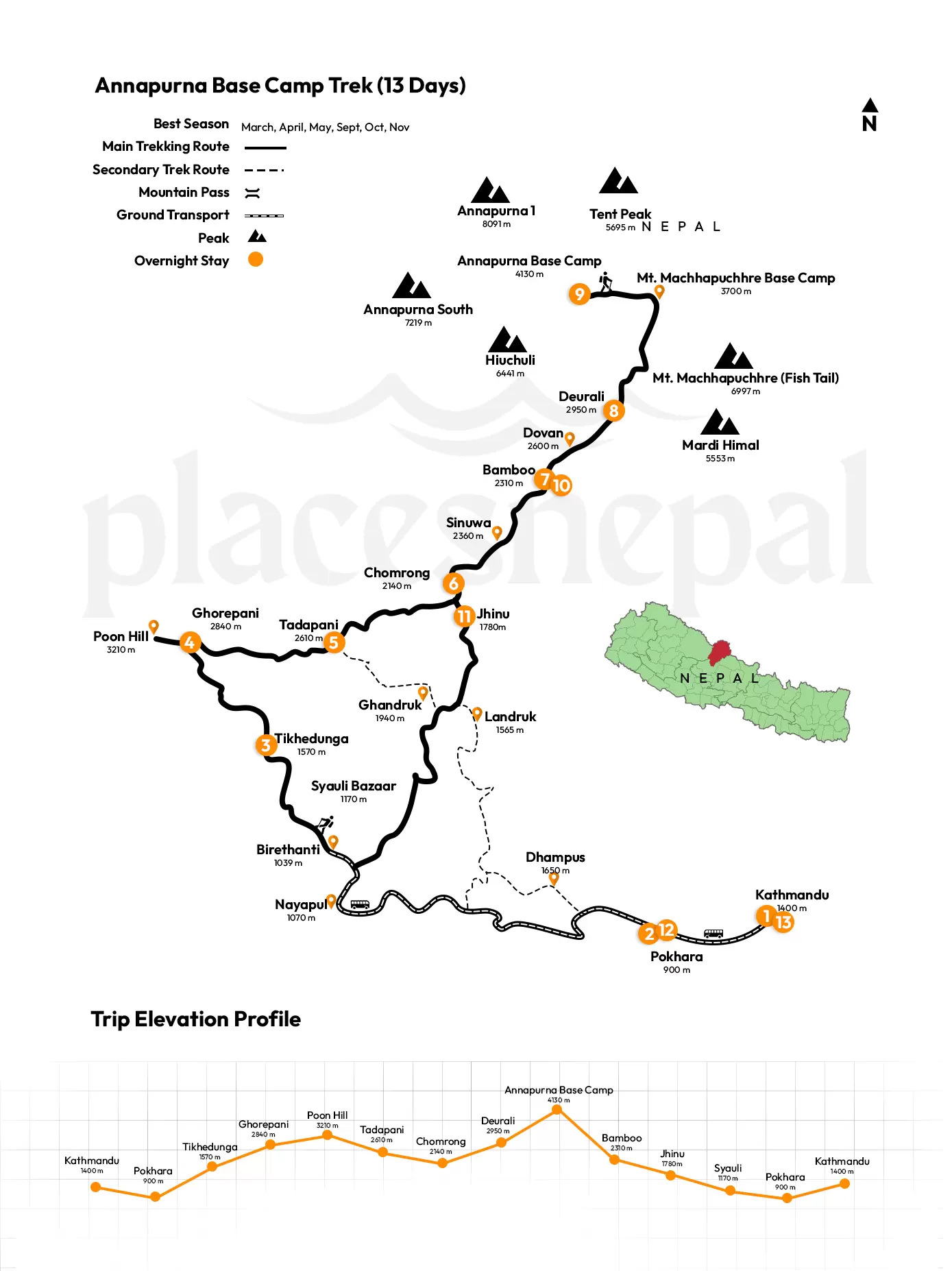
    Trek Route & Altitude Profile

    The trek typically begins with a scenic drive or a short flight from Kathmandu to Pokhara, Nepal's serene lakeside city. From Pokhara, the journey starts at Hile or Nayapul, following the Modi Khola River through lush valleys and terraced farmlands. Along the way, you'll experience both the natural beauty and the cultural richness of the region.

    Key highlights of the Annapurna Base Camp Trek include:

    • Ghorepani (2,874m / 9,429 ft): A traditional village renowned for its hospitality and spectacular surroundings.

    • Poon Hill (3,210m / 10,531 ft): A pre-dawn hike offers panoramic views of the Annapurna, Dhaulagiri, Machapuchare, and Nilgiri mountain ranges.

    • Chhomrong (2,170m / 7,119 ft): The last permanent settlement before entering the wilder alpine terrain.

    • Deurali and Machapuchare Base Camp (3,700m / 12,139 ft): Stunning viewpoints offering close-up views of the sacred, unclimbed Machapuchare peak.

    • Annapurna Base Camp (4,130m / 13,549 ft): The trek’s final destination, nestled in a natural amphitheater surrounded by towering peaks—an area often referred to as the Annapurna Sanctuary.

    The round-trip trek takes 10 days, depending on your route and acclimatization needs. While the classic trek starts and ends in Pokhara, adventurous trekkers can also extend their journey by linking it with the Annapurna Circuit Trek.

    Trek Difficulty & Best Time to Trek

    The ABC trek is classified as moderate in difficulty, making it suitable for trekkers with a reasonable fitness level. While previous high-altitude trekking experience is helpful, it’s not a requirement. The trail includes steady ascents, stone steps, and some steep sections, but no technical climbing is necessary.

    The best seasons to trek are:

    • Spring (March–May): Lush forests, blooming flowers, and mild temperatures.

    • Autumn (September–November): Clear skies, crisp air, and exceptional mountain views.

    Permits Required for Annapurna Base Camp Trek

    To trek in the Annapurna Conservation Area, you’ll need to obtain the following permits:

    1. Annapurna Conservation Area Permit (ACAP):

      • Cost: USD 30 for foreign nationals (NPR 3,000)

      • Cost: USD 10 for SAARC nationals (NPR 1,000)

      • Required Documents: 2 passport-sized photos and a passport copy

      • Where to Get: Available at the Nepal Tourism Board offices in Kathmandu and Pokhara or through a registered trekking agency.

    Note: As of April 2023, the Trekkers’ Information Management System (TIMS) card is no longer required for the ABC trek.

    For a smooth and hassle-free experience, Places Nepal team handles all necessary permits, accommodations, guides, and logistics, allowing you to focus on the adventure.

    Why Choose Places Nepal Treks & Expedition?

    At Places Nepal, we specialize in offering customized trekking packages tailored to your preferences. With certified local guides, ethical tourism practices, and a commitment to sustainable travel, we ensure that your journey to Annapurna Base Camp is both safe and enriching. Additionally, our expert team supports local communities and contributes to conservation efforts, making your trek even more meaningful.

    Sunday 10th May 2026
    To Tuesday 19th May 2026
    Guaranteed to run
    Sunday 17th May 2026
    To Tuesday 26th May 2026
    Guaranteed to run
    Sunday 24th May 2026
    To Tuesday 2nd June 2026
    Guaranteed to run
    Sunday 31st May 2026
    To Tuesday 9th June 2026
    Guaranteed to run
    Sunday 6th September 2026
    To Tuesday 15th September 2026
    Guaranteed to run
    Sunday 13th September 2026
    To Tuesday 22nd September 2026
    Guaranteed to run
    Available - Only 5 spots left
    Sunday 20th September 2026
    To Tuesday 29th September 2026
    Guaranteed to run
    Sunday 27th September 2026
    To Tuesday 6th October 2026
    Guaranteed to run
    Sunday 4th October 2026
    To Tuesday 13th October 2026
    Guaranteed to run
    Sunday 11th October 2026
    To Tuesday 20th October 2026
    Guaranteed to run
    Available - Only 4 spots left
    Sunday 18th October 2026
    To Tuesday 27th October 2026
    Guaranteed to run
    Sunday 25th October 2026
    To Tuesday 3rd November 2026
    Guaranteed to run
    Sunday 1st November 2026
    To Tuesday 10th November 2026
    Guaranteed to run
    Sunday 8th November 2026
    To Tuesday 17th November 2026
    Guaranteed to run
    Sunday 15th November 2026
    To Tuesday 24th November 2026
    Guaranteed to run
    Sunday 22nd November 2026
    To Tuesday 1st December 2026
    Guaranteed to run
    Sunday 29th November 2026
    To Tuesday 8th December 2026
    Guaranteed to run
    Sunday 6th December 2026
    To Tuesday 15th December 2026
    Guaranteed to run
    Sunday 28th February 2027
    To Tuesday 9th March 2027
    Guaranteed to run
    Sunday 7th March 2027
    To Tuesday 16th March 2027
    Guaranteed to run
    Sunday 14th March 2027
    To Tuesday 23rd March 2027
    Guaranteed to run
    Sunday 21st March 2027
    To Tuesday 30th March 2027
    Guaranteed to run
    Sunday 28th March 2027
    To Tuesday 6th April 2027
    Guaranteed to run
    Sunday 4th April 2027
    To Tuesday 13th April 2027
    Guaranteed to run
    Sunday 11th April 2027
    To Tuesday 20th April 2027
    Guaranteed to run
    Sunday 18th April 2027
    To Tuesday 27th April 2027
    Guaranteed to run
    Sunday 25th April 2027
    To Tuesday 4th May 2027
    Guaranteed to run
    Sunday 2nd May 2027
    To Tuesday 11th May 2027
    Guaranteed to run
    Sunday 9th May 2027
    To Tuesday 18th May 2027
    Guaranteed to run
    Sunday 16th May 2027
    To Tuesday 25th May 2027
    Guaranteed to run
    Sunday 23rd May 2027
    To Tuesday 1st June 2027
    Guaranteed to run
    Sunday 30th May 2027
    To Tuesday 8th June 2027
    Guaranteed to run

    Know Before Booking

    Annapurna Base Camp Trek

    The Annapurna Base Camp Trek is rated moderate in difficulty — challenging enough to be a genuine Himalayan adventure, but accessible enough for well-prepared first-time trekkers.

    The trail covers roughly 50 kilometers (32 miles) on foot over 5 days of walking, with daily hiking durations of 5 to 7 hours and a maximum elevation of 4,130 meters (13,549 feet) at ABC. The biggest physical challenges on this specific route are —

    • The steep stone staircase climb from Ulleri to Ghorepani
    • The descents and ascents around Chhomrong which hit your knees hard
    • The altitude gain in the final stretch from Dobhan to ABC where thin air makes every step feel heavier

    What makes this trek manageable is the gradual elevation gain built into the itinerary. Moving through Ghorepani, Tadapani, Chhomrong, and Dobhan before reaching ABC gives your body a fair amount of time to adjust to the rising altitude.

    Altitude sickness is always a possibility above 3,000 meters — knowing the symptoms and trekking with an experienced guide who can respond quickly is the most important safety factor on this trail.

    We rate this trek as moderate and recommend it to anyone who is physically active, adequately prepared, and ready to take the mountains at their own pace.

    A few things worth knowing before you confirm your booking — the kind of details that make your trek smoother, smarter, and free of surprises on the trail.

    Getting There The journey from Kathmandu to Pokhara takes around 7 hours by tourist bus — included in your package. If you prefer to fly, a domestic flight takes just 20 to 30 minutes and costs approximately $120 USD as an optional add-on.

    Porter Service Porters are not included in the standard package. If you would like one, simply select the option at checkout. One porter shared between two trekkers costs $225 USD for the full 10 day trek. Porters carry up to 20 kg for two people — keep your main bag between 10 to 12 kg if using this service and carry your daily essentials in a small daypack.

    Who Can Do This Trek The ABC Trek suits most ages and fitness levels — including children and older adults. It is rated moderate and ideal for beginner trekkers with average fitness. Expect 4 to 7 hours of hiking per day with steady altitude gain throughout.

    Accommodation Teahouses on the trail are basic but comfortable with shared rooms. Your package also includes 2 nights in a 3-star hotel in Pokhara — a solid comfort break at the end of the trek.

    Food & Extra Costs on the Trail All meals (breakfast, lunch, and dinner) during the trek are included. Hot showers and device charging are available at most stops for NPR 200 to 500 — these are on your own tab.

    Permits Every trekker needs an Annapurna Conservation Area Permit (ACAP) to enter the trekking region. At Places Nepal, all permits are fully arranged when you book with us — nothing to sort on your end.

    Travel Insurance Personal travel insurance is mandatory. Make sure your policy explicitly covers trekking up to 5,000 meters including emergency helicopter evacuation. Do not assume a standard policy covers high altitude trekking — always confirm with your provider before departure.

    Cash on the Trail There are no ATMs on the trail. Carry enough Nepalese Rupees for all personal expenses before leaving Pokhara — budget around $200 to $300 USD to comfortably cover drinks, snacks, hot showers, charging, and tips.

    Weather Weather in the Annapurna region can shift without much warning at any time of year. Pack layered clothing, a reliable rain jacket, and solid sun protection — you will likely need all three within the same day on this trail.

    Drones Drones require special permits in Nepal and are generally not permitted inside the Annapurna Conservation Area. Leave yours at home to avoid complications at checkpoints.

    Tipping Tipping guides and porters is a well-established custom in Nepal and a meaningful way to recognize the hard work that goes into making your trek a success. Factor this into your overall budget before you travel.

    The best time to trek to Annapurna Base Camp is during spring (March to May) and autumn (September to November) — two seasons that offer stable weather, clear mountain views, and comfortable trail conditions.

    Spring (March to May) The rhododendron forests between Ulleri and Ghorepani are in full bloom, temperatures are warm on the lower trails, and the skies are mostly clear all the way to ABC. One of the most visually rewarding times to be on this trail.

    Autumn (September to November) The sharpest season for mountain visibility. The monsoon has just cleared the air leaving crisp blue skies and clean views of Annapurna I, Machapuchare, and the entire Annapurna Sanctuary. Trail conditions are at their best and temperatures are comfortable throughout.

    Monsoon (June to August) Heavy rainfall, leeches on the lower trails, and limited visibility make this the least popular season. Doable but not ideal for most trekkers.

    Winter (December to February) Cold and snowy above Chhomrong with temperatures at ABC dropping to -20°C (-4°F) or below at night. The trails are quiet and views on clear days are sharp — but proper cold weather gear is non-negotiable.

    Places Nepal runs the Annapurna Base Camp Trek across all seasons — and our experienced guides know exactly how to make the most of whatever conditions the mountains bring.

    Arriving in Nepal is simple and well-organized, especially for trekkers eager to begin their Himalayan adventure. After landing at Tribhuvan International Airport in Kathmandu, you’ll pass through immigration and collect your baggage before meeting your representative.

    Visa on Arrival in Nepal

    Most nationalities can obtain a Tourist Visa on Arrival. At the airport, trekkers have two options:

    1. Fill out the electronic form at the visa kiosks inside the terminal.
    2. Complete the form online in advance via the official Department of Immigration website. This “pre-arrival” form generates a receipt with a barcode, which you must print and present at the visa counter within 15 days of submission.

    After completing the form, pay the visa fee at the payment counter:

    • 15 days – USD 30
    • 30 days – USD 50
    • 90 days – USD 125

    Proceed to the immigration desk, where your passport is stamped. Make sure your passport is valid for at least six months beyond your arrival date and has at least one blank page.

    Welcome at the Airport

    As you exit the terminal, a Places Nepal Treks airport representative will be waiting with a placard displaying your name. From there, you’ll be escorted to your hotel in Kathmandu, making your arrival stress-free.

    ✨ Quick Tip: Keep two passport-sized photos and small denomination US dollars or euros handy to make your visa process faster.

    A typical day on the Annapurna Base Camp trek begins around 6:00 AM, with trekkers waking early to maximize daylight. Breakfast is usually served by 7:00 AM, and trekking starts shortly after, between 7:30 AM and 8:00 AM. 

    Daily walking time ranges from 4 to 7 hours, covering distances of 10 to 15 kilometers depending on the stage. The pace is moderate to allow gradual altitude acclimatization.

    Midday breaks occur around noon, lasting 30 to 60 minutes for rest and meals at teahouses. After the break, trekking resumes around 1:00 PM and continues until the day’s destination is reached, typically by 3:30 PM to 4:30 PM.

    Upon arrival, trekkers rest and relax in nearby lodges or teahouses, where basic amenities and limited electricity are available. 

    Dinner is served between 5:30 PM and 7:00 PM, followed by early bedtime around 8:00 PM to ensure adequate rest for the next day. 

    Trekkers should rest when needed, walk slowly, and drink plenty of water. Each day combines physical challenge, stunning mountain scenery, and cultural encounters, making the Annapurna Base Camp trek a memorable Himalayan adventure.

    Porter service is not included in this ABC package

    The Annapurna Base Camp Trek usually takes about 8 days. While not the most difficult trek in Nepal, carrying a backpack for this duration can be tiring, especially for first-timers. The cost of hiring a porter—who carries your heavy bag—is not included in the trek price. If you want a porter or wish to share one, you must select this option when checking out and pay extra.

    A porter helps by carrying 10 to 15 kilograms, allowing you to focus on the trail and enjoy the mountain views. If your bag weighs under 10 kilograms, sharing a porter with another trekker is common and cost-effective. Porter services cost approximately $25 per day.

    At the trek’s end, it is customary to tip your guide and porter. A typical tip for guides is about 10% of the trek cost, while for porters, it’s around 10% of the total days worked. Tips for shared porters can be split between trekkers. Extra tipping is always appreciated.

    Most solo or pair trekkers join group treks, but private treks with a dedicated guide are possible, depending on guide availability, especially during busy seasons. Annapurna Base Camp trekking with a personal private trek guide is possible, ensuring safety and personalized support.

    The Annapurna Base Camp Trek package is priced at $790 USD per person — a complete end-to-end package covering everything from the moment you land in Kathmandu to the moment you return.

    What is Included in Your $790 —

    Logistics & Transport

    • Airport pick-up and drop-off in Kathmandu
    • All ground transport — Kathmandu to Pokhara and all trailhead transfers

    Accommodation

    • Teahouse accommodation on a twin-sharing basis throughout the trek
    • 2 nights in a 3-star hotel in Pokhara

    Food

    • 3 meals a day (breakfast, lunch, and dinner) for the entire trek

    Guides & Staff

    • An experienced licensed local trekking guide
    • Full staff insurance

    Permits & Documentation

    • ACAP Permit and TIMS Card fully arranged

    Gear & Safety

    • Trekking map, duffel bag, hat, and completion certificate
    • First aid kit and oximeter for altitude monitoring

    What is Not Included —

    ❌ International flights to and from Nepal
    ❌ Nepal visa fees
    ❌ Personal travel insurance (mandatory)
    ❌ Kathmandu hotel accommodation (available on request)
    ❌ Porter service (available at $250 USD extra)
    ❌ Personal trekking gear, clothing, and footwear
    ❌ Drinks — bottled water, soft drinks, and alcoholic beverages
    ❌ Extra snacks beyond included meals
    ❌ Hot shower fees on the trail
    ❌ Tips for guide and porter

    Hiring a guide for the Annapurna Base Camp Trek is not a legal requirement — but it is one of the smartest decisions you can make before stepping on this trail.

    Is It Legally Required? The ABC Trek currently has no mandatory guide regulation unlike restricted area treks elsewhere in Nepal. As long as you carry a valid ACAP permit, you are free to walk this route independently.

    Can You Trek Solo? Yes — trekkers with previous high-altitude experience, strong navigation confidence, and a solid understanding of altitude sickness complete the ABC Trek independently every season. Where it gets tricky is during off-season months when the trails thin out, fewer teahouses are open, and finding help in an emergency takes significantly longer.

    For first-time trekkers or anyone unfamiliar with high-altitude terrain, going solo is a risk that simply is not worth taking.

    Every Annapurna Base Camp Trek package at Places Nepal comes with a certified, experienced guide who knows this trail in every season and every condition — from the stone staircases of Ulleri to the glacial basin of ABC at 4,130 meters.

    A guide does not just keep you safe — they make the whole journey richer, faster to navigate, and far more memorable than walking it alone.

    Yes, two permits are required for the Annapurna Base Camp Trek — and both are fully included in your Places Nepal package at no extra cost.

    What Do You Need to Do? Honestly, not much. Both permits are sorted and included in your $790 USD package. Just send us your passport copy and travel insurance policy and we handle everything else before you even land in Nepal.

    Accommodation on the ABC Trek is a mix of teahouses and lodges along the trail — clean, comfortable, and exactly what you need after a full day of walking in the Himalayas.

    Accommodation Teahouses and lodges on the Annapurna Base Camp route have come a long way in recent years. Most stops along the trail — from Ghorepani and Tadapani to Chhomrong and Dobhan — offer private or twin-sharing rooms with basic but comfortable bedding, common dining areas, and charging points for your devices.

    Higher up at Machapuchare Base Camp (3,700m) and ABC (4,130m), accommodation gets more basic as you would expect at that altitude — but the experience of sleeping inside the Annapurna Sanctuary more than makes up for it.

    Your Places Nepal package includes twin-sharing teahouse accommodation throughout the trek and 2 nights in a 3-star hotel in Pokhara at the end — a well-earned comfort upgrade after days on the trail.

    Food The trail serves up a solid mix of local Nepali and western dishes across most teahouses. Expect a menu that covers —

    • Nepali classics — dal bhat, thukpa, momos, and porridge
    • Western favorites — pasta, fried rice, sandwiches, pancakes, and omelettes
    • Hot drinks — tea, coffee, and hot lemon to keep you warm at higher elevations

    Your package covers 3 meals a day (breakfast, lunch, and dinner) for the entire duration of the trek. Drinks beyond included meals — bottled water, soft drinks, and anything off the extras menu — are on your own tab.

    One honest heads up — the higher you climb, the simpler the menu gets and the pricier individual items become. Stock up on snacks in Pokhara before you hit the trail.

    Yes, altitude sickness is a real risk on the Annapurna Base Camp Trek — and anyone heading to 4,130 meters (13,549 feet) should understand it before they go, regardless of their fitness level.

    Altitude sickness does not discriminate. It can affect first-time trekkers and seasoned hikers equally — fitness alone does not determine how your body responds to thin air. What matters most is how fast you ascend and how well you listen to your body along the way.

    When Does Altitude Become a Factor? Symptoms of Acute Mountain Sickness (AMS) typically begin showing up above 3,000 meters. On the ABC route that means the stretch from Chhomrong (2,170m) onwards is where you start paying closer attention — and the final push from Dobhan to Machapuchare Base Camp and ABC is where it hits hardest.

    Yes, travel insurance is mandatory for the Annapurna Base Camp Trek — and it is one of the most important things you sort out before you book, not after.

    What Does Your Insurance Need to Cover?

    At a minimum your travel insurance policy must include —

    • High altitude trekking coverage up to at least 4,500 meters
    • Emergency helicopter evacuation and rescue
    • Medical expenses and hospitalization
    • Trip cancellation and curtailment
    • Personal accident and injury coverage

    How Does This Work with Places Nepal? Simply send us a copy of your valid insurance policy along with your passport before your trek begins and we handle the rest. Our guides carry your emergency contact details and insurance information throughout the entire journey so everything is in place if it is ever needed.

    Do not cut corners on this one — the right insurance policy is the smartest $100 you spend before this trek.

    The ABC Trek is designed as a 10 day journey from Kathmandu and back, with 7 full trekking days in the mountains. This itinerary gives you enough time to experience cultural villages, diverse landscapes, and the highlight of reaching Annapurna Base Camp at 4,130 meters — while keeping the overall trip compact and manageable.

    What the 10 Days Cover —

    • Day 1 — Kathmandu to Pokhara by tourist bus (850m)
    • Day 2 — Drive to Ulleri and trek to Ghorepani (2,860m)
    • Day 3 — Poon Hill sunrise (3,210m) and trek to Tadapani (2,650m)
    • Day 4 — Trek to Chhomrong (2,170m)
    • Day 5 — Trek to Dobhan (2,600m)
    • Day 6 — Trek to Annapurna Base Camp (4,130m)
    • Day 7 — Descent to Bamboo (2,310m)
    • Day 8 — Bamboo to Jhinu Danda (1,780m)
    • Day 9 — Drive to Pokhara (850m)
    • Day 10 — Pokhara to Kathmandu

    Daily Trekking Stats —

    • Daily walking time — 4 to 9 hours depending on the section
    • Daily distance — 8 to 14 kilometers per day
    • Total trekking distance — approximately 70 kilometers on foot
    • Elevation range — 850 meters at the trailhead to 4,130 meters at ABC

    This itinerary also includes a side trip to Poon Hill (3,210m) for panoramic sunrise views over the Annapurna and Dhaulagiri ranges — one of the most celebrated viewpoints in all of Nepal and a highlight that sits perfectly within the 10 day schedule.

    FAQs for Annapurna Base Camp Trek

    Trek Difficulty

    The Annapurna Base Camp (ABC) trek is classified as moderately challenging, suitable for trekkers with a good fitness level but no advanced mountaineering experience. This iconic Nepal trek attracts both beginners and seasoned hikers due to its well-managed routes and breathtaking Himalayan landscapes. Places Nepal treks ensure itineraries are thoughtfully designed with gradual elevation gains to support proper acclimatization, making the trek accessible even for beginners who maintain good physical health.

    Key factors influencing the difficulty of the Annapurna Base Camp trek include:

    Altitude:

    The ABC trail climbs to a height of 4,130 meters (13,550 feet), posing a risk of altitude sickness. Careful acclimatization is essential to help trekkers adapt to the lower oxygen levels.

    Terrain:

    Trekkers navigate diverse landscapes—stone steps, forest trails, rocky paths, and steep ascents and descents—requiring stamina and balance.

    Fitness Requirements:

    Though it does not involve technical climbing, the Annapurna Base Camp trek demands physical endurance and strength due to long walking days at high elevation and uneven surfaces.

    Weather Conditions:

    Unpredictable weather in the Annapurna region can include rain, snow, and cold temperatures, which add to the challenge of the trek.

    Acclimatization Strategy:

    Gradual ascent is vital. The 10-day Annapurna Base Camp trek itinerary schedules balanced trekking days, allowing your body to adjust effectively and minimizing altitude-related issues.

    Yes, the Annapurna Base Camp (ABC) trek is widely recognized as a beginner-friendly high-altitude trek in Nepal, making it one of the most popular choices for first-time trekkers. Although it is classified as moderately challenging, the trek is accessible for individuals with a basic level of fitness who are willing to prepare adequately.

    Places Nepal Treks expertly designs itineraries focused on gradual acclimatization, providing beginners with the confidence and structure needed to complete the trek successfully.

    The trek’s popularity stems from its well-established trails, progressive altitude gain, and the availability of comfortable teahouses, which collectively create an ideal environment for beginners looking to experience the Himalayas without extreme difficulty or risk.

    Why the Annapurna Base Camp Trek Is Suitable for Beginners:

    Well-Maintained and Clearly Marked Trails:
    The Annapurna Base Camp trekking route is carefully marked and well-maintained throughout the journey. This reduces the chances of getting lost, providing peace of mind for novice trekkers. 

    Gradual Elevation Gain for Easy Acclimatization:
    One of the most significant reasons the ABC trek is beginner-friendly is the well-planned itinerary that incorporates a gradual ascent. The elevation slowly rises from the starting points like Nayapul or Pokhara, progressing to the base camp at 4,130 meters (13,550 feet). This slow and steady climb helps the body adapt to altitude changes and minimizes the risk of altitude sickness. 

    Access to Comfortable Teahouses and Amenities:
    Along the Annapurna Base Camp trail, trekkers can find numerous teahouses and lodges offering basic but reliable accommodation and meals. Unlike more isolated trekking routes, teahouses on the ABC trek ensure beginners have access to warm food, clean rooms, and social interaction, greatly enhancing the overall trekking experience.

    Moderate Physical Demand Without Technical Climbing:
    The ABC trek does not require advanced mountaineering skills or technical equipment. The moderate physical demanding aspects come mainly from day-long hikes, some steep ascents, and descents on rocky or inclined trails.

    The level of physical challenge is manageable for trekkers with a reasonable fitness foundation, making the trek an excellent stepping stone for beginners aiming to build confidence for future Himalayan adventures.

    Availability of Guides and Porters to Boost Safety and Ease:
    For those new to trekking in mountainous terrain, hiring a knowledgeable guide can provide safety, local insights, and motivation throughout the trek. Porters can carry heavy backpacks, allowing beginners to enjoy the journey without excessive strain. 

    Beginner-Friendly Aspects of the ABC Trek:

    • Flexibility in Itinerary: Places Nepal Treks offer customizable itineraries that adjust to the trekkers' pace and acclimatization needs.

    • Scenic Variety: The trek is highly rewarding for beginners because it offers diverse landscapes, including lush rhododendron forests, terraced fields, traditional Gurung and Magar villages, and panoramic Himalayan views.

    • Seasonal Options: The trek is accessible in multiple seasons, with the most popular being autumn and spring. These seasons offer mild to pleasant weather, ideal for beginners.

    • Cultural Exposure: Beginner trekkers benefit from cultural experiences with local communities along the trail, which enrich the adventure beyond physical activity.

    In summary, the Annapurna Base Camp trek offers an excellent combination of stunning natural beauty and manageable physical demand, making it a prime choice for beginners who want to experience Nepal’s Himalayan trekking. 

    Generally, treks above 5,000m are regarded as challenging. Hence, EBC treks are much more challenging than the ABC trek. Higher altitudes mean lower oxygen levels, making hikes more exhausting. The temperature also drastically falls at higher altitudes.

    Annapurna Base Camp (ABC) can feel harder than Everest Base Camp (EBC) despite its lower altitude (4,130 m vs 5,364 m) because ABC involves steeper daily climbs, mixed terrain, and less crowded trails. EBC has a more gradual ascent and better trekking infrastructure, making it easier for many trekkers.

    In short: ABC = steeper, more challenging terrain; EBC = higher but more gradual and supported.

    Yes, kids and elderly citizens can do the Annapurna Base Camp trek, but it depends on health, fitness, and preparation. Many ask, “Is Annapurna Base Camp trek safe for children?” or “Can senior citizens trek to Annapurna Base Camp?” The trek is possible with the right planning.

    The difficulty for kids and seniors comes from long walking hours, steep climbs, and altitude. Children above 8–10 years old who are active can complete the trek with shorter walking days. Seniors can join if medically fit, with good stamina and prior hiking experience.

    Common concerns include, “What are the risks for kids and elderly on Annapurna Base Camp trek?” The main issues are altitude sickness, fatigue, and cold weather. Trekking slowly, staying hydrated, and taking rest days reduces risks. Hiring a guide or porter adds extra safety.

    Facilities on the Annapurna Base Camp trek include tea houses with meals and basic rooms, suitable for families, though higher-altitude lodges are simple. Warm clothing, medicines, and proper gear are essential.

    The highest point of the Annapurna Base Camp Trek is Annapurna Base Camp (ABC) itself, sitting at 4,130 meters (13,549 feet) above sea level — and that is where the trail ends and the mountains take over completely.

    Before reaching ABC, trekkers pass through Machapuchare Base Camp (MBC) at 3,700 meters (12,139 feet) — the last stop before the final push to the base camp. The elevation gain between MBC and ABC is steady and manageable, but the altitude starts making itself known at this stage so taking it slow is always the smart move.

    The trail starts as low as 1,070 meters (3,510 feet) in Nayapul and climbs gradually over 7 to 12 days depending on your chosen itinerary — giving your body enough time to acclimatize naturally as you gain elevation.

    At 4,130 meters, ABC is high enough to give you a full Himalayan experience — thin air, cold nights, and unobstructed views of Annapurna I, Annapurna South, Gangapurna, and Machapuchare — without requiring the technical climbing skills needed for higher expeditions.

    For trekkers wondering about altitude sickness on the Annapurna Base Camp Trek, our experienced guides at monitor your health throughout the journey and know exactly when to push forward and when to rest — keeping your trek safe and enjoyable from start to finish.

    Yes, beginners can absolutely do the Annapurna Base Camp Trek — and it is actually one of the most recommended first Himalayan treks for people who are new to high altitude trekking.

    Unlike more technical Himalayan routes, the ABC Trek involves no rope work, no glacier crossings, and no mountaineering experience. The trail is well-marked, teahouse accommodation is available throughout, and the gradual elevation gain gives your body a fair chance to adjust as you climb.

    That said, "beginner friendly" does not mean "easy." The trek reaches 4,130 meters (13,549 feet) at Annapurna Base Camp and covers roughly 110 to 120 kilometers over 7 to 12 days depending on your itinerary. Your legs and lungs will feel it — especially in the final stretch from Machapuchare Base Camp (MBC) to ABC.

    For first-time trekkers, here is what makes the difference —

    • Train for at least 6 to 8 weeks before the trek with regular cardio and hiking
    • Choose a longer itinerary to allow your body proper time to acclimatize
    • Never rush the ascent — slow and steady is genuinely the strategy that works
    • Trek with an experienced local guide who knows the trail, the weather, and the warning signs of altitude sickness

    You don't need to be an elite athlete to complete the Annapurna Base Camp Trek, but you do need a solid base of cardiovascular fitness and genuine physical preparation — turning up unfit makes an already challenging trek genuinely miserable.

    The ABC trek covers approximately 110–120km over 10 days with daily hiking of 4–7 hours and significant elevation gain from 850m to 4,130m. Your body needs to handle sustained effort at altitude across consecutive days — that's the real challenge, not any single section of trail.

    Honest fitness benchmark: If you can comfortably hike 15–20km with a loaded pack over hilly terrain without being destroyed the next day, you're in reasonable shape for ABC. If a 5km walk leaves you breathless, dedicated training is needed before booking.

    How to train for ABC trek:

    Cardiovascular base — start 8–12 weeks out:

    • Running, cycling, swimming, or rowing — build to 45–60 minutes of sustained cardio 4–5 times per week
    • Gradually increase intensity and duration every 2 weeks
    • Cardio fitness directly translates to how well your body performs at altitude

    Hill and stair training — most important:

    • Hike with a loaded pack on hilly terrain as often as possible
    • Stair climbing with a weighted backpack directly simulates the stone step sections between Ulleri and Ghorepani
    • Increase pack weight gradually over your training period

    Leg and core strength:

    • Squats, lunges, calf raises, and step-ups build the leg strength needed for long descent days
    • Planks and core work improve stability on uneven rocky terrain
    • Strong legs protect knees on the punishing stone step descents

    Flexibility and recovery:

    • Yoga or regular stretching reduces injury risk and speeds up daily recovery on the trail
    • Prioritize sleep and nutrition during your training period

    Can beginners do ABC trek? Yes — the ABC trek is one of Nepal's most beginner-friendly high altitude treks. Beginners who train consistently for 8–12 weeks, choose a longer itinerary, and trek at a sensible pace complete it successfully every season. Places Nepal designs the 10-day itinerary specifically with gradual elevation gain to support proper acclimatization for all fitness levels.

    Age is not a barrier: The ABC trek is completed regularly by trekkers in their 60s and 70s with good baseline fitness. Children above 8–10 years old who are active and fit can also complete the trek with adjusted daily distances. Fitness and preparation matter far more than age on this trail.


    On the Annapurna Base Camp Trek you walk between 4 to 7 hours per day — with some days shorter and easier and others longer and more demanding depending on the section of trail.

    Day-by-day walking breakdown:

    DayRouteWalking Time
    Day 1Kathmandu to PokharaBus journey — no trekking
    Day 2Ulleri to Ghorepani5–6 hours including 3,300 stone steps
    Day 3Poon Hill sunrise + trek to Tadapani1 hour sunrise hike + 5–6 hours trekking
    Day 4Tadapani to Chhomrong5–6 hours with mixed ascent and descent
    Day 5Chhomrong to Dobhan5–6 hours on steep and rocky terrain
    Day 6Dobhan to Annapurna Base Camp5–6 hours — the most rewarding day
    Day 7ABC descent to Bamboo5–6 hours downhill
    Day 8Bamboo to Jhinu Danda5–6 hours ending at hot springs
    Day 9Jhinu Danda to PokharaShort jeep drive — no trekking
    Day 10Pokhara to KathmanduBus journey — no trekking

    What a typical trekking day looks like:

    • Wake up around 6:00 AM
    • Breakfast served by 7:00 AM
    • Trek starts 7:30–8:00 AM
    • Midday lunch break 30–60 minutes around noon
    • Arrive at destination teahouse 3:30–4:30 PM
    • Dinner 5:30–7:00 PM
    • Bed by 8:00–9:00 PM

    Pace matters more than speed: The golden rule on the ABC trek is to go slow and steady — especially above 3,000m where rushing increases altitude sickness risk significantly. A comfortable conversational pace that lets you breathe easily and enjoy the scenery is the right speed for every single day on this trail.


    Yes, training before the Annapurna Base Camp Trek is strongly recommended — showing up unprepared makes a moderately challenging trek unnecessarily hard and increases the risk of injury and altitude sickness.Start training at least 8–12 weeks before: The goal is building cardiovascular endurance, leg strength, and hiking stamina — the three physical qualities the ABC trail demands most consistently across 10 days.

    What to focus on:

    Cardio — 4–5 times per week:

    • Running, cycling, swimming, or rowing
    • Build to 45–60 minutes of sustained effort
    • Improves lung efficiency — directly helps at altitude

    Hill and stair training — most important:

    • Hike with a loaded pack on hilly terrain weekly
    • Stair climbing with a weighted backpack simulates the 3,300 stone steps between Ulleri and Ghorepani better than any gym exercise
    • Gradually increase distance, elevation, and pack weight every 2 weeks

    Leg and core strength — 2–3 times per week:

    • Squats, lunges, step-ups, and calf raises
    • Planks and core stability work
    • Strong legs protect knees on long steep descents

    Flexibility and recovery:

    • Yoga or daily stretching reduces injury risk
    • Prioritize sleep and good nutrition throughout training

    Real signs you're ready:

    • Hiking 15–20km with a loaded pack without significant next-day soreness
    • Climbing 10+ flights of stairs without stopping to catch breath
    • Sustaining 60 minutes of cardio comfortably at moderate intensity

    Yes, older trekkers can absolutely do the Annapurna Base Camp Trek — age is far less of a barrier than fitness and preparation on this trail.

    The ABC trek is completed regularly by trekkers in their 60s and 70s who have maintained good baseline fitness. The route has no technical climbing, trails are well-marked, teahouses are available at every stop, and Places Nepal designs the itinerary with a gradual elevation gain that gives bodies of all ages proper time to acclimatize.

    Bottom line: Age is not a disqualifier for the Annapurna Base Camp Trek — preparation, realistic pacing, and good medical clearance are what matter. With the right approach, older trekkers consistently have some of the most meaningful and memorable experiences on the entire trail.


    Accommodation on ABC trek

    Yes, you can sleep at Annapurna Base Camp in tea houses, but expect basic accommodation, simple food, and limited facilities. Staying overnight is worth it for the sunrise views and the rare chance to sleep at the foot of the Annapurna massif.

    The accommodations on the Annapurna Base Camp trek range from basic tea houses and homestays to some upgraded lodges, offering a mix of cultural experience and essential comfort in the Himalayas.

    On the ABC trail, the primary type of accommodation is tea houses. These are simple lodges run by local families offering basic rooms with twin or multiple beds, shared bathrooms, and communal dining areas. Tea houses provide essential amenities such as warm blankets, basic bedding, and sometimes hot showers and device charging for an extra cost.

    In lower and mid-altitude villages like Ghandruk and Tikhedhunga, accommodations tend to be slightly more comfortable with options for private bathrooms and better facilities. Some villages also offer homestays, where trekkers can experience local Gurung culture with home-cooked meals.

    There are also trekking lodges that offer more comfort, including private rooms and hot showers, mostly available at lower elevations. Occasionally, luxury lodges exist along the route for those seeking added comfort.

    At higher altitudes near Annapurna Base Camp and Machhapuchare Base Camp, accommodations become more basic with limited facilities, shared bathrooms, and minimal electricity powered mainly by solar energy.

    Camping is a less common option but possible for trekkers wanting a more adventurous experience with their own gear.

    General FAQs

    The Annapurna Base Camp Trek (ABC) is one of the most popular trekking experiences in the world. It is an amazing walk through a diverse landscape and unique mountain culture, complete with stunning mountain vistas, terraced fields, quaint Gurung villages, and a wide variety of flora and fauna.

    The Annapurna Base Camp trek typically takes 7 to 12 days, depending on your starting point, pace, and acclimatization needs. Most trekkers start from Pokhara and hike 4–7 hours per day, covering 8–15 km on average.

    Factors like fitness level, altitude adjustment, weather, and trail conditions can affect the duration. The ABC trek covers a round-trip distance of approximately 115 km (72 miles).

    The maximum altitude of the Annapurna Base Camp (ABC) trek is 4,130 meters (13,550 feet) above sea level, at the Annapurna Base Camp itself.

    The short answer is no, you cannot see Mount Everest directly from Annapurna Base Camp. The reasons involve geography, distance, and the Himalayan mountain range layout.

    Annapurna Base Camp (ABC) is located in the Annapurna massif in Nepal’s Gandaki Province. It offers spectacular panoramic views of the Annapurna range, including towering peaks like Annapurna I, Machapuchare (Fishtail), and Gangapurna.

    However, Mount Everest, which lies in the Khumbu region far to the east near the Nepal-Tibet border, is approximately 160 kilometers (about 100 miles) away.

    Why can’t you see Everest from Annapurna Base Camp?

    • Mountain Range Barrier: The towering peaks in the Annapurna range and intervening Himalayan mountains block the line of sight to Everest.

    • Distance and Curvature: The significant distance plus Earth’s curvature make Everest invisible from Annapurna Base Camp.

    • Different Trekking Regions: Everest Base Camp is part of the Khumbu region, while Annapurna Base Camp lies in the Annapurna Conservation Area, separated by multiple peaks and valleys.

    The answer depends on what you seek from your trekking experience, as both offer unique advantages in the Himalayas.

    In summary, the better trek depends on your trekking skill level, desired views, cultural interest, and how much time you have. Annapurna Base Camp offers panoramic and tranquil mountain experiences, while Everest Base Camp is unbeatable for those wanting to journey to the “Roof of the World.” Both are spectacular Himalayan adventures with diverse natural and cultural highlights.

    Annapurna Base Camp (ABC) vs. Everest Base Camp (EBC): Key Differences

    • Scenery and Views: Annapurna Base Camp boasts diverse landscapes with lush forests, terraced fields, and dramatic views of Annapurna South, Machapuchare, and Dhaulagiri peaks. Everest Base Camp provides iconic views of Mount Everest, Lhotse, Ama Dablam, and other high Himalayan giants.

    • Trekking Difficulty: ABC trek is generally considered moderate in difficulty with balanced ascent and descent, suitable for many trekkers. EBC trek is more strenuous due to higher altitude (up to 5,364m at Gorak Shep) and longer acclimatization.

    • Altitude and Acclimatization: ABC's highest point is at about 4,130m, making altitude sickness less likely. EBC reaches higher elevations, increasing risks but also rewards with summit views of the world’s highest mountain.

    • Crowds and Infrastructure: EBC is more popular and thus crowded during peak seasons, with well-established teahouses and lodges. ABC is less crowded, offering a more tranquil experience with equally good facilities.

    • Cultural Experience: Both treks pass through charming Nepalese villages, but EBC takes you through Sherpa culture and Buddhist monasteries in the Khumbu region. ABC showcases Gurung culture in the Annapurna area.

    • Time Required: ABC trek typically takes 7–10 days. EBC trek demands 12–16 days, including acclimatization days.

    Which Base Camp Is Better for You?

    • Choose Annapurna Base Camp for a moderately easy trek with rich biodiversity, stunning broad mountain views excluding Everest, fewer crowds, and Gurung cultural exposure.

    • Choose Everest Base Camp if your primary goal is to witness Mount Everest up close, enjoy high-altitude trekking thrills, experience Sherpa culture, and don’t mind longer, more demanding trail conditions.

    Yes, electricity is available on the Annapurna Base Camp trail, but it becomes increasingly limited at the base camp. Electricity is available until Machhapuchre Base Camp, powered by micro-hydropower, which is more reliable and usually free or low-cost to use for charging devices. 

    As you ascend past Dhovan into higher regions, power mainly comes from solar panels, making electricity scarce and unreliable.

    At Annapurna Base Camp itself, electricity is available only in dining areas, and charges for device charging can be high. Most lodges focus on charging small electronics like phones and cameras, while charging larger devices like laptops is generally not supported.

    Wi-Fi is available in all teahouses along the trail but the connection is slow and paid, often costing $2 to $5 per hour. Internet quality decreases as you go higher, becoming rare and expensive near the base camp. Weather and electricity availability also affect connectivity.

    The Annapurna Base Camp (ABC) trek typically takes 7-12 days, depending on your itinerary and pace.

    Standard itineraries:

    • 7-8 days: Fast-paced trek for experienced trekkers
    • 10-12 days: Comfortable pace with proper acclimatization (recommended)

    Typical 10-day ABC trek breakdown:

    • Drive from Pokhara to trailhead: 1 day
    • Trek to Annapurna Base Camp: 4-5 days
    • Return trek to trailhead: 3-4 days
    • Drive back to Pokhara: 1 day

    The duration can be adjusted based on your fitness level, acclimatization needs, and whether you add side trips or rest days.

    Annapurna Base Camp (ABC) is located in the Annapurna Sanctuary, a high glacial basin sitting at 4,130 meters (13,549 feet) above sea level in the Annapurna Massif of central Nepal.

    Sitting inside the Annapurna Conservation Area in Kaski District, ABC sits directly beneath Annapurna I (8,091 m) — the world's 10th highest mountain. The base camp is completely encircled by some of the most recognizable peaks in the Himalayas including Annapurna South, Gangapurna, Hiunchuli, and the sacred Machapuchare (6,993 m).

    Most trekkers start the journey from Pokhara and move through trail villages like Ghandruk, Chhomrong, Dovan, and Machapuchare Base Camp (MBC) before reaching ABC. The route covers rhododendron forests, traditional Gurung villages, river crossings, and high alpine terrain — a solid mix of nature and culture packed into one trail.

    The Annapurna Base Camp Trek is one of the most popular trekking routes in Nepal and the world — and once you're standing inside that mountain amphitheatre at 4,130m, it's pretty clear why.

    The Annapurna Base Camp Trek begins from Ulleri (2,050m / 6,729ft), which is reached by a drive from Pokhara — and to get to Pokhara, most trekkers travel from Kathmandu, Nepal's capital and main international entry point.

    Here is exactly how the journey unfolds —

    Kathmandu to Pokhara

    • Most trekkers take a tourist bus from Kathmandu to Pokhara on Day 1 — a scenic road journey of around 6 to 7 hours covering approximately 200 kilometers along the Prithvi Highway
    • Prefer to save time? A 25 minute domestic flight from Kathmandu to Pokhara is also available at request.

    Getting to Pokhara

    • Almost all international trekkers fly into Tribhuvan International Airport in Kathmandu first and then connect to Pokhara by tourist bus or domestic flight

    Pokhara to Ulleri — The Trailhead

    • On Day 2, a short drive from Pokhara takes you directly to Ulleri (2,050m) where your trek officially begins
    • From Ulleri the trail climbs to Ghorepani (2,860m) on the same day — a solid first day on the trail that sets the tone for everything ahead

    With Places Nepal team, all airport pickups, Kathmandu to Pokhara transfers, and trailhead drives are fully arranged as part of your package — so you land in Nepal and we handle every move from there.

    Yes, booking the Annapurna Base Camp Trek in advance is strongly recommended — and in most cases, the earlier you book the better your overall experience will be.

    Here is why advance booking makes a real difference —

    Peak Season Fills Up Fast The ABC Trek is one of the most popular trekking routes in the world. During spring (March to May) and autumn (September to November), teahouses along the trail, quality guides, and reputable trekking agencies fill up weeks — sometimes months — in advance. Walking in last minute during peak season often means limited accommodation options and rushed logistics.

    How Far in Advance Should You Book?

    • Peak season — at least 4 to 6 weeks in advance
    • Off season2 to 3 weeks is generally comfortable


    Annapurna Base Camp is approximately 200 kilometers (124 miles) from Kathmandu by road — but the full journey from Kathmandu to ABC takes around 8 to 10 days once you factor in travel to Pokhara and the trek itself.

    Here is how it breaks down —

    • Kathmandu to Pokhara — 6 to 7 hours by tourist bus or just 25 minutes by domestic flight
    • Pokhara to Ulleri (Trailhead) — 1.5 to 2 hours by drive
    • Ulleri to ABC on foot — approximately 45 to 55 kilometers (28 to 34 miles) over 5 days through Ghorepani, Tadapani, Chhomrong, and Dobhan before reaching ABC at 4,130 meters

    On a map it looks close. On the trail it feels like a whole other world — and that is exactly the point.

    Temperatures on the Annapurna Base Camp Trek vary significantly depending on the season, elevation, and time of day — but as a general rule, the higher you climb the colder it gets, with Annapurna Base Camp (4,130m) being the coldest point on the entire route.

    Here is a realistic temperature breakdown by season —

    Spring (March to May)

    • Lower trails — 10°C to 20°C (50°F to 68°F) during the day
    • At ABC — temperatures can drop to -5°C to -10°C (23°F to 14°F) at night

    Autumn (September to November)

    • Lower trails — 10°C to 18°C (50°F to 64°F) during the day
    • At ABC — nights drop to -5°C to -15°C (23°F to 5°F)

    Winter (December to February)

    • The coldest period on the trail
    • At ABC — temperatures can plunge to -20°C (-4°F) or below at night
    • Snow is common above Chhomrong and trail conditions get serious fast

    Monsoon (June to August)

    • Temperatures stay relatively mild but rain and humidity make it feel colder than it is

    Regardless of season, nights at Machapuchare Base Camp (3,700m) and ABC (4,130m) are always cold — a quality sleeping bag rated to at least -10°C and proper layering are non-negotiable on this trek.

    Based on our classic ABC itinerary, here are the main villages you pass through —

    Ulleri (2,050m / 6,729ft) The official trailhead and first village on the route. Ulleri is a traditional Magar community known for its steep stone staircase climb and panoramic views of the Annapurna range right from the start.

    Ghorepani (2,860m / 9,383ft) One of the most popular stops on the entire trek. Ghorepani is the base for the legendary Poon Hill sunrise hike (3,210m) — an early morning climb that delivers one of the most celebrated panoramic Himalayan views in Nepal.

    Tadapani (2,650m / 8,694ft) A quiet ridgeline village surrounded by dense rhododendron forest. Tadapani sits at a trail junction and offers clear views of Annapurna South and Hiunchuli on a good day.

    Chhomrong (2,170m / 7,119ft) Arguably the most important village on the route. Chhomrong is the last major Gurung settlement before entering the Annapurna Sanctuary and serves as the gateway to the inner sanctum of the trek.

    Dobhan (2,600m / 8,530ft) A smaller and quieter stop nestled deep in the Modi Khola valley. Dobhan marks the point where the trail starts getting serious — the vegetation thins out and the mountains close in around you.

    Machapuchare Base Camp — MBC (3,700m / 12,139ft) Not a village in the traditional sense but the last teahouse stop before ABC. MBC sits directly beneath the iconic Machapuchare (Fishtail) peak and is where most trekkers spend their final night before the push to Annapurna Base Camp.

    Annapurna Base Camp — ABC (4,130m / 13,549ft) The final destination and highest point of the trek. A small cluster of teahouses sits here year round, completely surrounded by Annapurna I, Annapurna South, Gangapurna, Hiunchuli, and Machapuchare — a setting that makes every step of the journey worth it.

    On the descent —

    Bamboo (2,310m / 7,579ft) A lush forested stop on the way back down where the air gets noticeably warmer and thicker with every step.

    Jhinu Danda (1,780m / 5,840ft) The final village on the trek and home to the famous Jhinu natural hot springs — the perfect reward after days on the trail before the drive back to Pokhara.

    Yes, the Annapurna Base Camp Trek gets busy during peak season — especially in October — but "crowded" is relative compared to other popular trekking destinations worldwide.

    Autumn (October–November) is the busiest period. Teahouses fill up fast, particularly in popular stops like Ghorepani, Chhomrong, and Machapuchare Base Camp. October weekends can feel genuinely packed on the lower sections of the trail. Booking teahouses in advance is strongly recommended — walking in without a reservation is a gamble you don't want to take at altitude.

    Spring (March–May) is the second busiest window. Crowds are noticeable but slightly more spread out than autumn. March tends to be quieter than April, when the rhododendron bloom draws a lot of trekkers simultaneously.

    What crowd levels actually mean on the trail:

    • Popular teahouses in Ghorepani and Chhomrong can book out by early afternoon during peak weeks
    • The trail itself rarely feels shoulder-to-shoulder — the route is long enough that groups naturally spread out
    • Higher up, above Deurali and into the Sanctuary, crowds thin considerably
    • Sunrise at Poon Hill in October draws large groups — expect company at the viewpoint

    How to avoid the worst of it:

    • Trek in early September or late November for thinner crowds with still-excellent conditions
    • Start trekking days earlier than most groups to stay ahead of the crowd
    • Book teahouses at key stops in advance through your trekking agency

    Bottom line: Peak season brings company on the trail, but the Annapurna Base Camp route is long and varied enough that it rarely feels overwhelming. A little planning goes a long way.

    Yes — most teahouses along the ABC trail have electricity, but with some caveats worth knowing before you go. In the lower and mid-altitude villages like Ghandruk, Chhomrong, and Sinuwa, power is fairly reliable and you'll find charging points in common dining areas without much hassle. Higher up toward Machhapuchhre Base Camp and Annapurna Base Camp, electricity becomes more limited and is often solar-powered — meaning cloudy days can affect availability.

    What to expect practically:

    • Charging fees — most teahouses charge NPR 100–300 per device for charging. It's not included in your room rate, so budget for it
    • Outlets are limited — don't expect a socket in your room. Charging usually happens in the communal dining hall during meal times
    • Voltage can be inconsistent — power surges are possible, so a surge-protected adapter is worth carrying
    • Wi-Fi is separate — electricity and Wi-Fi are often charged independently at teahouses

    What to pack smart:

    Bring a portable power bank (10,000–20,000 mAh) as your primary charging backup — it'll save you money and stress at higher elevations. A universal travel adapter and a multi-port USB charger are also handy since outlet types can vary between teahouses.

    Don't rely solely on teahouse power for camera batteries and GPS devices — charge everything you can at lower altitudes before pushing higher.

    Yes, you can charge your devices at most teahouses along the trail — but it comes at a cost. Expect to pay NPR 100–300 per charge depending on the teahouse and altitude; the higher you go, the more it costs. Charging points are usually in the communal dining area, not your room, so plan around meal times when outlets are accessible.

    Power sources vary by location — lower villages like Ghandruk and Chhomrong have more stable electricity, while higher stops near Machhapuchhre Base Camp and ABC rely heavily on solar power, meaning overcast days can limit availability entirely.

    Pack these to avoid hassle:

    • Power bank (10,000–20,000 mAh) — your most reliable charging source on the trail
    • Universal travel adapter — outlet types aren't consistent across teahouses
    • Multi-port USB charger — charge multiple devices in one slot when you get access

    Prioritize charging cameras, GPS devices, and headlamps at lower altitudes before pushing higher. Wi-Fi, where available, is charged separately from device charging — don't assume one covers the other. A fully loaded power bank leaving Chhomrong will carry you comfortably through the upper sanctuary without stressing over outlets.

    Yes — the ABC trek is doable with kids, but it needs honest planning based on your child's age, fitness, and temperament. Generally, kids aged 10 and above who are reasonably active handle the trail well.

    Younger children can manage the lower sections like Ghandruk and Chhomrong, but the full route to base camp at 4,130m involves serious altitude gain that requires careful monitoring for signs of Acute Mountain Sickness (AMS).

    Things to plan carefully:

    • Altitude awareness — children are more vulnerable to AMS; ascend slowly, watch for headaches, nausea, or fatigue and descend immediately if symptoms appear
    • Daily distance — plan shorter walking days of 4–5 hours maximum with frequent breaks
    • Season matters — spring (March–May) and autumn (September–November) offer the most stable weather and safest conditions for families
    • Carry a basic first aid kit with altitude sickness medication like Diamox — consult a doctor before the trek

    A private guide with family trekking experience is strongly recommended over a group tour when trekking with kids.

    The ABC trail runs through the Annapurna Conservation Area (ACA) — one of Nepal's most biodiverse protected zones — so wildlife sightings are a genuine part of the experience, not just a bonus. What you spot depends largely on the season, altitude, and how quietly you move through the forest sections.

    Birds: The trail is outstanding for birdwatching. Look out for the Himalayan monal (Nepal's national bird, unmissable with its iridescent plumage), danphe, impeyan pheasants, eagles, and griffon vultures circling above ridgelines. The rhododendron forest sections between Ghandruk and Chhomrong are especially rich with bird activity in spring.

    Mammals:

    • Himalayan tahr — sure-footed wild goats commonly spotted on rocky slopes above Chhomrong
    • Langur monkeys — frequently seen in lower forested sections of the trail
    • Barking deer and Himalayan serow — shy but present in dense forest zones
    • Red pandas — rare but recorded in the ACA; consider yourself lucky if you spot one

    Flora worth noting: Dense rhododendron forests bloom spectacularly in spring (March–April), painting the hillsides red, pink, and white. Bamboo groves, giant ferns, and orchids appear through the mid-altitude sections adding variety to the landscape.

    What you won't see easily: Snow leopards inhabit the higher elevations of the ACA but sightings are extremely rare — don't plan around it.

    Walk quietly through forest sections, keep noise low, and early mornings are consistently the best time for wildlife activity on the trail.

    ABC Trek in Winter

    Yes, you can do the Annapurna Base Camp Trek in winter (December to February), and it's a genuinely rewarding experience — just a different one from the peak seasons.

    The trails are quiet, the skies are often crystal clear, and the snow-draped Annapurna massif looks absolutely stunning. If you want the sanctuary mostly to yourself, winter delivers that.

    What to expect:

    Temperatures at Annapurna Base Camp (4,130m) can drop to -10°C or lower at night. Lower sections like Ghorepani and Chhomrong are cold but manageable. Above Machapuchare Base Camp, snow on the trail is common — traction devices like microspikes are a smart addition to your pack.

    Is it safe? With a good guide, proper cold-weather gear, and a flexible itinerary, yes. The main risks are icy sections above 3,000m and the occasional trail closure after heavy snowfall. An experienced guide who knows current conditions is non-negotiable in winter.

    Biggest perks of winter trekking:

    • Far fewer trekkers on the trail
    • Exceptionally clear mountain views between snowfalls
    • A real sense of solitude in the Annapurna Sanctuary
    • Lower teahouse rates and no booking pressure

    Key things to prepare for:

    • Sleeping bag rated to at least -18°C
    • Insulated, waterproof boots
    • Extra layering — thermal base, heavy fleece, windproof outer shell
    • Some teahouses at higher elevations may be closed — confirm in advance

    Bottom line: Winter ABC trekking is not for the underprepared, but it's absolutely doable and unforgettable for trekkers who gear up right and go in with realistic expectations.

    Packing and Prep

    The most important gear for Annapurna Base Camp trek are layered clothing, sturdy trekking boots, sleeping bag, backpack, trekking poles, and first-aid supplies. 


    Many hikers ask, “What essential gear do I need for Annapurna Base Camp trek?” or “What to pack for Annapurna Base Camp?” Below is a clear, checklist:

    1. Clothing for Annapurna Base Camp trek

    • Thermal base layers (top and bottom)

    • Insulating fleece or down jacket

    • Waterproof and windproof outer shell

    • Trekking pants and quick-dry shirts

    • Warm hat, gloves, and buff/scarf

    • Extra pairs of trekking socks and underwear

    2. Footwear for Annapurna Base Camp trek

    • Sturdy waterproof trekking boots with good ankle support

    • Lightweight camp shoes or sandals for tea houses

    • Warm trekking socks (wool or synthetic)

    3. Backpack and essentials

    • 40–50L backpack with rain cover

    • Daypack (20–30L) for water, snacks, and daily use

    • Sleeping bag (rated for –10°C to –15°C)

    • Trekking poles for steep climbs and descents

    4. Health and safety items

    • First-aid kit with medicines for altitude sickness, cold, and stomach issues

    • Sunscreen, lip balm with SPF, and sunglasses (UV-protection)

    • Water bottles or hydration bladder (2–3 liters)

    • Water purification tablets or portable filter

    5. Accessories and trekking gear

    • Headlamp with extra batteries

    • Power bank and charging cables

    • Quick-dry towel

    • Lightweight snacks (energy bars, nuts, chocolates)

    • Trekking map or offline navigation app

    6. Documents and cash

    • Trekking permits (TIMS card and Annapurna Conservation Area Permit)

    • Passport copy and travel insurance

    • Enough local currency for tea houses, as ATMs are not available on the trail

    Places Nepal provides:

    • Duffel bag for your main luggage
    • Trekking map and trek completion certificate
    • First aid kit and pulse oximeter

    Clothing — the layering system:

    Base layers:

    • 2 sets of thermal underwear top and bottom
    • 2 long-sleeve moisture-wicking shirts
    • 1 short-sleeve moisture-wicking t-shirt

    Mid layers:

    • 1 heavy fleece jacket or insulating layer
    • 1 fleece pant for cold evenings

    Outer layers:

    • 1 waterproof GORE-TEX jacket with hood
    • 1 windbreaker jacket
    • 1 waterproof trekking pant
    • 1 rain poncho or shell

    Trekking wear:

    • 2 pairs quick-dry trekking pants
    • 1 pair hiking shorts for lower elevations
    • 10 pairs hiking socks — wool or synthetic
    • 1 pair thermal socks for base camp nights
    • 10 pairs moisture-wicking underwear

    Footwear and hands:

    • Waterproof hiking boots — broken in before the trek, non-negotiable
    • Camp shoes or trainers for teahouse evenings
    • Light inner gloves or liners
    • Insulated gloves for early mornings and higher elevations
    • Gaiters — useful December through February

    Headwear:

    • Wool hat or balaclava covering ears
    • Wide-brimmed sun hat or cap
    • Neck gaiter or bandana
    • UV-protective sunglasses — essential at altitude

    Gear and equipment:

    • Daypack 25–45L (40L ideal) for daily essentials
    • Waterproof cover for daypack
    • Sleeping bag rated to -18°C
    • Sleeping bag liner for extra warmth
    • Adjustable trekking poles — highly recommended
    • Headlamp with extra batteries — essential
    • 2–3 litre reusable water bottle or hydration bladder
    • Water purification tablets or personal filter
    • Power bank or solar charger — electricity is limited at higher elevations
    • Camera or smartphone with extra memory and batteries
    • Small padlocks for duffel bag and daypack

    Toiletries and hygiene:

    • Biodegradable soap and shampoo
    • Quick-dry travel towel
    • Wet wipes — essential between showers
    • Hand sanitizer
    • Toothbrush and toothpaste
    • Sunscreen SPF 30+ and lip balm with SPF — altitude sun is brutal
    • Feminine hygiene products as needed
    • Earplugs for noisy teahouse nights

    Medical and safety:

    • Personal prescription medications
    • Diamox for altitude sickness — consult your doctor before the trek
    • Pain relievers — ibuprofen or paracetamol
    • Antibiotics for traveler's diarrhea
    • Moleskin and medical tape for blisters
    • Anti-chafe balm
    • Small personal first aid pouch

    Documents and valuables:

    • Passport and copies
    • Travel insurance documents
    • Emergency cash in Nepalese rupees
    • NTC SIM card purchased in Kathmandu or Pokhara

    Smart packing tips:

    • Keep your total duffel bag weight under 9kg — your porter carries this
    • Your daypack should hold only daily essentials — water, snacks, jacket, camera, and valuables
    • Break in your hiking boots thoroughly before arriving in Nepal — blisters at altitude are miserable
    • Most gear can be rented or bought affordably in Kathmandu's Thamel area or Pokhara Lakeside — contact Places Nepal for guidance
    • Store extra luggage securely at your Kathmandu hotel or our office free of charge

    Bottom line: Pack for cold nights and warm days, keep it light, and trust the layering system. The gear list looks long but most items are small and lightweight — get your duffel under 9kg and your daypack under 8kg and you're in great shape for the trail.

    The ideal backpack weight for the Annapurna Base Camp Trek is under 10–12kg if carrying everything yourself without a porter.

    At altitude, every extra kilogram compounds fast — a pack that feels fine in Pokhara will wear you down significantly above 3,000m. Keeping weight under 10kg is the goal; under 8kg is even better if you can manage it.

    With a porter: Your daypack should stay between 4–6kg — water, snacks, rain jacket, camera, sunscreen, and valuables. Everything else goes in the duffel your porter carries, which should stay under 10kg per person.

    Without a porter: Aim for 10–12kg total including water in a 50–60L pack. Go over 12kg and you'll feel it on every stone step between Ulleri and Ghorepani.

    The general rule of thumb: Your loaded backpack should never exceed one-fifth of your body weight. A 70kg trekker should carry no more than 14kg — and even that's on the heavy side for 10 days at altitude.

    Smart ways to cut weight:

    • Pack clothes for re-wearing — 2–3 base layers is enough
    • Choose a lightweight sleeping bag rated to -18°C rather than a bulky one
    • Decant toiletries into small containers
    • Leave anything you're unsure about in Kathmandu — Places Nepal offers free luggage storage

    Bottom line: Pack light, test your loaded pack on a long hike before leaving home, and when in doubt — leave it out.

    Waterproof hiking boots with ankle support are the best footwear for the Annapurna Base Camp Trek — this is the one gear item worth spending proper money on before you leave home.

    The ABC trail throws everything at your feet — stone steps, muddy forest paths, rocky ascents, and potentially icy sections near base camp. A solid pair of waterproof trekking boots handles all of it comfortably. Trail runners work for experienced trekkers who pack light and know their feet, but for most trekkers boots are the safer and more comfortable choice.

    What to look for in ABC trekking boots:

    • Waterproofing — GORE-TEX or equivalent lining is non-negotiable given trail conditions
    • Ankle support — critical on steep descents and uneven rocky terrain
    • Vibram or grippy rubber sole — essential for wet stone steps and slippery sections
    • Proper fit with trekking socks — try boots on with your actual trekking socks before buying
    • Broken in before Nepal — this is the most important point on the entire list

    Popular boots trekkers use on ABC:

    • Salomon X Ultra 4 Mid GTX — lightweight, grippy, and excellent ankle support
    • Scarpa Zodiac Plus GTX — premium Italian build, outstanding on technical terrain
    • Merrell Moab 3 Mid Waterproof — reliable, affordable, and widely trusted on Himalayan trails
    • Lowa Renegade GTX Mid — German-built durability with exceptional comfort over long days
    • Keen Targhee III Mid Waterproof — wide toe box, great for trekkers with broader feet

    What to avoid:

    • Brand new boots worn for the first time in Nepal — blisters at 3,500m are genuinely miserable
    • Cotton or non-waterproof shoes — wet feet for days is a recipe for blisters and cold
    • Casual sneakers or running shoes — lack ankle support and grip for steep rocky sections

    Camp shoes: Pack a lightweight pair of trainers or sandals for teahouse evenings — your feet need a break from boots after long trekking days and most trekkers consider this a non-negotiable comfort item.

    Can I buy or rent boots in Kathmandu? Yes — Thamel in Kathmandu and Lakeside in Pokhara have plenty of gear shops stocking both genuine and replica trekking boots. Genuine branded boots are available but pricier than at home. Budget replica versions are available cheaply but quality varies significantly — inspect carefully before buying and always walk around the shop in them first.

    Yes, you can rent most trekking gear in Kathmandu and Pokhara — both cities have well-established gear rental and shopping scenes that have been outfitting trekkers for decades.

    What you can rent:

    • Sleeping bags — rated to -18°C available at most rental shops
    • Trekking poles — adjustable, lightweight options widely available
    • Down jackets and insulated layers
    • Trekking boots — available but fit is hit or miss, inspect carefully
    • Backpacks and duffel bags
    • Gaiters and microspikes for winter trekking
    • Headlamps and basic electronics accessories

    What's worth buying vs. renting:

    • Buy — trekking boots, base layers, moisture-wicking socks, and personal hygiene items. These need to fit perfectly and be broken in before the trek
    • Rent — sleeping bags, down jackets, trekking poles, and gaiters if you don't already own them and won't use them again after the trek

    Need help sourcing gear? Places Nepal can point you toward trusted gear shops in Thamel and Pokhara where our trekkers consistently get good quality at fair prices — just ask during your pre-trek briefing in Kathmandu.

    Yes, both a sleeping bag and a down jacket are essential for the Annapurna Base Camp Trek — these are two items you should never skip regardless of the season you trek in.

    Rent or bring your own: Both items are widely available for rent in Kathmandu and Pokhara at reasonable daily rates — a practical option if you won't use them after the trek:

    • Sleeping bag rental — NPR 100–200 per day
    • Down jacket rental — NPR 100–150 per day

    If you trek regularly, investing in your own quality gear pays for itself quickly.

    Sleeping bag: Teahouses provide basic blankets but they are thin and often insufficient above 3,000m where nighttime temperatures drop well below freezing. A sleeping bag rated to -18°C (0°F) is the recommended standard for ABC — it handles the coldest nights at base camp while remaining comfortable at lower elevations. A sleeping bag liner adds extra warmth and keeps your bag clean inside teahouses.

    Can you get by without one? Some experienced trekkers manage with a liner plus teahouse blankets in spring and autumn — but it's a gamble not worth taking at 4,130m when temperatures plunge at night. Bring or rent a proper sleeping bag.

    Down jacket: A good insulated down jacket is equally non-negotiable. Evenings at teahouses get cold fast once the sun drops, and mornings above 3,000m are genuinely frigid. A packable down or synthetic insulated jacket worn over your mid layer handles the temperature swings between active trekking warmth and stationary teahouse cold perfectly.


    Trekking poles are not mandatory for the Annapurna Base Camp Trek, but they are strongly recommended — most trekkers who bring them wonder how they ever hiked without them.

    Do experienced trekkers skip poles? Some do — particularly fit trekkers with strong knees who prefer the freedom of hiking without them. Entirely personal preference for experienced hikers who know their body well on technical terrain.

    Rent or buy: Trekking poles are one of the easiest and most affordable items to rent in Kathmandu or Pokhara:

    • Rental cost — NPR 50–100 per day
    • Purchase cost in Thamel — NPR 500–2,000 for basic to mid-range poles

    Genuine Leki, Black Diamond, and Black Crows poles are available for purchase. Quality replicas work fine for a single trek at a fraction of the price.

    Bottom line: Bring or rent trekking poles — your knees will genuinely thank you on the descent from Annapurna Base Camp. For a 10-day trek with significant elevation changes, they are one of the best value additions to your gear list.

    Knowing what to leave behind is just as important as knowing what to pack — over-packing is one of the most common mistakes first-time ABC trekkers make, and you'll feel every unnecessary gram above 3,000m.

    Leave these at home or in Kathmandu:

    Clothing mistakes:

    • Jeans or cotton pants — heavy, slow to dry, and genuinely miserable when wet on the trail
    • Multiple pairs of casual clothes — you're trekking, not sightseeing. Two re-wearable base layers is enough
    • Excessive footwear — one pair of broken-in trekking boots and one pair of camp shoes is all you need
    • Heavy sweaters or bulky knit layers — a packable down jacket does the job at a fraction of the weight

    Unnecessary gear:

    • Full-sized tripod — heavy and impractical on the trail. A lightweight gorilla pod or phone mount works fine
    • Drone — not permitted in the Annapurna Conservation Area without special authorization
    • Laptop or tablet — adds significant weight and risk. Your phone handles everything you need on the trail
    • More than one book — heavy and replaceable. Download reading material or swap books at teahouses
    • Camping equipment — tent, sleeping pad, and cooking gear are completely unnecessary on a teahouse trek

    Toiletry overload:

    • Full-sized shampoo, conditioner, and soap bottles — decant into small travel containers only
    • Hairdryer or styling tools — no power for these above Chhomrong anyway
    • Excessive makeup — altitude and trail conditions make this impractical and unnecessary

    Food and drink:

    • Heavy snack hauls from home — basic snacks like chocolate bars, biscuits, and noodles are available at every teahouse
    • Glass bottles of any kind — heavy, breakable, and unnecessary
    • Alcohol — genuinely counterproductive above 3,000m and not worth the pack weight

    Documents and valuables:

    • Irreplaceable jewelry or expensive watches — leave these securely at your hotel in Kathmandu
    • Multiple bank cards — bring one card for emergencies and rely on cash on the trail
    • Original passport — carry a certified copy on the trail and store your original safely

    What to store in Kathmandu: Places Nepal offers free luggage storage at our Kathmandu office — leave anything you don't need on the trail here and collect it after the trek. This includes extra clothes for post-trek travel, valuable electronics, and anything you'd be genuinely upset to lose or damage on the mountain.

    The golden rule: Lay everything out before packing and ask yourself honestly — will I use this every single day on the trail? If the answer is no, leave it behind. A lighter pack means more energy for the mountains and a significantly more enjoyable trek from start to finish

    Foods on ABC trek

    On the Annapurna Base Camp trek, you stay in basic tea houses and eat Dal Bhat and simple trekking meals, enough to keep you energized for the Himalayas.

    Accommodation

    • Family-run tea houses and lodges in every village

    • Basic twin rooms with beds, blankets, and shared toilets

    • Lower altitude lodges may offer Wi-Fi, hot showers, and charging (extra cost)

    Food

    • Dal Bhat (rice, lentils, vegetables) – the staple meal with unlimited refills

    • Noodles, pasta, fried rice, momo dumplings, soups, and pancakes

    • Vegetarian options widely available

    • Tea, coffee, hot drinks, and safe drinking water (boiled or purified)

    Food on the Annapurna Base Camp Trek is simple, hearty, and genuinely satisfying after a long day on the trail — teahouse kitchens across the route serve a reliable mix of Nepali, Asian, and Western dishes designed to keep trekkers fueled at altitude.

    Important food tips:

    • Three full meals daily are included in the Places Nepal package — extras like additional snacks and drinks are at your own cost
    • Avoid meat above Chhomrong — it's carried up unrefrigerated and freshness cannot be guaranteed at higher elevations
    • Menu variety shrinks and prices rise the higher you go — at MBC and ABC, expect a simpler selection focused on warm, calorie-dense meals
    • Vegetarian and vegan options are available throughout the entire route
    • Gluten-free and dietary requirements can be accommodated if notified to Places Nepal in advance

    The staple — Dal Bhat: Dal Bhat is the undisputed king of trek food and for good reason. Nepal's national dish — lentil soup, steamed rice, vegetable curry, and pickles — comes with free refills and is the most energy-efficient meal on the menu. Most experienced trekkers end up ordering it daily by the time they hit mid-trail.

    Full menu breakdown:

    Breakfast options:

    • Tibetan bread, chapati, or toast with jam, butter, or honey
    • Eggs — boiled, scrambled, or omelette
    • Porridge, pancakes, muesli, or cornflakes
    • One hot drink included — black tea, ginger tea, lemon tea, or milk tea

    Lunch and dinner options:

    • Dal Bhat — lentil soup, rice, vegetables, and pickles with free refills
    • Vegetable fried noodles or chow mein
    • Momos — steamed or fried dumplings with veggie or meat fillings
    • Pasta, macaroni, and spaghetti
    • Garlic soup — a trekker favorite at altitude, great for acclimatization
    • Potato dishes, stir-fried greens, and seasonal vegetable curries
    • Thin-crust pizza at select lower elevation teahouses

    Drinks available for purchase:

    • Hot teas, coffee, and lemon honey drinks
    • Bottled and filtered water
    • Soft drinks, juices, and beer at lower elevations
    • Note — alcohol is best avoided above Chhomrong as it worsens acclimatization at altitude

    Bottom line: Trek food won't win Michelin stars, but it's warm, filling, and exactly what your body needs at altitude. Dal Bhat with free refills remains the single best meal on the trail — order it at least once and you'll understand why every trekker swears by it.

    Yes, vegetarian and vegan food is widely available throughout the Annapurna Base Camp Trek — Nepal is one of the most vegetarian-friendly trekking destinations in the world and the ABC trail reflects that fully.

    Vegetarian options: Almost every teahouse menu is built around plant-based dishes by default. Dal Bhat, vegetable fried noodles, momos, garlic soup, potato curry, stir-fried greens, pasta, and egg dishes are available at virtually every stop on the route. Going vegetarian on the ABC trek requires zero compromise — the food is filling, varied enough, and genuinely good.

    Vegan options: Vegan trekkers are well catered for on the lower and mid sections of the trail. Rice dishes, noodles, vegetable curries, soups, and stir-fries are naturally vegan at most teahouses. The challenge comes with breakfast — many standard options include eggs, butter, or milk tea. Requesting vegan alternatives like plain porridge, fruit, or black tea is usually accommodated without issue.

    Higher elevations: Menu variety shrinks above Deurali and into the Sanctuary. Vegan trekkers should be flexible here — options narrow to simpler rice and noodle dishes, but something suitable is always available.

    How to make it easier:

    • Notify Places Nepal of dietary requirements at booking — your guide will communicate this to teahouses along the route in advance
    • Learn a few Nepali phrases for dietary needs — teahouse owners genuinely appreciate the effort
    • Carry backup snacks like nuts, protein bars, and dried fruit for higher elevations where choices are limited

    Safe drinking water is available throughout the Annapurna Base Camp Trek, but you need to be smart about how you source and treat it — drinking untreated tap or stream water anywhere on the trail is a risk not worth taking.

    Best personal water strategy:

    • Carry a 1–2 litre reusable water bottle or hydration bladder
    • Pack water purification tablets as a reliable backup — lightweight and inexpensive
    • A personal filter like a Sawyer Squeeze or LifeStraw bottle works well and pays for itself quickly on a 10-day trek
    • Drink at least 3–4 litres daily at altitude — proper hydration is one of the most effective defenses against altitude sickness

    Warning signs of dehydration at altitude: Headaches on the trail are frequently dehydration rather than altitude sickness. Before assuming the worst, drink water and rest — many trekkers are simply not drinking enough throughout the day.

    Water prices by elevation: Like everything on the trail, water gets more expensive the higher you climb. A litre of boiled or filtered water that costs NPR 100–200 at Ghorepani can run NPR 300–500 at Machapuchare Base Camp and Annapurna Base Camp. Budget accordingly.

    The environmental angle: Single-use plastic bottles are a growing problem in the Annapurna Conservation Area. Places Nepal strongly encourages trekkers to carry a reusable water bottle and use boiled or filtered water from teahouses instead of buying plastic bottles at every stop — better for your wallet and significantly better for the mountains.


    Annapurna Weather & Temperature

    The weather at Annapurna Base Camp varies notably across seasons:

    • Spring (March to May): Spring brings mild to warm daytime temperatures ranging from 10°C to 20°C. The weather is generally clear with moderate humidity and light winds. Snow begins to melt, and wildflowers bloom, creating favorable trekking conditions. Afternoon clouds can develop but rainfall is limited.

    • Autumn (September to November): Autumn is the most popular trekking season. Days are cool and mostly clear, with temperatures between 5°C and 15°C. Humidity is lower, skies are often bright and sunny, and visibility is excellent for mountain views. Nights turn colder, sometimes near freezing as winter approaches.

    • Winter (December to February): Winter at Annapurna Base Camp is cold with daytime temperatures often below 5°C and nighttime temperatures dropping well below freezing. Snowfall is common, and trails can be icy. Weather is mostly dry but cold winds increase the chill factor. Trekking requires proper cold-weather gear.

    Overall, Annapurna Base Camp’s climate transitions from mild and clear in spring and autumn to cold and sometimes snowy in winter. Each season presents different challenges and experiences for trekkers in this alpine region.

    The best time to do the Annapurna Base Camp Trek is autumn (September to November), when the post-monsoon skies are crystal clear and the mountain views are at their sharpest.

    Peaks like Machapuchare and Annapurna I stand out razor-sharp against deep blue skies, daytime temps hover around 10–18°C at higher altitudes, and trail conditions are stable with minimal rain or snow risk.

    Spring (March to May) is a strong second choice — the rhododendron forests are in full bloom, lower elevations are warm (15–20°C), and weather is generally reliable. Just note that late April and May can bring some haze that softens distant mountain views.

    Winter (December to February) is quieter and still offers clear skies, but temperatures drop hard above 3,000m and snow can make some sections tricky — doable with the right gear, but not ideal for first-timers. Monsoon (June to August) brings slippery trails, leeches, and frequent cloud cover — best avoided unless you love solitude and don't mind wet boots.

    Yes, you can trek to Annapurna Base Camp during monsoon season (June to August), but it's the least recommended time — and you should go in with eyes wide open about what that means on the trail.

    The Annapurna region gets heavy rainfall during monsoon, and the route doesn't hide from it. That said, plenty of trekkers do it every year and come back with stories they couldn't have gotten any other time.

    What the trail actually looks like in monsoon:

    The forests are explosively green, waterfalls are everywhere, and the whole landscape feels alive in a way the drier seasons can't match. If you're into photography or just love lush, dramatic scenery, monsoon has a raw beauty to it. But the mountains? You'll catch glimpses between clouds rather than panoramic, postcard-perfect views.

    Real challenges to factor in:

    • Trails get muddy, slippery, and sometimes washed out
    • Leeches are active from lower elevations up to around 2,500m — annoying but not dangerous
    • Landslide risk increases, particularly on steeper sections
    • Cloud cover frequently blocks Annapurna and Machapuchare views
    • River crossings can swell and become more serious obstacles
    • Humidity at lower elevations is intense

    What works in your favor:

    • Trails are significantly quieter — almost no crowds
    • Teahouses have availability everywhere, no booking stress
    • Lower prices across accommodation and services
    • The rhododendron forests and valleys are at peak greenery

    Who should consider monsoon trekking:

    Experienced trekkers who don't mind wet conditions, can handle trail uncertainty, and aren't solely chasing summit views. If checking Annapurna Base Camp off your list on a specific travel window is the priority, it's doable — just pack gaiters, leech socks, trekking poles, and a solid rain jacket.

    Bottom line: Monsoon ABC trekking is an adventure for the flexible and experienced. If crystal mountain views are your main goal, wait for autumn or spring. If you want solitude, lush scenery, and a trail that feels genuinely wild — monsoon delivers that.

    Weather at Annapurna Base Camp (4,130m) changes dramatically by season — and sometimes by the hour. Sitting inside a natural amphitheater surrounded by towering Himalayan peaks, the Annapurna Sanctuary creates its own microclimate every trekker should understand before heading up.

    Spring (March–May): Daytime temps at base camp range 5–10°C, dropping to -5°C or below at night. Mornings are typically clear with clouds building in the afternoon — early starts matter. Late April and May can bring haze that softens long-range mountain views.

    Autumn (September–November): The most reliable weather window. Post-monsoon air is clean and crisp, with daytime temps around 8–15°C and cold nights around -5 to -8°C. October is the sweet spot — stable skies and the sharpest Himalayan views of the year.

    Winter (December–February): Daytime at base camp sits around -5 to -10°C, with nights well below -15°C. Snowfall is common above 3,000m and trails can ice over fast. Clear days deliver extraordinary views, but storms roll in quickly.

    Monsoon (June–August): Warm and wet at lower elevations, but the Sanctuary traps clouds and rain. Heavy, persistent rainfall blocks views at base camp most of the time.

    What stays true year-round:

    • Temperatures drop sharply after sunset in every season — always carry warm layers
    • Weather in the Sanctuary can shift within an hour
    • Wind above Machapuchare Base Camp makes it feel significantly colder than the actual temperature

    Bottom line: Autumn is the most consistent, spring is colorful but slightly less reliable, winter is cold but clear, and monsoon means limited views. Pack layers regardless of when you go.

    October gives you the best mountain views on the Annapurna Base Camp Trek — and it's not particularly close.

    Right after the monsoon clears, the air is washed clean of dust and haze, giving you that razor-sharp visibility that makes Annapurna I, Machapuchare, Gangapurna, and Annapurna South look almost unreal against deep blue skies. Daytime weather is stable, mornings are reliably clear, and the light is incredible for photography.

    November runs a close second — skies stay clear and crowds thin out compared to October, but temperatures start dropping noticeably, especially at base camp. Still an excellent month for views.

    In spring, March and early April offer the next best visibility. The air is cleaner than late April or May, when atmospheric haze builds at lower elevations and can soften long-distance views — though the rhododendron bloom makes the lower trail stunning regardless.

    Winter months (December–January) can surprise you with brilliantly clear days between snowfalls — some trekkers report the most dramatic, snow-draped views of the entire year. The trade-off is the cold and trail conditions.

    Worst months for views: June, July, and August. Monsoon clouds sit right inside the Annapurna Sanctuary for days at a time, and catching a clear summit view is more luck than planning.

    Annapurna Trek Cost

    The cost of the Annapurna Trek varies depending on your group size:

    Price per person:

    • 1 person (solo trekker): US$910
    • 2-5 people: US$790 per person
    • 6-10 people: US$690 per person
    • 11-16 people: US$670 per person

    The larger your group, the lower the per-person cost. This pricing structure reflects the economies of scale when organizing treks for bigger groups.

    What's included:

    • Permits and entrance fees
    • Accommodation during the trek (teahouses)
    • Meals during the trek (breakfast, lunch, dinner)
    • Experienced trekking guide
    • Transportation to/from the trailhead

    The Annapurna Conservation Area Permit costs NPR 3,000 per person (approximately US$23). This permit is required for all trekkers entering the Annapurna region, including Annapurna Base Camp and Annapurna Circuit routes.

    Payment Currency Options

    Accepted currencies:

    • Nepalese Rupees (NPR) - Recommended
    • US Dollars (USD)

    Carry Nepalese rupees during your trek. Teahouses and local shops in mountain areas operate primarily in NPR, and exchange facilities are limited at higher elevations.

    Permits Handled by Places Nepal Trek

    Book with us and relax. When you choose Places Nepal Trek, our team acquires all required permits before your trek begins:

    ✓ Annapurna Conservation Area Permit (ACAP)
    ✓ TIMS Card (Trekkers' Information Management System)
    ✓ All documentation

    Focus on your adventure—we handle the paperwork.


    Key Details:

    • Permit Cost: NPR 3,000 (~$23 USD)
    • Currency: NPR recommended for trekking
    • Processing: Managed by Places Nepal Trek

    The Annapurna Base Camp Trek costs from USD $790 per person when booked through Places Nepal, covering the essentials so you can focus entirely on the mountains.

    What's included in the package price:

    • Experienced local trekking guide
    • All ground transport (Kathmandu–Pokhara–trek points)
    • 3 meals a day during the trek
    • Teahouse accommodation on twin-sharing basis
    • 2 nights 3-star hotel in Pokhara
    • All permits (ACAP included)
    • Airport transfers, first aid kit, and trekking map

    Group pricing breakdown:

    • 1 trekker — $860
    • 2–5 trekkers — $790 per person
    • 6–10 trekkers — $690 per person
    • 11–15 trekkers — $550 per person

    Extra costs to budget for:

    • Nepal visa — $50 for 30 days
    • International flights to/from Kathmandu
    • Personal travel insurance (mandatory, covering up to 5,000m)
    • Porter service — approximately $250 for the full trek
    • Hot showers and device charging on the trail — NPR 200–500 per use
    • Extra snacks, drinks, and personal purchases
    • Tips for guide and porter — budget around 10% of trek cost
    • Personal trekking gear if you don't already own it

    Optional upgrades:

    • Kathmandu to Pokhara by flight instead of bus — approximately $120
    • Private single rooms during the trek (subject to availability)
    • Hotel accommodation in Kathmandu

    Overall budget estimate: Most trekkers spend $1,200–$1,600 all-in including flights from within Asia, visa, insurance, tips, and personal expenses.

    Bottom line: The base package at $790 covers everything critical on the trail — the biggest additional costs are your international flights, visa, insurance, and tips

    The Annapurna Base Camp Trek package with Places Nepal includes everything you need on the trail — no hidden surprises when you're halfway up the mountain.

    Guide & Support:

    • Experienced Annapurna region trekking guide
    • Staff insurance for safety
    • Pre-trek briefing in Kathmandu with gear check and trail overview

    Transport:

    • Airport pick-up and drop-off in Kathmandu
    • Tourist bus Kathmandu–Pokhara–Kathmandu
    • All ground transport to and from trek starting and ending points

    Accommodation:

    • Teahouse accommodation on a twin-sharing basis for all trekking nights
    • 2 nights in a 3-star hotel in Pokhara

    Meals:

    • Breakfast, lunch, and dinner throughout the entire trek
    • One hot drink with breakfast included daily

    Permits & Paperwork:

    • Annapurna Conservation Area Permit (ACAP)
    • All other necessary trekking permits

    Gear & Safety:

    • Trekking map and duffel bag
    • Places Nepal hat and trek completion certificate
    • First aid kit and pulse oximeter for altitude monitoring

    What's not included:

    • International flights and Nepal visa
    • Personal travel insurance (mandatory)
    • Porter service ($250 add-on)
    • Hot showers and device charging on the trail
    • Extra snacks, drinks, and personal expenses
    • Tips for guide and porter
    • Personal trekking gear and clothing
    • Kathmandu hotel accommodation

    Bottom line: The package covers all the fundamentals — accommodation, meals, transport, permits, and a professional guide. Budget separately for visa, insurance, tips, porters, and personal expenses and you're fully sorted.

    Several personal and optional expenses fall outside the Annapurna Base Camp Trek package price — worth budgeting for these before you book so there are no surprises on the trail.

    Before You Arrive:

    • International flights to/from Kathmandu
    • Nepal tourist visa — $30 (15 days), $50 (30 days), $125 (90 days)
    • Personal travel insurance covering trekking up to 5,000m (mandatory)
    • Personal trekking gear — boots, clothing, sleeping bag, poles

    On the Trail:

    • Hot showers — NPR 200–500 per use at most teahouses
    • Device charging — NPR 200–500 per charge
    • Extra snacks beyond included meals
    • Bottled water, soft drinks, coffee, alcohol, and additional hot drinks beyond the included breakfast tea
    • Personal medications and supplements

    Optional Services:

    • Porter service — $250 for the full 10-day trek
    • Kathmandu to Pokhara flight instead of bus — approximately $120
    • Private single rooms during the trek (subject to availability)
    • Hotel accommodation in Kathmandu before or after the trek
    • Drone permit (drones are generally restricted in the Annapurna Conservation Area)

    At the End:

    • Guide tip — approximately 10% of the trek cost
    • Porter tip — approximately 10% of total days worked
    • Souvenirs and personal shopping in Pokhara or Kathmandu

    Rough extra budget to plan for: Most trekkers spend an additional $200–300 USD in personal expenses on the trail alone, excluding visa, flights, and insurance.

    Bottom line: The extras are manageable and predictable — carry sufficient Nepalese rupees since there are no ATMs on the trail, and factor tips into your budget from the start.

    Carry at least NPR 20,000–30,000 (roughly USD 150–220) in cash for personal expenses during the Annapurna Base Camp Trek — and a little more if you're a big spender on hot showers, coffee, and snacks.

    Smart cash tips:

    • Carry smaller denomination notes — teahouses struggle to break large bills
    • Keep cash in a waterproof pouch inside your daypack
    • USD is widely accepted in Kathmandu and Pokhara but not on the trail — convert to Nepalese rupees before departure

    Bottom line: Budget USD 200–300 for personal trail expenses excluding tips, withdraw it all in Pokhara, and carry it in small bills. Running out of cash at 4,000m with no ATM in sight is a situation worth avoiding.

    Food and accommodation on the Annapurna Base Camp Trek are affordable by international standards — but prices climb noticeably as you gain altitude, which is completely normal given everything has to be carried up by porter.

    Accommodation costs: Since meals and teahouse stays are included in the Places Nepal package, accommodation costs are covered. If you're trekking independently, expect to pay:

    • Lower elevations (Ghorepani, Chhomrong) — NPR 700–1,000 per person per night
    • Higher elevations (Deurali, MBC, ABC) — NPR 900–1,400 per person per night

    Food costs (for independent trekkers):

    • Dal Bhat — NPR 900–1,200 (best value, free refills)
    • Noodles or pasta — NPR 800–1,100
    • Momos — NPR 750–1,000
    • Eggs and toast breakfast — NPR 700–900
    • Garlic soup — NPR 700–900

    Drinks are where it adds up:

    • Hot tea or lemon honey — NPR 550–700
    • Coffee — NPR 600–800
    • Bottled water — NPR 500–700
    • Soft drinks and beer — NPR 700–1,000
    • These prices roughly double above 3,500m

    Key thing to know: Everything gets more expensive the higher you go. A dal bhat at Ghorepani might cost NPR 900 — the same dish at Annapurna Base Camp can run NPR 1,200–1,400. Totally expected given the logistics of getting supplies up there.

    Bottom line: With meals included in your package, daily out-of-pocket food spending is mainly drinks and snacks — budget NPR 1,400–2,400 per day for extras and you'll be comfortable without overspending.

    Yes, the Annapurna Base Camp Trek is generally cheaper than the Everest Base Camp Trek — across permits, accommodation, food, and overall package costs.

    Package cost comparison:

    • Annapurna Base Camp Trek — from $790 per person (10 days)
    • Everest Base Camp Trek — typically starts from $1,200–$1,550 per person (14 days)

    The longer duration of EBC automatically means more nights in teahouses, more meals, more guide days, and higher overall costs even before factoring in the more expensive Khumbu region infrastructure.

    Permits:

    • ABC requires only the Annapurna Conservation Area Permit (ACAP) — $30 for foreign nationals
    • EBC requires Sagarmatha National Park Permit ($30) plus a Khumbu Pasang Lhamu Rural Municipality entry fee ($20) — adding up faster

    Flights:

    • ABC starts from Pokhara, reachable by tourist bus from Kathmandu — saving you the cost of a mandatory Lukla flight for EBC, which runs $180–$220 each way

    Food and accommodation on the trail:

    • Teahouse prices in the Khumbu region (EBC) run noticeably higher than the Annapurna region due to remoteness and supply logistics
    • Expect to pay 20–30% more for the same meal or room on the EBC trail compared to ABC

    Overall budget comparison:

    • ABC all-in budget — approximately $1,200–$1,600
    • EBC all-in budget — approximately $1,800–$2,500

    Bottom line: ABC is the more budget-friendly Himalayan base camp experience without compromising on views, culture, or adventure. If cost is a factor, Annapurna Base Camp delivers exceptional value.

    No — there are no ATMs on the trail itself once you leave Pokhara. This is one of the most important practical things to sort before you start trekking. The entire ABC route operates on cash only, covering teahouse stays, meals, charging fees, permits, and tips.

    Practical tips:

    • Carry small denomination notes — teahouses in remote sections often struggle to make change for large bills
    • Keep cash in a waterproof pouch or dry bag inside your pack
    • Most teahouses don't accept cards or digital payments — assume cash is the only option everywhere
    • Withdraw a little extra as a buffer — unexpected expenses like altitude medication, extra nights, or emergency gear do come up on longer treks

    Health and Safety

    Yes, it is possible to trek to Annapurna Base Camp solo — but only with a licensed local guide by your side.

    As of 2023, the Nepal Government made it mandatory for all trekkers to hire a licensed guide when trekking inside the Annapurna Conservation Area. This rule exists for good reason — the trail reaches 4,130 meters (13,549 feet), weather can shift without warning, and remote sections of the route require someone with real on-ground knowledge to navigate safely.

    The Annapurna Base Camp Trek requires a moderate level of physical fitness — you do not need to be an athlete, but showing up unprepared will make this trek a lot harder than it needs to be.

    The trail covers 45 to 55 kilometers (28 to 34 miles) over 5 days of walking with daily hiking durations of 5 to 7 hours. The terrain includes steep ascents, stone staircases, and high altitude — topping out at 4,130 meters (13,549 feet) at ABC.

    You are well suited for this trek if you can —

    • Walk 5 to 7 hours continuously on uneven terrain
    • Handle steep climbs — especially around Ulleri, Ghorepani, and Chhomrong
    • Manage cold temperatures and rising altitude with proper pacing

    How to prepare —

    • Train for 6 to 8 weeks before the trek with hiking, stair climbing, and cardio
    • Practice uphill and downhill walking since both directions hit different muscle groups hard on this trail

    Trekkers of all ages and varying fitness levels complete the ABC Trek every season. What makes the difference is almost always preparation and pacing — not peak physical condition.

    Yes, the Annapurna Base Camp Trek is one of the safest and most welcoming trekking destinations in the world for solo female travelers — Nepal consistently ranks among the top countries for female solo trekking experiences globally.

    The ABC trail is well-traveled, teahouses are run by welcoming local families, fellow trekkers are always nearby during peak season, and Nepali culture is genuinely respectful and hospitable toward female visitors. Many women complete the ABC trek solo every year without issues.

    Trekking with a guide: Solo female trekkers benefit significantly from hiring a certified local guide — not because the trail is unsafe but because a trusted guide provides security, cultural navigation, and genuine peace of mind across 10 days in a remote mountain environment. Places Nepal assigns experienced guides with strong track records with solo international trekkers.

    Gear considerations for female trekkers:

    • Pack feminine hygiene products from home — not reliably available on the trail above Pokhara
    • A lightweight sarong or shawl is useful for modesty in traditional villages
    • Sports bras designed for high-impact activity are worth the investment over regular bras for long trekking days

    Cultural awareness: Nepal is conservative in rural areas — dressing modestly in villages and monasteries along the route is respectful and appreciated by local communities. Trekking clothes naturally cover most of the body, so this rarely requires any specific adjustment beyond avoiding very short shorts in village settings.


    Yes, altitude sickness is a real concern on the Annapurna Base Camp Trek and every trekker should understand it before heading up — but with proper acclimatization and a well-paced itinerary it is entirely manageable.

    Annapurna Base Camp sits at 4,130m — high enough for altitude sickness to affect anyone regardless of age, fitness, or prior trekking experience. Even seasoned Himalayan trekkers can get hit. Understanding the symptoms and how to respond is non-negotiable preparation for this trek.

    What is altitude sickness? Also known as Acute Mountain Sickness (AMS), it occurs when your body doesn't acclimatize fast enough to lower oxygen levels at high elevation. It can affect anyone — there is no reliable way to predict who will get it before the trek.

    How to prevent altitude sickness on ABC:

    Go slow: The single most effective prevention is ascending gradually. The Places Nepal 10-day itinerary is specifically designed with a gradual elevation profile that gives your body proper time to adjust at each stage.

    Stay hydrated: Drink 3–4 litres of water daily — dehydration accelerates altitude sickness symptoms significantly. Many trekkers mistake dehydration headaches for AMS so stay consistently hydrated from day one.

    Avoid alcohol and sleeping pills: Both suppress breathing during sleep and worsen acclimatization — avoid completely above Chhomrong.

    Eat properly: Loss of appetite is common at altitude but eating regularly maintains energy levels and supports acclimatization. Garlic soup is a popular trail remedy among trekkers — whether it genuinely helps or just tastes good at altitude is debatable, but most trekkers order it religiously above 3,000m.

    Diamox: Acetazolamide (Diamox) is a prescription medication that helps speed up acclimatization. Consult your doctor before the trek about whether it is appropriate for you — it is not suitable for everyone and carries its own side effects including increased urination and tingling in the fingers.

    What Places Nepal does to keep you safe:

    • Experienced guides carry pulse oximeters and monitor blood oxygen levels daily
    • Guides are trained to recognize early AMS symptoms and respond appropriately
    • Itinerary is designed with gradual ascent and built-in acclimatization time
    • Guides carry basic first aid and know exactly when descent is necessary
    • Emergency helicopter evacuation can be arranged rapidly if needed — comprehensive travel insurance covering evacuation to 5,000m is mandatory for all Places Nepal trekkers

    The golden rules of altitude on ABC:

    • Never ascend with symptoms — rest at current elevation until symptoms resolve
    • Never ignore a headache above 3,000m — treat it seriously until proven otherwise
    • Always descend if symptoms worsen — no view or summit is worth your health
    • Communicate openly with your guide about how you feel every single day


    The best way to prevent altitude sickness on the Annapurna Base Camp Trek is to ascend slowly, stay hydrated, and listen to your body every single day — there are no shortcuts when it comes to acclimatization at altitude.

    1. Go slow — the most important rule: Never rush the ascent regardless of how good you feel. The Places Nepal 10-day itinerary is specifically designed with gradual elevation gain to give your body proper time to adjust at each stage. Feeling strong is not a reason to push higher faster — AMS hits hardest when trekkers ignore pacing.

    2. Stay consistently hydrated: Drink 3–4 litres of water daily throughout the trek — not just when you feel thirsty. Dehydration accelerates altitude sickness symptoms significantly and many trekkers mistake dehydration headaches for AMS. Start hydrating heavily from day one in Pokhara before the trek even begins.

    3. Eat properly at every meal: Appetite naturally drops at altitude but skipping meals weakens your body's ability to acclimatize. Carbohydrate-rich foods like dal bhat, rice, and pasta digest efficiently at altitude and keep energy levels stable. Garlic soup is a popular trail remedy among trekkers above 3,000m — order it at every opportunity.

    4. Avoid alcohol and sleeping pills: Both suppress breathing during sleep and directly worsen acclimatization. Avoid alcohol completely above Chhomrong and skip sleeping pills unless specifically prescribed for altitude use by your doctor.

    5. Sleep low when possible: The golden acclimatization principle — climb high, sleep low. Where the itinerary allows, ascending higher during the day and returning to sleep at a lower elevation helps your body adjust more effectively.

    6. Consider Diamox: Acetazolamide (Diamox) is a prescription medication that speeds up acclimatization by stimulating faster breathing. Consult your doctor before the trek — it is not suitable for everyone and carries side effects including increased urination and tingling in the fingers. If prescribed, start taking it 24 hours before ascending above 3,000m.

    7. Know the symptoms early: Catching AMS early is the most effective prevention against it becoming serious. A mild headache caught early and treated with rest and hydration stays mild — the same headache ignored and pushed through can develop into something dangerous above 3,500m.

    8. Communicate with your guide: Tell your Places Nepal guide how you feel every morning before setting off — honestly, not optimistically. Guides carry pulse oximeters and monitor blood oxygen levels daily. A reading below 85% at altitude warrants serious attention regardless of how you feel subjectively.

    9. Get proper rest each night: Sleep is when your body does its most effective acclimatization work. Go to bed early, avoid screens late into the evening, and prioritize quality rest over socializing in teahouse dining halls above 3,000m.

    10. Travel insurance is non-negotiable: Comprehensive travel insurance covering emergency helicopter evacuation to 5,000m is mandatory for all Places Nepal trekkers. If descent becomes necessary, helicopter evacuation from the Annapurna Sanctuary is the fastest and safest option — and it is expensive without proper coverage.

    Altitude sickness or Acute Mountain Sickness (AMS) can affect anyone above 2,500m regardless of age, fitness, or prior trekking experience. Symptoms typically appear within 6–12 hours of ascending to a new elevation.

    Mild AMS symptoms — rest and monitor:

    • Headache — the earliest and most common warning sign
    • Nausea or loss of appetite
    • Fatigue beyond normal trekking tiredness
    • Dizziness or lightheadedness
    • Difficulty sleeping at altitude
    • Mild shortness of breath on exertion

    Mild symptoms are common and manageable — stop ascending, rest at current elevation, stay hydrated, and take ibuprofen or paracetamol for headache. Never ascend further until symptoms fully resolve.

    Moderate AMS symptoms — consider descent:

    • Persistent severe headache unresponsive to painkillers
    • Vomiting rather than mild nausea
    • Increasing fatigue and weakness
    • Worsening breathlessness even at rest
    • Difficulty with basic coordination

    Inform your Places Nepal guide immediately — descending just 300–500m often brings rapid improvement. Never push through moderate symptoms hoping they will pass with altitude gain.

    Severe symptoms — descend immediately: These indicate High Altitude Pulmonary Edema (HAPE) or High Altitude Cerebral Edema (HACE) — both life-threatening and requiring immediate descent:

    • Loss of coordination or inability to walk in a straight line
    • Confusion, disorientation, or unusual behavior
    • Persistent dry cough or gurgling sounds in the chest
    • Lips or fingernails turning blue
    • Loss of consciousness

    Do not wait for morning. Descend immediately regardless of time.

    The simple AMS self-test: Walk heel to toe in a straight line — inability to do this above 3,000m is a serious warning sign requiring immediate attention.

    The rules that save lives:

    • Never ascend with any AMS symptoms
    • Never ignore a headache above 3,000m
    • Always descend if symptoms worsen
    • Communicate honestly with your guide — pride has no place at 4,000m

    Medical facilities on the Annapurna Base Camp Trek are very limited — the trail is a remote mountain environment, not a medical corridor — understanding this reality before you trek is important.

    What's available on the trail:

    Lower elevations (Nayapul to Chhomrong):

    • Basic health posts exist in larger villages like Ghandruk and Chhomrong
    • Facilities are extremely basic — wound cleaning, basic first aid, and limited medications
    • No surgical or advanced diagnostic equipment available
    • English-speaking medical staff are rare at village health posts

    Above Chhomrong:

    • No formal medical facilities exist from Sinuwa to Annapurna Base Camp
    • Your Places Nepal guide's first aid training and pulse oximeter are your primary medical resource above this point
    • Basic medications available at some teahouses — paracetamol, ibuprofen, and rehydration salts

    Nearest proper medical facilities:

    • Pokhara — closest city with proper hospitals and clinics, approximately 2–3 hours from the trailhead by jeep
    • CIWEC Travel Medicine Clinic, Pokhara — experienced with altitude sickness and trekking-related injuries
    • Kathmandu — fully equipped hospitals including CIWEC Clinic and Norvic International Hospital for serious cases

    Emergency evacuation: Helicopter evacuation is the fastest way off the mountain in a genuine emergency. Rescue helicopters can reach most points on the ABC trail within 1–2 hours when weather permits. This is why comprehensive travel insurance covering helicopter evacuation to 5,000m is mandatory — evacuation costs USD 3,000–5,000 without insurance coverage.

    Personal medical kit essentials:

    • Diamox — consult your doctor before the trek
    • Paracetamol and ibuprofen for headaches
    • Antibiotics for traveler's diarrhea
    • Rehydration salts
    • Blister treatment — moleskin and medical tape
    • Any personal prescription medications in sufficient supply for the full trek plus extra days

    What Places Nepal provides:

    • Guides carry a fully stocked first aid kit on every trek
    • Pulse oximeter for daily blood oxygen monitoring
    • Guides trained in wilderness first aid and altitude sickness response
    • Direct communication lines to arrange emergency helicopter evacuation rapidly when needed

    In case of emergency on the Annapurna Base Camp Trek, your Places Nepal guide is your first line of response — trained, experienced, and equipped to handle mountain emergencies from minor injuries to serious altitude sickness cases requiring immediate evacuation.

    Types of emergencies and responses:

    Altitude sickness: Descent is the immediate response for moderate to severe AMS — even 300–500m of descent brings rapid improvement in most cases. For severe HAPE or HACE symptoms your guide will arrange helicopter evacuation without hesitation. Never wait to see if serious symptoms improve at the same elevation.

    Injuries — falls, sprains, fractures:

    • Minor injuries are treated with the guide's first aid kit on the trail
    • Serious injuries requiring immobilization or surgery trigger immediate helicopter evacuation
    • Porter assistance is arranged for trekkers who can walk with support but cannot carry their pack

    Illness:

    • Mild stomach issues and dehydration are managed with rest, hydration, and basic medications
    • Serious illness unresponsive to basic treatment triggers descent to Pokhara for proper medical attention
    • Pokhara hospitals are equipped to handle most trekking-related medical emergencies

    Helicopter evacuation process:

    • Your guide contacts the rescue coordination center and Places Nepal office simultaneously
    • Helicopter is dispatched from Pokhara — typically arrives within 1–2 hours when weather permits
    • Landing zones exist at key points along the ABC trail including near Machapuchare Base Camp
    • Evacuation costs USD 3,000–5,000 without insurance — comprehensive travel insurance covering helicopter rescue to 5,000m is mandatory for all Places Nepal trekkers

    Communication on the trail:

    • Places Nepal guides carry mobile phones with local SIM cards
    • NTC network coverage exists at most points up to mid-altitude sections
    • Above Deurali communication becomes less reliable — guides carry backup communication options
    • Places Nepal Kathmandu office maintains daily contact with guides on the trail

    Your responsibilities in an emergency:

    • Carry your travel insurance documents and emergency contact numbers in your daypack at all times
    • Share your insurance policy details with your Places Nepal guide before the trek starts
    • Inform your guide immediately and honestly about any symptoms — never downplay how you feel
    • Keep emergency cash accessible — some evacuation coordination requires upfront payment pending insurance reimbursement

    Yes, helicopter evacuation is available on the Annapurna Base Camp Trek and is the fastest and most effective emergency response for serious medical situations on the trail.

    Rescue helicopters operate out of Pokhara and can reach most points along the ABC route within 1–2 hours when weather conditions permit. This rapid response capability is one of the key safety advantages of trekking in the Annapurna region compared to more remote Himalayan destinations.

    How the evacuation process works:

    • Your Places Nepal guide assesses the situation and makes the evacuation call
    • Guide contacts Places Nepal Kathmandu office and rescue coordination center simultaneously
    • Helicopter is dispatched from Pokhara — typically arrives within 1–2 hours in good weather
    • Established helicopter landing zones exist at key points along the ABC trail including near Machapuchare Base Camp and Chhomrong
    • Trekker is flown directly to Pokhara for immediate medical treatment

    Weather dependency: Helicopter evacuation is weather dependent — poor visibility, heavy rain, or strong winds can delay dispatch. This is why your Places Nepal guide's ability to recognize symptoms early and initiate ground descent when possible is equally important alongside evacuation capability.

    Cost without insurance: Emergency helicopter evacuation from the Annapurna Sanctuary costs USD 3,000–5,000 minimum — payable upfront in some cases before the helicopter is dispatched. This is precisely why comprehensive travel insurance covering helicopter rescue to 5,000m is mandatory for all Places Nepal trekkers. ASC360 and World Nomads are two providers that explicitly cover helicopter evacuation in Nepal.

    The ABC trail is generally safe from dangerous wildlife — serious animal encounters are rare and attacks on trekkers are almost unheard of. That said, a few creatures are worth being aware of so you're not caught off guard.

    Animals to be mindful of:

    • Leeches — the most common nuisance, especially during monsoon season (June–August) in the lower forested sections. They're harmless but unpleasant; wearing leech socks and applying salt or tobacco-based repellent helps significantly
    • Wild boars — occasionally spotted in lower jungle sections; generally avoid humans but can be aggressive if cornered or surprised, especially mothers with young
    • Himalayan black bears — present in the ACA forests but extremely shy and rarely encountered. Making noise while trekking through dense forest sections naturally deters them
    • Snakes — a few venomous species exist in the lower subtropical sections below Chhomrong; stick to the trail, watch where you step, and avoid reaching into rocky crevices or dense undergrowth
    • Stray dogs — more a village concern than a wildlife one, but aggressive dogs do exist around teahouses; avoid direct eye contact, don't run, and carry a trekking pole as a deterrent

    Insects: Mosquitoes are present in lower elevations, particularly during warmer months — carry DEET-based repellent and consider antimalarial advice from your doctor before the trek.

    Yes — getting vaccinated before visiting Nepal is strongly recommended, and some are considered essential for trekkers heading into remote areas like the ABC trail. Consult a travel health clinic or your doctor at least 6–8 weeks before departure since some vaccines require multiple doses or time to become effective.

    Recommended vaccinations for Nepal:

    • Hepatitis A — essential; transmitted through contaminated food and water, both common risks on the trail
    • Hepatitis B — recommended for longer stays or anyone likely to need medical treatment in Nepal
    • Typhoid — strongly recommended; food and water hygiene in remote teahouses can be inconsistent
    • Tetanus, Diphtheria & Polio (Td/Tdap) — make sure your routine boosters are current before travel
    • Meningococcal meningitis — recommended especially if traveling during colder months
    • Rabies — worth considering given the presence of stray dogs and wildlife in rural areas; a pre-exposure course means fewer post-bite injections if needed
    • Japanese Encephalitis — relevant if visiting during monsoon season or spending extended time in rural lowland areas

    Altitude-specific health prep:

    Vaccinations won't protect against Acute Mountain Sickness (AMS) — that requires proper acclimatization planning and potentially Diamox (Acetazolamide) prescribed by your doctor before departure.

    General health tips:

    • Drink only boiled, filtered, or bottled water throughout the trek
    • Use water purification tablets as backup above Chhomrong
    • Pack a comprehensive travel health kit including oral rehydration salts, blister care, and basic antibiotics prescribed by your doctor

    Trek Permit Required

    Yes, you need a permit to trek to Annapurna Base Camp — but the good news is it's straightforward, affordable, and Places Nepal handles everything when you book with us.

    Required Permit:

    Annapurna Conservation Area Permit (ACAP)

    • Foreign nationals — $30 (NPR 3,000)
    • SAARC nationals — $10 (NPR 1,000)
    • Required documents — 2 passport-sized photos and a passport copy
    • Where to get it — Nepal Tourism Board offices in Kathmandu or Pokhara, or through a registered trekking agency like Places Nepal

    What about TIMS card? As of April 2023, the Trekkers' Information Management System (TIMS) card is no longer required for the Annapurna Base Camp Trek — one less thing to sort out before hitting the trail.

    Where are permits checked? Permit checkpoints are set up at key entry points along the trail — typically at Nayapul and again at several points heading into the Annapurna Conservation Area. Always carry your permit and passport with you on the trail.

    Can I get permits on the trail? No — permits must be obtained before starting the trek in Kathmandu or Pokhara. Trekking without a valid permit can result in fines and being turned back at checkpoints.

    Booking with Places Nepal: All necessary permits are included in the package cost — no queuing at government offices, no paperwork stress. We sort it all before your trek begins.

    Bottom line: One permit, one straightforward process, and a low cost entry into one of Nepal's most spectacular trekking regions. Book with Places Nepal and it's handled for you automatically.

    The only permit currently required for the Annapurna Base Camp Trek is the Annapurna Conservation Area Permit (ACAP) — making it one of the simpler permit processes among major Nepal treks.

    Annapurna Conservation Area Permit (ACAP):

    • Foreign nationals — $30 (NPR 3,000)
    • SAARC nationals — $10 (NPR 1,000)
    • Required documents — 2 passport-sized photos and a passport copy
    • Where to get it — Nepal Tourism Board offices in Kathmandu or Pokhara, or through a registered trekking agency

    Are any other permits needed? No special restricted area permits are required for the standard Annapurna Base Camp route. If you plan to extend your trek into areas like Nar Phu Valley or Upper Mustang, additional restricted area permits apply — but not for the core ABC trail.

    Drone permits: Drones are generally not permitted within the Annapurna Conservation Area without special authorization. Leave the drone at home to avoid complications at checkpoints.

    Annapurna Conservation Area Permit (ACAP):

    • Foreign nationals — $30 (NPR 3,000)
    • SAARC nationals (India, Pakistan, Bangladesh, etc.) — $10 (NPR 1,000)
    • Nepali citizens — free

    Where to get it:

    • Nepal Tourism Board office in Kathmandu (Pradarshani Marg)
    • Nepal Tourism Board office in Pokhara (Damside)
    • Through a registered trekking agency like Places Nepal

    When booking with Places Nepal: The ACAP permit cost is fully included in your package price — no separate payment, no queuing at government offices, no chasing paperwork the day before your trek starts.

    Any hidden permit fees? None on the standard ABC route. Additional permits only apply if you extend into restricted areas like Upper Mustang or Nar Phu Valley, which fall outside the core Annapurna Base Camp trail.

    You cannot get the Annapurna Conservation Area Permit (ACAP) online or on the trail — it must be obtained in person before your trek starts, either in Kathmandu or Pokhara.

    Where to get your ACAP permit:

    In Kathmandu:

    • Nepal Tourism Board office, Pradarshani Marg
    • Open Sunday to Friday, 9:00 AM to 5:00 PM

    In Pokhara:

    • Nepal Tourism Board office, Damside area
    • Most trekkers pick permits up here since Pokhara is the natural gateway to the Annapurna region
    • Open Sunday to Friday, 9:00 AM to 5:00 PM

    What to bring:

    • 2 passport-sized photos
    • Passport copy
    • Completed application form (available at the office)
    • Permit fee in cash — $30 for foreign nationals, $10 for SAARC nationals

    Can I get it on the trail? No — permit checkpoints at Nayapul and other entry points into the Annapurna Conservation Area will turn you back without a valid ACAP. Don't risk starting the trek without it.

    Is there an online application? Currently no fully online permit issuance exists for ACAP — the permit must be collected in person at an authorized office.

    Booking with Places Nepal: Skip the office queues entirely — when you book your ABC trek with us, all permits are arranged and included in your package before your trek begins.

    Bottom line: Plan to collect your ACAP in Pokhara the day before your trek starts, or let Places Nepal handle it completely when you book with us — the easier option by far.

    Yes, solo trekking is allowed in the Annapurna region — no mandatory guide rule currently applies to the ABC trail, making it one of the few major Himalayan treks you can legally do independently.

    Why solo trekking works on this route: The Annapurna Base Camp trail is one of Nepal's most well-marked and well-trafficked trekking routes. Teahouses are available at every major stop, checkpoints are staffed, and fellow trekkers are never far away during peak season. For experienced hikers comfortable with trail navigation and altitude awareness, going solo is a genuine option.

    A practical middle ground: Many solo trekkers hire a guide without a porter — keeping independence while adding safety and local knowledge. Others join group departures through agencies like Places Nepal, getting the social experience without committing to a private group.

    Bottom line: Solo trekking in the Annapurna region is allowed and doable for experienced trekkers — but having a certified local guide alongside you adds a layer of safety and cultural depth that's genuinely hard to put a price on.


    Technically yes, but flying one is a different story. The ABC trek passes through the Annapurna Conservation Area (ACA), which is a protected zone managed by the National Trust for Nature Conservation (NTNC). Drone flights within protected areas in Nepal require prior permission from the Civil Aviation Authority of Nepal (CAAN) and the relevant conservation authority — and getting that approval is neither quick nor straightforward for individual trekkers.

    What the rules look like practically:

    • Flying a drone without a permit is illegal and can result in confiscation of equipment and fines
    • Even with a permit, flying near religious sites, villages, and military zones is restricted
    • Local communities along the trail are generally uncomfortable with drones hovering over their homes and daily life — cultural sensitivity matters here

    Getting a permit:

    • Apply through CAAN in Kathmandu before your trek starts — walk-in applications can take several working days
    • Our team can assist with the process but factor in extra lead time
    • Permits specify where and when you can fly — blanket trail coverage is rarely granted

    Annapurna Trek Guide

    A guide is not legally mandatory for the Annapurna Base Camp Trek, but it is strongly recommended — and for most trekkers, hiring one is one of the best decisions they make on the trail.

    Is a guide legally required? As of now, the Annapurna Base Camp Trek does not have a mandatory guide regulation like some restricted area treks in Nepal. Trekkers can technically do the route independently with a valid ACAP permit.

    What about solo trekking? Experienced trekkers with prior high-altitude experience, good navigation skills, and solid knowledge of altitude sickness management can complete ABC independently. That said, solo trekking in the Annapurna region carries real risks — particularly in off-season months when trails are quieter and help is harder to find.

    Booking with Places Nepal: Every ABC package includes an experienced, certified Annapurna region guide — someone who knows the trail, the weather patterns, and how to keep your trek safe and enjoyable from start to finish.

    All Places Nepal guides are certified, licensed, and specifically experienced in the Annapurna region — not just generalist trekking guides. Each guide holds a government-issued trekking guide license from the Nepal Tourism Board and carries first aid and high-altitude training certifications. They know the ABC trail across all seasons, understand altitude sickness warning signs, and have strong relationships with teahouse owners along the route. Before every trek, your guide sits down with you at our Kathmandu briefing to walk through the itinerary, gear, and what to expect on the trail.

    Yes, all Places Nepal guides are fluent English speakers — communication on the trail is never an issue. Beyond English, most guides speak conversational levels of other European languages and are naturally skilled at making international trekkers feel comfortable and informed throughout the journey. Your guide will explain local culture, point out flora and fauna, share stories about the mountains, and keep you fully briefed on trail conditions and daily plans every step of the way.

    Hiring a porter is not mandatory but genuinely worth considering — especially for first-time trekkers or anyone carrying more than 8–10kg. Trekking 4–7 hours daily at altitude with a heavy pack is significantly more exhausting than it sounds at sea level.

    A porter carries your main duffel bag, freeing you to walk with just a light daypack containing water, snacks, a camera, and a jacket. This simple change transforms the physical experience of the trek and lets you focus on the scenery rather than your shoulders. Porter service costs $250 for the full 10-day trek and can be added during checkout.

    Each porter carries a maximum of 20kg shared between two trekkers — meaning 10kg per person from your main duffel bag. This limit exists to protect porter welfare and ensure safe, sustainable trekking practices in the Annapurna region.

    Pack your duffel bag (provided) with only trail essentials and store any extra luggage securely at your hotel or our Kathmandu office free of charge. Carry all valuables, electronics, passports, and cash in your personal daypack — porters only handle the main duffel.

    Tipping is not included in the package price but is a strong cultural expectation in Nepal's trekking industry — your guide and porter rely on tips as a meaningful part of their income.

    Recommended tipping guidelines:

    • Guide tip — approximately 10% of your total trek cost, so around $79–$86 for this package
    • Porter tip — approximately 10% of the total days worked, split between trekkers sharing a porter

    Tips are best given in cash at the end of the trek directly to your guide and porter. If your guide and porter went above and beyond — which Places Nepal teams consistently do — tipping generously is always appreciated and makes a real difference to local livelihoods.

    Accommodation

    Teahouses are the primary accommodation on the Annapurna Base Camp Trek — simple, welcoming mountain guesthouses run by local families that have been hosting trekkers for decades.

    What a standard teahouse looks like:

    • Twin-sharing rooms with a bed, mattress, blanket, and pillow
    • Shared bathrooms and dining hall
    • Basic but clean and functional
    • Communal dining area where trekkers gather to eat, warm up, and swap stories

    How accommodation changes with altitude:

    Lower elevations (Ghorepani, Chhomrong, Ghandruk):

    • More comfortable rooms with better facilities
    • Some teahouses offer private bathrooms and hot showers
    • A few upgraded lodges with Western-style toilets available
    • More menu variety and slightly better Wi-Fi connectivity

    Mid elevations (Sinuwa, Bamboo, Deurali):

    • Standard teahouse rooms — clean but increasingly basic
    • Shared bathrooms become the norm
    • Hot showers available for NPR 700–900 extra

    Higher elevations (Machapuchare Base Camp, Annapurna Base Camp):

    • Most basic accommodation on the entire route
    • Simple twin rooms with minimal insulation
    • Squat toilets and very limited hot water
    • Solar-powered electricity — charge devices early in the day
    • Wi-Fi is unreliable or unavailable

    Accommodation in Pokhara: Before and after the trek, Places Nepal puts you up in a comfortable 3-star hotel in Pokhara with modern amenities, hot showers, and a proper bed — a welcome luxury after days on the trail.

    Want more comfort? Private single rooms during the trek are available for an additional cost subject to availability. Hotel upgrades in Pokhara can also be arranged — just let us know at booking.

    Bottom line: Teahouse accommodation on the ABC trek is basic but perfectly functional — warm food, a dry bed, and a roof over your head at every stop. The higher you go, the simpler it gets, but that's all part of the Himalayan experience.

    Luxury lodges on the Annapurna Base Camp Trek are limited compared to other trekking routes in Nepal — the ABC trail is predominantly teahouse territory, and that's a big part of its charm.

    Above Chhomrong: Genuine luxury disappears once you push higher into the Annapurna Sanctuary. From Sinuwa upward, all accommodation is basic teahouses — simple twin rooms, shared bathrooms, and solar-powered electricity. No amount of budget changes that reality at 3,700–4,130m. That said, Places Nepal still selects the most comfortable and well-run teahouses available at every high-altitude stop.

    What Places Nepal arranges for you: Places Nepal handpicks the best available teahouses along the entire route — prioritizing cleanliness, comfort, food quality, and location. You won't be walking into random lodges hoping for the best. Every stop is selected based on our guides' firsthand knowledge of what works well on the trail, so you consistently get the best of what's available at each elevation.


    Yes, private single rooms are available on the Annapurna Base Camp Trek, but they come with conditions — availability is not guaranteed, especially during peak season when teahouses fill up fast.

    How it works: Standard packages include twin-sharing teahouse rooms. If you prefer a private room to yourself, it can be arranged — just request it at the time of booking so Places Nepal can plan ahead and secure availability where possible along the route.

    Availability by elevation:

    • Lower elevations (Ghorepani, Chhomrong, Ghandruk) — private rooms are more commonly available and easier to arrange in advance
    • Mid elevations (Sinuwa, Bamboo, Deurali) — limited private room options, subject to teahouse capacity
    • Higher elevations (MBC, ABC) — private rooms are rarely available and cannot be guaranteed due to the small size of teahouses at altitude

    Yes, you can shower during the Annapurna Base Camp Trek — but expect it to be a paid, basic experience that gets harder to find the higher you climb.

    How showers work on the trail: Most teahouses offer hot showers for an additional fee paid directly to the teahouse. These are not the powerful hotel showers you're used to at home — think small cubicles, lukewarm to hot water heated by solar or gas, and a quick in-and-out experience. Perfectly functional after a long day on the trail though.

    Practical shower tips:

    • Always shower in the afternoon at higher elevations when solar-heated water is at its warmest — morning showers at altitude can be genuinely cold
    • Bring biodegradable soap and shampoo to minimize environmental impact in the conservation area
    • Wet wipes are a game changer for the days between showers — pack plenty
    • A quick-dry travel towel is essential since teahouses don't provide them
    • Don't stress about daily showers — most trekkers settle into a every-other-day rhythm naturally

    Bottom line: Showers are available and affordable on the lower and mid sections of the ABC trail. Above Deurali, manage expectations and lean on wet wipes. A hot shower in Pokhara after the trek feels absolutely incredible — worth the wait.

    Internet Connection on the trail

    Yes, Wi-Fi is available at most teahouses on the Annapurna Base Camp Trek — but don't expect Netflix-streaming speeds up in the Himalayas.

    How Wi-Fi works on the trail: Most teahouses along the ABC route offer Wi-Fi for a small daily fee paid directly to the teahouse. Connection is provided via satellite or local network signals — functional for messaging, emails, and light social media but slow and inconsistent by city standards.

    Best connectivity tip — get an NTC SIM card: Pick up an NTC (Nepal Telecom) SIM card in Kathmandu or Pokhara before hitting the trail — it's the single best connectivity decision you'll make for this trek. NTC has the strongest network coverage in the Annapurna region, outperforming other local providers at mid and higher elevations.

    A data pack costs very little and keeps you connected for WhatsApp, emails, and light browsing well beyond where teahouse Wi-Fi gives up. SIM cards are available at the NTC office near Thamel in Kathmandu or at multiple outlets around Pokhara Lakeside — bring your passport as it's required for registration.

    What to realistically expect:

    • WhatsApp and Facebook messaging — works at lower and mid elevations
    • Voice and video calls — possible at lower elevations, unreliable higher up
    • Email and light browsing — functional most of the way to Deurali
    • Streaming and large downloads — avoid attempting anywhere on the trail

    Practical connectivity tips:

    • Download offline maps, music, podcasts, and entertainment before leaving Pokhara — assume you'll have no internet above Deurali
    • Inform family and friends before departure that communication may be patchy or unavailable for stretches of the trek
    • Use Wi-Fi windows at lower teahouses to send updates and download anything needed for higher sections

    Bottom line: Grab an NTC SIM in Kathmandu or Pokhara, stay connected at lower elevations, download everything you need before heading higher, and embrace the digital detox above 3,500m — the Annapurna Sanctuary has better things to look at than a phone screen anyway.

    Yes, mobile network is available on most of the ABC trail — but coverage gets patchy the higher you go. Nepal Telecom (NTC) is the recommended carrier for this trek — it has broader reach in remote and high-altitude sections where Ncell signals drop out. Pick up a local NTC SIM in Kathmandu or Pokhara before you head out; just bring your passport to register, and data packages are affordable.

    Practical tips:

    • Download offline maps on Maps.me or Google Maps in Pokhara before the trek starts — these work without any signal and are a genuine lifesaver on trail
    • WhatsApp calls and messages work fine in lower sections but get unreliable past Chhomrong
    • Roaming on a foreign SIM is expensive and inconsistent — a local NTC SIM is always the better call
    • Inform your family or travel team about expected blackout zones above Sinuwa so no one panics if you go quiet for a day or two

    Don't rely on connectivity for anything time-sensitive once you're deep in the sanctuary — enjoy the offline experience while it lasts.

    Honestly — don't count on it. Wi-Fi is available at most teahouses along the trail, but reliable is a stretch, especially above Chhomrong.

    Most teahouses charge NPR 100–300 per session for Wi-Fi access, and the connection is usually slow, shared among all guests, and dependent on the same solar power or hydroelectricity that runs the lights.

    Smart approach:

    • Use Wi-Fi for WhatsApp, emails, and quick check-ins — don't plan on video calls or uploading large files
    • Back up photos to cloud storage at Pokhara or Chhomrong while connection is still decent
    • Rely on your NTC SIM data for mid-trail connectivity rather than teahouse Wi-Fi
    • Download everything you need — maps, entertainment, travel docs — before leaving Pokhara

    Travel Insurance

    Yes, travel insurance is absolutely mandatory for the Annapurna Base Camp Trek — this is non-negotiable, and Places Nepal requires it for all trekkers before departure.

    What to check before buying: Many standard travel insurance policies specifically exclude high altitude trekking — read the fine print carefully before purchasing. Look for policies that explicitly cover trekking above 4,000m and helicopter evacuation. Budget travel insurance often excludes adventure activities entirely.

    Recommended insurance providers for Nepal trekking:

    • ASC360 — specifically designed for adventure and expedition trekking, covers helicopter evacuation and high altitude rescue with straightforward claims process. A top choice recommended by Nepal trekking agencies
    • World Nomads — most popular among ABC trekkers globally, explicitly covers high altitude trekking and emergency evacuation
    • True Traveller — strong adventure sports coverage at competitive rates, popular among European trekkers
    • Battleface — good coverage for remote trekking destinations with flexible policy options
    • Covermore — widely used among Australian and New Zealand trekkers heading to Nepal

    Practical tips:

    • Purchase insurance before leaving your home country — buying after arrival in Nepal limits coverage options significantly
    • Carry printed insurance documents and emergency contact numbers in your daypack at all times
    • Share your policy details with your Places Nepal guide before the trek starts
    • Screenshot your insurance details on your phone as a backup
    • Check whether your policy requires pre-authorization before helicopter evacuation — some insurers do

    What happens without insurance:

    • Emergency helicopter evacuation must be paid upfront in cash before rescue is dispatched in some cases
    • Medical bills in Kathmandu private hospitals accumulate rapidly for serious cases
    • Repatriation flights home for serious injuries cost thousands of dollars without coverage
    • Places Nepal cannot take responsibility for emergency costs not covered by personal insurance

    What your travel insurance must cover:

    • Emergency helicopter evacuation and rescue to at least 5,000m altitude
    • Medical treatment and hospitalization in Nepal
    • Trek cancellation or curtailment due to illness or injury
    • Emergency repatriation to your home country
    • Personal liability coverage
    • Baggage and equipment loss or theft

    Route & Itinerary

    The standard itinerary for the Classic Annapurna Base Camp (ABC) trek is usually 10 days, starting from Kathmandu or Pokhara and passing through Ghorepani, Chhomrong, and Machapuchare Base Camp before reaching ABC (4,130m) and returning.

    A typical 10-day ABC trek itinerary looks like:

    • Day 1: Drive from Kathmandu to Pokhara
    • Day 2: Drive to Nayapul, trek to Ulleri
    • Day 3: Trek to Ghorepani
    • Day 4: Poon Hill sunrise, trek to Tadapani
    • Day 5: Trek to Chhomrong
    • Day 6: Trek to Deurali
    • Day 7: Trek to Annapurna Base Camp
    • Day 8: Trek down to Bamboo
    • Day 9: Trek to Jhinu, drive to Pokhara
    • Day 10: Return to Kathmandu

    There are also shorter and longer ABC trek itineraries depending on time and route:

    • 7–8 days ABC trek: Faster route via Jhinu or Sinuwa, skipping Poon Hill
    • 5–6 days ABC short trek: Direct route from Pokhara with jeep access and longer walking days
    • 11–14 days ABC trek: Includes Ghorepani–Poon Hill, Ghandruk village, and more acclimatization days
    • ABC with Mardi Himal extension: Combines two popular Annapurna treks for a longer adventure

    These flexible Annapurna Base Camp itineraries let trekkers choose between short treks, classic routes, or extended Himalayan experiences based on fitness and time.

    The Annapurna Base Camp (ABC) trek starts from Ulleri (after driving from Pokhara) and ends at Jhinu Danda before driving back to Pokhara.

    You first travel from Kathmandu to Pokhara, then drive to Ulleri where the actual trek begins. The route goes through Ghorepani, Tadapani, Chhomrong, and Dobhan before reaching Annapurna Base Camp (4,130m).

    After reaching ABC, you descend to Bamboo and then Jhinu Danda—famous for its natural hot springs—where the trek officially ends, followed by a drive back to Pokhara.

    Yes, you can customize your Annapurna Base Camp (ABC) trek itinerary even with Poon Hill already included.

    You can shorten the trek duration, add extra acclimatization or rest days, upgrade transport (flight instead of bus to Pokhara), or adjust walking hours to match your pace. You can also upgrade accommodations or include a porter/guide service for more comfort.

    This flexibility makes the ABC trek ideal for different fitness levels, timeframes, and travel styles without changing the core experience.

    Yes, you can shorten or extend the Annapurna Base Camp (ABC) trek depending on your time and fitness.

    You can shorten it to 5–7 days by taking a direct route via Jhinu or Sinuwa with jeep access from Pokhara, but it involves longer walking days. You can extend it to 11–14 days by adding extra acclimatization days, exploring villages like Ghandruk, or combining nearby routes.

    The major highlights of the Annapurna Base Camp (ABC) trek include sunrise views from Poon Hill, diverse landscapes, and reaching Annapurna Base Camp (4,130m) surrounded by himalayan giants.

    You’ll experience a stunning sunrise from Poon Hill, panoramic views of peaks like Annapurna South and Machapuchare, and walk through rhododendron forests, terraced fields, and traditional Gurung villages like Chhomrong.

    The biggest moment is standing at Annapurna Base Camp, a natural amphitheater of snow-capped mountains. Ending the trek at Jhinu Danda with natural hot springs adds a perfect relaxing finish.

    The main mountains visible from Annapurna Base Camp include Annapurna I (8,091m), Annapurna South, Hiunchuli, and the sacred Machapuchare (Fishtail Mountain).

    You also get close views of Gangapurna and Tent Peak (Tharpu Chuli), all surrounding the base camp, making it one of the best mountain-view trekking spots in Nepal.

    Culture & Local Experience

    The ABC trek takes you through the heart of Gurung and Magar communities — two of Nepal's most welcoming indigenous groups. Villages like Ghandruk and Chhomrong are living examples of traditional Himalayan life: stone-built homes, family-run teahouses, and the kind of hospitality that makes a trekker feel like a guest, not a tourist.

    As you gain altitude, the trail shifts from Hindu temples and shrines in the lower villages to Buddhist mani walls, prayer flags, and chortens closer to the sanctuary.

    You'll fuel up on Dal Bhat in Thakali teahouses, spot locals in traditional Gurung attire, and — if your timing's right — catch festivals like Tamu Lhosar or Maghe Sankranti with music, dance, and community feasts. The mountains are the backdrop, but the culture is what sticks with you long after the trek.

    The Annapurna region is home to four main ethnic groups — Gurung, Magar, Thakali, and Tibetan communities — each adding their own flavor to the trail. The Gurung (Tamu) are the most visible, with settlements from the lower foothills all the way up to Chhomrong; descendants of legendary Gurkha soldiers, they're known for their warmth, colorful traditional dress, and deep-rooted Buddhist-Hindu traditions.

    The Magar people inhabit the mid-hill villages like Sinuwa, living close to the land through farming and animal husbandry, with their own Tibeto-Burman language and festivals like Maghe Sankranti.

    Higher up, Thakali families run some of the best teahouses on the route — their famous Thakali thali (rice, lentils, meat, vegetables, and pickles) is a trail staple trekkers actually look forward to.

    Closer to the sanctuary, Tibetan Buddhist influence takes over — prayer wheels, chortens, and monasteries reflect a culture shaped by the high Himalayas. Walking the ABC trail isn't just altitude gain; it's a cultural cross-section of Nepal in a single route.

    Yes — religious sites are woven into the ABC trail from start to finish, reflecting the region's mix of Hindu and Buddhist traditions. In the lower villages like Ghandruk and Landruk, you'll pass Hindu temples dedicated to local deities and Lord Shiva, where villagers perform daily rituals and teahouses display small altars for blessings.

    The iconic Fishtail peak (Machhapuchhre) itself holds deep Hindu significance — believed to be the home of Lord Shiva, it's actually prohibited from being climbed.

    As you gain altitude through Chhomrong and Jhinu Danda, small Buddhist monasteries like the Chomrong Monastery and Jhinu Danda Monastery mark the trail. Higher up near Machhapuchhre Base Camp, Buddhist elements dominate — mani walls, prayer wheels, chortens, and sacred stone inscriptions line the path.

    Right at Annapurna Base Camp, there's a small shrine dedicated to the mountain goddess Annapurna — a manifestation of Goddess Parvati in Hindu mythology — where guides and porters often light incense or place prayer flags before setting off. The harmony of both faiths along a single trail is genuinely rare and worth paying attention to.

    Start with Dal Bhat — and don't skip it. This staple of rice, lentil soup, vegetable curry, and pickles is served twice a day in almost every teahouse and comes with free refills, making it the most practical and authentic meal on the trail. Porters and guides swear by it for a reason — it's real fuel. Beyond Dal Bhat, the Thakali thali served in Thakali-run teahouses is a step up — same concept but with richer flavors, better variety, and often a side of yogurt or meat curry that sets it apart.

    For breakfast, try Tibetan bread with honey or jam, tsampa porridge, or buckwheat pancakes — all common in the higher sections of the trail. Garlic soup is a local go-to at altitude, believed to help with acclimatization and worth having even if you're feeling fine. Momos (steamed dumplings), thukpa (noodle soup), and sel roti (a traditional Nepali rice doughnut) pop up in the lower villages and are worth grabbing when you see them.

    Wash it all down with butter tea or ginger lemon honey tea — both are trail staples that warm you up fast after a long day of trekking. Stick to cooked food, drink boiled or filtered water, and you're good.

    A little respect goes a long way on this trail. Here are the key ones to keep in mind:

    Greetings & interactions Always greet locals with "Namaste" — palms pressed together, slight nod. It's universally appreciated and instantly breaks the ice. Avoid pointing with a single finger; use your whole hand instead.

    Dress modestly Cover your shoulders and knees, especially when passing through villages and religious sites. Revealing clothing is considered disrespectful and draws unwanted attention. Pack a light layer specifically for village stops.

    Photography Always ask before photographing people, their homes, or religious sites. Most locals are fine with it when asked — but snapping without permission is seen as rude.

    Religious sites Walk clockwise around mani walls, chortens, and prayer wheels — always keep them to your right. Remove your shoes before entering monasteries or temples, and never touch religious objects without permission.

    Food & eating Don't pass food or eat with your left hand — it's considered unclean in Nepali culture. Accepting tea or snacks when offered by a local is a sign of respect; refusing can come across as dismissive.

    Sacred zones Beyond Chhomrong, the trail enters the Annapurna Sanctuary — a spiritually significant area. Loud music is prohibited, meat is discouraged, and littering is viewed as both environmental damage and cultural disrespect.

    A genuine curiosity about local life, a smile, and basic awareness of these norms will earn you far more warmth from locals than any guidebook tip ever could.

    Tipping isn't mandatory, but it's strongly customary — and for guides and porters, it makes a real difference. These aren't high-salary jobs, and tips often make up a significant portion of their monthly income. Skipping it entirely after a 7–14 day trek is generally considered poor form.

    Ready to make a choice

    Check out these other trips in Nepal.

    Adventure with Experts

    Our trips are led by certified expert guides, granting you access to Nepal’s hidden gems that most travelers miss.

    Small Groups, Big Experiences

    At Places Nepal, trekking is a celebration of nature, a journey that nourishes the body, mind, and soul. Most of our travelers join solo.

    hassle-free Adventure

    All Logistics taken care of. Just show up and have a blast. We handle the details, you enjoy the adventure.

    Our Trek Again philosophy

    Life happens. If you can't finish your trek, or if you simply love it and want to do it again, you're welcome to repeat it with us, free of charge.

    Tried and Trusted

    Hear what our travelers had to say about us.

    Tessa - United States
    Manaslu Circuit Trek
    Dawid (Poland)
    Manaslu Circuit Trek
    Swammy - United States
    Everest Base Camp Trek
    Jeroen & Lina - Belgium
    Manaslu Circuit Trek
    Family Trek: Gillian - London
    Short Manaslu Circuit Trek
    Senior Trek - Spain
    Ghorepani Poon Hill Trek
    Jaoa - Portugal
    Manaslu Circuit Trek
    Kylan - United Kingdom
    Short Manaslu Circuit Trek
    Monica Troilo - Italy
    Manaslu Circuit Trek
    Pedro - Portugal
    Manaslu Circuit Trek
    A Family Trek
    Manaslu Circuit Trek
    Dave - London
    Manaslu Circuit Trek

    Planning a Trek?

    Talk to our experts first.

    Plan My Trip